Have you ever felt the frustration of your jigsaw not cutting smoothly through wood or other materials? The secret to achieving clean, precise cuts lies in the sharpness of your jigsaw teeth.
If you’ve noticed your tool struggling or producing jagged edges, it’s time for a little maintenance. Imagine the satisfaction of gliding through your projects effortlessly, with each cut as perfect as the last. In this guide, you’ll discover simple yet effective techniques to sharpen your jigsaw teeth.
Whether you’re a seasoned DIY enthusiast or just starting, these tips will help you keep your jigsaw in top shape, ensuring every project is a success. Ready to transform your cutting experience? Let’s dive in and get those teeth sharp!
Choosing The Right Jigsaw Blade
Selecting the right jigsaw blade helps you cut materials cleanly and quickly. Using the wrong blade can damage your work or tool.
This guide focuses on blade materials, types, and tooth patterns. Knowing these will help you pick the best blade for your project.
Blade Materials And Types
Jigsaw blades come in different materials and types. Each suits certain tasks and materials better than others.
| Blade Material | Best For | Durability |
|---|---|---|
| High Carbon Steel (HCS) | Softwood, Plastic | Good |
| High-Speed Steel (HSS) | Metal, Hard Plastic | Better than HCS |
| Tungsten Carbide (TC) | Hard Materials, Ceramics | Very High |
| Bimetal (BIM) | Mixed Materials | High |
Types include T-shank and U-shank blades. T-shank fits most modern jigsaws and holds tightly. U-shank fits older models and may need a tool for blade changes.
Tooth Patterns And Their Uses
Blade teeth come in different patterns. Each pattern affects cutting speed, smoothness, and type of cut.
- Regular Tooth:Good for general cutting in wood and plastic.
- Reverse Tooth:Cuts on the upstroke to reduce splintering on the top surface.
- Ground Tooth:Sharp and precise for clean cuts in metal.
- Ground and Set Tooth:Combines sharpness and chip clearance for tough materials.
Choose the tooth pattern based on your material and the finish you want. Fine teeth give smooth cuts; coarse teeth cut faster but rougher.

Credit: www.yahoo.com
Tools For Sharpening Jigsaw Teeth
Keeping your jigsaw teeth sharp helps you cut better and safer. Using the right tools makes sharpening easier and more precise.
This guide covers two common tools for sharpening jigsaw teeth. Learn how files, stones, and rotary tools work for this task.
Files And Sharpening Stones
Small files and sharpening stones are popular for hand sharpening jigsaw blades. They give control and can reach tight teeth edges.
- Needle files are thin and fit well between teeth.
- Diamond sharpening stones remove metal quickly and evenly.
- Oil stones provide a smooth finish on the teeth edges.
- Use a steady hand to keep the blade angle consistent.
Using A Rotary Tool
A rotary tool speeds up sharpening. It uses a small grinding bit to sharpen each tooth fast and clean.
| Rotary Tool Part | Purpose |
| Grinding bit | Sharpens the teeth edges |
| Speed control | Adjusts the rotation speed for precision |
| Protective guard | Keeps debris away from the user |
Preparing The Blade For Sharpening
Sharpening jigsaw teeth starts with getting the blade ready. A clean and secure blade makes sharpening easier and safer.
Taking time to prepare your blade helps you see any damage. It also protects you during sharpening.
Cleaning And Inspecting The Blade
First, remove dirt and resin from the blade. Use a soft brush or cloth with mild detergent. This clears debris that hides damage.
Check the blade teeth for chips, bends, or wear. Look closely at each tooth under good light. Mark any damaged spots.
- Remove rust with fine steel wool if needed
- Dry the blade completely before sharpening
- Replace the blade if teeth are too damaged
Securing The Blade Safely
Secure the blade firmly before sharpening. Use a clamp or vise to hold the blade steady. This stops slipping and accidents.
Place padding like a cloth between the blade and clamp. This protects the blade from damage during sharpening.
- Check that the blade does not move
- Keep fingers away from teeth at all times
- Work in a clean, well-lit area
Sharpening Techniques
Sharpening jigsaw teeth helps keep your saw cutting clean and smooth. Using the right techniques makes the job easier.
This guide covers key sharpening techniques to improve your jigsaw blade’s performance and life.
Filing The Teeth Angles
Filing the teeth at correct angles keeps the blade sharp and effective. Each tooth must be filed on the front edge.
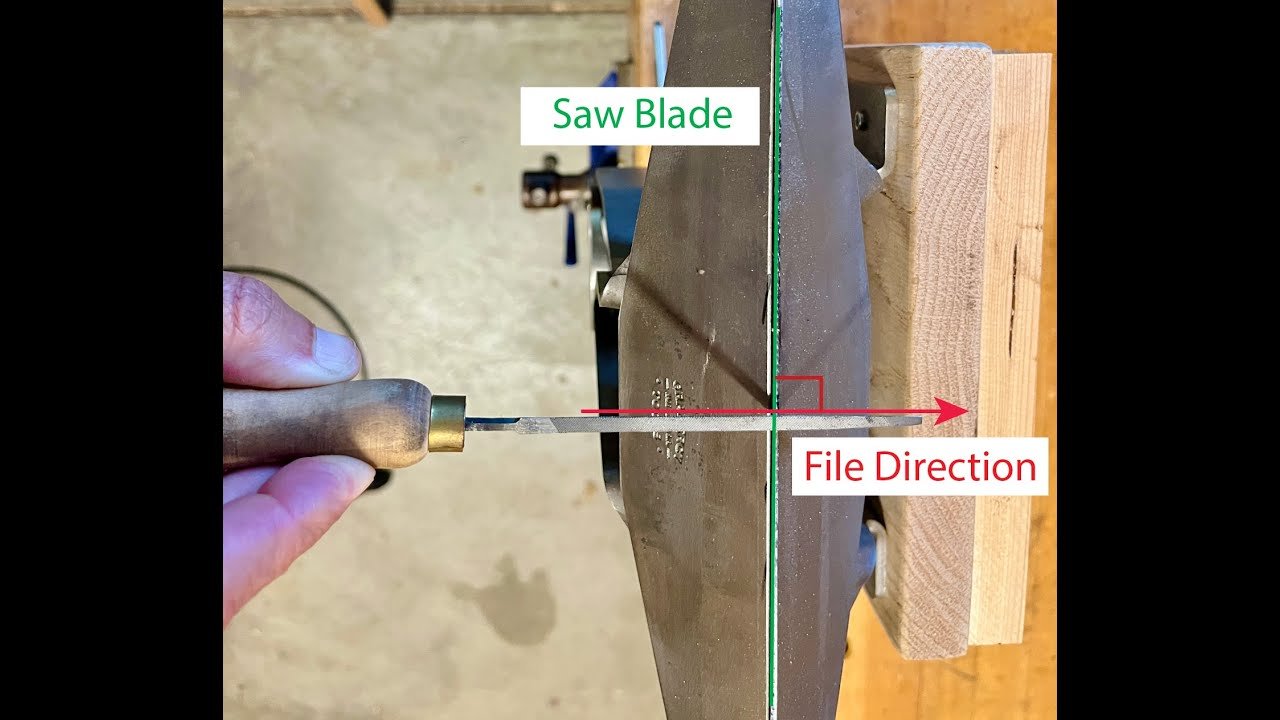
Hold the file at the same angle as the original tooth bevel. Move the file in one direction to avoid dulling the teeth.
- Use a fine triangular file for best results
- File only the front edge of each tooth
- Keep the file angle steady during filing
Maintaining Consistent Tooth Shape
Teeth must have the same shape to cut evenly and smoothly. Check the shape before and after sharpening.
Use a small file or guide to keep the tooth size and shape uniform. Avoid filing too deep or unevenly.
- Sharpen all teeth the same amount
- Match the original tooth height and width
- Check tooth shape often while sharpening
Tips For Left And Right Teeth
Jigsaw blades have teeth that point left and right for smooth cutting. File left and right teeth carefully.
File each tooth on the side it leans toward. This keeps the blade balanced and cutting straight.
- File left teeth from the left side
- File right teeth from the right side
- Keep the same angle for each side
- Alternate filing to keep balance
Testing And Adjusting The Blade
After sharpening the jigsaw teeth, it is important to test the blade. Testing helps check the sharpness and cutting accuracy. Adjustments can improve the blade’s performance.
Use simple steps to perform a test cut and fine-tune the blade. This will help you get clean and smooth cuts every time.
Performing A Test Cut
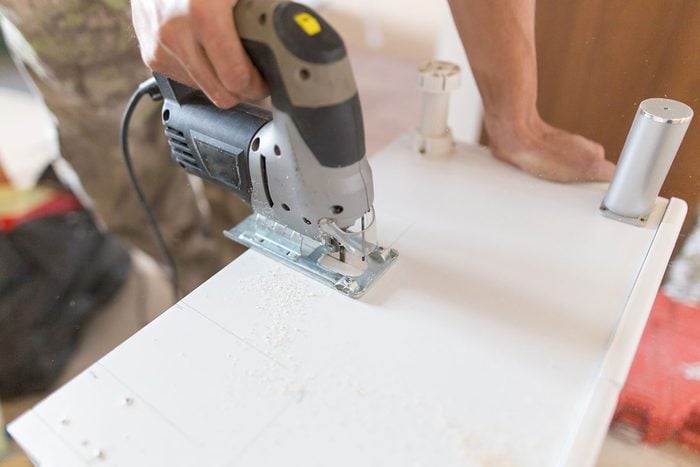
Start by securing a piece of scrap wood. This wood should be similar to what you usually cut. Turn on the jigsaw and make a straight cut.
- Check the cut edge for smoothness.
- Look for any rough or jagged spots.
- Listen for unusual noises from the blade.
- Notice if the blade bends or drifts during cutting.
- Turn off the jigsaw and inspect the blade teeth.
Fine-tuning For Smooth Performance
Use a flat file or fine sharpening stone to adjust the teeth. Remove small amounts of metal to avoid over-sharpening.
| Adjustment | Effect | How to Check |
| Sharpening teeth evenly | Smoother cuts | Inspect cut edge |
| Aligning blade | Reduces drift | Watch blade path |
| Cleaning blade | Improves cutting speed | Check for debris |
| Checking blade tension | Prevents bending | Feel blade tightness |
Credit: www.familyhandyman.com
Blade Maintenance For Longevity
Keeping your jigsaw blades sharp helps them last longer. Proper care avoids damage and saves money.
Regular cleaning and proper storage keep teeth sharp and ready for use. These steps protect your blades.
Regular Cleaning And Inspection
Clean your jigsaw blades after each use. Dirt and resin can dull the teeth quickly.
- Remove the blade from the jigsaw carefully.
- Use a soft brush to clear sawdust and debris.
- Apply a blade cleaner or rubbing alcohol to remove resin.
- Wipe the blade dry with a clean cloth.
- Inspect the teeth for chips or wear before storing.
Proper Storage Practices
Store blades in a dry place to prevent rust. Avoid placing blades loosely together.
| Storage Method | Benefit |
| Blade case or holder | Keeps blades organized and protected |
| Wall-mounted rack | Prevents bending and damage |
| Dry toolbox with silica gel | Stops moisture and rust |

Credit: www.youtube.com
Frequently Asked Questions
How Often Should I Sharpen Jigsaw Teeth?
Sharpen jigsaw teeth when cuts become rough or slow. Regular sharpening maintains cutting efficiency and prolongs blade life. Inspect teeth before each use for dullness or damage. Proper maintenance ensures smooth, accurate cuts every time.
What Tools Do I Need To Sharpen Jigsaw Teeth?
You need a fine triangular file and a clamp to sharpen jigsaw teeth. A magnifying glass helps inspect teeth closely. Use steady, gentle strokes to avoid damaging the blade. Proper tools ensure precise sharpening and better cutting performance.
Can I Sharpen Jigsaw Teeth At Home Safely?
Yes, sharpening jigsaw teeth at home is safe with proper precautions. Secure the blade firmly and work slowly to avoid slips. Wear protective gloves and eye protection. Following safety steps ensures effective sharpening without accidents.
How Does Sharpening Affect Jigsaw Blade Performance?
Sharpening restores sharp edges, improving cutting speed and accuracy. It reduces blade friction and heat buildup during use. A sharp blade produces cleaner, smoother cuts and extends blade lifespan. Regular sharpening keeps tools in optimal condition.
Conclusion
Sharpening jigsaw teeth keeps your cuts clean and precise. Regular maintenance saves time and effort during projects. A sharp blade cuts faster and lasts longer. Use simple tools and take your time while sharpening. Small steps make a big difference in your work.
Keep your jigsaw blades ready for any task. This guide helps you maintain your tools easily. Stay safe and enjoy better results with sharp teeth.