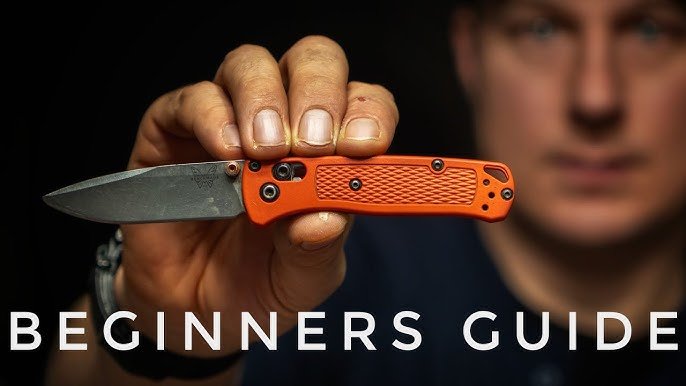
Are your knives and utility blades feeling dull and frustrating to use? A sharp blade makes every cut smoother, safer, and more precise.
But how do you bring back that sharp edge without spending a fortune or risking damage? This guide will show you simple, effective ways to sharpen your knives and blades right at home. Whether you’re a kitchen pro or just want your tools to work better, you’ll find easy tips that save time and effort.
Keep reading to discover how to make your blades sharper than ever before.
Choosing The Right Sharpening Tools
Keeping your knives and utility blades sharp is important for safety and efficiency. Picking the right sharpening tool helps you get the best results.
There are different tools to sharpen blades. Each tool works best in certain situations. Learn about the main types of sharpeners to find what fits you.
Types Of Sharpeners
Sharpeners come in many forms. The most common are stones, electric devices, and honing rods. Each has its own use and benefit.
- Whetstones:Manual stones that require skill but give control.
- Electric Sharpeners:Fast and easy to use, good for quick touch-ups.
- Honing Rods:Used to realign blade edges, not for sharpening dull blades.
Whetstones Vs. Electric Sharpeners
| Feature | Whetstones | Electric Sharpeners |
| Speed | Slower, needs patience | Fast, usually minutes |
| Skill Level | Needs practice | Easy to use |
| Sharpening Quality | High control, sharp edge | Good but less precise |
| Cost | Usually cheaper | Tends to be more expensive |
| Maintenance | Needs cleaning and flattening | Minimal upkeep |
Using Honing Rods
Honing rods do not sharpen blades. They fix the edge by straightening bent metal. Use them regularly to keep knives sharp longer.
- Hold the rod vertically with the tip on a stable surface.
- Place the blade at a 15-20 degree angle against the rod.
- Draw the blade down and across the rod from heel to tip.
- Repeat on the other side of the blade.
- Do this 5 to 10 times per side.
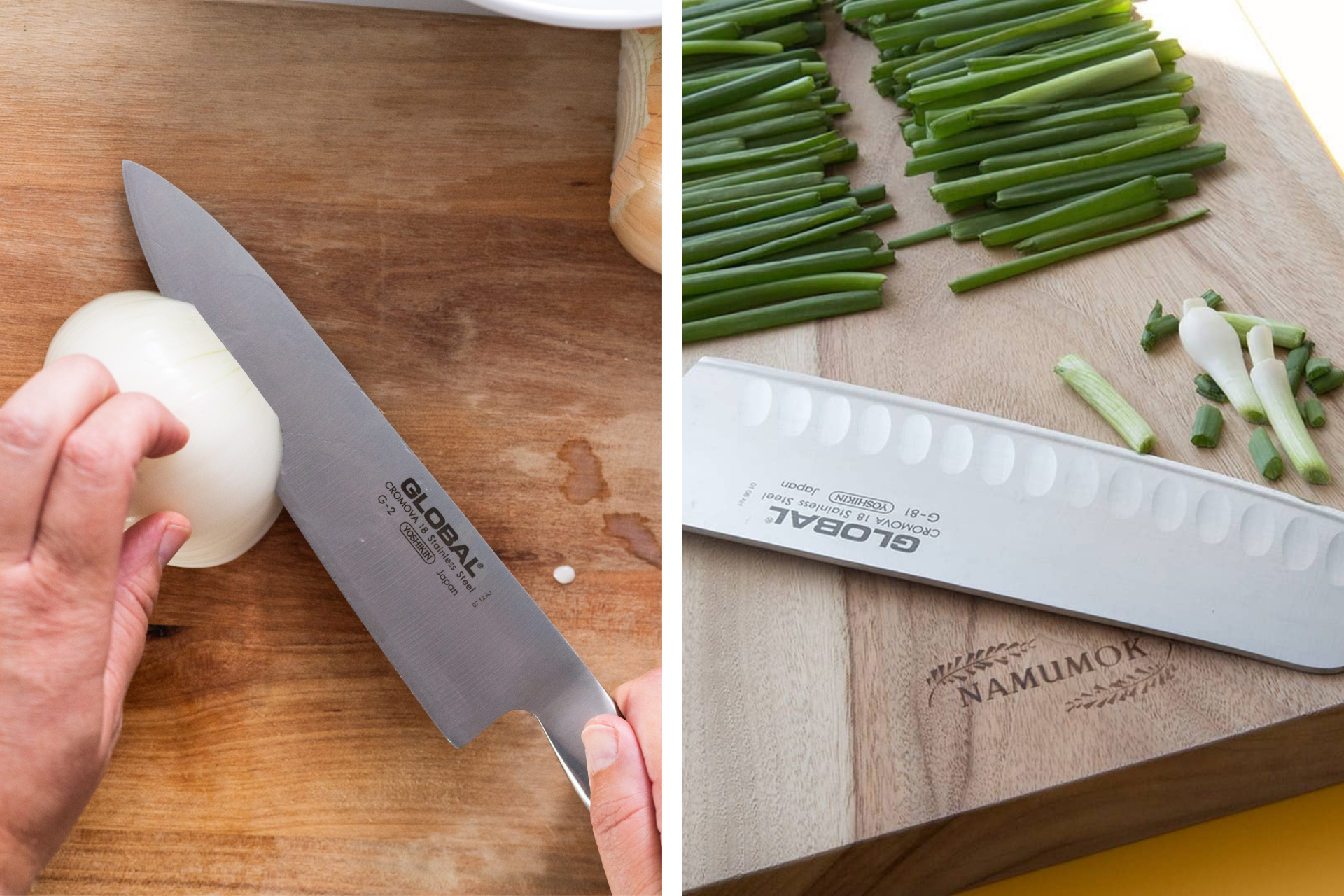
Credit: www.globalcutleryusa.com
Preparing Your Blades
Sharpening knives and utility blades starts with good preparation. Taking care of the blades before sharpening helps get better results.
Cleaning and checking your blades is important. It removes dirt and finds any problems that might affect sharpening.
Cleaning Before Sharpening
Clean blades remove grime and old residues that can block the sharpener. Use warm water and mild soap to wash the blades. Dry them well to stop rust from forming.
- Use a soft cloth or sponge to avoid scratches
- Remove any sticky or oily substances
- Dry the blade with a clean towel
- Do not soak blades for a long time
Inspecting For Damage
Look closely at the blade for chips, cracks, or bends. Damaged blades need repair or replacement before sharpening. Sharpening broken edges can make the damage worse.
| Damage Type | Signs to Look For | Action Needed |
|---|---|---|
| Chips | Small missing pieces on the edge | File or grind before sharpening |
| Cracks | Thin lines along the blade | Replace blade if deep cracks exist |
| Bends | Blade is not straight | Carefully straighten or replace |
Sharpening Techniques
Sharpening knives and utility blades keeps them safe and effective. Good techniques improve cutting ease and blade life.
Understanding angles, steps, and lubricants helps you sharpen correctly. This guide covers key methods for better results.
Correct Angle For Different Blades
Each blade type needs a specific angle for sharpening. Using the right angle prevents damage and keeps edges sharp longer.
| Blade Type | Ideal Sharpening Angle |
| Chef’s Knife | 20 degrees |
| Utility Knife | 25 degrees |
| Paring Knife | 15 degrees |
| Utility Blade | 30 degrees |
Step-by-step Sharpening Process
Follow these steps to sharpen your knives and blades safely and effectively. Take your time to get a smooth edge.
- Clean the blade to remove dirt and rust.
- Hold the blade at the correct angle to the sharpener.
- Move the blade across the sharpener in smooth strokes.
- Repeat on the other side evenly.
- Test the blade sharpness carefully.
- Wipe the blade clean after sharpening.
Using Water Or Oil
Water or oil lubricates the sharpener to reduce friction. This keeps the blade and tool safe during sharpening.
- Use water with whetstones for smooth sharpening.
- Apply oil on oil stones to protect the surface.
- Check manufacturer instructions for best lubricant.
- Keep the lubricant clean to avoid scratches.
Maintaining Sharpness
Keeping your knives and utility blades sharp makes cutting easier and safer. Sharp blades reduce the effort needed for tasks.
Proper care helps blades last longer and perform well every time you use them.
Regular Honing Tips
Honing realigns the blade edge and keeps it sharp between sharpenings. Use a honing rod to gently maintain the edge.
Hone your blades often, especially after heavy use. Hold the rod steady and slide the blade at a 20-degree angle.
- Use light pressure to avoid damaging the blade
- Alternate sides with each stroke for even sharpening
- Hone 5-10 times per side for best results
- Clean the blade after honing to remove metal particles
Proper Storage Practices
Store knives and blades safely to protect their edges. Avoid loose placement that causes dulling and accidents.
Use blade guards, knife blocks, or magnetic strips to keep blades secure and sharp.
- Keep blades dry to prevent rust and corrosion
- Store blades separately to avoid contact damage
- Place knives in a knife block or on a magnetic strip
- Use blade covers or sheaths for utility blades
- Clean blades before storing to remove food and debris
Safety Tips During Sharpening
Sharpening knives and utility blades can be risky without care. Following safety tips helps prevent injuries.
Use the right tools and techniques to keep yourself safe during sharpening tasks.
Protective Gear
Wear protective gear to shield your hands and eyes from accidents. Sharp blades can slip or send tiny metal particles flying.
- Use cut-resistant gloves to protect your hands.
- Wear safety goggles to guard your eyes from debris.
- Choose a sturdy apron to protect your body and clothes.
- Ensure your clothing fits well to avoid catching on tools.
Safe Handling Practices
Handle blades carefully to avoid cuts and accidents. Keep your workspace clean and organized.
| Practice | Reason |
| Keep blades pointed away from your body | Reduces risk of injury |
| Sharpen on a stable surface | Prevents slipping and accidents |
| Use controlled, steady movements | Improves accuracy and safety |
| Store blades safely after sharpening | Prevents accidental cuts |
| Do not rush the sharpening process | Maintains focus and control |

Credit: www.youtube.com
Troubleshooting Common Issues
Sharpening knives and utility blades can sometimes cause problems. Knowing how to fix these issues saves time and keeps blades sharp.
This guide covers common problems and simple fixes for your blades.
Fixing Nicks And Chips
Nicks and chips are small damages on the blade edge. They make cutting harder and less safe.
To fix nicks, use a coarse sharpening stone or file. Gently grind the blade until the damage is gone.
- Hold the blade at the right angle (usually 20 degrees).
- Use even strokes to smooth the edge.
- Check the blade often to avoid removing too much metal.
- Finish with a finer stone to polish the edge.
Dealing With Dullness
Dull blades cut poorly and can be dangerous. Sharpening restores the sharp edge and improves performance.
Start with a medium grit stone to reshape the edge. Then use a fine grit stone to sharpen and polish.
- Keep a steady angle while sharpening.
- Use consistent pressure for an even edge.
- Test sharpness by slicing soft materials like paper.
- Regular sharpening helps prevent dullness.
Special Considerations For Utility Blades
Utility blades are small, sharp, and used for many tasks. They need special care to stay safe and effective. You must know how to sharpen or replace them properly.
These blades have a unique design. They often come with replaceable parts. This makes sharpening different from regular knives.
Sharpening Replaceable Blades
Replaceable blades are thin and fragile. Sharpening them needs a steady hand and the right tools. Use a fine-grit stone or a diamond sharpener.
- Hold the blade steady at a low angle, about 15 degrees.
- Use light, even strokes to avoid breaking the blade.
- Sharpen both sides equally for a balanced edge.
- Check the blade edge often to avoid over-sharpening.
When To Replace Instead Of Sharpen
Utility blades wear out fast. Sometimes, sharpening is not enough. Replace the blade if it is damaged or dull beyond repair.
| Condition | Action |
| Chipped or broken edge | Replace immediately |
| Blade is too thin after sharpening | Replace to avoid breakage |
| Blade does not hold an edge | Replace for safety |
| Blade rusted or corroded | Replace to ensure clean cuts |

Credit: www.ebay.ca
Frequently Asked Questions
How Do I Sharpen Knives At Home?
To sharpen knives at home, use a whetstone or a sharpening rod. First, wet the stone and position the knife at a 20-degree angle. Then, glide the blade across the stone in smooth strokes. Maintain consistent pressure. Regularly check the sharpness by slicing through paper.
What’s The Best Tool For Sharpening Blades?
The best tool for sharpening blades is a whetstone. It provides precision and is suitable for various blade types. Choose a stone with dual grit: coarse for reshaping and fine for honing. Regular use ensures your blades remain sharp and efficient, enhancing their longevity.
Can I Use A Kitchen Sharpener For Utility Blades?
Yes, you can use a kitchen sharpener for utility blades. However, ensure the sharpener is suitable for the blade’s material. Some sharpeners are designed specifically for kitchen knives and may not accommodate thicker utility blades. Always follow the manufacturer’s instructions for best results.
How Often Should I Sharpen My Knives?
You should sharpen your knives every few months, depending on usage. Frequent use may require monthly sharpening. Regular honing can extend the time between sharpenings. Always test the knife’s sharpness on paper or vegetables. Sharp knives ensure safer and more efficient cutting tasks.
Conclusion
Sharpening knives and blades keeps them safe and effective. Regular care makes cutting easier and more precise. Use the right tools and follow steps carefully. Practice a little to improve your skill each time. Sharp blades save time and reduce accidents in the kitchen.
Keep your knives sharp to enjoy cooking more. Simple habits help your blades last longer and work better. Stay patient and gentle while sharpening for best results. Your effort will bring sharper, safer blades every day.