Are your planer knives leaving rough surfaces or slowing down your work? Sharpening them properly can make all the difference.
In this guide, you’ll discover simple, step-by-step methods to keep your planer knives razor-sharp and ready for any project. Whether you’re a beginner or have some experience, this article will help you save time, improve your results, and protect your tools.
Keep reading to learn how to bring your planer knives back to life with ease.
Choosing The Right Tools
Sharpening planer knives requires the right tools for safe and effective results. Picking the proper equipment helps keep your knives sharp and your work smooth.
This guide covers the types of sharpening stones, using honing guides and jigs, and essential safety equipment you need.
Types Of Sharpening Stones
Sharpening stones come in different materials and grits. Each type suits certain sharpening tasks.
- Oil Stones:Use oil to lubricate. Good for slow, controlled sharpening.
- Water Stones:Use water as lubricant. Sharpen quickly and are easy to clean.
- Ceramic Stones:Very hard and long-lasting. Great for fine sharpening.
- Diamond Stones:Have a diamond coating. Cut fast and work on hard metals.
Using Honing Guides And Jigs
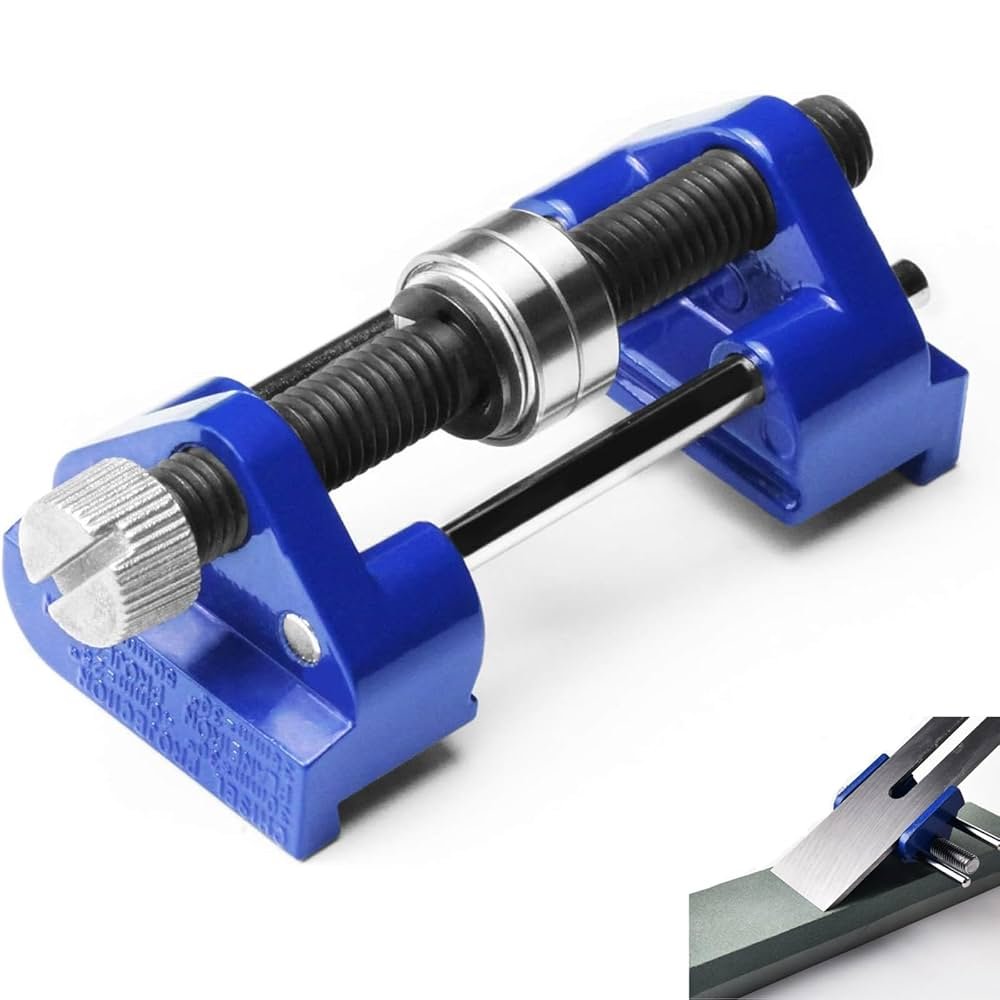
Honing guides and jigs help keep the blade at a steady angle. This improves the accuracy of sharpening.
| Tool | Description | Benefit |
| Simple Honing Guide | Clamp that holds the blade steady. | Ensures even angle during sharpening. |
| Adjustable Jig | Allows angle adjustments for different blades. | Customizes sharpening angle easily. |
| Bench Grinder Jig | Mounts on grinder for quick sharpening. | Keeps consistent angle at high speed. |
Essential Safety Equipment
Safety gear protects you from sharp blades and dust. Always wear safety equipment when sharpening planer knives.
- Safety glasses to protect your eyes.
- Cut-resistant gloves to avoid cuts.
- Dust mask to prevent inhaling metal dust.
- Apron to protect your clothing.

Credit: www.amazon.com
Preparing Planer Knives
Sharpening planer knives starts with good preparation. Careful preparation helps you work safely and get better results.
This guide covers how to prepare your planer knives for sharpening. Follow these steps to get ready.
Removing Knives Safely
Always turn off the planer and unplug it before removing the knives. This prevents accidents while you work.
Use the right tools to loosen the screws holding the knives. Handle the blades carefully to avoid cuts.
- Wear thick gloves to protect your hands
- Work on a clean, flat surface
- Keep screws and parts in a safe place
Cleaning And Inspecting Blades
Clean the blades to remove dirt and resin. Use a soft cloth and mild cleaner to avoid damage.
Check the knives for chips, rust, or bends. Damaged blades may need replacement instead of sharpening.
- Look for nicks or cracks on the edge
- Check for rust spots or corrosion
- Make sure the blade is straight and not bent
Setting Up Your Workspace
Choose a well-lit area with plenty of space. A tidy workspace helps you work safely and efficiently.
Gather all the tools and materials before you start sharpening. This keeps you organized and saves time.
- Use a stable workbench or table
- Have safety gear like gloves and goggles ready
- Keep sharpening stones or equipment within reach
Sharpening Techniques
Sharpening planer knives keeps them cutting cleanly and smoothly. Using the right techniques helps maintain the blade’s edge for longer.
Focus on the angle, sharpening tools, and pressure to get the best results.
Establishing The Correct Angle
Set the blade at the right angle before sharpening. This angle is usually between 25 and 30 degrees. Keeping this angle steady helps sharpen evenly.
Use a guide or jig if you find it hard to hold the angle by hand.
Using Whetstones Effectively
Whetstones come in coarse, medium, and fine grits. Start with coarse to fix dull edges. Use medium grit to smooth the blade, then fine grit for polishing.
- Soak the whetstone in water for 10 minutes before use.
- Sharpen the knife by moving it across the stone evenly.
- Flip the blade and repeat on the other side.
- Rinse the blade and whetstone often to clear metal filings.
- Dry the blade completely after sharpening to avoid rust.
Applying Consistent Pressure
| Pressure Level | Effect on Sharpening |
| Light | May not remove enough metal for a sharp edge |
| Moderate | Best for steady sharpening and blade control |
| Heavy | Can damage the blade or unevenly sharpen |
Keep your hand steady and apply moderate pressure for best results. Avoid pushing too hard to protect the blade.
Honing And Polishing
Honing and polishing are key to keeping planer knives sharp. These steps make the blade smooth and ready for clean cuts.
Good honing removes small scratches and sharpens the edge. Polishing gives the blade a shiny, smooth finish.
Using Leather Strops
Leather strops help polish planer knives after honing. They remove tiny metal bits and smooth the edge.
Use a light touch and pull the blade backward on the strop. Repeat this several times on both sides.
- Apply stropping compound for better polishing
- Keep the strop clean and flat
- Strop regularly to keep edges sharp longer
Removing Burrs For Smooth Edges
Burrs are tiny metal curls on the blade edge after sharpening. They can cause rough cuts if not removed.
Remove burrs by gently running the blade over a fine stone or strop. Check the edge carefully for smoothness.
- Feel for burrs by lightly touching the blade edge
- Use light pressure to avoid dulling the blade
- Remove burrs on both sides evenly
Final Blade Inspection
Inspect the blade carefully after honing and polishing. Look for a clean, smooth edge without nicks or dull spots.
Hold the blade up to the light to see reflections. A sharp edge reflects little light, showing it is ready to use.
- Check both sides of the blade for even sharpness
- Ensure no burrs or rough spots remain
- Clean the blade before reinstalling it in the planer
Reinstalling And Testing
After sharpening your planer knives, putting them back correctly is key. Proper reinstalling ensures safe use and smooth cuts.
This guide covers aligning, securing, and testing your knives to keep your planer working well.
Proper Knife Alignment
Align the knives so they sit evenly along the cutter head. Uneven knives cause rough surfaces and damage the wood.
- Place the knife against the cutter head slot.
- Use a straight edge to check the blade’s position.
- Adjust the blade height until it is flush with the head.
- Make sure the blade is parallel to the cutter head.
Tightening And Securing Blades
Once aligned, tighten the screws or clamps to hold the knives firmly. Loose blades can cause accidents and poor cuts.
| Tool | Purpose | Tip |
|---|---|---|
| Torque wrench | Ensures correct screw tightness | Follow manufacturer torque specs |
| Screwdriver | Tightens blade clamps | Use the right size to avoid slipping |
| Blade clamp | Holds knives in place | Check for wear or damage before use |
Evaluating Cut Quality
Test the planer by running a piece of wood through it. Check the surface for smoothness and evenness.
- Look for any tear-out or rough spots.
- Check if the wood thickness is consistent.
- Listen for unusual noises during operation.
- Make adjustments if cuts are uneven or rough.

Credit: www.amazon.ca
Maintenance Tips
Keeping your planer knives sharp is key for smooth woodworking. Regular care saves time and money.
Follow simple maintenance tips to extend the life of your blades and ensure clean cuts every time.
Regular Sharpening Schedule
Check your planer knives often to keep them sharp. Dull blades cause rough surfaces and strain your tool.
- Inspect blades before each use for nicks or dullness.
- Sharpen knives after every 8 to 10 hours of cutting.
- Use a proper sharpening stone or machine to keep edges even.
- Replace blades if sharpening no longer restores sharpness.
Storage And Handling Advice
Store your planer knives safely to avoid damage or injury. Handle blades carefully during cleaning and installation.
| Storage Tip | Reason |
| Keep blades dry and in a protective case | Prevents rust and corrosion |
| Store knives separately from other tools | Avoids dulling edges |
| Use gloves when handling blades | Protects your hands and the blade |
| Label stored knives by size or type | Makes finding the right blade easier |
Troubleshooting Common Issues
If your planer cuts poorly, check blade condition and setup. Fix small problems before they get worse.
- Uneven cuts: Check if knives are aligned and tightened properly.
- Burn marks on wood: Blades may be dull or feed rate too slow.
- Excessive noise or vibration: Inspect for loose parts or damaged blades.
- Blade chipping: Avoid cutting dirty or hard materials without proper blades.

Credit: www.amazon.com
Frequently Asked Questions
How Often Should You Sharpen Planer Knives?
Planer knives should be sharpened every 20-30 hours of use. Regular sharpening maintains efficiency and prolongs the life of your blades. Dull knives can cause rough cuts and damage wood surfaces. Always check for signs of wear and sharpen as needed to ensure optimal performance.
What Tools Are Needed To Sharpen Planer Knives?
To sharpen planer knives, you’ll need a sharpening stone, honing guide, and safety gloves. A sharpening jig can also help maintain the correct angle. Proper tools ensure effective sharpening and help prevent damage to the knives. Always follow safety precautions during the sharpening process.
Can Dull Planer Knives Damage Wood?
Yes, dull planer knives can damage wood surfaces. They cause tear-out, rough cuts, and uneven surfaces. Keeping knives sharp ensures clean cuts and a smooth finish. Regular maintenance prevents unnecessary wear and tear on both the knives and the wood being planed.
Is It Better To Sharpen Or Replace Planer Knives?
Sharpening planer knives is cost-effective and extends their lifespan. However, if knives are excessively worn or damaged, replacement is necessary. Regular sharpening maintains efficiency, but assess the condition of the knives to decide between sharpening and replacement. Always prioritize quality cuts and safety.
Conclusion
Sharpening planer knives keeps your tools working well. Regular sharpening saves time and effort. You get cleaner cuts and better results. Use the right tools and follow safety steps. Practice makes the process easier and faster. Keep your knives sharp to protect your wood and work.
A sharp blade means less damage and more precision. Take care of your planer knives and enjoy smooth woodworking every time.