Are your router bits not cutting as smoothly as they used to? Dull bits can slow down your work, damage your projects, and waste your time.
But don’t worry—you don’t need to buy new ones every time they get dull. With the right sharpening techniques, you can bring your router bits back to life and keep your tools working like new. This guide will show you exactly how to sharpen your router bits quickly and easily, so you can get cleaner cuts and better results every time.
Ready to save money and improve your woodworking? Let’s dive in!
Choosing The Right Router Bit
Router bits are tools used to shape wood and other materials. Picking the right bit helps you get clean and accurate cuts.
Choosing a good router bit saves time and keeps your work safe. It also helps your router last longer.
Types Of Router Bits
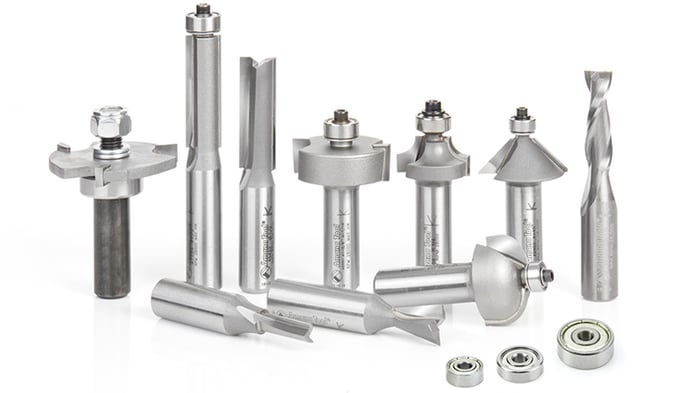
Router bits come in many shapes for different tasks. Each type creates a special edge or cut style.
- Straight bits cut straight lines and grooves.
- Flush trim bits copy shapes or trim edges.
- Rabbeting bits make steps or shoulders on edges.
- Chamfer bits cut angled edges.
- Round-over bits create rounded edges.
- V-groove bits cut V-shaped grooves for decoration.
Material Considerations
Router bits are made from different materials. The right material affects sharpness and durability.
High-speed steel (HSS) bits are cheaper but dull faster. Carbide-tipped bits stay sharp longer and cut harder materials.
- High-speed steel is best for softwoods and light use.
- Carbide-tipped bits work well on hardwoods and plastic.
- Solid carbide bits are very strong and last the longest.
Selecting For Specific Cuts
Different cuts need specific bits for the best results. Match the bit type to your project’s needs.
Choose a bit size and shape that fits the cut depth and width. This keeps the cut smooth and clean.
- Use straight bits for dados and grooves.
- Flush trim bits are good for template work.
- Round-over bits add smooth edges for safety and style.
- Chamfer bits create bevel edges for joinery or decoration.
- V-groove bits add fine details and patterns.

Credit: www.youtube.com
Signs Your Router Bits Need Sharpening
Router bits wear down with use. Dull bits affect your woodworking quality. You must know the signs that show your bits need sharpening.
Checking your bits often helps keep your work clean and safe. Learn what to watch for when your router bits lose their sharpness.
Dullness Indicators
Dull bits show clear signs. These signs help you decide when to sharpen them. Look for these common indicators:
- Rough or splintered edges on the wood
- Increased resistance when routing
- Burn marks on the wood surface
- Loud or unusual noise during use
- Bits feel blunt when touched carefully
Impact On Cut Quality
Dull bits reduce the quality of cuts. The wood surface becomes uneven and damaged. Cuts may not fit together well.
| Cut Issue | Effect |
| Rough Edges | Needs sanding and fixing |
| Burn Marks | Discolors the wood |
| Chipped Wood | Weakens the structure |
| Inconsistent Depth | Bad joint connections |
Safety Concerns
Dull bits cause safety risks. They can kick back or get stuck in the wood. This may cause injury or damage your tool.
Keep these safety tips in mind:
- Always check bits before use
- Sharpen dull bits promptly
- Wear safety glasses and gloves
- Use proper feed speed to avoid stress
- Replace bits if damaged beyond sharpening
Tools For Sharpening Router Bits
Sharpening router bits keeps them cutting clean and smooth. Using the right tools makes the job easier and better.
There are different tools for sharpening router bits. Some are simple, and some use electricity to help.
Manual Vs. Electric Sharpeners
Manual sharpeners need you to hold and move the bit by hand. They are simple and cheap. You control the angle and pressure.
Electric sharpeners use a motor to spin a grinding wheel. They sharpen bits faster and more evenly. You just hold the bit steady.
- Manual sharpeners are low cost and portable
- Electric sharpeners save time and effort
- Manual tools need more skill to use well
- Electric tools require power and space
Diamond Files And Stones
Diamond files and stones are popular for sharpening router bits. They are hard and last a long time.
Diamond tools work well on carbide tips. They remove small amounts of metal to restore sharp edges.
- Use flat diamond stones for flat edges
- Diamond needle files help with small curves
- Keep the file angle steady for best results
- Clean the stone after use to keep it effective
Professional Sharpening Services
Professional services sharpen router bits using special machines. They give precise and smooth edges.
Sending your bits to pros saves time. They can fix damaged or very dull bits better than home tools.
- Experts use high-speed grinders for accuracy
- They clean and inspect bits for wear
- Some offer fast turnaround times
- Cost depends on the number and size of bits

Credit: www.amazon.ca
Step-by-step Sharpening Process
Keeping your router bits sharp helps you cut clean and work safely. Dull bits cause rough edges and more effort.
This guide shows how to sharpen router bits in clear, easy steps. Follow each section carefully for good results.
Preparation And Safety Measures
Before sharpening, prepare your workspace and take safety steps. This keeps you safe and your tools ready.
- Wear safety glasses and gloves
- Work in a well-lit, clean area
- Unplug your router before removing bits
- Secure the router bit in a clamp or holder
- Check the bit for cracks or damage
Sharpening Cutting Edges
Use a diamond file or sharpening stone to sharpen cutting edges. Light, even strokes work best.
Sharpen each cutting edge by moving the file along the edge. Do not change the shape or size of the bit.
- Hold the file at the same angle as the cutting edge
- Stroke the file in one direction, away from you
- Sharpen all edges equally to keep balance
- Remove burrs by lightly filing the flat surfaces
Maintaining Bit Angles
Keeping the correct angles on router bits is key for sharp cuts. Use tools to check and keep these angles.
| Angle Type | Standard Angle | Purpose |
| Bevel Angle | 20° to 30° | Sharp cutting edge |
| Relief Angle | 10° to 15° | Prevents rubbing |
| Rake Angle | 0° to 10° | Controls chip removal |
Cleaning And Finishing
After sharpening, clean the bit to remove metal dust and oil. This keeps the bit in good shape.
Use a soft brush to remove debris. Wipe with a cloth and apply light machine oil to prevent rust.
Maintaining Router Bits Post-sharpening
Keeping your router bits in good shape after sharpening helps them work well. Proper care saves time and money by avoiding early replacement.
This guide covers storage, maintenance, and ways to make your bits last longer.
Proper Storage Techniques
Store router bits in a dry place to avoid rust. Use cases or racks that keep bits separate to protect sharp edges.
- Use individual slots or compartments
- Keep bits away from moisture
- Label storage for easy access
- Avoid tossing bits in a toolbox loosely
Regular Maintenance Tips
Clean bits after each use to remove resin and dust. Check for damage and sharpen as needed to keep smooth cuts.
| Maintenance Task | Frequency | Notes |
|---|---|---|
| Cleaning | After every use | Use soft brush and mild cleaner |
| Sharpening | When cuts dull | Use proper sharpening tools |
| Inspection | Monthly | Look for chips or cracks |
| Lubrication | Quarterly | Apply light oil to metal parts |
Extending Bit Lifespan
Use bits at correct speeds and avoid forcing the tool. Cool bits by taking breaks to stop overheating.
- Match bit type to the material
- Keep router speed within recommended range
- Avoid heavy cuts in one pass
- Store bits properly after cleaning
Credit: toolstoday.com
Common Mistakes To Avoid
Sharpening router bits is important for clean cuts and longer tool life. Many people make simple mistakes that can ruin their bits or cause poor results.
This guide covers three common errors to avoid when sharpening your router bits. Avoid these to keep your tools sharp and safe.
Over-sharpening
Sharpening too much removes too much metal from the bit. This weakens the bit and changes its shape.
- Do not sharpen bits after every use unless they are dull.
- Use gentle strokes and check the edge often.
- Stop sharpening once the edge is clean and sharp.
- Sharpen only the cutting edges, not the entire bit.
Ignoring Bit Alignment
Keeping the bit aligned during sharpening is important. Misalignment can cause uneven edges and poor cutting performance.
| Common Alignment Issues | Effects |
|---|---|
| Angled sharpening | Uneven cutting edge, rough cuts |
| Off-center grinding | Bit imbalance, vibration |
| Uneven pressure | Partial edge sharpening, weak spots |
Use guides or jigs to keep the bit steady and aligned. Check the angle and position before sharpening.
Using Incorrect Tools
Using the wrong tools can damage your router bits. Each bit needs a suitable sharpening method and tool.
- Do not use coarse grinders that remove too much metal.
- Use diamond or fine grit stones for carbide bits.
- Avoid sharpening with handheld grinders without guides.
- Choose tools designed for small, precise edges.
Frequently Asked Questions
How Often Should I Sharpen Router Bits?
Sharpen router bits when you notice dull cuts or burning wood. Regular sharpening extends bit life and improves cutting quality. Inspect bits after heavy use or every few projects for best results.
What Tools Are Best For Sharpening Router Bits?
Use diamond sharpening stones or specialized honing tools for router bits. These tools provide precision and maintain bit shape. Avoid coarse grinders to prevent damage.
Can I Sharpen Router Bits At Home Safely?
Yes, with proper tools and safety gear, you can sharpen bits at home. Work slowly and maintain correct angles. Always wear eye protection and follow instructions carefully.
How Do I Maintain Router Bits After Sharpening?
Clean bits with a brush and apply light oil to prevent rust. Store bits in a dry case to avoid damage. Regular maintenance ensures long-lasting sharpness.
Conclusion
Sharpening router bits keeps your tools in top condition. It extends their life. Sharp bits make cutting smoother and easier. Regular maintenance saves time and money. Use the right tools for best results. Follow safety guidelines to avoid accidents. Practice makes the process simpler over time.
A well-maintained router bit improves your woodworking projects. Enjoy the benefits of a sharpened bit. Your work will look more professional. Keep learning and practicing to hone your skills. Happy woodworking!