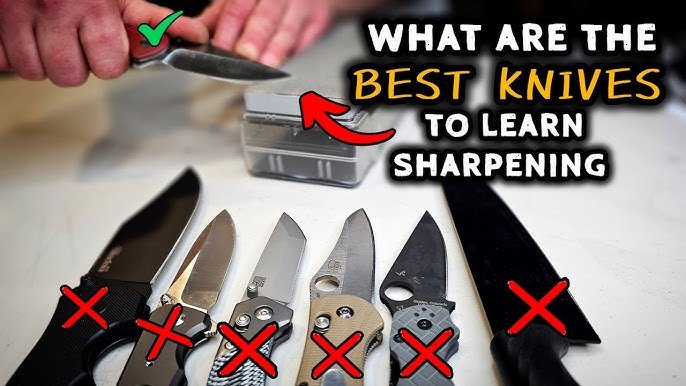
Are your utility knives feeling dull and frustrating to use? A sharp knife not only makes your tasks easier but also safer.
If you’ve ever struggled with cutting through materials or found yourself applying extra force, it’s time to give your utility knives a proper sharpen. In this guide, you’ll discover simple, effective techniques to bring back that razor-sharp edge. By the end, you’ll have the skills to keep your knives performing like new—saving you time and effort every time you work.
Ready to transform your cutting experience? Let’s dive in.

Credit: www.youtube.com
Choosing The Right Sharpening Tools
Keeping your utility knives sharp makes cutting easier and safer. Different tools suit different needs. Knowing which sharpening tool to pick helps you keep your knives in good shape.
Let’s look at some popular sharpening tools and how to use them. This guide covers whetstones, honing rods, and electric or manual sharpeners.
Whetstones And Their Grit Levels
Whetstones offer precise sharpening by hand. They come in different grit levels, which affect how much metal they remove from the blade.
| Grit Level | Use | Description |
| Coarse (200-600) | Repair | Fixes chips and dull edges |
| Medium (800-1500) | Sharpen | Sharpens dull knives |
| Fine (3000-8000) | Polish | Polishes and refines the edge |
Start with a coarse grit if your knife is very dull. Finish with fine grit for a smooth edge. Use water or oil on the stone depending on the type.
Using Honing Rods
Honing rods do not sharpen but keep the blade straight. They help maintain the edge between sharpenings.
- Use a ceramic or steel rod for quick edge alignment
- Hold the rod vertically and swipe the knife at a 20-degree angle
- Repeat on both sides of the blade
Honing rods work best if you sharpen your knives regularly. They are simple and fast to use in the kitchen.
Electric Vs Manual Sharpeners
Electric sharpeners are fast and easy. Manual sharpeners need more skill but give more control.
- Electric sharpeners:Use motorized wheels to sharpen quickly.
- Manual sharpeners:Require you to pull the knife through guides.
- Both types:Often have different grit stages for sharpening and polishing.
Choose electric if you want speed. Pick manual if you want more control over the edge angle.
Preparing Your Utility Knife
Before sharpening your utility knife, it is important to get it ready. Proper preparation ensures a safer and more effective sharpening process.
Two key steps are cleaning the blade and inspecting it for any damage. These help maintain your knife’s condition and performance.
Cleaning The Blade
Cleaning removes dirt, grease, and rust from the blade. This prepares the surface for sharpening and protects the blade.
- Use warm water and mild soap to wash the blade.
- Gently scrub with a soft sponge or cloth to avoid scratches.
- Rinse thoroughly to remove soap residue.
- Dry the blade completely with a clean towel.
- If rust is present, use a rust remover or fine steel wool carefully.
Inspecting For Damage
Check the blade closely for any chips, cracks, or bends. Damaged blades can be unsafe and harder to sharpen.
| Type of Damage | Signs to Look For | Action |
| Chips | Small missing pieces on the edge | Sharpen carefully or replace blade if large |
| Cracks | Visible lines or splits on the blade | Do not sharpen; replace blade immediately |
| Bends | Blade does not sit straight | Try to straighten carefully or replace |
Sharpening Techniques
Keeping your utility knives sharp makes cutting easier and safer. Using the right sharpening methods helps the blade last longer.
This guide explains key steps to sharpen your utility knives well and maintain their edge.
Correct Angle For Sharpening
Sharpen your knife at the right angle to keep the edge sharp and strong. Most utility knives need a 20-degree angle.
- Hold the blade so it forms a 20-degree angle with the sharpening surface.
- Use a guide if you find it hard to keep the angle steady.
- Sharpen both sides evenly to keep the edge straight.
Step-by-step Sharpening Process
Follow these steps to sharpen your utility knife safely and effectively.
- Clean the blade to remove dirt and debris.
- Place the knife on the sharpening stone at the correct angle.
- Push the blade forward across the stone using even strokes.
- Flip the knife and repeat on the other side.
- Check the edge by carefully feeling for sharpness.
- Wipe the blade clean after sharpening.
Maintaining Consistent Pressure
Applying even pressure prevents damage and keeps the edge smooth. Pressing too hard can wear the blade unevenly.
| Pressure Level | Effect on Blade |
|---|---|
| Light | Too slow sharpening, may miss small chips |
| Moderate (Ideal) | Sharp edge, even wear on blade |
| Heavy | Blade damage, uneven edge |

Credit: www.amazon.ca
Testing Blade Sharpness
Checking the sharpness of your utility knife is important. A sharp blade works better and is safer to use.
There are simple ways to test if your knife is sharp enough. Try these easy tests before you start cutting.
Paper Slice Test
The paper slice test shows how well your blade cuts thin material. Use a piece of regular paper for this test.
Hold the paper with one hand and slice it with the knife. If the blade is sharp, it will cut smoothly without tearing.
Visual Inspection
Look closely at the blade edge under good light. A sharp edge looks clean and even without chips or dents.
Dull blades may have visible nicks or a rounded edge. Check for any damage before you sharpen the knife.
Touch Sensitivity Check
Carefully feel the blade edge with your fingertip or fingernail. A sharp blade feels fine and slightly rough.
If the blade feels smooth or rounded, it needs sharpening. Always be careful to avoid cutting yourself during this test.
Maintaining Sharp Edges
Keeping your utility knives sharp makes cutting easier and safer. Sharp edges reduce the chance of slips and accidents.
Regular care helps your knives last longer and perform better. This guide covers important tips for maintenance.
Regular Honing Tips
Honing your knife straightens the edge without removing much metal. Use a honing rod before or after each use.
- Hold the rod vertically with the tip on a stable surface.
- Place the knife at a 20-degree angle to the rod.
- Swipe the blade down and across the rod gently.
- Repeat on the other side of the blade.
- Do this 5 to 10 times per side for best results.
Proper Storage Practices
Store knives carefully to keep the edge sharp and prevent damage. Avoid loose drawers or piles where blades rub together.
| Storage Method | Benefit |
| Knife block | Protects blades from scratches |
| Magnetic strip | Keeps knives accessible and safe |
| Blade guards | Protects edges during transport |
| Dedicated knife drawer | Prevents blades from hitting other utensils |
Avoiding Common Mistakes
Some habits cause dull blades and reduce knife life. Avoid these mistakes to keep your knives sharp.
- Do not cut on hard surfaces like glass or stone.
- Never use knives to open cans or pry things.
- Do not wash knives in a dishwasher; hand wash instead.
- Avoid soaking knives in water for long periods.
- Sharpen knives with the wrong angle or tool.
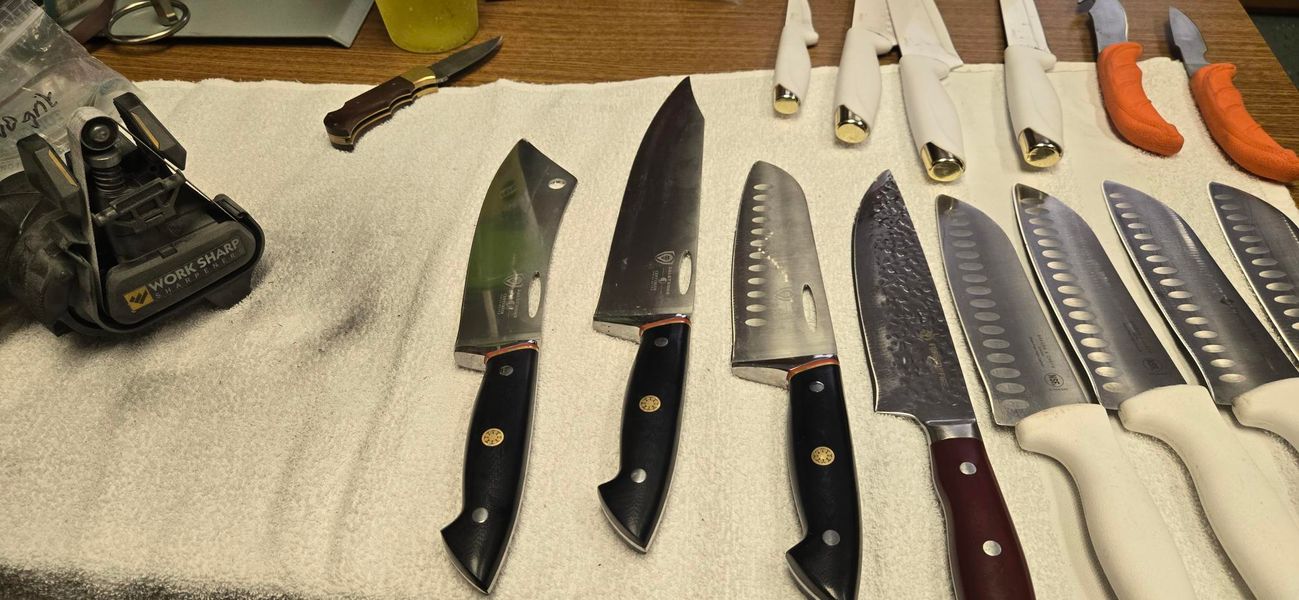
Credit: worksharptools.com
Frequently Asked Questions
How Often Should I Sharpen Utility Knives?
Sharpen utility knives regularly to maintain their efficiency and safety. Depending on usage, sharpening every few months is ideal. If you use your knife daily, consider sharpening it monthly. Regular maintenance prevents dullness and prolongs the knife’s lifespan. A sharp knife ensures precision and reduces the risk of accidents.
What Tools Do I Need To Sharpen Knives?
To sharpen utility knives, you’ll need a sharpening stone or a knife sharpener. A honing rod can help maintain the edge. For beginners, a handheld knife sharpener is user-friendly. Ensure you have a clean, stable surface for sharpening. Proper tools ensure effective sharpening and maintain the knife’s quality.
Can I Sharpen Knives At Home Easily?
Yes, you can easily sharpen knives at home with the right tools. Use a sharpening stone or a handheld knife sharpener. Follow instructions carefully to achieve a sharp edge. Practice makes perfect, so don’t rush the process. Home sharpening saves money and keeps your knives in top condition.
Why Is My Utility Knife Dull Quickly?
A utility knife may dull quickly due to frequent use or cutting hard materials. Improper storage can also damage the blade. Ensure you use the knife for its intended purposes. Regular maintenance and proper storage will enhance its longevity and performance.
Always clean the blade after use.
Conclusion
Sharpening utility knives keeps them safe and effective. Regular sharpening saves time and effort during use. A sharp knife cuts cleaner and requires less force. Use the right tools and techniques to protect the blade. Practice often to improve your sharpening skills.
Remember, maintaining your knives extends their life. Stay patient and careful with each sharpening session. Enjoy the ease and precision of a sharp utility knife.