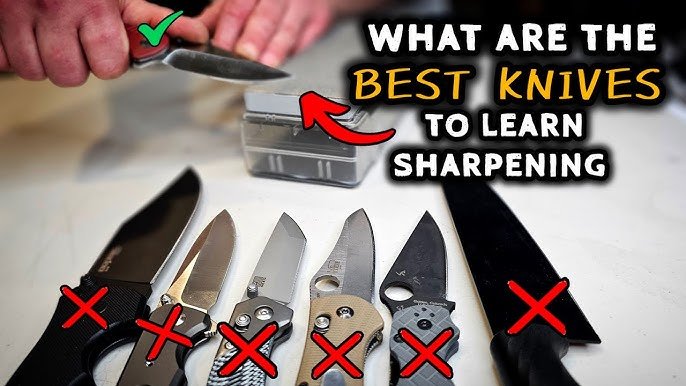
Are you tired of struggling with dull utility knives that just don’t cut it anymore? A sharp knife makes every task easier, safer, and more precise.
But how do you bring your utility knife back to life without spending a fortune? This guide to sharpening utility knives will show you simple, effective methods to get your blade razor-sharp again. Keep reading, and you’ll learn insider tips that save time and effort—making your knife work like new every time you pick it up.

Credit: www.youtube.com
Choosing The Right Sharpening Tools
Utility knives need to be sharp for safe and easy use. Choosing the right tool to sharpen them helps keep their edge strong. Different tools fit different needs and skill levels.
This guide covers popular sharpening tools. Learn how whetstones, sharpening rods, electric sharpeners, and leather strops work. Find the best option for your knife and style.
Whetstones
Whetstones are flat stones that sharpen blades by grinding. They come in coarse, medium, and fine grits. Coarse stones fix dull edges, while fine stones polish the blade.
- Requires water or oil for lubrication
- Needs practice to keep the correct angle
- Works well for all types of steel
- Gives control over sharpening process
Sharpening Rods
Sharpening rods, also called honing rods, realign the blade edge. They do not remove much metal but keep the edge sharp between full sharpenings.
- Made of steel, ceramic, or diamond-coated
- Easy and quick to use
- Best for regular maintenance
- Less effective on very dull knives
Electric Sharpeners
Electric sharpeners use spinning wheels to sharpen knives fast. They suit people who want quick results with little effort. Some models have multiple stages for different grits.
| Feature | Pros | Cons |
| Speed | Fast sharpening | Can remove too much metal |
| Ease of Use | Simple for beginners | Less control over angle |
| Portability | Compact models available | Needs power source |
| Cost | Affordable options exist | Some models are expensive |
Leather Strops
Leather strops polish and refine the blade edge after sharpening. They remove small burrs and create a smooth finish. Usually used with a polishing compound for best results.
- Improves sharpness and smoothness
- Does not sharpen dull blades
- Good for finishing touch
- Requires regular maintenance of strop surface
Preparing Your Utility Knife
Before sharpening your utility knife, you must prepare it properly. This ensures the process is safe and effective.
Preparation includes cleaning the blade, checking for damage, and setting up a good workspace.
Cleaning The Blade
Remove dirt and residue from the blade before sharpening. A clean blade sharpens evenly and safely.
- Use warm water and mild soap to wash the blade.
- Dry the blade with a soft cloth to prevent rust.
- Avoid harsh chemicals that can damage the metal.
Inspecting For Damage
Check the blade carefully for cracks, chips, or bends. Damaged blades need repair or replacement before sharpening.
| Damage Type | What to Do |
| Small chips | Sharpen carefully to smooth edges |
| Large chips or cracks | Replace the blade |
| Bent blade | Do not sharpen; fix or replace |
Setting Up A Safe Workspace
A clean, well-lit workspace helps you sharpen your knife safely and accurately.
- Clear the area of clutter to avoid accidents.
- Use a sturdy table or counter that won’t move.
- Keep your sharpening tools within easy reach.
- Wear safety gloves to protect your hands.
- Ensure good lighting to see the blade clearly.
Sharpening Techniques
Keeping your utility knives sharp helps you cut safely and easily. Different sharpening techniques work best for different needs.
This guide explains key techniques to sharpen utility knives. You will learn how to pick the right angle and use various tools.
Angle Selection
Selecting the correct angle is important for a sharp edge. Most utility knives sharpen best between 20 and 25 degrees.
A smaller angle makes a sharper edge but less durable. A larger angle is stronger but less sharp. Choose based on your cutting needs.
- 20° angle: sharper, good for detailed cuts
- 25° angle: more durable, good for heavy use
Using A Whetstone
A whetstone is a flat stone used to sharpen knives by hand. It has rough and fine sides for different sharpening steps.
Soak the whetstone in water before use. Hold the knife at the chosen angle and slide the blade across the stone evenly.
- Start on the rough side to shape the edge
- Switch to the fine side to polish the blade
- Use even pressure and smooth strokes
Employing A Sharpening Rod
A sharpening rod, or honing steel, realigns the blade’s edge. It does not remove much metal but keeps the edge straight.
Hold the rod vertically with its tip on a stable surface. Draw the knife down the rod at about a 20-degree angle on each side.
- Use gentle, even strokes
- Repeat about 5 times per side
- Keep the blade and rod clean
Operating An Electric Sharpener
Electric sharpeners use rotating wheels to sharpen the blade quickly. They are easy to use and good for fast results.
Insert the knife blade into the slot. Pull it through slowly and steadily. Repeat as needed but avoid over-sharpening.
- Follow the machine’s instructions
- Use gentle pressure, let the sharpener do the work
- Clean the blade after sharpening

Credit: www.amazon.ca
Honing And Polishing
Keeping your utility knives sharp is important for safety and efficiency. Honing and polishing help keep the blade in top shape.
These two steps refine the edge after sharpening. They make the blade smoother and sharper for better cutting.
Honing For Edge Refinement
Honing straightens and sharpens the blade’s edge. It removes small bends and keeps the edge aligned.
Use a honing rod or fine stone for this task. Hold the knife at a steady angle and slide the blade evenly.
- Choose a honing rod with fine grit
- Hold the knife at about 20 degrees
- Slide the blade from heel to tip
- Repeat on both sides evenly
- Use light pressure to avoid damage
Polishing With A Leather Strop
Polishing removes tiny burrs and smooths the edge. A leather strop is best for this job.
Pull the blade gently across the strop. This sharpens the knife without removing much metal.
- Use a clean leather strop
- Hold the blade at the same angle as honing
- Pull the blade away from the edge
- Repeat 10 to 20 times on each side
- Keep strokes smooth and even
Maintaining Your Knife Edge
Keeping your utility knife sharp helps you work safely and easily. A sharp edge cuts cleanly and needs less effort.
Regular care keeps your knife in good shape longer. This guide shows how to keep the edge sharp and strong.
Proper Storage
Store your utility knife in a dry place to stop rust. Use a sheath or a blade cover to protect the edge.
Avoid dropping your knife or leaving it loose in drawers. This can dull or damage the blade quickly.
- Keep the knife dry before storing
- Use a blade guard or sheath
- Store away from other tools
- Place in a safe, stable spot
Regular Maintenance Tips
Sharpen your knife often using a whetstone or sharpening tool. A quick touch-up keeps the edge smooth.
Clean the blade after each use. Dirt and debris can wear down the sharp edge over time.
- Use a sharpening stone with correct angle
- Wipe blade clean with a soft cloth
- Dry knife completely after washing
- Oil the blade lightly to prevent rust
Avoiding Common Mistakes
Do not use the knife to cut very hard materials. This can chip or dull the blade fast.
Avoid sharpening too much or at wrong angles. This weakens the edge and wears out the blade.
- Do not use knife as a screwdriver or pry tool
- Keep sharpening angle steady, usually 20 degrees
- Avoid forcing the blade through tough materials
- Replace blade when it is too worn or damaged
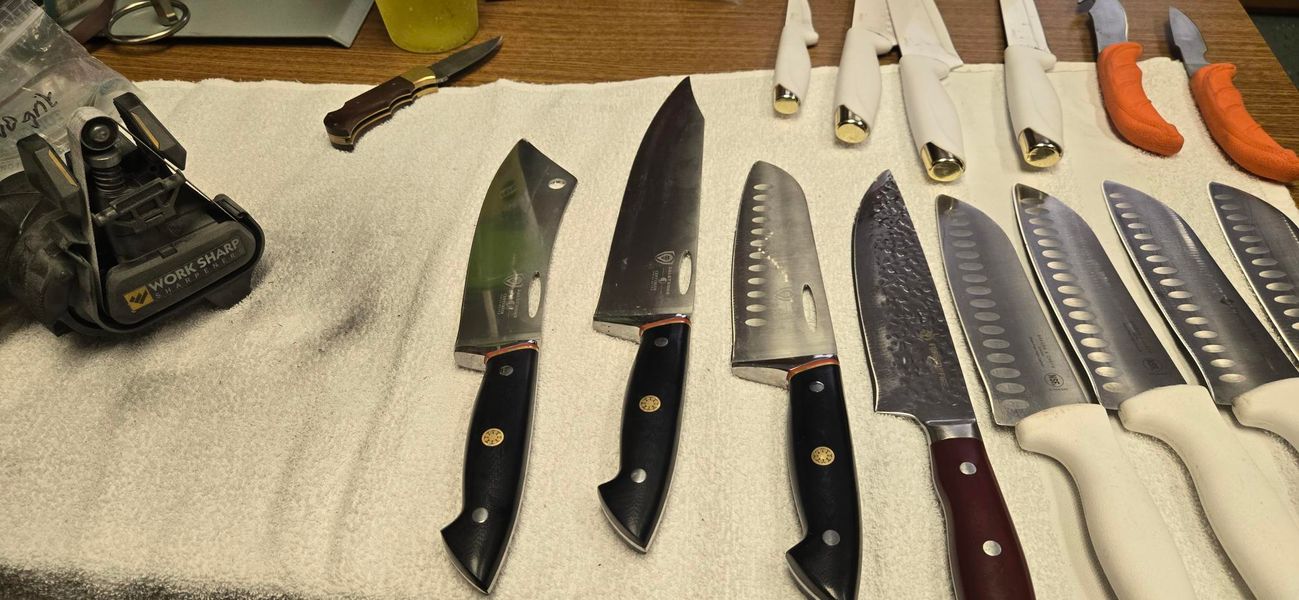
Credit: worksharptools.com
Safety Tips While Sharpening
Sharpening utility knives can be useful but also risky. It is important to follow safety rules to avoid injury.
Using the right tools and methods helps keep you safe while making your knife sharp.
Protective Gear
Wearing protective gear reduces the chance of cuts and accidents. Gloves and eye protection are key.
- Use cut-resistant gloves to protect your hands
- Wear safety glasses to guard your eyes
- Choose gloves that fit well and allow good grip
Handling Blades Carefully
Always hold the blade by its handle, never by the sharp edge. Keep your fingers away from the blade.
Check the knife before sharpening to make sure it is clean and dry. This prevents slipping.
- Hold the knife firmly but not tightly
- Keep your fingers behind the sharpening edge
- Do not rush; move slowly and with control
Safe Sharpening Practices
Choose a stable surface to sharpen your knife. Avoid sharpening in crowded or unstable areas.
Use the right sharpening tool and follow the instructions carefully. Keep the blade at the correct angle.
- Secure the sharpening stone or tool before use
- Sharpen away from your body
- Wipe the blade clean after sharpening
- Store the knife safely after use
Frequently Asked Questions
How Often Should I Sharpen Utility Knives?
Sharpen utility knives every few weeks or when you notice dullness. Frequent sharpening keeps edges precise and safe. Regular honing can extend sharpness between sessions. Avoid waiting until blades are too dull for easier maintenance and better performance.
What Tools Are Best For Sharpening Utility Knives?
Use whetstones, diamond stones, or sharpening rods for utility knives. Electric sharpeners are fast but less precise. Whetstones provide a smooth, sharp edge with control. Choose tools based on skill level and desired sharpness.
Can I Sharpen Utility Knives At Home Safely?
Yes, sharpen utility knives at home using proper tools and techniques. Always secure the blade and sharpen at the correct angle. Wear protective gloves to avoid injuries. Follow step-by-step guides to ensure safety and effectiveness.
What Is The Ideal Sharpening Angle For Utility Knives?
The ideal sharpening angle for utility knives is between 20 to 25 degrees. Maintaining this angle ensures a sharp, durable edge. Use angle guides or sharpening stones to keep consistency while sharpening.
Conclusion
Sharpening utility knives keeps them safe and effective. Regular care saves time and effort. A sharp knife cuts cleanly and reduces accidents. Use the right tools and follow steps carefully. Practice makes the process easier and faster. Keep your knives sharp to enjoy better results every day.
Simple maintenance extends their life and performance. Stay sharp, stay safe, and work smart.