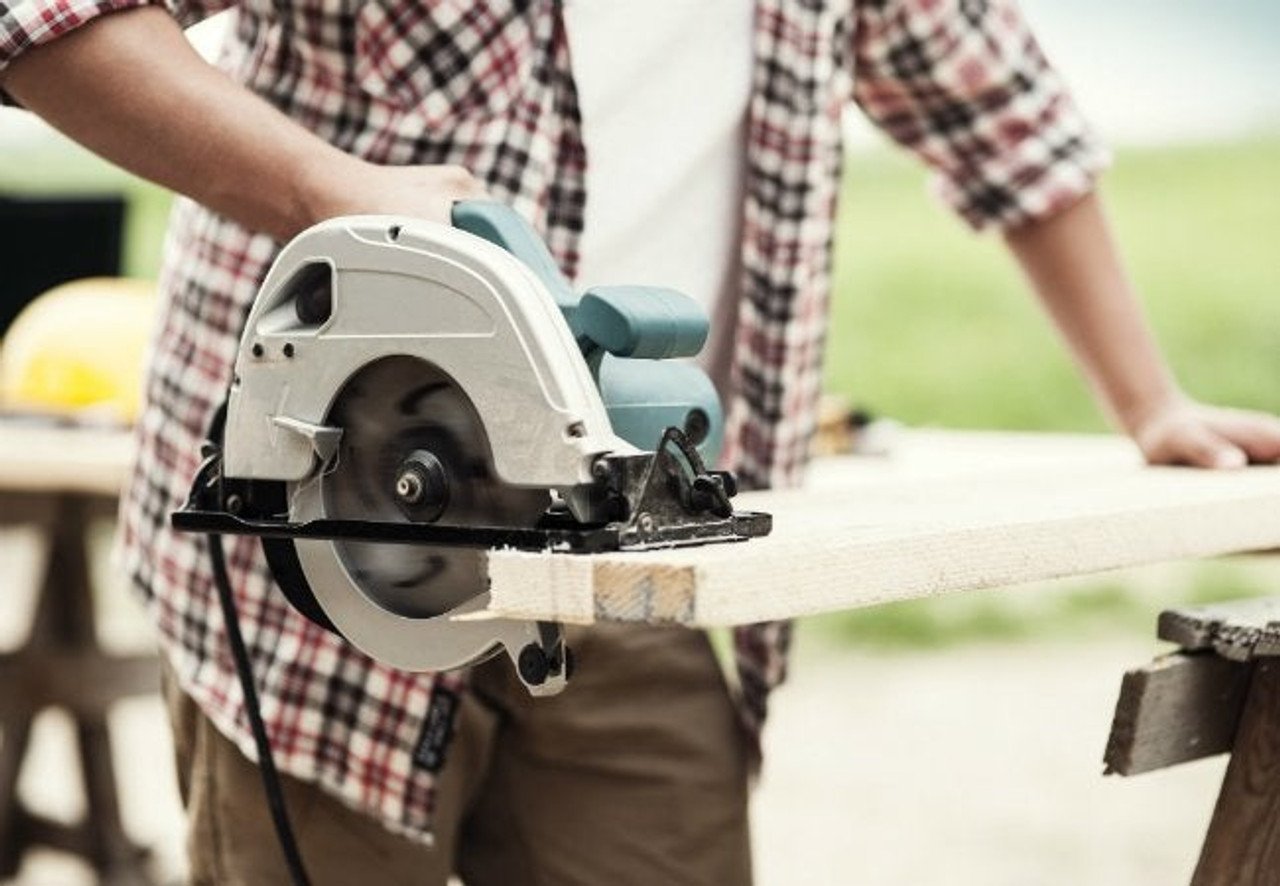
Are you tired of your circular saw getting dull, damaged, or lost in your workshop? How you store your circular saw can make a huge difference in its performance and lifespan.
In this guide, you’ll discover simple and effective ways to keep your saw safe, sharp, and ready for your next project. Whether you’re a beginner or a seasoned pro, these tips will help you protect your tool and save time and money.
Keep reading to learn how to store your circular saw the right way.
Choosing The Right Storage Spot
Storing your circular saw properly keeps it safe and ready to use. Picking the right spot protects it from damage.
A good storage place helps keep the saw clean and working well for a long time.
Avoiding Moisture And Dust
Moisture can cause rust on your circular saw’s blade and parts. Dust can block the motor or sharp edges.
- Choose a dry area away from water leaks.
- Use a sealed container or case to keep out dust.
- Keep the saw off the floor to avoid dampness.
- Clean the saw before storing to reduce dirt buildup.
Ensuring Proper Ventilation
Good airflow stops moisture from building up around your saw. It also cools the tool if it is stored while still warm.
| Ventilation Tip | Reason |
| Store in a room with air vents | Prevents moisture and heat |
| Avoid airtight containers without airflow | Stops mold and rust |
| Keep space around the saw | Allows air to circulate freely |
Keeping Away From Children And Pets
Safety is important. Keep your circular saw where children and pets cannot reach it.
- Store the saw in a locked cabinet or high shelf.
- Use blade guards and safety locks on the saw.
- Teach family members about tool safety.
- Check the storage area regularly to keep it secure.
Preparing Your Circular Saw For Storage
Storing your circular saw correctly keeps it safe and ready for the next use. Proper preparation protects the tool from damage and rust.
Follow simple steps to clean, disconnect, and protect your saw before storing it away.
Cleaning The Blade And Body
Remove dust and debris from the blade and body after each use. This prevents rust and keeps the saw working well.
Use a brush or cloth to clean hard-to-reach areas. Avoid water on electrical parts.
- Wear gloves to protect your hands
- Use a dry cloth or soft brush
- Remove stuck sawdust gently
- Clean the blade teeth carefully
- Check for any damage or wear
Removing The Battery Or Power Source
Take out the battery or unplug the saw before storing it. This stops accidental starts and protects the power parts.
Store batteries in a cool, dry place. Avoid leaving batteries inside the saw for a long time.
- Remove battery or unplug power cord
- Keep batteries away from heat and moisture
- Charge batteries before long storage
- Check battery contacts for dirt
Applying Protective Coatings
Apply a light oil or rust protector to the blade and metal parts. This stops rust and keeps the saw in good shape.
Use a cloth to spread the coating evenly. Avoid excess oil that can attract dust.
- Choose a rust-preventive oil
- Apply a thin, even layer
- Wipe off extra oil
- Protect metal parts, not plastic
Safe Storage Methods
Storing circular saws safely is important to protect the tool and keep your workspace organized. Proper storage helps avoid accidents and damage.
Using the right storage methods extends the life of your saw and makes it easy to find when needed.
Using Original Cases And Covers
Most circular saws come with a case or cover. These protect the blade and motor from dust and moisture.
Keep the saw in its case when not in use. This prevents accidental cuts and keeps the tool safe during transport.
- Store the saw clean and dry inside the case
- Check the case for damage regularly
- Use the cover to protect the blade from rust
Wall Mounts And Racks
Wall mounts and racks keep circular saws off the floor and easy to access. They help save space in small workshops.
Mount the saw securely to avoid falls. Use padded hooks or holders to protect the saw’s body and blade.
- Choose mounts that fit your saw size
- Place mounts at a height you can reach safely
- Keep saws away from high-traffic areas
Storage Cabinets And Drawers
Storage cabinets and drawers offer a clean and secure place for circular saws. They protect tools from dust and damage.
Use foam inserts or dividers to keep saws steady inside drawers. Lock cabinets to prevent unauthorized use.
- Label drawers for easy identification
- Store blades separately to avoid dulling
- Keep the storage area dry and clean

Credit: www.reddit.com
Maintaining Sharpness And Performance
Keeping your circular saw sharp helps it cut better and last longer. Proper care during storage protects the blade and motor.
Follow simple steps to keep your saw safe and working well. This guide explains how to check, clean, and store your saw correctly.
Regular Blade Inspection
Check your circular saw blade often to find dull spots or damage. A sharp blade cuts smoothly and safely.
Look for bent teeth, chips, or rust. Replace the blade if it is damaged or too dull to sharpen.
- Remove the blade carefully before inspecting
- Use a bright light to see all blade edges
- Check for rust or dirt on the blade
- Look for missing or bent teeth
- Sharpen or replace the blade as needed
Proper Lubrication Techniques
Lubricate moving parts to keep your saw running smoothly. Use the right oil or grease for your saw model.
Apply lubrication after cleaning and before storing the saw. Avoid over-lubricating to prevent dust buildup.
- Clean saw parts before applying lubricant
- Use manufacturer-recommended lubricants
- Apply a small amount to bearings and moving joints
- Wipe off excess oil or grease
- Do not lubricate the blade itself
Avoiding Damage During Storage
Store your circular saw in a dry, safe place to avoid rust and damage. Keep the blade covered to protect the teeth.
Use a case or blade guard and place the saw on a stable surface. Avoid heavy items on top of the saw.
- Clean the saw before storing
- Use blade covers or guards
- Keep the saw in a dry area
- Store on a flat, stable surface
- Do not stack heavy objects on the saw
Safety Precautions To Follow
Storing circular saws safely is very important to avoid accidents. Proper storage protects both the tool and the people around it.
Always follow safety rules to keep your circular saw in good condition and prevent injuries.
Locking Mechanisms And Safety Switches
Locking mechanisms keep the saw blade from moving when not in use. Safety switches stop the saw from turning on by accident.
Check that these features work well before storing your saw. This helps avoid accidental starts or injuries.
- Engage blade locks to stop blade movement
- Activate safety switches to block power
- Test the lock and switch before storage
- Keep keys or tools for locks nearby
Labeling And Warning Signs
Use labels and warning signs on your circular saw storage area. They remind everyone to handle the tool carefully.
Clear signs reduce the risk of accidents and keep users aware of potential dangers.
- Place visible labels on the storage box or shelf
- Use simple words and symbols for warnings
- Update labels if rules or tools change
- Train users to read and follow the signs
Storing Away From Flammable Materials
Keep circular saws far from flammable items like gasoline or paint. Sparks from the saw could cause fires.
Store your saw in a dry, cool place that is free from any fire hazards.
- Do not store near fuels or solvents
- Use metal or fireproof storage cabinets
- Keep the area clean and well-ventilated
- Check regularly for any fire risks
Credit: www.craftsman.com
Tips For Long-term Storage
Storing your circular saw correctly keeps it safe and ready for use. Long-term storage helps prevent damage and wear. Follow simple care tips to extend the life of your saw.
This guide covers seasonal checks, battery care, and how to prepare your saw for long breaks. Proper care avoids costly repairs and ensures safety.
Seasonal Checks And Maintenance
Before storing your saw for a season, clean it thoroughly. Remove dust, sawdust, and debris from all parts. Check the blade for dullness or damage. Replace if needed.
- Clean the saw body and blade
- Lubricate moving parts with light oil
- Tighten screws and bolts
- Inspect the power cord for cracks or frays
- Store in a dry, dust-free place
Battery Care For Cordless Saws
Batteries need special care to stay healthy during long storage. Remove the battery from the saw to avoid accidental drain. Store batteries in a cool, dry area away from metal objects.
| Battery Type | Storage Charge Level | Storage Temperature |
|---|---|---|
| Li-ion | 40%-60% | 10°C to 25°C (50°F to 77°F) |
| NiMH | 30%-50% | 10°C to 25°C (50°F to 77°F) |
| NiCd | Fully discharged | 5°C to 20°C (41°F to 68°F) |
Preparing For Extended Periods Of Disuse
Before storing your circular saw for a long time, take extra steps to protect it. Drain any fuel if it is gas-powered. Cover the saw with a cloth or plastic to keep dust away.
- Empty fuel tanks and run engine dry (for gas saws)
- Remove or retract the blade guard
- Store saw in an upright position
- Keep saw in a place with stable temperature
- Check saw monthly for rust or corrosion

Credit: www.youtube.com
Frequently Asked Questions
How To Store A Circular Saw Safely?
To store a circular saw safely, ensure it is clean and dry. Place it in a sturdy case or on a secure shelf. Keep the blade guard locked and unplug the saw. Store it in a cool, dry place, away from moisture and out of children’s reach.
What Are The Best Storage Practices For Circular Saws?
The best storage practices include cleaning the saw after use and storing it in a protective case. Keep it in a dry and dust-free environment. Ensure the blade guard is engaged and store it horizontally to avoid damage. Regular maintenance will prolong its lifespan.
Can I Hang A Circular Saw On A Wall?
Yes, you can hang a circular saw on a wall. Use heavy-duty wall hooks or brackets designed for tools. Ensure the hooks can support the saw’s weight. Hang it with the blade guard facing away for safety. Regularly check the wall mounts for stability and security.
Should I Remove The Blade For Storage?
It’s a good practice to remove the blade before storage. This reduces the risk of accidental cuts and prolongs the blade’s life. Store the blade in a protective cover to prevent rust and damage. Always handle the blade with care to avoid injuries.
Conclusion
Proper storage keeps your circular saw safe and ready to use. Store it in a dry place to avoid rust and damage. Keep the blade covered to protect it and yourself. Organize your tools neatly to save time and space.
Regular care helps your saw last longer and work better. Follow these tips for easy and safe storage every time. Your saw will stay sharp, safe, and reliable for all projects. Simple steps make a big difference in tool care.