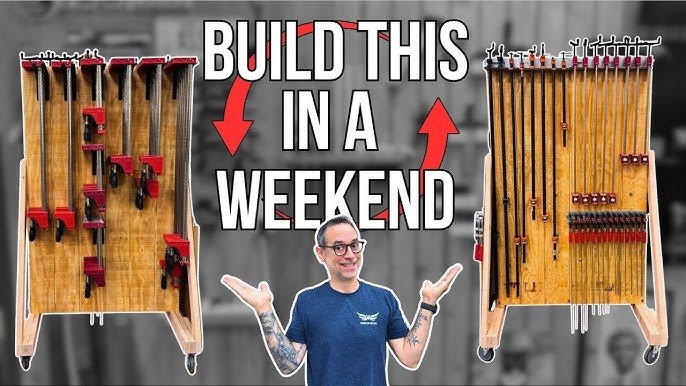
Are you tired of the constant clutter in your workshop or garage? Do you find yourself wasting time searching for that elusive clamp buried under a pile of tools?
If so, you’re not alone. Disorganization can be a major frustration, but there’s a simple and effective solution: pegboards. In this guide, you’ll discover how storing clamps on pegboards can transform your workspace from chaos to order. Imagine walking into your workshop and knowing exactly where each clamp is, ready to grab and use.
This isn’t just about saving time; it’s about creating a space that inspires creativity and productivity. Stick around, and you’ll learn not only how to efficiently store your clamps but also how to maximize the functionality of your entire tool collection. Let’s dive into the clutter-free world of pegboards and take the first step toward a more organized life.

Credit: www.makingmanzanita.com
Choosing The Right Pegboard
Storing clamps on pegboards keeps your workspace neat. Picking the right pegboard helps hold your clamps safely.
Think about the pegboard’s material, size, and how you will mount it. These factors affect its strength and convenience.
Material Options
Pegboards come in different materials like wood, metal, and plastic. Each has benefits for holding clamps.
Wood pegboards are strong and easy to drill. Metal pegboards last long and hold heavy clamps well. Plastic pegboards resist moisture and are light.
- Wood: sturdy, easy to customize
- Metal: durable, supports heavy weight
- Plastic: moisture resistant, lightweight
Size Considerations
Choose pegboard size based on your clamp collection. Bigger boards hold more clamps and save wall space.
Measure the wall area and plan the pegboard size. Leave space to add more clamps later.
- Small boards fit tight spaces
- Large boards hold many clamps
- Consider height and width for easy reach
Mounting Techniques
Mount pegboards securely to hold heavy clamps. Use strong anchors or screws suited for your wall type.
Leave a small gap behind the pegboard for hooks. This gap helps hooks fit easily and hold clamps well.
- Use wall studs for strong support
- Install spacers to create a gap
- Check mounting hardware weight limits

Credit: www.rockler.com
Selecting Pegboard Hooks For Clamps
Storing clamps on pegboards keeps your workspace neat and tools easy to find. Choosing the right hooks helps hold clamps safely.
This guide explains how to select pegboard hooks that fit your clamps well and keep them organized.
Types Of Hooks
Pegboard hooks come in many shapes and sizes. Pick hooks made for the type and size of your clamps.
- Single hooks: Good for small clamps or light tools
- Double hooks: Hold larger clamps securely
- J-hooks: Ideal for clamps with handles or grips
- Specialty hooks: Designed for specific clamp styles like C-clamps or bar clamps
Weight Capacity
Check the weight capacity of hooks before use. Using a hook that holds less weight than your clamp risks damage.
Stronger hooks made of steel or heavy metal hold heavier clamps better than thin wire hooks.
- Light clamps: Use hooks with 5-10 pounds capacity
- Medium clamps: Choose hooks that support 10-20 pounds
- Heavy clamps: Select hooks rated for 20+ pounds
Hook Placement Tips
Place hooks where clamps hang without touching each other. This avoids damage and makes each clamp easy to grab.
Keep heavy clamps lower and lighter clamps higher. Group clamps by type or size for quick access.
- Leave space between hooks to fit clamp widths
- Use multiple hooks for very large clamps
- Place hooks at eye level for frequently used clamps
- Arrange hooks to balance the pegboard load evenly
Organizing Clamps By Size And Type
Keeping clamps organized helps you find the right one fast. Sorting by size and type saves space and time.
Pegboards are great for storing clamps neatly. You can hang clamps by size or type for easy access.
Grouping Similar Clamps
Group clamps that look alike or work the same way. This stops confusion and keeps your workspace tidy.
Put all bar clamps together and all spring clamps in another spot. Keep large clamps separate from small ones.
- Bar clamps
- Spring clamps
- C-clamps
- Pipe clamps
- Quick-release clamps
Labeling For Easy Access
Labels help you find the clamp you need quickly. Use clear labels for each group or size.
Write the clamp type or size on tags or directly on the pegboard. This reduces search time and errors.
- Use large, readable fonts
- Place labels above or below clamp groups
- Use color codes for different clamp types
- Replace worn-out labels regularly
Maximizing Vertical Space
Using pegboards to store clamps saves floor space. Vertical storage keeps your work area neat.
Organizing clamps on a pegboard lets you find them easily. It also protects clamps from damage.
Stacking Small Clamps
Stack small clamps vertically on pegboard hooks. This method saves room and keeps clamps visible.
Use hooks that can hold multiple clamps. Place clamps so they do not block each other.
- Choose strong hooks for weight support
- Group clamps by size for quick access
- Place smaller clamps on top or front
Using Multi-level Hooks
Multi-level hooks increase pegboard storage space vertically. They allow several clamps on one peg.
Arrange clamps from large at the bottom to small at the top. This setup keeps clamps stable and easy to grab.
- Select hooks with different height levels
- Space hooks evenly to avoid crowding
- Label each level for faster clamp selection
Customizing Pegboard Layouts
Organizing clamps on pegboards keeps your workspace tidy. Customizing the layout helps you access tools quickly.
Adjust your pegboard setup to fit different clamp sizes and storage needs. This guide focuses on two ways to customize.
Adjustable Hook Arrangements
Hooks let you hang clamps in many ways. Changing their position helps you use space well and find clamps fast.
- Move hooks up or down to fit clamp height
- Place hooks close for small clamps and wide for large ones
- Group similar clamps together for easy access
- Use double hooks for heavy or large clamps
- Label hook spots to keep the layout consistent
Incorporating Shelves And Bins
Shelves and bins add extra storage for clamps and parts. They work well with hooks to hold items that don’t hang easily.
| Storage Type | Best For | Benefit |
| Shelves | Large clamps and accessories | Holds bulky items securely |
| Bins | Small clamps and clamp pads | Keeps tiny parts organized |
| Combination | Varied clamp sizes | Maximizes pegboard space |
Maintaining And Upgrading Clamp Storage
Keeping clamps organized on pegboards helps save space and time. Proper storage also protects clamps from damage.
Regular care and updates to your clamp storage system keep your workspace neat. This guide covers how to inspect and improve your pegboard setup.
Regular Inspection
Check your clamp storage often to spot any wear or damage. Look for loose hooks or cracked pegboard sections.
Fix problems quickly to prevent clamps from falling or getting hurt. Regular inspection keeps your storage safe and reliable.
- Test hooks for tightness and stability
- Look for rust or dirt on clamps and hooks
- Check pegboard for cracks or holes
- Clean dust and debris from the pegboard surface
Adding New Storage Accessories
Upgrade your clamp storage by adding new hooks and holders. This gives you more space and better clamp organization.
Choose accessories made for your pegboard type. Use specialized holders for different clamp sizes to keep them secure.
- Add heavy-duty hooks for large clamps
- Use small hooks for light or mini clamps
- Install shelves or bins for clamp parts
- Consider magnetic strips for metal clamps

Credit: creatingmaryshome.com
Frequently Asked Questions
How Do I Organize Clamps On A Pegboard?
Organize clamps by size and type for easy access. Use hooks or specialized holders to hang them securely. Group similar clamps together to keep your workspace tidy and efficient.
What Types Of Pegboard Hooks Work Best For Clamps?
Heavy-duty metal hooks or clamp-specific holders work best. They support clamp weight and prevent slipping. Choose hooks that fit your pegboard holes and clamp sizes for maximum stability.
Can Pegboards Hold Heavy-duty Clamps Safely?
Yes, pegboards can hold heavy-duty clamps if sturdy hooks are used. Ensure the pegboard is mounted on a solid wall for added support. Distribute weight evenly to avoid damage or falling clamps.
How To Prevent Clamps From Damaging Pegboard Surfaces?
Use rubber or plastic-coated hooks to protect pegboard surfaces. Avoid overloading hooks to prevent stress on the board. Regularly check and adjust hooks for secure clamp storage.
Conclusion
Storing clamps on pegboards saves space and keeps tools easy to find. You can organize different clamp types clearly and quickly. Pegboards help avoid clutter and protect your clamps from damage. This simple method makes your workspace neat and efficient.
Try arranging clamps by size or use for even better order. A well-organized pegboard boosts your work speed and comfort. Keep your clamps ready and your projects smooth. Pegboards make storage simple and practical.