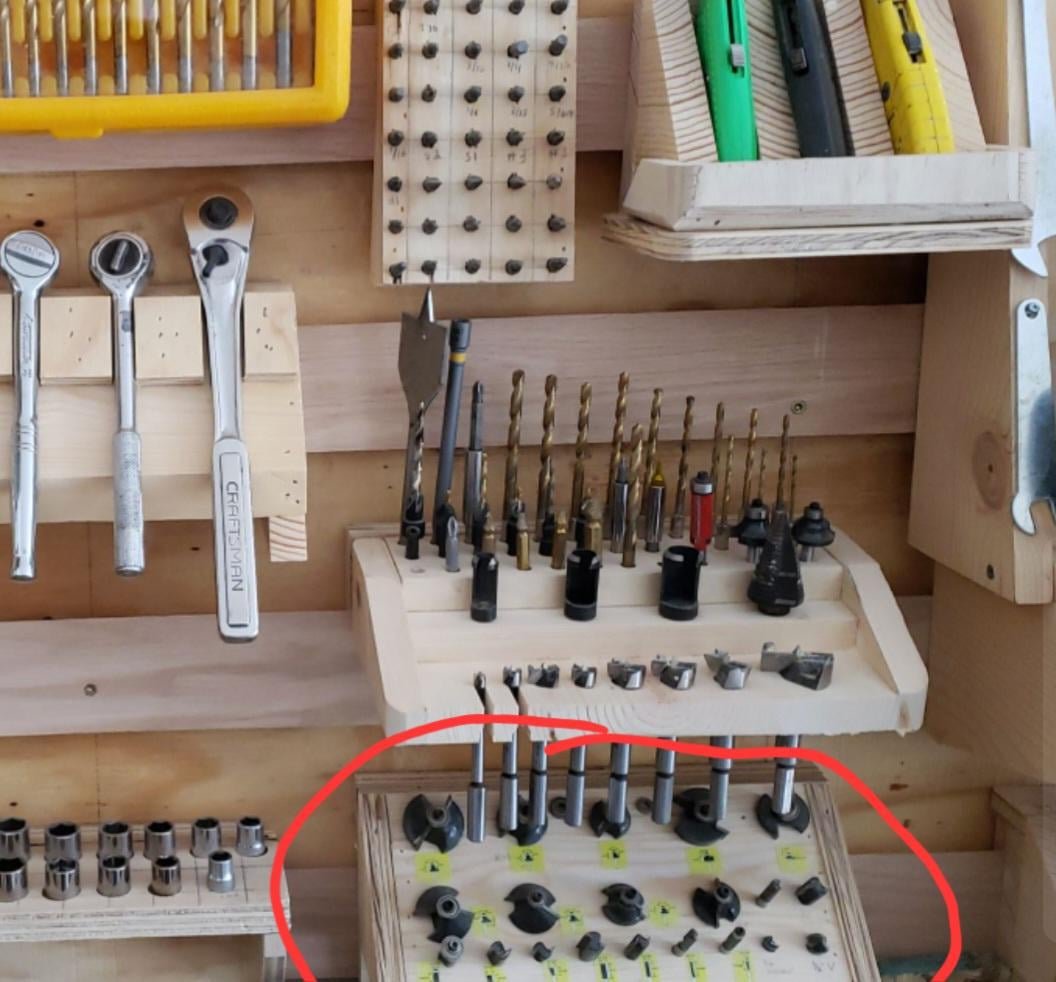
Are you tired of digging through messy toolboxes, only to find your drill bits dull or damaged? How you store your drill bits can make a big difference in keeping them sharp, safe, and ready to use whenever you need them.
In this guide, you’ll discover simple and effective ways to store your drill bits so they last longer and stay organized. Whether you’re a DIY enthusiast or a professional, these tips will save you time, money, and frustration. Keep reading to unlock the secrets to protecting your drill bits and making your work easier every time.

Credit: www.amazon.co.uk
Choosing The Right Storage
Keeping drill bits safe is important for their lifespan. Proper storage stops damage and loss.
Pick storage options that fit your space and tools. This guide shows good choices for drill bits.
Compact Cases And Boxes
Compact cases keep drill bits organized and protected. They are easy to carry and store.
Many cases have slots or holders for each bit. This prevents bits from bumping into each other.
- Protects bits from dust and moisture
- Keeps bits sorted by size and type
- Portable for work on the go
Magnetic Strips And Holders
Magnetic strips hold drill bits in place with strong magnets. They are good for quick access.
These strips can mount on walls or inside toolboxes. Bits stay visible and easy to grab.
- Saves space by using vertical areas
- Keeps bits in plain sight to avoid loss
- Works best for metal bits only
Custom Foam Inserts
Custom foam inserts fit drill bits snugly inside a box or drawer. Foam cushions bits from damage.
Each bit has its own cut-out space. This stops bits from moving or rubbing together.
- Offers excellent protection from impact
- Keeps bits neatly arranged and easy to find
- Can be made to fit any drill bit set
Credit: www.drillbitwarehouse.com
Organizing By Type And Size
Storing drill bits properly keeps them safe and easy to find. Organize them by type and size for quick use.
Good organization saves time and protects your drill bits from damage. Use clear systems to keep everything neat.
Sorting By Drill Bit Material
Drill bits come in different materials like high-speed steel, cobalt, and carbide. Sort bits by material to match their use.
Separate bits to avoid mixing and damage. This helps you pick the right bit for each job quickly.
- High-speed steel bits for wood and metal
- Cobalt bits for hard metals
- Carbide bits for tough materials
Grouping By Diameter
Arrange drill bits by their diameter size. Grouping sizes keeps your collection orderly and easy to scan.
Use holders or trays with size slots. This prevents bits from rolling away or getting lost.
| Diameter (mm) | Common Use |
|---|---|
| 1-3 | Small holes, precision work |
| 4-6 | Medium holes, general tasks |
| 7-10 | Large holes, heavy duty |
Labeling For Quick Access
Label your drill bit storage clearly. Use labels to mark type and size for fast selection.
Labels reduce search time and avoid mistakes. Use a label maker or write with permanent marker.
- Label each slot or container
- Include size and material type
- Use easy-to-read fonts and colors
Protecting Drill Bits From Damage
Drill bits are important tools for many projects. Keeping them safe helps them last longer.
Proper storage stops damage and keeps bits ready to use. Let’s look at how to protect them.
Preventing Rust And Corrosion
Rust can ruin drill bits and make them unsafe. Keep bits dry and clean to stop rust.
Store bits in a dry place. Use containers with moisture absorbers like silica gel packs.
- Wipe bits dry after use
- Use rust-preventive sprays if needed
- Avoid storing bits in damp areas
Avoiding Physical Damage
Drill bits break or bend if they hit hard surfaces. Keep bits separated and secure.
Use a case or organizer that fits each bit. This stops bits from banging into each other.
- Store bits in labeled compartments
- Avoid dropping or throwing bits
- Handle bits gently to prevent chips
Maintaining Sharpness
Sharp bits work better and are safer. Keep bits sharp by storing them properly.
Do not mix bits with other tools. Use a sharpener if bits get dull before storage.
- Store bits in a way that protects edges
- Sharpen bits after heavy use
- Replace bits that are too worn
Storage Environment Tips
Keeping drill bits safe means storing them in the right place. The environment where you store them affects their life and performance.
This guide covers tips on temperature, humidity, safe placement, and portable storage options.
Ideal Temperature And Humidity
Drill bits last longer when stored in a dry place with steady temperature. Avoid areas that get very hot or cold.
High humidity can cause rust and damage metal drill bits. Keep humidity levels low to protect them.
- Store bits between 50°F and 80°F (10°C – 27°C).
- Keep humidity under 50% if possible.
- Use silica gel packs to reduce moisture in storage boxes.
Safe Placement And Accessibility
Place drill bits where they are easy to find and safe from damage. Avoid tossing them loosely in drawers.
Organize bits by size and type. Use holders or cases to keep them steady and prevent loss.
- Use drill bit racks or foam inserts.
- Keep bits away from heavy tools that can cause dents.
- Label storage containers for quick access.
Travel And Portable Storage Solutions
For work on the go, use portable cases made for drill bits. They protect bits during transport.
Choose cases with secure locks and compartments to keep bits from moving around.
- Look for hard-shell cases for extra protection.
- Soft pouches work for light travel but offer less protection.
- Keep bits clean and dry before packing.
Maintenance And Cleaning
Keeping drill bits clean and well-maintained helps them last longer. Dirt and rust reduce their effectiveness.
Regular care ensures safety and better drilling results. This guide covers inspection, cleaning, and repair tips.
Regular Inspection Routines
Look over drill bits before and after use. Check for cracks, rust, or worn tips. Damaged bits can break and cause injury.
- Examine the tip for dullness or chips.
- Look for rust or corrosion on the shaft.
- Check if the bit fits tightly in the drill chuck.
- Replace bits that are bent or cracked.
Cleaning Techniques
Cleaning removes dust, grease, and metal shavings. Proper cleaning prevents rust and keeps bits sharp.
| Cleaning Method | Tools Needed | Purpose |
|---|---|---|
| Brush Off Debris | Wire brush or old toothbrush | Remove dust and metal shavings |
| Soak in Cleaner | Vinegar or commercial rust remover | Remove rust and tough grime |
| Dry Thoroughly | Clean cloth or paper towels | Prevent moisture and rust |
| Apply Oil | Light machine oil | Protect metal from rust |
Sharpening And Repair
Dull bits need sharpening to work well. You can fix minor damage yourself or get professional help.
- Use a bench grinder or sharpening tool for worn edges.
- Wear safety goggles when sharpening bits.
- Check the angle of the tip matches the bit type.
- Replace bits that are badly damaged or too short.

Credit: www.gz-supplies.com
Frequently Asked Questions
How To Store Drill Bits Safely?
Storing drill bits safely involves organizing them in a dedicated case or rack. Ensure they are clean and dry before storing to prevent rust. Keep them in a cool, dry place away from moisture. Labeling each bit can help in quick identification and ensure they are correctly placed back.
Why Is Drill Bit Storage Important?
Proper storage prevents damage and rust, extending the life of your drill bits. It ensures bits remain sharp and ready for use. Organized storage also saves time by making it easier to find the right bit quickly, enhancing work efficiency and accuracy.
What Are The Best Storage Solutions For Drill Bits?
Consider using a drill bit case, magnetic strip, or wall-mounted rack. Cases with individual slots protect bits from damage and keep them organized. Magnetic strips offer easy access and visibility. Wall-mounted racks save space and accommodate various bit sizes, making them a versatile choice.
Can Improper Storage Damage Drill Bits?
Yes, improper storage can lead to rust, dulling, and breakage. Bits left in damp or cluttered environments are prone to corrosion. This reduces their effectiveness and lifespan. Proper storage keeps bits in optimal condition, ensuring they deliver precise and efficient performance.
Conclusion
Safe storage keeps drill bits sharp and ready to use. Organize bits by size and type for easy access. Use cases or holders to prevent damage and loss. Keep bits dry to avoid rust and wear. Regularly check and clean your drill bits for best results.
Simple habits protect your tools and save money. Store them well, and they will last longer. Small effort, big difference.