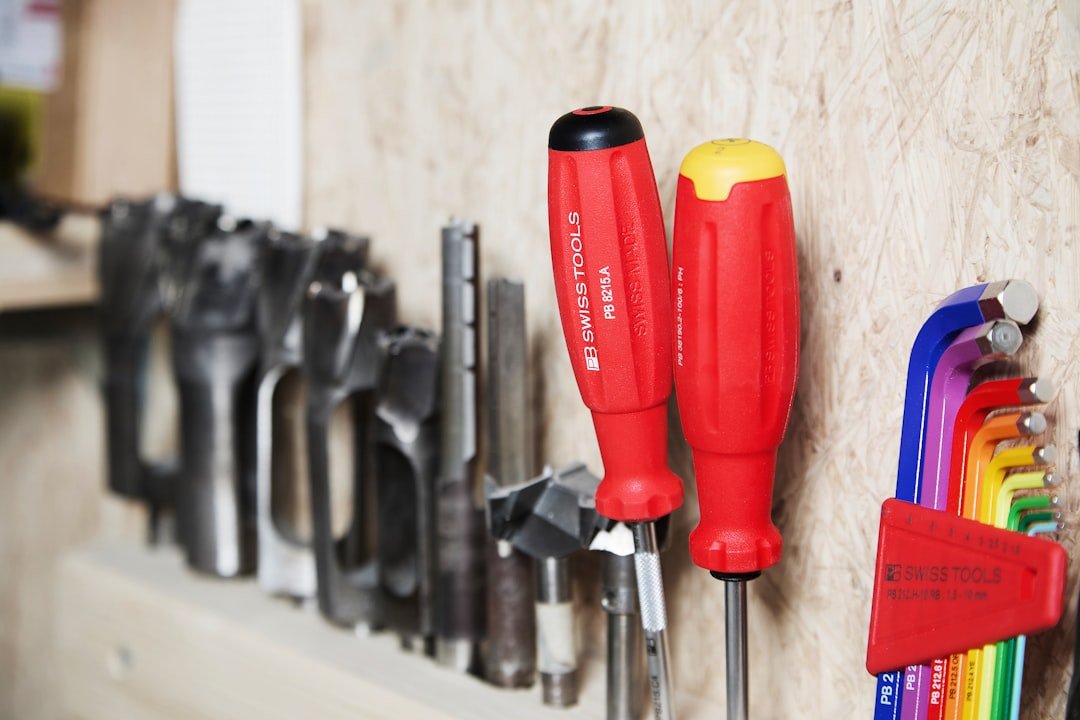
Are you tired of the clutter in your workshop or garage? Imagine opening the door to a neatly organized space where every tool has its place.
Your drill drivers, essential for any DIY enthusiast or professional, deserve more than just being tossed in a drawer or left on a bench. Storing them properly not only extends their lifespan but also enhances your efficiency. In this guide, you’ll discover how to store drill drivers on shelves effectively, maximizing both space and accessibility.
Let’s transform your workspace into a beacon of order and productivity, ensuring that your tools are always ready when inspiration strikes. Curious about how to achieve this? Keep reading to uncover the secrets of optimal tool storage.
Choosing The Right Shelves
Storing drill drivers properly keeps your workspace neat. Good shelves help protect tools and save space.
Picking the right shelves depends on material, size, and style. These choices affect durability and ease of use.
Material Options For Durability
Shelves come in wood, metal, and plastic. Each material offers different strength and lifespan.
Metal shelves hold heavy tools well and last long. Wood shelves look nice but may wear out faster. Plastic shelves resist moisture but may break under weight.
- Metal: strong, durable, good for heavy tools
- Wood: sturdy, attractive, can warp with moisture
- Plastic: lightweight, moisture-resistant, less strong
Size And Weight Considerations
Choose shelves that fit your drill drivers and other tools. Avoid shelves that are too small or too big for your space.
Check the weight capacity of shelves before buying. Drill drivers can be heavy, so shelves must support their weight safely.
- Measure the drill drivers and tool sizes
- Check shelf weight limits before use
- Allow extra space for easy access and air flow
Adjustable Vs Fixed Shelving
Fixed shelves have set heights and do not move. Adjustable shelves let you change the height as needed.
Adjustable shelves work well if your tool sizes change. Fixed shelves are more stable for heavy drill drivers.
- Adjustable shelves offer flexibility for different tools
- Fixed shelves provide strong support and stability
- Choose based on your tool variety and storage needs
Preparing Shelves For Drill Drivers
Properly preparing shelves helps keep drill drivers safe and easy to find. Organizing the space makes your work area neat.
Start by cleaning and arranging the shelf area. Then add hooks or holders for better storage. Use foam inserts to protect your tools.
Cleaning And Organizing The Space
Clear off the shelves before storing drill drivers. Remove dust, dirt, and old items to create a clean surface.
Sort items by size and use. Group drill drivers with similar sizes or brands to save space and time.
- Take everything off the shelves
- Wipe shelves with a damp cloth
- Throw away broken or unused tools
- Sort drill drivers by size or type
- Plan space for each item
Installing Hooks And Holders
Hooks and holders keep drill drivers in place and easy to grab. Install them on shelves or walls near your workspace.
Choose sturdy hooks that fit the drill driver handles. Use holders with slots or clips for secure storage.
- Use metal or heavy-duty plastic hooks
- Space hooks evenly for each drill driver
- Install holders that match drill driver sizes
- Fix hooks and holders firmly to avoid falling
Using Foam Inserts For Protection
Foam inserts cushion drill drivers and prevent scratches. Cut foam to fit shelf space and drill driver shapes.
Foam also stops drill drivers from moving during storage. Choose firm foam for better protection and durability.
- Measure shelf space before cutting foam
- Cut foam to fit drill driver shapes
- Place foam inserts on shelves
- Put drill drivers on foam to avoid scratches
Space-saving Storage Techniques
Drill drivers take up space in workshops or garages. Organizing them well saves room and makes work easier.
This guide explains simple ways to store drill drivers on shelves. It covers placement, stacking, and labeling ideas.
Vertical Vs Horizontal Placement
Placing drill drivers vertically saves shelf depth. Horizontal placement uses width but can hold more tools side by side.
- Vertical placement fits tall shelves well.
- Horizontal placement keeps tools easy to grab.
- Vertical holds less dust on the tool body.
- Horizontal placement may stack better with other items.
Stacking With Safety
Stacking drill drivers saves space but needs care. Secure the stack to avoid falls or damage.
| Stacking Method | Safety Tip |
| Single stack | Place heavy tools at bottom |
| Layered stack | Use dividers between layers |
| Crate stacking | Secure crates to shelf edges |
| Wall-mounted stack | Check mounts for weight support |
Labeling For Easy Access
Labeling shelves or containers helps find drill drivers fast. Use clear tags or color codes to show tool types or sizes.
- Use waterproof labels for durability.
- Group tools by brand or function.
- Place labels at eye level for quick sight.
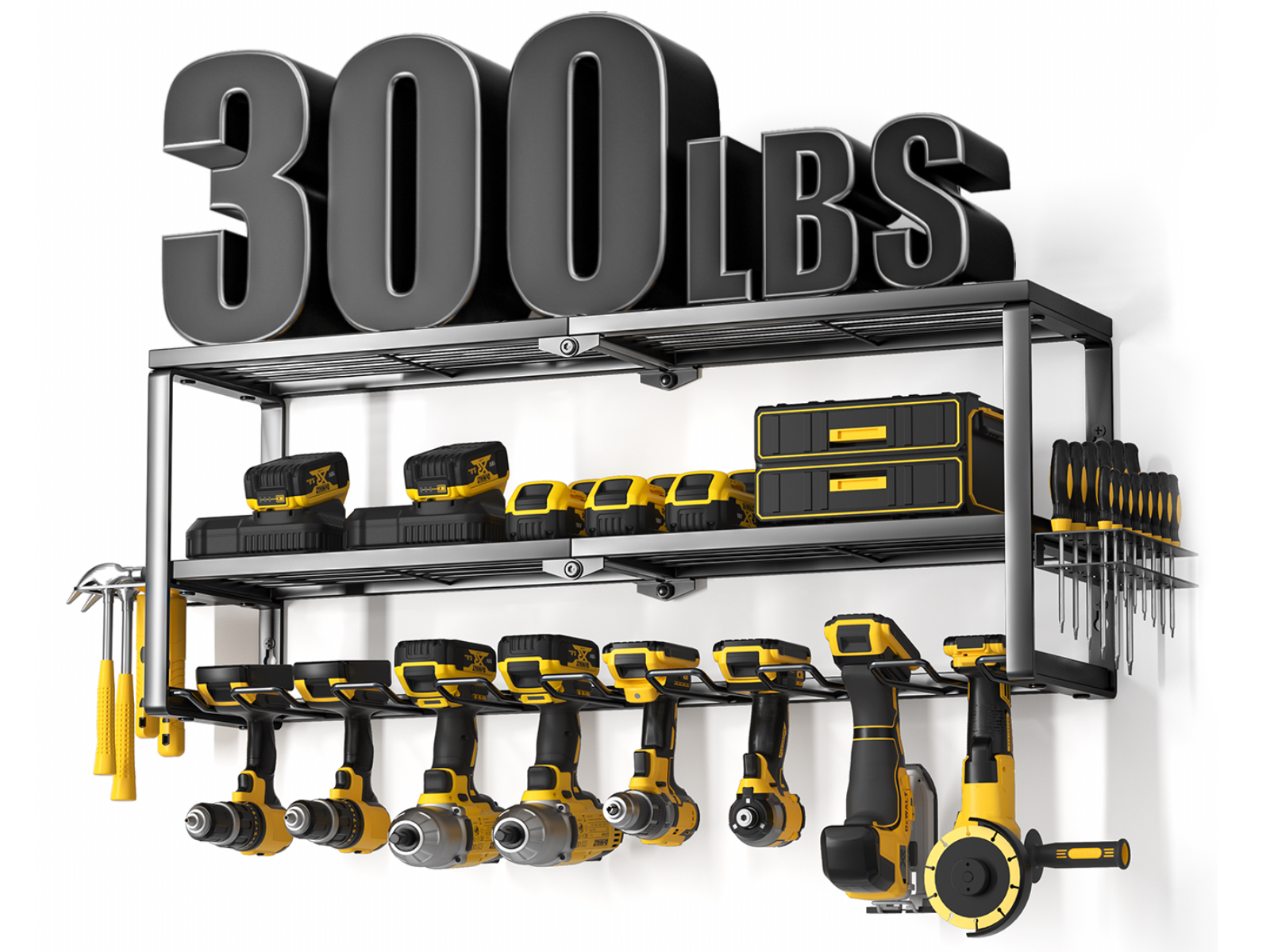
Credit: www.amazon.ca
Customizing Storage Solutions
Storing drill drivers on shelves keeps your workspace tidy. Custom storage fits your tools perfectly. You save time and protect your drills.
Simple changes to shelves help organize better. You can make your shelves work harder with small upgrades. This guide shows easy ideas to customize your storage.
Diy Shelf Modifications
You can change shelves to hold drill drivers safely. Add dividers to keep each drill in place. This stops drills from falling or bumping.
Cut foam inserts to fit each drill. Foam softens the hold and stops scratches. Label each spot to find drills fast.
- Attach wooden dividers vertically
- Use foam padding inside sections
- Label each drill slot clearly
- Make shelves adjustable for different drill sizes
Magnetic Strips And Pegboards
Magnetic strips hold metal drill drivers on the wall. They save shelf space and keep tools visible. Use strong magnets for heavy drills.
Pegboards let you hang drills with hooks. You can move hooks to fit different tools. Pegboards keep your workspace neat and tools easy to grab.
- Install magnetic strips at easy reach
- Choose pegboard hooks sized for drill handles
- Group drills by size or use
- Use both magnetic strips and pegboards for variety
Incorporating Charging Stations
Add charging spots on your shelves for cordless drills. This keeps batteries ready and tools organized. Use shelves with built-in power outlets or add power strips.
Designate one area for charging. Secure chargers so cords do not tangle. Label chargers for each drill to avoid mix-ups.
- Choose shelves with power outlets or add power strips
- Keep chargers stable and cords neat
- Mark charging spots for each drill
- Check battery status before storing drills
Maintaining Drill Driver Storage
Keeping drill drivers organized on shelves helps protect tools and saves space. Proper storage prevents damage and keeps everything easy to find.
Regular care of your storage area makes sure your drill drivers last longer. Follow simple steps to maintain cleanliness and order.
Regular Cleaning And Inspection
Clean your drill drivers and shelves often to remove dust and dirt. Dirt can cause wear and reduce tool life.
Check your drill drivers for damage during cleaning. Look for cracks, loose parts, and worn batteries.
- Wipe drill drivers with a dry cloth
- Use a soft brush to clean tight spots
- Inspect for broken or loose parts
- Replace damaged bits or accessories
- Clean shelves to avoid dust build-up
Battery Storage Tips
Store batteries separately from drill drivers to keep them safe. Batteries last longer when kept in cool, dry places.
Charge batteries before storing and avoid full discharge. Keep battery contacts clean to ensure good connection.
- Keep batteries at room temperature
- Store in a dry spot away from heat
- Charge batteries to about 50% before storage
- Remove batteries from drill drivers if not used
- Check battery contacts for dirt or corrosion
Updating Storage As Collection Grows
Add more shelves or storage bins when your drill driver collection grows. Organizing tools by size or type makes finding them easier.
Rearrange your storage space to keep it neat. Label shelves or bins to quickly spot the right tool.
- Use stackable bins to save space
- Group drill drivers by brand or size
- Label each shelf or storage container
- Remove broken or unused tools regularly
- Keep a small area for new or temporary tools

Credit: www.amazon.ca

Credit: todenind.com
Frequently Asked Questions
How To Organize Drill Drivers On Shelves Effectively?
Organize drill drivers by size and type for easy access. Use labeled bins or dividers to separate bits and accessories. Ensure the shelf is sturdy and at a convenient height to prevent damage and improve workflow.
What Shelf Materials Are Best For Storing Drill Drivers?
Metal and hardwood shelves offer durability and strength. They support heavy drill drivers without bending or warping. Choose materials resistant to moisture and wear for long-term protection and stability.
How To Prevent Drill Drivers From Falling Off Shelves?
Use edge guards or lips on shelves to keep drill drivers secure. Magnetic strips or custom holders can also help. Proper spacing and organization reduce the risk of tools slipping or falling.
Can Drill Drivers Be Stored With Batteries On Shelves?
Yes, but store batteries separately in a cool, dry place. Keep batteries away from metal shelves to avoid short circuits. Proper storage extends battery life and ensures safety.
Conclusion
Properly storing drill drivers keeps your workspace neat and safe. Shelves help you find tools quickly and prevent damage. Organize by size or type for easy access. Regularly check your storage to keep tools in good shape. A tidy shelf saves time and protects your drills.
Simple storage ideas make your work smoother every day. Keep your drill drivers ready for any project.