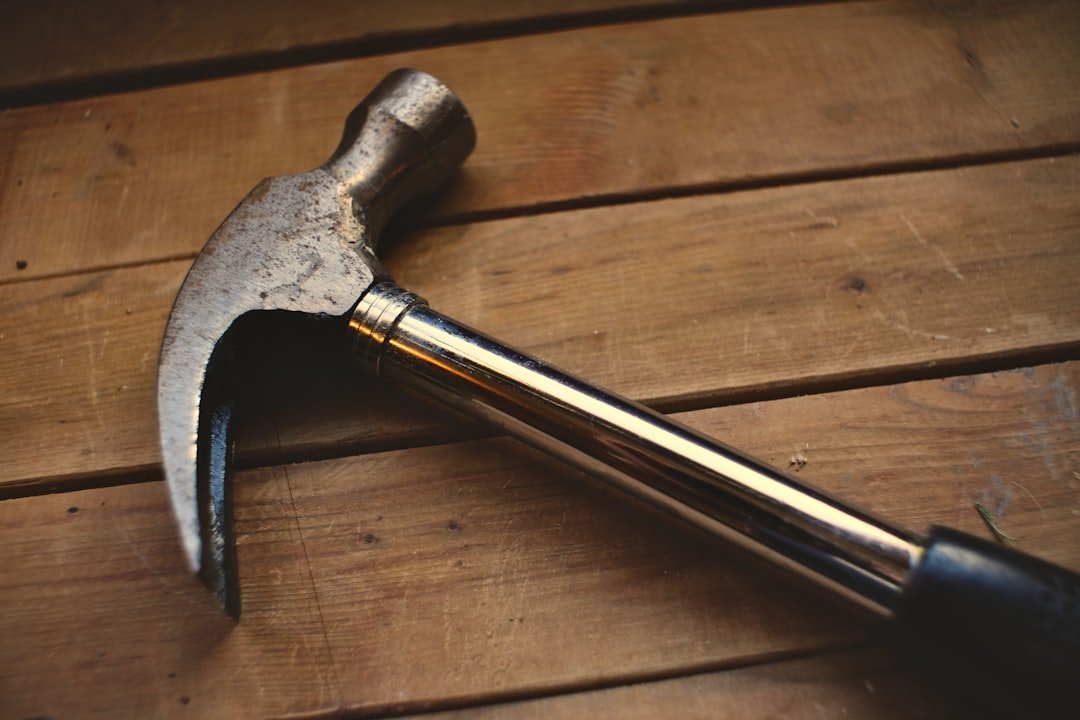
Are you tired of digging through cluttered drawers or risking injuries when reaching for your hammer? Storing hammers safely isn’t just about keeping your tools neat—it’s about protecting yourself and your workspace.
In this guide, you’ll discover simple, practical tips that make organizing your hammers easy and safe. Keep reading to learn how a few smart changes can save you time, prevent accidents, and extend the life of your tools. Your hands and your home will thank you.
Choosing The Right Storage Spot
Keeping your hammers safe means picking a good place to store them. The right spot helps you find your tools fast and keeps them in good shape. This guide shows how to choose the best storage place.
Think about where you keep your hammers before you store them. This helps protect your tools and saves time during your work.
Consider Accessibility
Pick a place that is easy to reach. You do not want to climb or move many things to get your hammer. Keep your hammers near the work area or where you store other tools.
- Choose a spot at waist height for easy grabbing
- Keep hammers away from heavy traffic paths to avoid accidents
- Use wall hooks or magnetic strips for quick access
- Store hammers in a toolbox if you need to carry them around
Avoid Damp Areas
Hammers can rust if left in damp places. Avoid basements or outdoor sheds without good ventilation. Moisture damages the metal and makes the hammer unsafe to use.
| Storage Area | Risk Level | Notes |
| Garage corner | High | Often damp and poorly ventilated |
| Indoor tool rack | Low | Dry and easy to access |
| Outdoor shed | High | Exposure to rain and humidity |
| Workshop wall hooks | Low | Well-ventilated and dry |
Designate A Specific Place
Always keep your hammers in the same place. This habit saves time and keeps your workspace tidy. A set spot helps you notice if a hammer is missing or broken.
Try this setup for your hammer storage:
- Use a labeled hook or shelf just for hammers.
- Keep the spot clean and free from clutter.
- Check the area regularly for damage or rust.

Credit: jcblhandtools.com
Using Proper Storage Solutions
Storing hammers safely helps protect both the tool and the user. Proper storage keeps hammers organized and easy to find.
Using the right storage solutions prevents accidents and extends the life of your hammers. Choose storage that fits your space and needs.
Toolboxes And Cabinets
Toolboxes and cabinets keep hammers safe and dust-free. They protect tools from damage and prevent them from falling out.
Choose a toolbox or cabinet with compartments to separate different tools. This makes it easier to find the hammer you need quickly.
Wall-mounted Racks
Wall-mounted racks save floor space and keep hammers visible. Hanging hammers on racks stops clutter and prevents damage.
Install racks at a comfortable height to reach hammers easily. Use racks with hooks or slots designed for hammer handles.
- Keep hammers off the workbench
- Organize by hammer size or type
- Make sure racks are securely fixed to the wall
Magnetic Strips
Magnetic strips hold hammers firmly on the wall. They allow quick access and keep tools from falling.
Use strong magnets to hold heavier hammers. Place the strip where it is easy to see and reach the tools.
Organizing Hammers Effectively
Keeping your hammers organized helps you find the right tool quickly. It also keeps your workspace safe and tidy.
Good organization protects your tools and makes your work easier. Use simple ways to store hammers properly.
Sort By Type And Size
Group hammers by their type and size. This makes it easy to pick the right hammer for the job.
Different hammers serve different purposes. Sorting helps you avoid damage and confusion.
- Claw hammers in one section
- Ball-peen hammers in another
- Separate large and small hammers
- Store specialty hammers apart
Label Storage Areas
Use clear labels on storage spots. Labels help you put hammers back quickly and keep order.
Label by hammer type and size. This keeps your workspace neat and saves time.
- Use tags or stickers
- Place labels at eye level
- Update labels if you add new hammers
Keep Handles Protected
Protect hammer handles from damage by storing them carefully. Handles last longer when they stay safe.
Avoid stacking hammers. Use racks or holders that keep handles from rubbing or breaking.
- Use foam or rubber grips on racks
- Hang hammers by the handle
- Keep handles dry and clean
Credit: www.einhell.ro
Maintaining Hammer Safety
Hammers are common tools used in many tasks. Storing them safely helps avoid accidents and keeps them in good shape.
Regular care and checks ensure hammers work well and last longer. Follow simple steps to keep your hammer safe.
Regular Inspections
Check your hammer often for any damage. Look for loose heads, cracks, or worn handles. Early detection prevents injuries and tool failure.
- Examine the hammerhead for chips or cracks
- Ensure the head is tight and does not wobble
- Inspect the handle for splits or wear
- Look for rust or corrosion on metal parts
Cleaning And Oiling
Keep your hammer clean to avoid rust and dirt buildup. Oil the metal parts to protect against corrosion and make the tool last longer.
Follow these simple cleaning steps:
- Wipe off dirt with a dry cloth after use.
- Use a wire brush for tough rust spots.
- Apply a light coat of machine oil on the metal head.
- Store the hammer in a dry place to avoid moisture.
Replacing Damaged Handles
Handles can wear out or crack over time. Replace damaged handles to keep the hammer safe to use and avoid accidents.
| Damage Type | Risk | Action |
| Cracks or Splits | Handle may break during use | Replace handle immediately |
| Loose Handle | Hammerhead may fly off | Tighten or replace handle |
| Rot or Decay | Weakens handle strength | Replace with new handle |
Preventing Accidents And Injuries
Hammers are common tools but can cause harm if not stored properly. Safe storage helps avoid accidents and injuries at home or work.
Keeping hammers in the right place protects everyone around. This guide shows how to store them safely.
Secure Storage During Transport
When moving hammers, secure them to stop them from falling or hitting someone. Loose tools in vehicles can cause damage or injury.
Use toolboxes or holders with padding to keep hammers in place. Avoid carrying them in open bags or loose piles.
- Place hammers in a sturdy toolbox
- Use foam or cloth to cushion the tool
- Keep sharp ends covered or away from other items
- Check that the toolbox is closed tightly
Educate Family And Workers
Teach everyone who uses or lives around hammers about safe handling and storage. Awareness reduces accidents.
Show children that hammers are tools, not toys. Explain why they must be kept in safe places after use.
- Explain the risks of improper hammer use
- Demonstrate how to store hammers properly
- Set rules for who can use the hammer
- Remind workers to check storage after each job
Use Safety Covers
Safety covers protect the hammer head and the user. They stop injuries from accidental contact with the metal parts.
Use plastic or rubber covers that fit tightly on the hammer head. Replace covers if they become damaged or loose.
- Choose covers made for your hammer size
- Check covers regularly for wear and tear
- Keep covers on when the hammer is not in use
- Do not use damaged or broken covers

Credit: www.thisoldhouse.com
Frequently Asked Questions
How Do I Store Hammers Safely At Home?
Store hammers in a secure toolbox or on a wall-mounted rack. Keep them dry to prevent rust. Ensure handles face the same direction to avoid injury.
What Is The Best Material For Hammer Storage?
Wood and metal racks are ideal for hammer storage. They provide sturdy support and easy access. Plastic holders are less durable but useful for light hammers.
Can Hanging Hammers Improve Safety?
Yes, hanging hammers reduces clutter and prevents accidental drops. Use hooks or pegboards to keep them organized and visible. This method also protects hammer heads from damage.
How Should I Maintain Hammers During Storage?
Clean hammers after use to remove dirt and moisture. Apply light oil on metal parts to prevent rust. Inspect handles regularly for cracks or splinters.
Conclusion
Safe hammer storage keeps your tools in good shape. It protects people from accidents. Use hooks, racks, or toolboxes to organize hammers. Keep them dry to stop rust. Check your storage area often for hazards. Good habits save time and money later.
Stay safe and keep your workspace neat. Simple steps make a big difference every day.