Are you tired of dealing with dull, damaged hand saws every time you reach for one? How you store your hand saws can make a huge difference in keeping them sharp, safe, and ready to use.
Storing them vertically is a simple trick that can save you time, money, and frustration. In this guide, you’ll discover the best ways to store your hand saws vertically, protect their blades, and make your workspace more organized. Keep reading—you’ll learn easy tips that will change how you care for your tools forever.

Credit: www.pantorouter.com
Benefits Of Vertical Storage
Storing hand saws vertically keeps your workspace tidy. It also protects the tools and makes them easy to find.
This guide explains why vertical storage is a smart way to keep your hand saws safe and ready to use.
Space Efficiency
Vertical storage uses less floor and shelf space. It allows you to store more saws in a small area.
By standing saws up, you can fit them close together without overlapping. This keeps your work area clear.
- Maximizes wall or corner space
- Keeps saws organized and easy to access
- Reduces clutter on workbenches and shelves
Enhanced Safety
Storing saws vertically lowers the risk of accidents. Sharp blades stay away from hands and other tools.
Vertical racks prevent saws from falling or being knocked over. This protects both you and your tools.
- Reduces chance of cuts or injuries
- Keeps blades covered and upright
- Prevents saws from sliding or falling
Tool Longevity
Vertical storage helps keep saw blades sharp and rust-free. It stops moisture buildup and damage to teeth.
Proper storage reduces wear and tear. Saw handles stay strong and free from cracks or breaks.
- Protects blades from dulling and rust
- Prevents warping or bending of saws
- Extends overall life of your hand saws
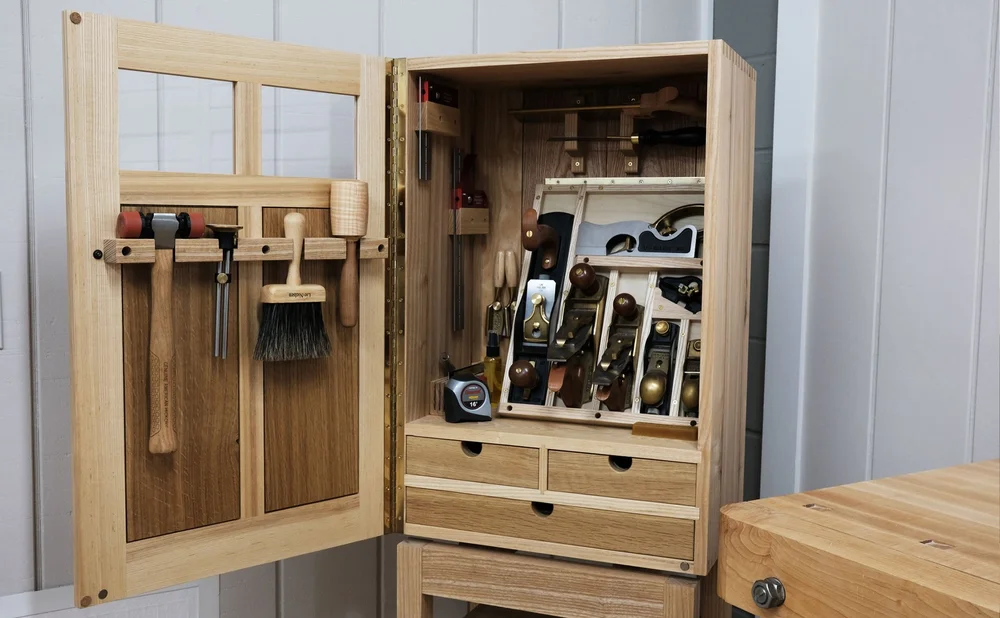
Credit: www.pantorouter.com
Choosing The Right Storage Spot
Storing hand saws vertically saves space and keeps blades safe. Picking the right spot helps protect your tools and makes them easy to use.
Think about where you will store the saws before hanging them up. The spot should be handy and protect the saws from damage.
Accessibility Considerations
Choose a place where you can reach your hand saws quickly. Avoid spots that are too high or blocked by other items.
Keep saws near your main work area to save time. Make sure each saw can be taken out without moving many things.
- Store saws at eye level or lower for easy reach
- Keep the area clear of clutter
- Use a rack or hooks that hold saws securely
Avoiding Moisture And Dust
Moisture can rust your hand saws and dust can dull the blades. Pick a dry place with good air flow to protect your tools.
Avoid spots near sinks, windows, or heaters where moisture or dust build-up is common. Cover saws if needed to keep dust off.
- Store saws away from water sources
- Choose a dry, well-ventilated area
- Use covers or cases to protect from dust
Lighting And Visibility
Good lighting helps you find the right saw fast. Pick a spot with enough light to see the saw teeth and handles clearly.
Natural light is best, but a bright lamp works well too. Avoid dark corners that hide your tools and cause accidents.
- Store saws where light shines directly
- Use task lights if the area is dim
- Label saws or use clear holders for visibility
Types Of Vertical Storage Solutions
Storing hand saws vertically keeps them organized and safe. It helps save space and prevents damage to the blades.
There are several ways to store hand saws vertically. Each method offers different benefits depending on your space and needs.
Wall-mounted Racks
Wall-mounted racks hold hand saws firmly on the wall. They keep the saws visible and easy to grab. These racks come in many styles and sizes.
- Made of wood, metal, or plastic
- Can hold multiple saws at once
- Easy to install with screws or hooks
- Helps keep your workspace tidy
Magnetic Strips
Magnetic strips use strong magnets to hold metal saw blades. They mount on walls and keep saws in place without tools or racks.
| Advantages | Considerations |
|---|---|
| Easy to use and access saws | May not hold saws with non-metal parts |
| Saves wall space | Magnets must be strong enough to support weight |
| Simple to install | Not ideal for all saw types |
Custom Shelving
Custom shelving fits your specific saw sizes and shapes. It offers tailored storage and protection for your tools.
- Can include slots or dividers for each saw
- Made to fit your workspace exactly
- Protects saws from scratches and knocks
- May require woodworking skills or help
Preparing Hand Saws For Storage
Storing hand saws properly keeps them sharp and safe. Preparing them before storage prevents rust and damage.
Follow simple steps to clean, protect, and maintain your saws. This helps them last longer and work better.
Cleaning And Drying
Remove dirt and sap from the blade after use. Use a soft brush or cloth to clean the teeth gently.
- Wipe the blade with a dry cloth to remove moisture.
- Use mineral spirits for sticky residue.
- Dry the saw completely before storing.
Blade Protection
Protect the saw blade to stop rust and damage during storage. Use covers or coatings to keep the blade safe.
| Method | Details |
| Blade Guard | Use plastic or leather guards to cover teeth and blade edges. |
| Oil Coating | Apply light machine oil to the blade to prevent rust. |
| Wax Layer | Rub a thin layer of paste wax for extra protection. |
Handle Maintenance
Keep the handle strong and comfortable. Check for cracks and clean dirt regularly.
- Wipe the handle with a damp cloth.
- Apply linseed oil to wooden handles to prevent drying.
- Tighten loose screws or replace damaged parts.
Installation Tips For Vertical Racks
Storing hand saws vertically saves space and keeps tools easy to find. Proper installation of vertical racks is important for safety and organization.
Follow these tips to install vertical racks correctly. This will protect your saws and your workspace.
Secure Mounting Techniques
Mount racks on a strong wall to hold the weight of saws. Use screws and anchors made for your wall type.
Check that the rack does not wobble. Tighten screws and use a level to keep it straight.
- Find wall studs for strong support
- Use heavy-duty wall anchors if no studs
- Use a drill for precise screw holes
- Check rack level before final tightening
Spacing For Different Saw Sizes
Allow enough space between saws to prevent damage. Different saw sizes need different amounts of room.
Plan the spacing before mounting the rack. This keeps saws easy to grab and return.
| Saw Size | Recommended Spacing |
|---|---|
| Small (10-12 inches) | 3-4 inches |
| Medium (13-18 inches) | 5-6 inches |
| Large (19+ inches) | 7-8 inches |
Safety Precautions
Keep saw blades away from easy contact to avoid cuts. Store saws with teeth facing away from the user.
Check rack stability regularly. Fix loose mounts and replace damaged parts to keep the area safe.
- Wear gloves when handling saws
- Keep saws out of reach of children
- Label rack sections for safe placement
- Inspect racks monthly for damage
Maintaining Stored Hand Saws
Keeping your hand saws in good shape helps them last longer. Proper maintenance stops damage while the saws are stored.
Simple care steps prevent rust, dullness, and broken parts. Follow these tips to keep your saws ready for use.
Regular Inspection
Check your hand saws often. Look at the blade and handle for damage. Catch problems early to fix them fast.
- Look for cracks or chips on the blade
- Check if the handle is loose or cracked
- Make sure the teeth are not bent or broken
- Clean off dirt and old grease
Rust Prevention
Rust can ruin your saw blades. Keep rust away with simple steps. Store saws in dry places and protect metal parts.
| Rust Prevention Tips | Details |
| Oil the blade | Apply light machine oil after cleaning |
| Use silica gel packs | Place packs in storage to absorb moisture |
| Store in dry area | Avoid damp basements or sheds |
| Cover blades | Use blade guards or cloth covers |
Sharpening Schedule
Keep saw teeth sharp for clean cuts. Set a sharpening schedule based on use. Sharpen saws more often if used daily.
- Check blade sharpness before use
- Sharpen teeth if cuts feel rough or slow
- Use a proper saw file to sharpen each tooth
- Clean and oil blade after sharpening
- Record sharpening dates to track maintenance
Common Mistakes To Avoid
Storing hand saws vertically helps keep them safe and sharp. Many people make mistakes that can damage the saws or cause accidents.
Learn about common errors to avoid when storing your hand saws upright. This will keep your tools in good shape and your workspace safe.
Overcrowding Racks
Packing too many saws on one rack can cause damage. Saw blades may bend or get scratched when they touch each other.
Overcrowding also makes it hard to take out or put back saws safely. You might accidentally cut yourself or drop a saw.
- Leave space between saws to avoid blade damage
- Use racks with enough slots for each saw
- Store saws separately by size or type
Ignoring Safety Measures
Not using safety gear when handling saws can cause injuries. Always handle saws with care to avoid cuts or accidents.
Also, make sure saws are stored out of reach of children. Keep sharp tools in locked or secure areas.
- Wear gloves when placing saws on racks
- Keep saw teeth covered with guards or sheaths
- Store saws in locked cabinets if children are nearby
Storing In Damp Areas
Keeping saws in wet or humid places causes rust on the blades. Rust weakens the saw and makes cutting harder.
Always choose a dry, well-ventilated place for storage. Use moisture absorbers or covers to protect your saws.
- Avoid basements or outdoor sheds with poor ventilation
- Use silica gel packs or dehumidifiers nearby
- Wipe saws dry before storing if they get wet

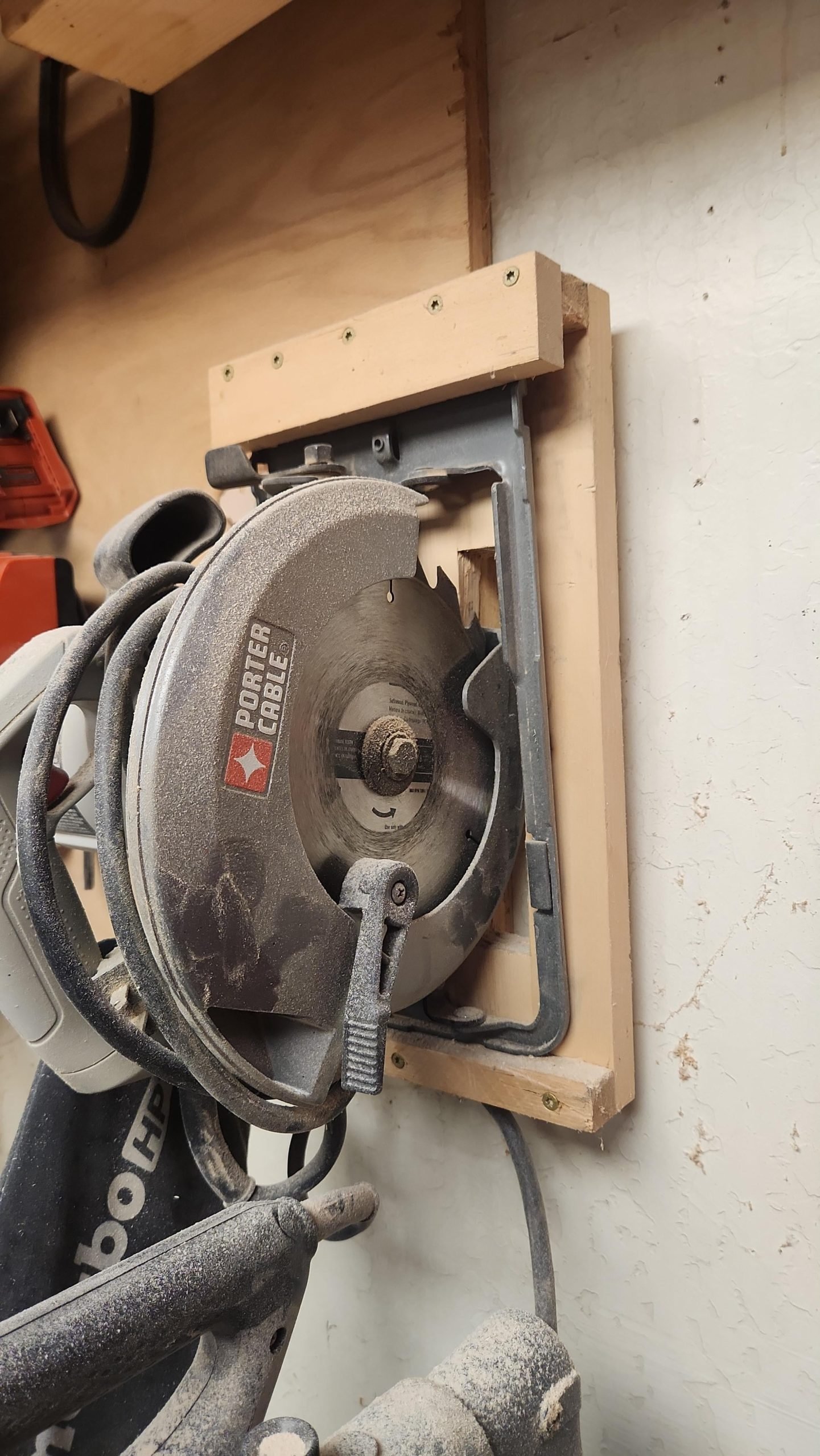
Credit: www.reddit.com
Frequently Asked Questions
Why Store Hand Saws Vertically?
Storing hand saws vertically maximizes space and reduces clutter. It also helps in preventing blade damage and keeps the saws easily accessible. This method minimizes the risk of accidents, ensuring safer tool handling. Vertical storage also promotes better organization, making it easier to find and retrieve your tools.
How Do I Properly Hang A Hand Saw?
Use wall-mounted hooks or brackets to secure the hand saw. Ensure the hooks are sturdy and the saw is stable. Position the hooks at a comfortable height for easy access. Ensure the blade faces away from you to prevent injury.
Regularly check the stability of the hooks and adjust if necessary.
Can Vertical Storage Prevent Rust On Saws?
Yes, vertical storage can help prevent rust. It allows air to circulate around the saw, reducing moisture buildup. Ensure the storage area is dry and well-ventilated. Regularly clean and oil the blades to maintain their condition. Vertical storage keeps the saws dry, reducing the likelihood of rust.
What Is The Best Location For Vertical Storage?
Choose a cool, dry area away from direct sunlight and moisture. A garage or workshop wall is ideal for vertical storage. Ensure the space has adequate ventilation to prevent rust. Keep the area organized and clutter-free for easy access. Secure the saws at a comfortable height to enhance safety.
Conclusion
Storing hand saws vertically saves space and keeps blades safe. It helps prevent damage and rust over time. This method makes your tools easy to find and use. Try using hooks or racks designed for vertical storage. Keep your workspace neat and your saws ready for work.
Small steps like these protect your tools and make projects smoother. Store your hand saws right to keep them sharp and lasting longer. Simple habits lead to better tool care every day.