Are your hand tools scattered all over your workspace? Do you often waste precious time searching for the right tool?
You’re not alone. Many of us struggle with keeping our hand tools organized and easily accessible. But imagine opening a drawer and finding exactly what you need, right where you expect it to be. Sounds like a dream, right? This guide to storing hand tools in drawers is here to turn that dream into reality.
We’ll explore practical tips and clever hacks that can transform your tool chaos into a tidy and efficient setup. Ready to revolutionize your workspace? Dive in and discover how a little organization can save you time, reduce frustration, and even enhance your productivity.
Choosing The Right Drawer
Storing hand tools neatly helps you find them quickly. Picking the right drawer is key to organizing your tools well.
Consider size, material, and how easy it is to reach your tools. These factors affect your drawer choice.
Drawer Size And Depth
Select a drawer large enough to fit your biggest tools. Depth matters for storing tools flat or standing.
Shallow drawers are good for small tools. Deep drawers hold larger or bulkier tools better.
- Measure your largest tool before choosing
- Deep drawers fit power tools and cases
- Shallow drawers keep small hand tools visible
Material And Durability
Drawers should be strong to hold heavy tools. Choose materials that last and resist damage.
Metal drawers are sturdy and resist wear. Wood drawers look nice but may dent or scratch easier.
- Metal resists heavy weight and rough use
- Wood offers good support but can wear faster
- Plastic is light but may not hold heavy tools
Accessibility Considerations
Choose drawers that open smoothly and fully. Easy access saves time and keeps tools organized.
Drawers with dividers or trays help separate tools. Consider soft-close or lock features for safety.
- Full-extension slides let you see all tools
- Dividers prevent tools from mixing
- Locks keep tools safe and secure

Credit: www.lemonthistle.com
Organizing Tools By Type
Storing hand tools neatly helps you find them fast. Organizing by type keeps your drawers tidy.
Grouping tools makes your workspace safer and more efficient. It saves time during projects.
Grouping Similar Tools
Put the same kinds of tools together in your drawers. This keeps everything in order and easy to find.
For example, place all screwdrivers in one section and pliers in another. Keep wrenches grouped by size.
- Screwdrivers
- Pliers
- Wrenches
- Hammers
- Measuring tools
Prioritizing Frequently Used Items
Keep tools you use often in the front or top of the drawer. This makes them easy to grab quickly.
Store less-used tools toward the back or bottom of the drawer. This saves space for daily tools.
- Place daily tools in front
- Store seasonal or special tools in back
- Keep heavy tools low for safety
Labeling For Quick Access
Label each drawer or section clearly. Labels help you and others find tools fast without searching.
Use simple words or pictures on labels. This works well if many people use the tools.
- Write tool names on drawer fronts
- Use pictures for easy recognition
- Update labels if you change tool places
Using Inserts And Dividers
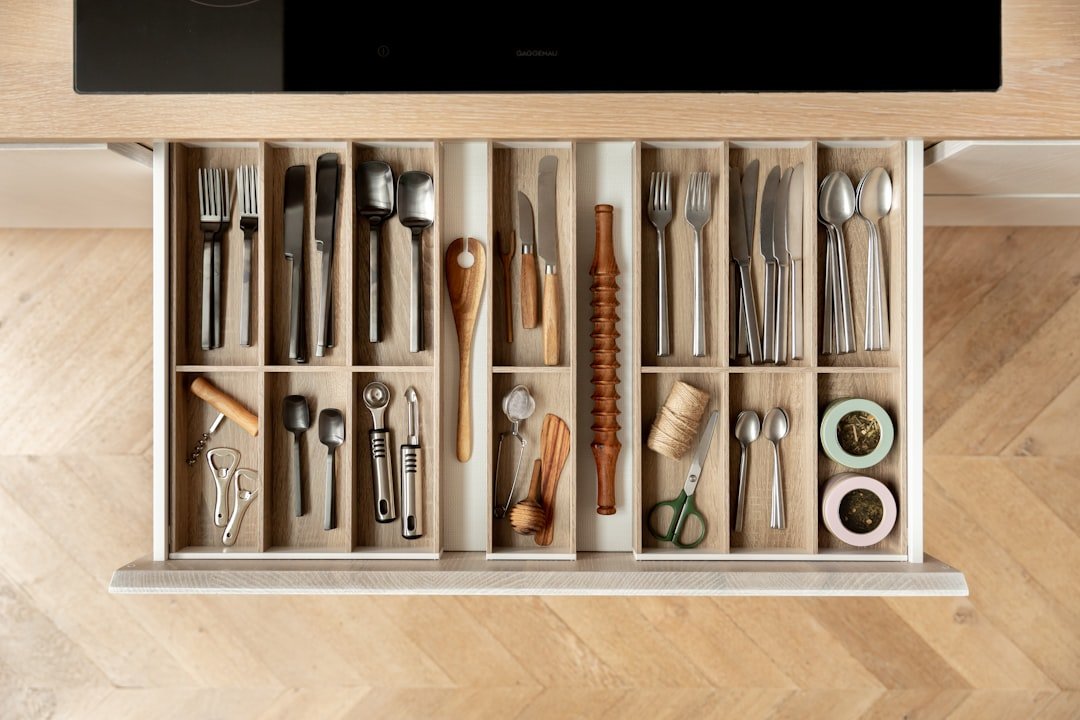
Storing hand tools in drawers keeps your workspace tidy and tools easy to find. Using inserts and dividers helps organize tools by type and size.
Choosing the right method depends on your drawer size and the tools you have. Let’s look at different ways to arrange your tools neatly.
Custom Inserts Vs. Adjustable Dividers
Custom inserts fit your tools exactly. They hold tools firmly and prevent movement. These inserts often use foam or wood shaped to tool outlines.
Adjustable dividers let you change the space sizes. They are good for tools that vary in size or if you add new tools later.
| Feature | Custom Inserts | Adjustable Dividers |
| Fit | Exact to tools | Flexible spacing |
| Cost | Higher | Lower |
| Installation | Permanent | Easy to move |
| Tool Protection | High | Moderate |
Diy Solutions For Tool Separation
You can make simple dividers with materials from home. Cardboard, wood scraps, and foam sheets work well. They help keep tools separated and safe.
- Cut cardboard strips to fit drawer width
- Glue foam pieces to hold small tools
- Use wooden blocks to separate large items
- Label sections for quick tool finding
Maximizing Vertical Space
Use the drawer height to store tools in layers. Stack trays or use tiered inserts. This method stores more tools without clutter.
- Use shallow trays for small parts
- Stack trays with handles for easy access
- Add vertical dividers to keep trays stable
- Keep heavy tools on bottom layers

Credit: www.hgtv.com
Space-saving Storage Techniques
Keeping hand tools organized in drawers saves space and helps find tools quickly. Using smart storage methods keeps your workspace neat.
This guide covers ways to stack tools, use magnetic strips, and make use of drawer walls for better storage.
Stacking And Nesting Tools
Stack small tools carefully to avoid damage and save space. Nest tools that fit inside one another to keep drawers tidy.
- Place flat tools like screwdrivers at the bottom
- Stack wrenches by size, smallest on top
- Use small containers to nest drill bits and nails
- Keep sharp tools separate to protect other items
Magnetic Strips And Hooks
Magnetic strips hold metal tools securely inside drawers or on walls. Hooks can hang tools to use vertical space.
| Tool Type | Magnetic Strip | Hook |
| Screwdrivers | Yes | No |
| Hammers | No | Yes |
| Wrenches | Yes | Yes |
| Pliers | Yes | No |
Utilizing Drawer Walls
Drawer walls often have empty space. Use slim holders or small shelves on the sides for extra storage.
Tips for Drawer Walls:
- Attach small pockets for screws and nails
- Use clip-on holders for tape measures
- Install narrow shelves for small tool sets
Maintaining Drawer Organization
Keeping hand tools neat in drawers saves time and effort. Organized drawers help you find tools quickly.
Regular care of your tool drawers keeps them efficient. Small habits make a big difference in drawer order.
Regular Cleaning And Decluttering
Clean your tool drawers often to remove dust and debris. Dirt can damage tools and make the space messy.
Declutter by removing tools you no longer use. This frees space and keeps the drawer tidy.
- Empty the drawer completely before cleaning
- Use a soft cloth or brush to clean inside
- Sort tools by type or size during decluttering
- Donate or recycle tools that are broken or unused
Routine Inventory Checks
Check your tools regularly to know what you have. This helps avoid buying duplicates.
Keep a list of your tools and update it often. This list guides your tool storage and buying decisions.
- Count tools by category such as screwdrivers or wrenches
- Note missing or damaged tools for replacement
- Review the list before purchasing new tools
Updating Layout As Needs Change
Change your drawer layout when your tool collection grows. Adjust space to fit new tools comfortably.
Try different arrangements to find what works best. Good layout keeps tools easy to find and access.
- Group similar tools together for quick access
- Use dividers or trays to separate tool types
- Label sections to keep organization consistent
- Rearrange tools if you start using some more often

Credit: porchdaydreamer.com
Safety Tips For Tool Storage
Storing hand tools safely keeps your workspace organized and injury-free. Proper storage helps protect tools and people around them.
Follow these tips to keep your tools secure and your drawers neat. Safety in tool storage saves time and prevents accidents.
Securing Sharp Tools
Sharp tools like knives, chisels, and blades need extra care. Keep them covered or sheathed before placing them in drawers.
Use blade guards or plastic sleeves to protect both the tool and your hands. Arrange tools so sharp edges face down or away.
- Cover blades with guards or sleeves
- Place sharp edges away from drawer openings
- Use dividers to separate sharp tools
- Keep tools dry to prevent rust and damage
Preventing Drawer Overloading
Drawers can hold only a certain weight and volume. Overloading causes drawers to jam or break, risking injury.
Organize tools by size and weight. Avoid stacking heavy tools on top of fragile ones.
- Limit the number of tools per drawer
- Keep heavy tools on the bottom
- Use organizers to spread out tools evenly
- Close drawers gently to avoid damage
Childproofing Drawers
Children may find tools interesting but can get hurt easily. Use safety locks to keep drawers closed.
Store sharp or dangerous tools out of reach. Teach children not to touch tools without adult supervision.
- Install childproof locks on tool drawers
- Keep dangerous tools in high or locked places
- Explain tool safety to children
- Check locks regularly for effectiveness
Frequently Asked Questions
How Can I Organize Hand Tools Effectively In Drawers?
Use drawer dividers or trays to separate tools by type. Label sections clearly for easy access. Keep frequently used tools at the front. This method saves space and speeds up your work process.
What Materials Are Best For Drawer Organizers?
Plastic and wood dividers work best for durability and flexibility. Plastic is easy to clean and lightweight. Wood offers sturdiness and a classic look. Choose based on your drawer size and tool weight.
How Do I Prevent Hand Tools From Rusting In Drawers?
Store tools in a dry, well-ventilated drawer. Use silica gel packs to absorb moisture. Apply a light coat of oil to metal parts. Regularly inspect tools to catch rust early.
Can I Store Power Tools In Hand Tool Drawers?
Small power tools can fit if the drawer is deep enough. Use padded organizers to protect them. Avoid overcrowding to prevent damage. Larger power tools need dedicated storage solutions.
Conclusion
Storing hand tools in drawers keeps your workspace neat and safe. Use dividers or trays to separate tools for easy access. Label each section to find items quickly. Keep heavy tools at the bottom to avoid accidents. Regularly clean and check your tools while storing them.
This simple habit saves time and prevents damage. Organized drawers help you work faster and with less stress. Start small and improve your system over time. A tidy toolbox means ready tools for any job.