Are you tired of searching for your sanding blocks every time you start a new project? Do they seem to vanish just when you need them the most?
You’re not alone. Many DIY enthusiasts and professionals face the same struggle. But here’s the good news: with a few smart strategies, you can keep your sanding blocks organized and easily accessible. Imagine the satisfaction of knowing exactly where they are, ready to help you achieve that perfect finish.
This guide is here to transform your workspace into a more efficient, clutter-free zone. Dive in, and discover how you can master the art of storing sanding blocks effortlessly. Your future projects will thank you!
Choosing The Right Storage
Storing sanding blocks properly helps keep them in good shape. The right storage stops damage and keeps blocks ready to use.
Choosing storage depends on where you keep the blocks and how you use them. Good storage saves money and effort.
Ideal Storage Conditions
Sanding blocks need a dry, cool place for storage. Avoid direct sunlight and heat sources to stop the blocks from breaking down.
- Keep blocks away from heat and sunlight
- Store at room temperature around 65-75°F (18-24°C)
- Use a clean area free of chemicals and fumes
- Place blocks on a flat surface to keep shape
Avoiding Moisture And Dust
Moisture can damage sanding blocks, making them less effective. Dust and dirt also reduce their lifespan and performance.
| Problem | Effect | Prevention |
| Moisture | Blocks soften and lose grit | Store in dry areas, use moisture absorbers |
| Dust | Clogs sanding surface | Keep in closed containers, clean storage space |
| Heat | Blocks shrink or crack | Store away from heaters or sunlight |
Using Airtight Containers
Airtight containers protect sanding blocks from dust and moisture. They keep the blocks clean and dry for longer use.
- Select containers that seal tightly
- Use plastic or metal boxes with lids
- Add silica gel packs to absorb moisture
- Label containers for easy identification

Credit: www.amazon.ca
Cleaning Before Storage
Keeping sanding blocks clean before storing them helps them last longer. Dust and dirt can damage the block’s surface.
Proper cleaning stops buildup and keeps the block ready for the next use.
Removing Dust And Debris
Remove loose dust and debris by tapping the sanding block gently. Use a soft brush to clear away particles from the surface.
- Hold the block over a trash bin.
- Tap the block lightly to shake off dust.
- Brush the surface with a clean, soft brush.
- Check corners for stuck debris and clean carefully.
Washing And Drying Techniques
If the sanding block is very dirty, wash it with mild soap and warm water. Avoid harsh chemicals that can damage the block.
| Step | Action |
| 1 | Fill a bowl with warm water and mild soap. |
| 2 | Dip the sanding block and gently rub to clean. |
| 3 | Rinse the block under clean water to remove soap. |
| 4 | Shake off excess water carefully. |
| 5 | Place the block on a dry towel to air dry fully. |
Organizing Sanding Blocks
Keeping sanding blocks organized helps you find the right one fast. A tidy workspace also protects your tools.
Sorting and labeling your sanding blocks makes your work easier. It saves time and reduces frustration.
Sorting By Grit And Size
Group sanding blocks by their grit level and size. This keeps similar blocks together and avoids confusion.
| Grit Level | Use | Common Sizes |
|---|---|---|
| Coarse (40-60) | Heavy sanding, paint removal | 4×2, 5×3 inches |
| Medium (80-120) | Smoothing rough surfaces | 4×2, 5×3 inches |
| Fine (150-220) | Final sanding, finishing | 3×1, 4×2 inches |
| Extra Fine (320+) | Polishing and very smooth finishes | 3×1, 4×2 inches |
Use separate containers or compartments for each grit and size. Label each section clearly for quick access.
Labeling For Easy Access
Label your sanding blocks or storage areas to find them fast. Clear labels reduce mistakes and speed up work.
- Use waterproof labels to prevent smudging
- Include grit and size on each label
- Use color coding to group similar grits
- Place labels in visible spots on containers
- Update labels if you change storage setup
Protecting Sanding Surfaces
Storing sanding blocks properly keeps their surfaces clean and effective. Dirt and damage reduce their sanding quality.
Protecting the sanding surfaces helps extend the life of your blocks. Simple methods can keep them ready to use.
Covering Edges And Faces
Cover the edges and faces of sanding blocks to stop damage. This prevents the abrasive surface from getting worn out or dirty.
- Use thin cardboard or plastic sheets to cover faces.
- Wrap edges with soft foam strips or rubber bands.
- Store blocks flat to avoid pressure on edges.
- Label covered blocks to identify grit size easily.
Using Protective Wraps
Protective wraps shield the sanding surface from dust and moisture. Choose wraps that do not stick to the block.
| Wrap Type | Protection Level | Notes |
| Plastic Film | High | Keep dry to avoid moisture buildup |
| Paper Wrap | Medium | Good for short storage periods |
| Cloth Sleeve | Low | Allows air flow, less moisture risk |
Avoiding Common Storage Mistakes
Storing sanding blocks correctly keeps them useful for longer. Bad storage can ruin their shape and performance. Use simple tips to avoid common mistakes.
Proper care helps you save money and get better results in your sanding projects. Follow these guidelines for safe storage.
Preventing Warping And Damage
Sanding blocks warp if they are pressed or bent during storage. Damage also happens when they rub against hard surfaces. Keep your blocks flat and safe.
- Store blocks flat on a shelf or in a drawer.
- Avoid stacking heavy items on top of them.
- Use dividers to keep blocks separate and protected.
- Do not bend or squeeze blocks into tight spaces.
- Check blocks regularly for signs of wear or damage.
Keeping Away From Heat Sources
Heat can dry out and weaken sanding blocks. It may cause the material to shrink or crack. Keep blocks away from heaters and direct sunlight.
| Heat Source | Effect on Sanding Blocks |
| Radiators | Can dry and warp blocks |
| Direct Sunlight | Causes fading and cracking |
| Hot Tools | May melt or deform blocks |
| Stove or Oven | Destroys block shape and strength |
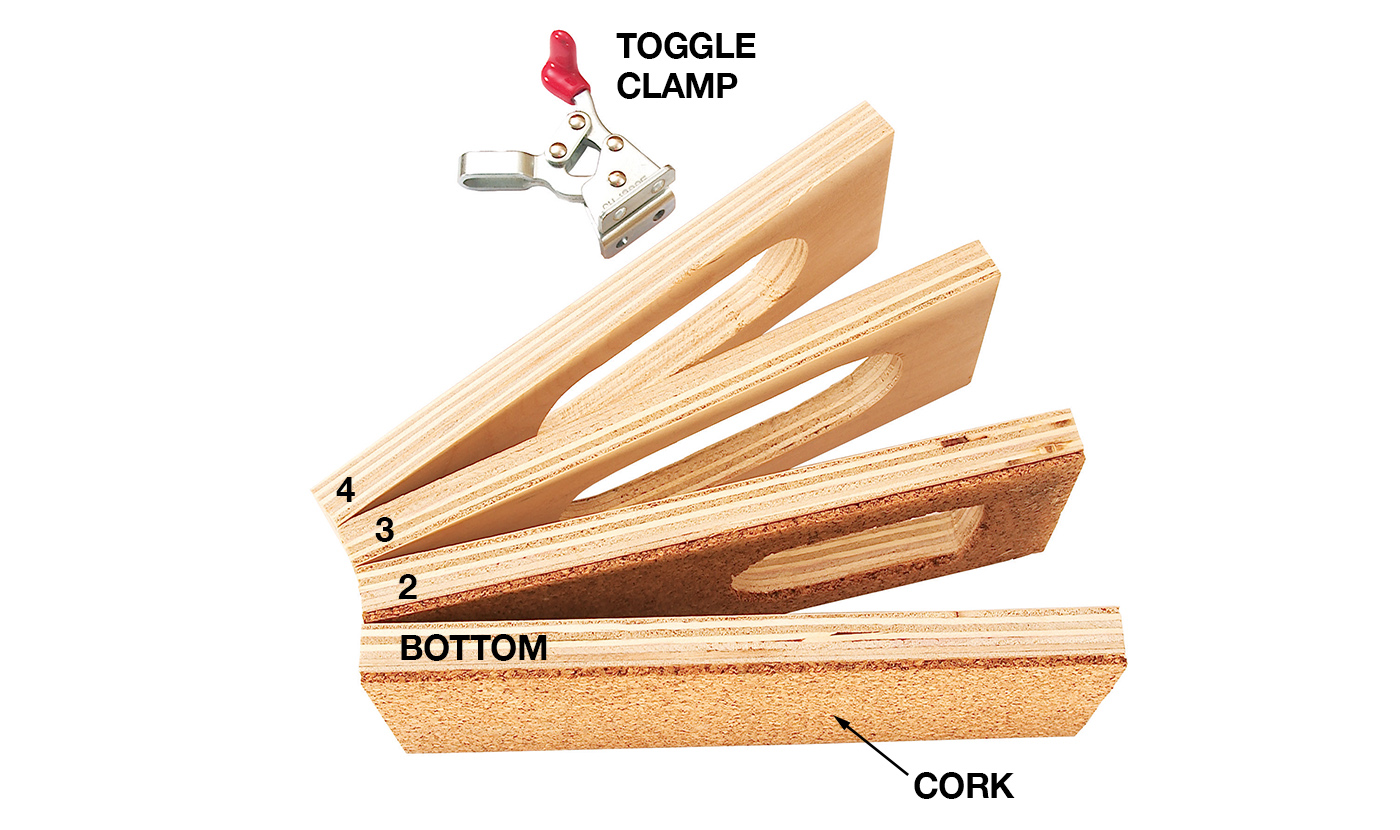
Credit: www.popularwoodworking.com
Extending Lifespan With Proper Handling
Storing sanding blocks the right way helps them last longer. Careful handling keeps them working well.
Using and maintaining sanding blocks correctly saves money and time. It also improves sanding results.
Using Blocks Correctly
Hold sanding blocks firmly but gently. Press evenly to avoid wearing one side too fast.
Use the right grit for the job. Coarse grits remove material quickly, fine grits smooth surfaces.
- Do not use sanding blocks on wet surfaces.
- Replace sandpaper when it clogs or wears out.
- Keep sanding motions smooth and steady.
Regular Maintenance Tips
Clean sanding blocks after each use. Remove dust and debris to keep the surface effective.
Store blocks in a dry, cool place. Avoid humidity and heat to prevent damage.
- Check for cracks or damage before use.
- Replace worn-out blocks promptly.
- Keep blocks away from chemicals and solvents.

Credit: www.amazon.ca
Frequently Asked Questions
How Should I Store Sanding Blocks To Prevent Damage?
Store sanding blocks in a dry, cool place away from moisture. Use a dedicated container or drawer to avoid crushing or deforming them. Proper storage maintains their shape and effectiveness for longer use.
Can Sanding Blocks Be Reused After Storage?
Yes, sanding blocks can be reused if stored properly. Keep them clean and dry to prevent clogging and damage. Inspect before reuse and replace if worn out for best results.
What Is The Best Container For Sanding Block Storage?
Plastic or metal containers with compartments work best. They protect blocks from dust, moisture, and physical damage. Labeling compartments helps quickly find the right grit sanding block.
How Long Can Sanding Blocks Be Stored Effectively?
Sanding blocks can be stored for several months if kept dry and protected. Avoid exposure to humidity and direct sunlight to maintain their abrasive quality over time.
Conclusion
Storing sanding blocks properly keeps them clean and ready to use. Use a dry, cool place to avoid damage. Keep blocks away from moisture to stop them from wearing out fast. Organize blocks by grit size for easy access. This simple care helps sanding blocks last longer and work better.
Remember, good storage saves time and effort on every project. Small steps make a big difference in tool upkeep. Keep your sanding blocks in good shape for smooth results every time.