
Are you tired of losing your sanding blocks or finding them worn out before you’re done? How you store your sanding blocks can make a big difference in keeping them in good shape and ready for your next project.
In this guide, you’ll discover simple and smart ways to store your sanding blocks efficiently. By following these tips, you’ll save time, protect your tools, and get better results every time you sand. Keep reading to learn how to make your sanding blocks last longer and work better for you.
Credit: creators.yahoo.com
Choosing The Right Storage
Storing sanding blocks properly keeps them clean and ready to use. Good storage protects the blocks and saves space.
Choosing the right storage depends on materials and size. It helps keep your workspace neat and organized.
Materials That Protect
Materials that protect sanding blocks stop dust and moisture from damaging them. Strong and breathable materials work best.
Plastic containers and fabric pouches are good options. Plastic keeps out moisture. Fabric allows air to flow.
- Plastic boxes prevent water damage
- Fabric pouches reduce dust build-up
- Wooden boxes offer sturdy protection
- Clear containers help find blocks fast
Size And Space Considerations
Choose storage that fits your sanding blocks without crowding. Too small space can damage the blocks.
Stackable and compact containers save room. Think about how many blocks you have and your workspace size.
- Use stackable containers for small spaces
- Separate storage by block size for easy access
- Label containers to find blocks quickly
- Leave space for air to prevent moisture
Preparing Sanding Blocks For Storage
Keeping sanding blocks in good condition helps them last longer. Proper storage starts with preparing them well. Cleaning and organizing blocks is important.
This guide explains how to clean, dry, and sort sanding blocks before storing them safely.
Cleaning And Drying Techniques
Remove dust and debris from sanding blocks after use. This keeps the surface clean and ready for next time. Use a soft brush or cloth to wipe them.
Dry the blocks fully before storage. Moisture can damage the sanding surface and cause mold. Let them air dry in a well-ventilated space.
- Brush off loose dust carefully
- Use compressed air for deep cleaning
- Wipe with a dry cloth if needed
- Place blocks in a dry area to air dry
Sorting By Grit And Type
Sorting sanding blocks makes finding the right one easier. Organize them by grit number and type. This prevents mixing and saves time.
| Grit | Type | Storage Tips |
| Coarse (40-60) | Rough sanding | Store separately to avoid damage |
| Medium (80-120) | General use | Keep in labeled containers |
| Fine (150+) | Finishing work | Place in protective sleeves |
Storage Methods To Save Space
Keeping sanding blocks organized helps save space in your workspace. Proper storage also protects the blocks from damage.
Using smart storage methods can make it easy to find and use your sanding blocks when needed. Let’s look at some practical ways to store them efficiently.
Stacking And Nesting Tips
Stacking sanding blocks helps reduce clutter. Place blocks of similar size on top of each other to keep them stable.
Nesting smaller blocks inside larger ones saves even more space. This method works well for blocks with different shapes.
- Clean blocks before stacking to avoid debris buildup
- Keep heavier blocks at the bottom to prevent crushing
- Use dividers to separate stacks if blocks vary in size
- Store stacked blocks in a dry area to prevent damage
Using Containers And Organizers
Containers keep sanding blocks tidy and protect them from dust. Choose containers that fit the blocks well to avoid wasted space.
Organizers with compartments help sort blocks by type or grit. This saves time when searching for the right block.
- Use clear containers to see the blocks inside easily
- Label containers or compartments for quick identification
- Stack containers to save floor or shelf space
- Consider portable organizers for easy transport
Maintaining Block Quality
Proper storage keeps sanding blocks in good shape for longer. It helps keep their surface smooth and effective.
Storing sanding blocks right also prevents damage and waste. This guide covers key tips to maintain block quality.
Avoiding Moisture And Dust
Moisture can ruin sanding blocks by making them soft or sticky. Dust can clog the surface and reduce sanding power.
Keep blocks in a dry, clean place away from water and dirt. Use sealed containers or plastic bags to protect them.
- Store blocks in airtight boxes or bags
- Keep storage areas clean and dust-free
- Avoid placing blocks near sinks or outdoors
Temperature And Humidity Control
Heat and humidity can warp or weaken sanding blocks. High humidity causes blocks to absorb moisture from the air.
Store blocks in a cool, dry room with stable temperature. Use a dehumidifier if needed to keep air dry.
- Avoid storing blocks near heaters or windows
- Keep room temperature between 60-75°F (15-24°C)
- Maintain relative humidity below 50%
Portable Storage Solutions
Keeping sanding blocks organized saves space and time. Portable storage options help you carry your tools easily. They also protect sanding blocks from damage and dust.
Choosing the right storage method depends on your needs and how often you work on projects. Below are two practical ways to store sanding blocks for easy access and transport.
Toolbox Inserts
Toolbox inserts keep sanding blocks neatly arranged in your toolbox. They fit inside and prevent blocks from moving during transport.
- Use foam inserts cut to block sizes
- Label each slot for quick identification
- Choose durable materials for long-lasting use
- Design inserts with compartments for different grit levels
Custom Carrying Cases
Custom carrying cases offer a dedicated space for sanding blocks. They are easy to carry and keep blocks protected from moisture and dust.
| Case Type | Material | Benefits |
| Hard Shell | Plastic or Metal | Strong protection, stackable |
| Soft Case | Fabric with padding | Lightweight, flexible storage |
| Modular Case | Interlocking compartments | Customizable layout |
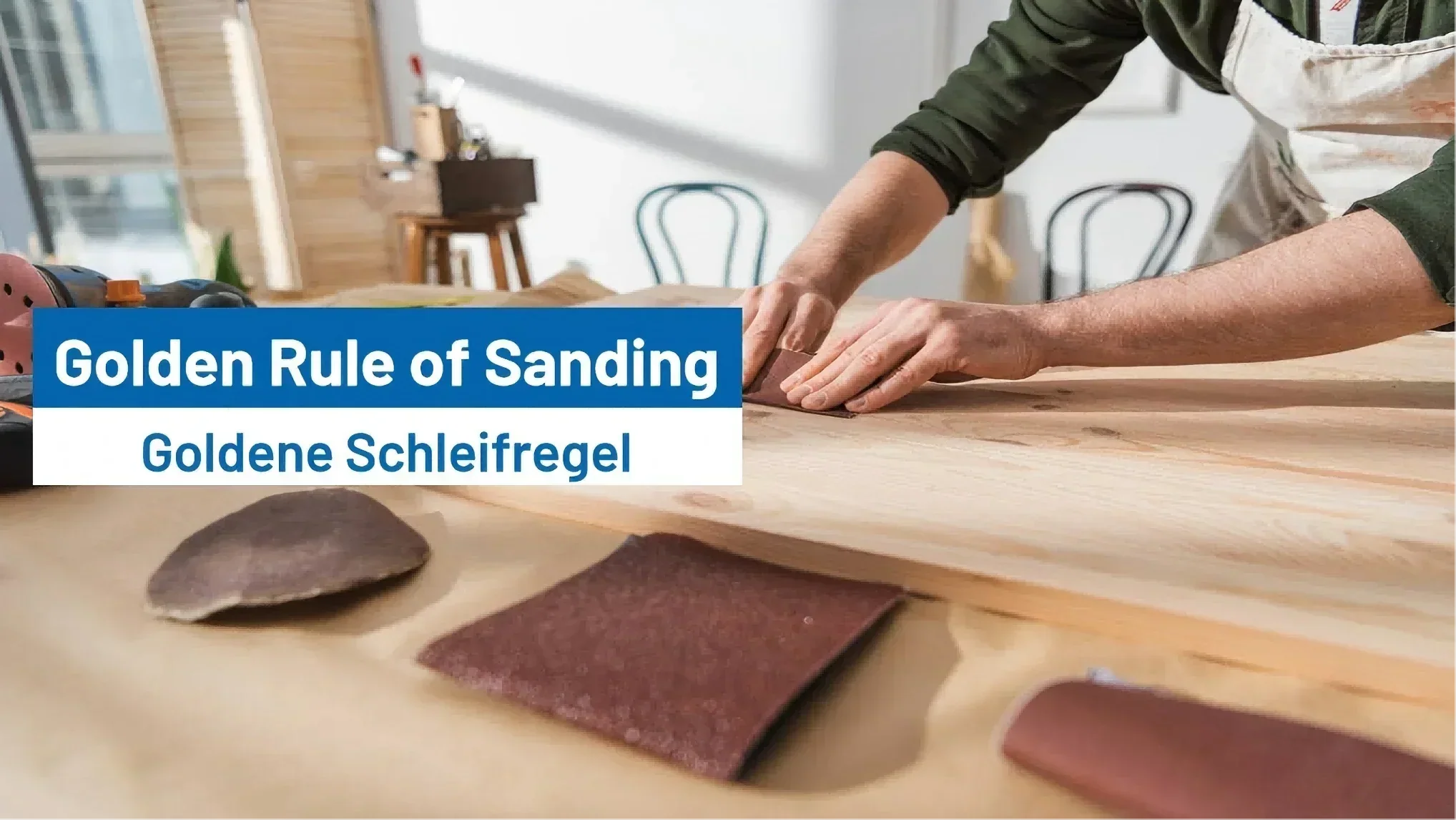
Credit: fastplus.eu
Long-term Storage Advice
Storing sanding blocks properly helps keep them in good shape. Good storage saves money and time. It also keeps your workspace clean and organized.
Use simple methods to protect sanding blocks from damage. Follow these tips to keep them ready for use over a long time.
Labeling And Inventory
Label each sanding block by grit size and type. This makes it easy to find the right block. Keep an inventory list to track how many blocks you have.
- Write grit size on each block with a permanent marker
- Store blocks in clear containers or bins
- Keep an inventory list on paper or digitally
- Update the list when blocks are added or used
Periodic Inspection And Replacement
Check your sanding blocks regularly. Look for worn or damaged surfaces. Replace blocks that no longer work well to avoid poor results in your projects.
| Inspection Area | Signs of Wear | Action Needed |
|---|---|---|
| Sanding Surface | Clogged, torn, or smooth patches | Clean or replace the block |
| Backing Material | Cracks or peeling | Discard and replace |
| Edges | Frayed or damaged edges | Trim or replace block |

Credit: www.amazon.com
Frequently Asked Questions
How To Prevent Sanding Blocks From Getting Damaged?
Store sanding blocks in a dry, cool place away from direct sunlight. Use airtight containers or resealable bags to protect them from moisture and dust. Avoid stacking heavy items on top to maintain their shape and longevity.
What Materials Are Best For Storing Sanding Blocks?
Plastic containers, wooden boxes, and mesh organizers work well for storing sanding blocks. These materials provide good ventilation and protection from dust and moisture, keeping the blocks dry and in optimal condition.
How To Organize Sanding Blocks By Grit Size?
Use labeled compartments or dividers to separate sanding blocks by grit size. This organization saves time and prevents mixing different grits, ensuring you always select the right block for your project.
Can Sanding Blocks Be Stored Long-term Without Damage?
Yes, if stored properly in a sealed, moisture-free container. Keep them in a stable environment with moderate temperature to prevent deterioration and maintain effectiveness over time.
Conclusion
Storing sanding blocks properly keeps them in good shape longer. Use dry, clean places to avoid damage. Arrange them neatly for easy access when needed. Avoid stacking blocks tightly to maintain their form. Regular checks help spot worn-out blocks early.
Simple storage habits save time and money. Keep your workspace tidy and tools ready. Small steps make a big difference in tool care. Follow these tips to keep sanding blocks useful. A well-organized space leads to better work results.