Are your wrenches scattered all over the place, making it a hassle every time you need one? You’re not alone.
Many people struggle with keeping their tool collection organized, especially when it comes to those sneaky wrenches that always seem to disappear right when you need them most. Imagine reaching for a wrench, and it’s right there, neatly organized and easy to find.
Sounds perfect, right? This guide will show you how to store your wrenches by type, making your workspace more efficient and saving you time and frustration. Stick around to discover simple yet effective storage solutions that will transform how you handle your tools. By the end, you’ll not only have a tidier toolbox but also a more productive day. Let’s dive in and get those wrenches in order!

Credit: www.youtube.com
Choosing Storage Options
Storing wrenches properly keeps your tools safe and easy to find. Different types of storage fit different needs and spaces.
Choosing the right storage depends on how many wrenches you have and where you use them most.
Wall-mounted Racks
Wall-mounted racks save floor space and keep wrenches visible. They help you grab the right wrench fast.
These racks come in many designs, such as hooks or slots, to hold wrenches safely. Installing them near your workbench is very useful.
Toolboxes And Chests
Toolboxes and chests offer secure storage and easy transport. They protect wrenches from dust and damage.
- Choose a size that fits your wrench collection
- Look for padded or divided compartments
- Pick a sturdy material like metal or heavy plastic
- Consider portability if you move tools often
Drawer Organizers
Drawer organizers keep wrenches neat and sorted inside drawers. They prevent tools from sliding and mixing.
| Type | Advantage | Best For |
|---|---|---|
| Foam Inserts | Custom fit and cushion | Small to medium wrench sets |
| Plastic Trays | Easy to clean and lightweight | Light wrench sets |
| Wood Dividers | Durable and adjustable | Large or heavy wrenches |
Magnetic Strips
Magnetic strips hold wrenches on walls or tool panels. They provide quick access and save space.
Keep these tips in mind for magnetic strips:
- Use strong magnets for heavy wrenches
- Place strips at comfortable height
- Arrange wrenches by size or type
- Check magnet strength regularly to avoid drops
Organizing By Wrench Type
Keeping wrenches organized makes work easier and saves time. Sorting by wrench type helps you find the right tool fast.
Each wrench type has unique shapes and sizes. Use storage methods that suit each kind to keep them neat and safe.
Open-end Wrenches
Open-end wrenches have U-shaped jaws on both ends. They are good for gripping nuts and bolts from the side.
Store open-end wrenches in racks or trays with slots. This keeps them visible and easy to grab.
- Use wall-mounted racks with labeled slots
- Arrange by size from smallest to largest
- Keep them separate from other wrench types
Box-end Wrenches
Box-end wrenches have closed loops that fit around nuts or bolts. They provide a strong grip without slipping.
Magnetic trays or pegboards work well to store box-end wrenches. Group them by size for quick access.
- Hang on pegboards using hooks
- Use magnetic strips for quick pick-up
- Label sizes to avoid confusion
Combination Wrenches
Combination wrenches have an open end on one side and a box end on the other. They are very versatile.
Store combination wrenches in trays or holders with size labels. Keep them in size order for easy selection.
- Use drawer organizers with separate slots
- Arrange from smallest to largest size
- Keep sets together to avoid mixing
Adjustable Wrenches
Adjustable wrenches have a movable jaw for different sizes. They are flexible and fit many fasteners.
Store adjustable wrenches in toolboxes or on magnetic strips. Avoid stacking to protect the adjustment mechanism.
- Keep in separate compartments in toolboxes
- Use magnetic strips for wall storage
- Do not stack heavy items on top
Socket Wrenches
Socket wrenches use interchangeable sockets for many sizes. Keep sockets and handles organized together.
Use socket holders or trays with size markings. Group sockets by drive size and socket size to find them fast.
- Store sockets in labeled trays or rails
- Group by drive size (1/4″, 3/8″, 1/2″)
- Keep handles and extensions nearby
Labeling And Identification
Storing wrenches by type helps keep your tools organized. Labeling and identifying each wrench makes it easy to find the right one quickly.
Clear labels reduce confusion and save time during work. Different techniques can help mark and identify wrenches effectively.
Size Marking Techniques
Size marking shows the wrench size on each tool. This helps you pick the correct wrench without measuring it every time.
Common size markings include stamping or engraving the size directly on the wrench. Some wrenches have printed or painted numbers.
- Stamped or engraved size numbers
- Painted or printed size labels
- Size tags attached to handles
Color Coding Systems
Color coding uses different colors to identify wrench types or sizes. This system speeds up tool selection.
Use colored tape, paint, or handle covers to mark wrenches. Assign each color to a size range or wrench type.
- Red for small sizes
- Blue for medium sizes
- Green for large sizes
- Yellow for special types
Using Shadow Boards
Shadow boards show the shape of each wrench on a board. This visual guide helps store and find tools easily.
Each wrench fits into its matching shadow shape. Labels with size or type can be added under each shadow.
- Draw or print outlines of each wrench
- Place wrenches in their matching shapes
- Add size labels below each outline
- Keep the board visible near your work area
Maximizing Space Efficiency
Storing wrenches by type helps keep your workspace tidy. Using smart storage ideas saves room and makes tools easy to find.
This guide shows ways to stack, use vertical space, and find compact storage. These tips fit all wrench sizes and types.
Stacking And Nesting Tools
Stacking wrenches by size or type helps reduce clutter. Nesting smaller wrenches inside larger ones saves drawer space.
- Arrange wrenches from smallest to largest in stacks.
- Place open-end wrenches inside box-end wrenches if sizes match.
- Use foam inserts to keep stacks stable and prevent slipping.
- Label stacks clearly for quick tool selection.
Utilizing Vertical Space
Vertical storage uses wall or pegboard space to keep wrenches off work surfaces. This frees up room and keeps tools visible.
| Storage Type | Best For | Space Saved |
| Pegboard Hooks | All wrench types | High |
| Magnetic Strips | Metal wrenches | Medium |
| Wall-mounted Racks | Set wrenches | High |
| Vertical Drawers | Small wrenches | Medium |
Compact Storage Solutions
Compact storage keeps wrenches in small spaces. Choose cases or holders that fit your wrench types well.
Compact Wrench Storage Tips:
- Use foldable wrench rolls for sets of combination wrenches.
- Store adjustable wrenches in dedicated small bins.
- Stack socket wrenches inside their ratchets in small trays.
- Label each compartment to speed up tool picking.
Maintaining Wrench Condition
Keeping your wrenches in good shape helps them last longer and work better. Proper care prevents damage and rust.
Follow simple steps to clean, protect, and check your wrenches regularly. This guide shows how to do it well.
Cleaning Before Storage
Remove dirt, grease, and debris from your wrenches before putting them away. Clean tools work better and last longer.
- Use a dry cloth to wipe off loose dirt
- Apply mild soap and water for sticky grease
- Dry completely to stop moisture buildup
- Use a wire brush for stubborn rust spots
Rust Prevention Tips
Rust can ruin your wrenches. Prevent it by storing tools in a dry place and using protective coatings.
| Method | Description |
| Oil Coating | Apply light machine oil after cleaning |
| Silica Gel Packs | Place packs in toolboxes to absorb moisture |
| Rust Inhibitor Spray | Use sprays made for metal protection |
| Keep Dry | Store wrenches in a low-humidity area |
Regular Inspection Routines
Check your wrenches often for signs of wear or damage. Early fixes keep tools safe and effective.
- Look for cracks or chips on the wrench
- Test the moving parts for smooth action
- Check for rust or corrosion spots
- Replace worn or damaged wrenches promptly
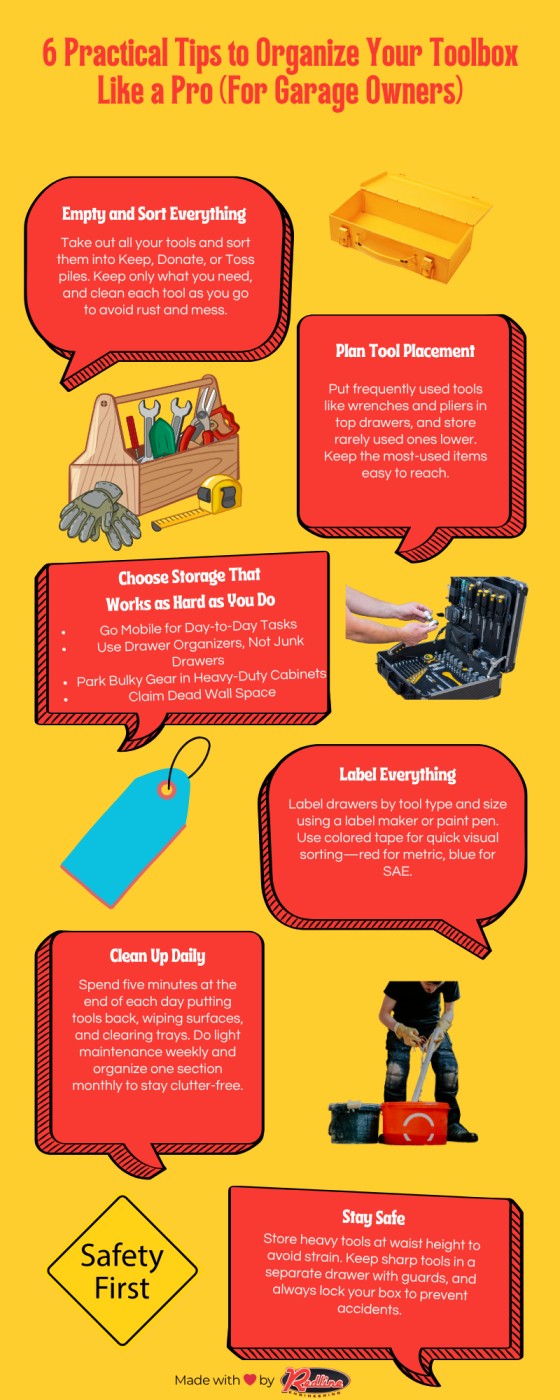
Credit: www.redlinestands.com
Custom Storage Ideas
Wrenches come in many types and sizes. Storing them well keeps your workspace neat and tools easy to find.
Custom storage ideas help you organize wrenches by type. You can create solutions that fit your needs and space.
Diy Storage Projects
Building your own wrench storage lets you use materials you like. You can make racks, holders, or trays that suit your tools.
Simple projects include wooden racks with slots or pegboards with hooks. You can label each spot for quick access.
- Wooden rack with cut slots for each wrench size
- Magnetic strips to hold metal wrenches on the wall
- Pegboard with hooks arranged by wrench type
- Drawer inserts with foam cutouts for each tool
Repurposed Household Items
You can use everyday items to store wrenches. This saves money and gives old items a new purpose.
Look for sturdy containers or holders that fit your wrench sizes and types. Label them to keep tools sorted.
- Old spice racks to hold small wrenches
- Ice cube trays for organizing tiny wrenches
- Empty tins or jars to store loose wrenches by type
- Toolboxes with divided compartments for different wrench sets
Portable Storage Options
Portable storage helps carry wrenches to job sites or different rooms. Choose cases that protect and organize your tools.
Look for compact designs with slots or elastic bands. This keeps wrenches secure and easy to reach on the go.
- Roll-up wrench pouches with pockets for each tool
- Hard plastic cases with molded slots
- Tool belts with wrench holders
- Stackable plastic bins with handles

Credit: tendsupplies.com
Frequently Asked Questions
What Is The Best Way To Store Adjustable Wrenches?
Adjustable wrenches store best in a drawer with dividers or on a magnetic tool strip. This keeps them organized and easy to find, preventing damage and rust by reducing clutter.
How Should Combination Wrenches Be Organized?
Organize combination wrenches by size on a wrench rack or pegboard. Labeling sizes helps quick selection and maintains tool order, extending wrench lifespan and improving workspace efficiency.
Can Socket Wrenches Be Stored With Other Types?
Socket wrenches are best stored separately in a dedicated case or organizer. This prevents loss of small parts and ensures sockets and handles stay paired and protected.
Why Is Storing Wrenches By Type Important?
Storing wrenches by type improves tool accessibility and protects them from damage. It also saves time during projects and keeps your workspace tidy and efficient.
Conclusion
Storing wrenches by type keeps your tools neat and easy to find. It saves time during projects and protects your tools from damage. Simple storage methods work best for any workspace. Choose the right organizer for your wrench types and sizes.
Keep your tools close and ready for use. Organized tools help you work faster and with less stress. Start sorting your wrenches today for better tool care tomorrow.