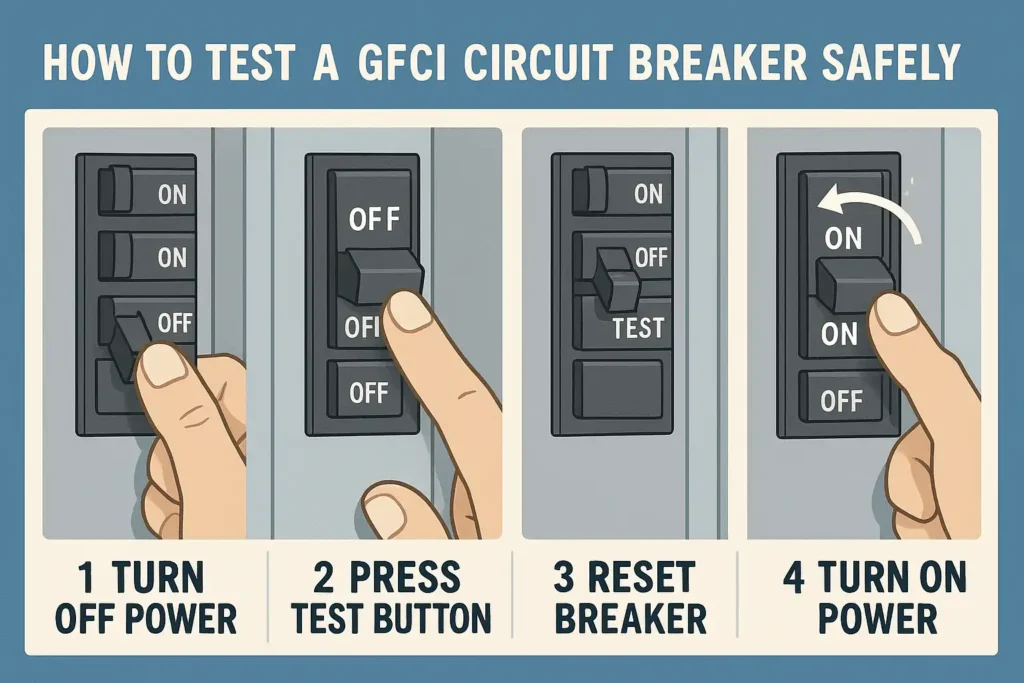
Are you facing sudden power issues at home or work? Knowing how to test breakers and fuses can save you time, money, and frustration.
These small devices protect your electrical system, but when they fail, everything stops working. In this guide, you’ll learn simple, step-by-step ways to check if your breakers or fuses are the problem. By the end, you’ll feel confident handling these tests safely and quickly—no electrician needed.
Keep reading to take control of your electrical safety and avoid unexpected outages.

Credit: www.premium-electric.ca
Types Of Breakers And Fuses
Breakers and fuses protect electrical circuits from damage. They stop the flow of electricity if a problem occurs.
This guide explains common types of breakers and fuses. It helps you understand their uses and how to choose the right one.
Circuit Breakers
Circuit breakers are switches that automatically turn off power during faults. They can be reset and used again.
- Miniature Circuit Breakers (MCB): Protect small circuits in homes and offices.
- Ground Fault Circuit Interrupters (GFCI): Protect from electric shocks near water.
- Arc Fault Circuit Interrupters (AFCI): Detect dangerous electrical arcs and stop power.
- Molded Case Circuit Breakers (MCCB): Used for higher current industrial circuits.
Fuse Varieties
Fuses have a metal wire that melts when current is too high. This breaks the circuit to stop damage.
| Type | Description | Common Use |
| Cartridge Fuse | Thin wire inside a tube | Industrial and home appliances |
| Blade Fuse | Plastic body with metal prongs | Automobiles and small electronics |
| Glass Tube Fuse | Clear glass tube with metal ends | Household devices |
| Resettable Fuse | Thermally sensitive, resets after cooling | Electronics protection |
Choosing The Right Type
Choosing the right breaker or fuse depends on the circuit and load size. Safety and standards matter.
- Check the voltage and current ratings of your circuit.
- Match the breaker or fuse type with the device or system.
- Use breakers for circuits that need frequent resets.
- Use fuses for simple, low-cost protection.
- Consult electrical codes and experts if unsure.

Credit: www.onesto-ep.com
Tools Needed For Testing
Testing breakers and fuses is important for safety and proper function. You need the right tools to check them correctly.
This guide covers the essential tools required to test electrical breakers and fuses safely and effectively.
Multimeter Essentials
A multimeter is a key tool for testing breakers and fuses. It measures voltage, current, and resistance.
- Set the multimeter to the correct testing mode.
- Use probes to touch the breaker or fuse terminals.
- Read the values shown to check if the device works well.
- Look for zero or infinite readings, which show faults.
Testers And Indicators
Testers and indicators help identify live wires and check circuit status quickly. They come in many types.
| Tool | Use |
| Voltage Tester | Detects live current without contact |
| Continuity Tester | Checks if a circuit is complete |
| Neon Test Lamp | Indicates voltage presence with light |
Protective Gear
Protective gear keeps you safe when testing breakers and fuses. Always wear the right equipment.
- Insulated gloves to stop electric shock
- Safety goggles to protect your eyes
- Non-conductive footwear for better grounding
- Flame-resistant clothing to prevent burns
Preparing For Testing
Testing breakers and fuses needs careful preparation. This ensures safety and accurate results.
Before testing, follow important steps to get ready and avoid accidents.
Power Shutdown Procedures
Turn off the main power before testing any breakers or fuses. This prevents electric shocks and damage.
Confirm the power is off using a voltage tester before starting your work.
- Locate the main power switch or breaker panel.
- Switch off the main breaker to cut power supply.
- Use a voltage tester to check if power is off.
- Label the breaker or fuse being tested to alert others.
Safety Precautions
Wear protective gear to keep yourself safe during testing. Safety comes first in electrical work.
Avoid touching live wires and use insulated tools to reduce risk of shocks.
- Wear rubber gloves and safety goggles.
- Use tools with insulated handles.
- Work in dry conditions to avoid slipping or shocks.
- Keep a fire extinguisher nearby for emergencies.
Workspace Setup
Prepare a clean and organized workspace before testing breakers and fuses. This helps you work better.
Clear away any clutter and make sure you have enough light to see the components well.
- Set up a sturdy workbench or table.
- Ensure good lighting in the testing area.
- Keep testing tools and meters within reach.
- Remove any flammable materials nearby.
Testing Circuit Breakers
Circuit breakers protect electrical systems by stopping current during faults. Testing them keeps your system safe and working well.
There are simple ways to check if a circuit breaker works right. This guide covers visual checks, using a multimeter, and trip test methods.
Visual Inspection
Look for signs of damage on the breaker. Check for cracks, burn marks, or corrosion on terminals. Loose wires can cause problems too.
- Turn off power before inspecting
- Look for discoloration or melting
- Check if the breaker handle moves smoothly
- Ensure terminal screws are tight
Using A Multimeter
A multimeter helps check if the breaker allows current to pass when on. Test both continuity and voltage to find faults.
| Test Type | How to Perform | Expected Result |
| Continuity Test | Set multimeter to continuity mode. Place probes on breaker terminals. | Beep or low resistance means good connection. |
| Voltage Test | Measure voltage across terminals with breaker ON. | Voltage close to supply voltage shows breaker works. |
| Open Circuit Test | Turn breaker OFF. Test continuity again. | No beep or high resistance means breaker opens properly. |
Trip Test Methods
Trip tests check if the breaker stops current under fault conditions. This test ensures the breaker will protect circuits as needed.
- Turn on the breaker and apply a test load or fault current.
- Watch if the breaker handle trips to OFF position quickly.
- If the breaker does not trip, it may be faulty and needs replacement.
- Reset the breaker after testing by switching it ON again.
Testing Fuses
Fuses protect electrical circuits by breaking the connection if too much current flows. Testing fuses helps find out if they are working or need replacement.
Knowing how to test fuses keeps your devices safe and working well. This guide explains how to identify blown fuses, test for continuity, and replace fuses safely.
Identifying Blown Fuses
A blown fuse usually shows a visible sign that it is damaged. Look for a broken wire or dark, cloudy glass inside the fuse. These signs mean the fuse has stopped working.
Sometimes a fuse looks fine but is still blown. In this case, testing with tools is needed to be sure.
Continuity Testing
Continuity testing checks if the fuse allows electricity to pass through. Use a multimeter set to continuity mode for this test.
Touch the multimeter probes to each end of the fuse. A beep or a low reading means the fuse is good. No beep or no reading means the fuse is blown.
- Turn off power before testing
- Set multimeter to continuity
- Touch probes to fuse ends
- Listen for beep or check reading
- Replace fuse if no continuity
Replacing Fuses Safely
Always turn off and unplug devices before replacing a fuse. This prevents electric shocks and damage.
Use the exact same type and rating of fuse for replacement. Installing the wrong fuse can cause fire or damage to your device.
- Turn off power and unplug device
- Remove the blown fuse carefully
- Check the fuse rating and type
- Install the correct fuse
- Close the fuse holder securely
- Turn power back on and test
Common Issues And Troubleshooting
Breakers and fuses protect your home from electrical problems. Knowing common issues helps you fix them safely.
This guide covers frequent breaker trips, fuse failures, and when you should call a professional.
Frequent Breaker Trips
Breakers trip to stop electrical overloads or short circuits. If a breaker trips often, it may show a larger problem.
- Overloaded circuits from too many devices
- Short circuits caused by damaged wiring
- Faulty appliances drawing too much power
- Old or worn breakers that fail to work properly
Reset the breaker by switching it off and on. If it trips again, unplug devices and test them one by one.
Fuse Failures
Fuses blow when too much current flows through the circuit. This protects your wiring and devices.
| Cause | Effect | Action |
| Overload | Fuse blows to stop power | Reduce device use or upgrade fuse |
| Short Circuit | Fuse blows immediately | Check wiring and fix faults |
| Old Fuse | Fuse may blow without cause | Replace fuse with correct type |
Never replace a fuse with one that has a higher rating. This can cause fire risks.
When To Call A Professional
Some electrical problems need expert help. Call a professional if you:
- Find burning smells or smoke near breakers or fuses
- See sparks when resetting breakers or changing fuses
- Experience frequent power outages or flickering lights
- Are unsure how to test or replace parts safely
- Notice water damage near electrical panels
Maintaining Breakers And Fuses
Breakers and fuses protect your home’s electrical system. Keeping them in good shape helps prevent problems.
Regular care makes sure they work when needed. This guide explains how to maintain them safely.
Regular Inspections
Check breakers and fuses at least twice a year. Look for signs of damage or wear.
Inspect for cracks, burn marks, or loose parts. These can cause electrical failures.
- Turn off power before inspecting
- Use a flashlight to see inside panels
- Look for discoloration or corrosion
- Listen for unusual buzzing sounds
- Note any breakers that trip often
Cleaning Tips
Keep breaker panels free from dust and dirt. Clean them gently to avoid damage.
Use a dry cloth or soft brush. Do not spray water or cleaners inside the panel.
- Turn off the main power switch
- Use a vacuum with a brush attachment
- Remove dust from vents and openings
- Wear safety gloves and glasses
- Clean only the outside and visible parts
Upgrading Components
Old breakers and fuses may not work well. Upgrading improves safety and reliability.
Hire a licensed electrician to replace parts. They can recommend the right size and type.
- Choose breakers that match your electrical load
- Replace fuses with newer, approved models
- Consider adding surge protectors
- Label all breakers for easy identification
- Test new components after installation

Credit: www.etei.com
Frequently Asked Questions
How Do You Test A Circuit Breaker Safely?
To test a circuit breaker safely, switch off the main power first. Use a multimeter to check voltage across terminals. Press the breaker’s test button if available. Always wear insulated gloves and follow manufacturer instructions for accurate results.
What Tools Are Needed To Test Fuses?
Testing fuses requires a multimeter or continuity tester. Set the multimeter to continuity mode. Remove the fuse and place the probes on each end. A beep or zero reading indicates a good fuse; no sound means it’s blown.
When Should Breakers And Fuses Be Tested?
Breakers and fuses should be tested during routine electrical maintenance or if you suspect malfunction. Regular testing ensures safety and prevents electrical hazards. Test after power outages or electrical surges to confirm proper function.
Can A Blown Fuse Be Reused After Testing?
No, a blown fuse cannot be reused. Once a fuse blows, it interrupts the circuit permanently. Replace it with the same type and rating to ensure safe operation and protect your electrical system.
Conclusion
Testing breakers and fuses ensures safety and efficiency. Regular checks prevent electrical hazards. Always use proper tools and follow safety guidelines. A reliable electrical system protects your home and devices. Understanding fuse types and breaker functions helps in quick troubleshooting.
Take time to inspect connections and ratings. Ensure everything is in working order. Simple steps make a big difference. Keep your environment safe and secure. Consistent testing can save future headaches. Stay informed and proactive. Your electrical system will thank you.
