Are you ready to watch your garden thrive like never before? Transplanting seedlings is a crucial step in nurturing strong, healthy plants.
Yet, it’s a task that often seems daunting. Imagine losing your precious seedlings to a simple mistake. That’s a gardener’s worst nightmare, isn’t it? But don’t worry, this guide is here to help you every step of the way. You’ll learn the secrets to successful transplanting, ensuring your seedlings flourish and your garden becomes the envy of the neighborhood.
Curious to discover how you can achieve the best growth for your plants? Keep reading to unlock the tips and tricks that can transform your gardening experience.
Preparing Seedlings For Transplanting
Transplanting seedlings helps plants grow stronger in your garden. Getting seedlings ready is important for their success.
Good preparation reduces shock and helps seedlings adapt faster to new soil and weather.
Choosing The Right Seedlings
Pick seedlings that look healthy and strong. Avoid those with yellow leaves or weak stems.
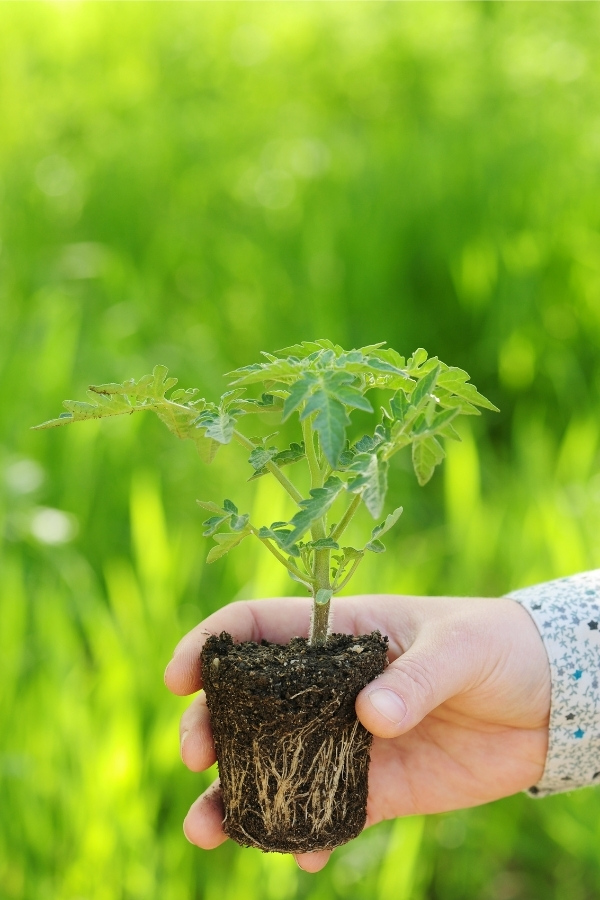
Choose seedlings with well-developed roots but not root-bound. Check the leaves for any spots or damage.
- Look for thick stems and bright green leaves
- Avoid seedlings with wilting or discoloration
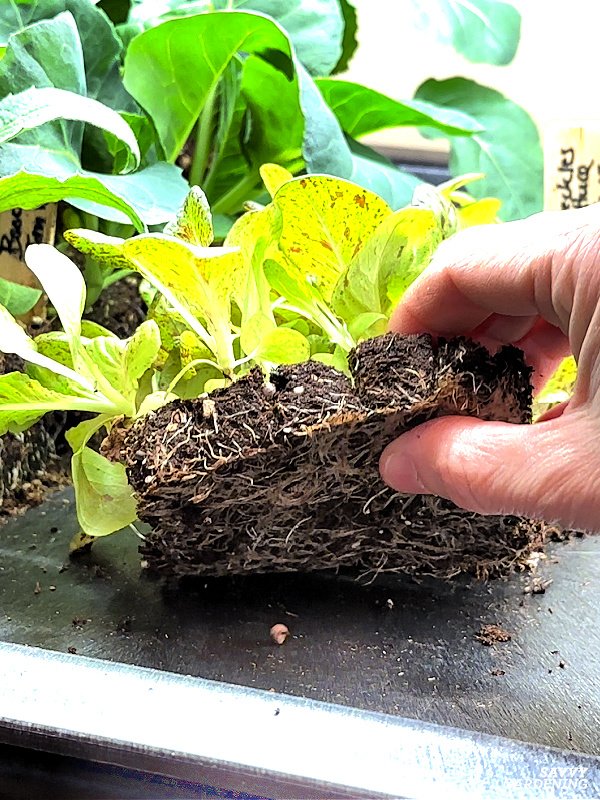
- Check roots to be white and firm, not brown or mushy
Hardening Off Process
Hardening off helps seedlings get used to outdoor conditions. It lowers transplant shock and helps plants survive better.
Start by placing seedlings outside for a few hours each day. Increase the time outside over a week or two.
- Begin with 1-2 hours in a shaded area
- Increase exposure to sunlight gradually
- Bring seedlings indoors at night until fully hardened
- Avoid strong wind or heavy rain during hardening
Watering And Soil Preparation
Water seedlings well before transplanting to keep roots moist. Dry roots can cause stress and damage.
Prepare soil by loosening it and adding compost or organic matter. This gives seedlings nutrients and good drainage.
- Water seedlings a few hours before moving them
- Loosen garden soil to about 6-8 inches deep
- Add compost or aged manure to enrich soil
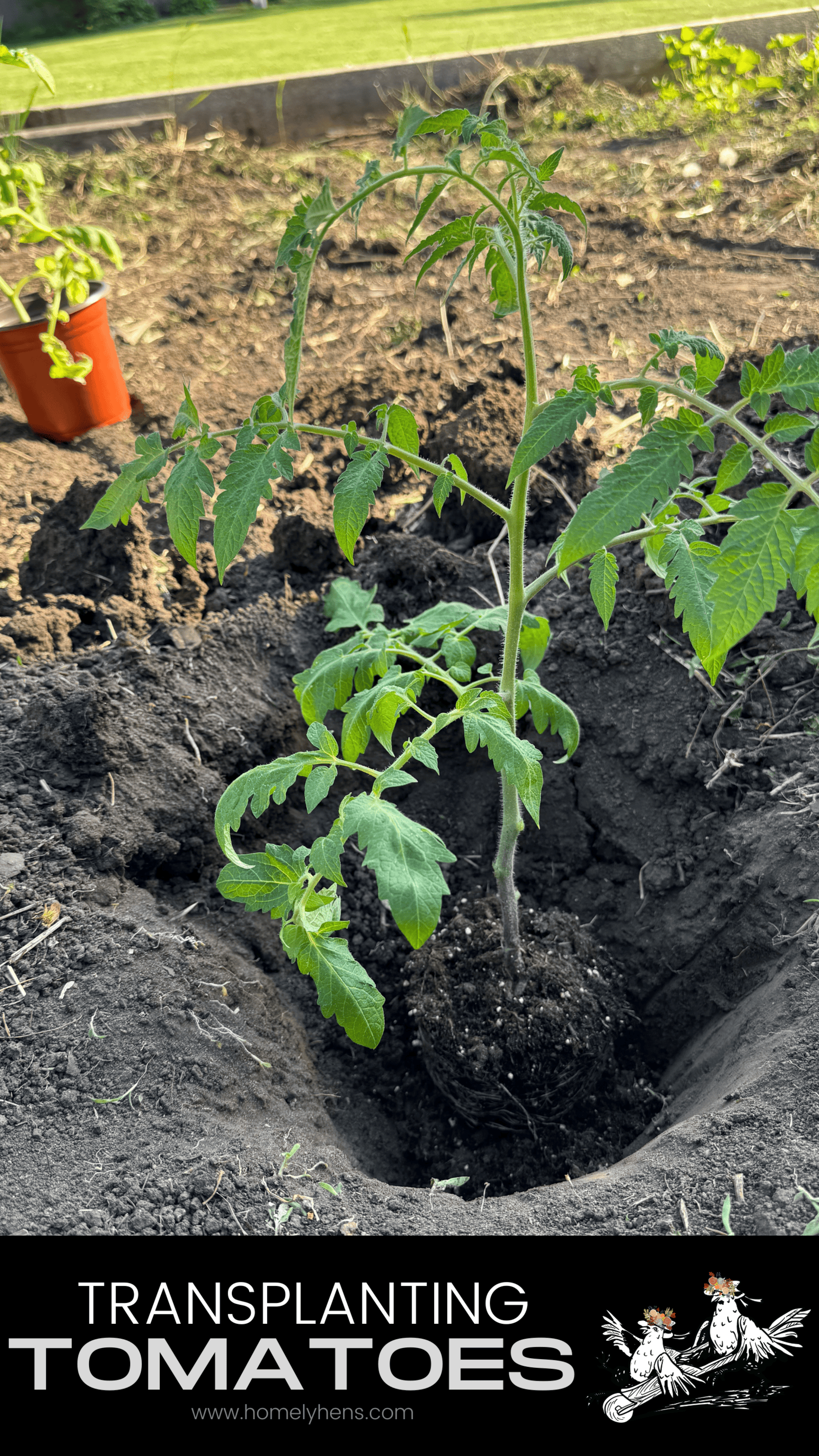
- Make holes big enough for root balls
Credit: homelyhens.com
Selecting The Best Time To Transplant
Transplanting seedlings at the right time helps plants grow strong and healthy. Knowing when to move them outdoors can prevent stress and improve survival.
This guide covers how weather, seedling growth, and timing mistakes affect the transplant process.
Ideal Weather Conditions
Good weather makes transplanting easier and safer for young plants. Avoid cold, windy, or very hot days to reduce shock.
- Choose a mild, cloudy day for less sun stress
- Wait until after the last frost date in your area
- Check soil moisture; it should be damp but not soggy
- Avoid transplanting before heavy rain or strong wind
Seedling Growth Stage
Seedlings need to reach the right size before moving outdoors. Too small or too large plants may not survive the change well.
| Growth Stage | Signs | Ideal for Transplant |
| Seedling | First true leaves appear | Yes |
| Young Plant | 3 to 4 sets of leaves | Best time |
| Mature Seedling | Too tall or root-bound | No |
Avoiding Common Timing Mistakes
Many gardeners move seedlings too soon or too late. This can cause poor growth or plant death.
- Do not transplant before the last frost risk is gone
- Avoid moving seedlings that are too small or weak
- Do not wait too long; plants can get root-bound
- Prepare soil and environment before transplanting
Tools And Materials Needed
Transplanting seedlings helps plants grow strong and healthy. Using the right tools and materials makes the process easier and safer for young plants.
This guide shows which tools and materials you need to get the best results when moving seedlings to new soil or containers.
Essential Gardening Tools
Having the right gardening tools helps you handle seedlings gently. It also makes planting faster and less stressful for plants.
- Trowel: For digging small holes and moving soil
- Hand fork: To loosen soil around roots
- Watering can: To water seedlings without washing them away
- Pruning shears: To trim damaged roots or leaves
- Gloves: To protect your hands while working
- Seedling trays or flat: To start and move seedlings
Soil Amendments And Fertilizers
Good soil helps seedlings grow strong roots. Adding amendments improves soil quality. Fertilizers give plants the nutrients they need.
Choose soil and fertilizers that fit the type of plants you are growing. Avoid harsh chemicals that can harm young plants.
- Compost: Adds organic matter and nutrients
- Peat moss or coconut coir: Improves soil moisture and texture
- Perlite or vermiculite: Helps with drainage and aeration
- Balanced fertilizer: Provides nitrogen, phosphorus, and potassium
- Bone meal or blood meal: Supplies extra nutrients for root growth
Containers And Supports
Containers give seedlings space to grow before planting outside. Supports keep plants upright as they grow taller and stronger.
Pick containers with good drainage. Use supports to avoid damage from wind or heavy growth.
- Seedling pots or trays: Plastic, peat, or biodegradable options
- Plant markers: To label different seedlings
- Stakes or small cages: Support tall or climbing plants
- Drip trays: Catch excess water and protect surfaces
- Shade cloth or covers: Protect seedlings from strong sun or pests
Step-by-step Transplanting Process
Transplanting seedlings helps plants grow strong and healthy. Doing it right reduces shock and boosts growth.
Follow simple steps to move your seedlings safely. Prepare the site, plant at the correct depth, and water properly.
Removing Seedlings Safely
Remove seedlings gently to avoid damaging roots. Water seedlings a few hours before moving to keep soil moist.
- Loosen soil around the seedling with a small tool
- Hold the seedling by its leaves, not the stem
- Lift the seedling carefully with roots intact
- Place seedlings in a shaded container until planting
Preparing The Planting Site
Good soil and space help seedlings grow fast. Clear weeds and loosen soil before planting.
| Task | Details |
| Clear Area | Remove all weeds and debris |
| Loosen Soil | Dig 6-8 inches deep for good root growth |
| Add Compost | Mix organic matter for nutrients |
| Level Surface | Make a flat area to plant evenly |
Planting Depth And Spacing
Plant seedlings at the right depth to keep roots healthy. Give each plant enough space to grow.
- Plant seedlings so their root ball is just below the soil surface
- Do not bury stems deeper than they grew in the seed tray
- Space plants according to their type: small plants 6-8 inches apart, larger ones 12-18 inches
- Check seed packet or plant label for exact spacing needs
Initial Watering Techniques
Water seedlings right after planting to settle soil and reduce stress. Use gentle watering methods.
Follow these tips for watering seedlings:
- Use a watering can with a fine rose or a gentle spray nozzle
- Water slowly to let soil absorb moisture without washing away
- Keep soil moist but not soggy for the first two weeks
- Water in the morning to reduce evaporation
Post-transplant Care Tips
Transplanting seedlings is just the start. Proper care after planting helps them grow strong.
This guide covers key tips to support healthy growth after transplanting your seedlings.
Watering Schedules
Seedlings need consistent water to settle in. Keep the soil moist but not soaked.
Water early in the day to reduce evaporation and allow roots to absorb moisture.
- Water daily for the first week after transplanting
- Reduce watering to every 2-3 days as seedlings grow
- Check soil moisture by touching the top inch of soil
Mulching Benefits
Mulch helps keep soil moist and cool. It also stops weeds from growing near seedlings.
Apply a thin layer of organic mulch around the plants but not touching the stems.
- Use straw, wood chips, or shredded leaves as mulch
- Mulch reduces water loss from the soil
- It protects roots from temperature changes
Protecting From Pests And Diseases
Seedlings are sensitive to pests and diseases after transplanting. Watch for signs early.
Use natural methods to keep plants healthy and safe without harming the environment.
- Remove damaged leaves or plants right away
- Encourage beneficial insects like ladybugs
- Keep the area clean and free of debris
- Avoid overwatering to prevent fungal diseases
Common Problems And Solutions
Transplanting seedlings can be tricky. Many gardeners face issues that hurt plant growth. Knowing common problems helps you fix them fast.
Here are some common problems and easy solutions to help your seedlings grow strong after transplanting.
Wilting And Shock
Wilting happens when seedlings lose too much water or get shocked from moving. This slows growth and can kill plants.
- Water seedlings well before and after transplanting.
- Move seedlings on cool, cloudy days to reduce stress.
- Keep roots moist and avoid damage during the move.
- Use shade cloth for a few days to protect from strong sun.
- Do not fertilize immediately; wait until plants recover.
Nutrient Deficiencies
Seedlings may show yellow leaves or weak stems if they lack nutrients. This slows their growth and health.
| Nutrient | Symptoms | Solution |
| Nitrogen | Yellow older leaves | Apply balanced fertilizer high in nitrogen |
| Phosphorus | Dark green or purple leaves | Add bone meal or phosphorus-rich fertilizer |
| Potassium | Leaf edges yellow or brown | Use potash fertilizer or compost |
| Iron | Yellow leaves with green veins | Apply iron chelates or foliar spray |
Dealing With Transplant Failure
Sometimes seedlings fail to grow after transplanting. This can happen due to poor soil, root damage, or pests.
Try these tips to handle transplant failure:
- Check soil quality and add compost for better nutrients.
- Handle roots gently and plant at the right depth.
- Watch for pests and remove them quickly.
- Keep soil moist but not soggy to avoid root rot.
- Give seedlings time to adjust before heavy watering or feeding.
Advanced Tips For Optimal Growth
Transplanting seedlings needs care to help plants grow strong. Using smart methods can improve growth and health. This guide shares advanced tips to get the best results.
These tips include using growth boosters, companion planting, and checking conditions often. Each part helps seedlings adjust and thrive after transplanting.
Using Growth Boosters
Growth boosters help seedlings get nutrients and fight stress. Choose natural options for safer, healthy growth. Use them carefully to avoid damage.
- Apply seaweed extract to promote root growth
- Use compost tea as a natural fertilizer
- Add mycorrhizal fungi to improve nutrient uptake
- Spray diluted fish emulsion for extra nitrogen
- Use humic acid to increase soil quality
Companion Planting Strategies
Planting certain species near seedlings can protect them and improve soil. Good companions reduce pests and boost growth naturally. Plan your garden to include helpful pairs.
| Seedling | Good Companion Plants | Benefit |
| Tomato | Basil, Marigold | Repels pests, improves flavor |
| Carrot | Onion, Leek | Reduces carrot flies |
| Cabbage | Dill, Mint | Attracts beneficial insects |
| Beans | Corn, Squash | Enhances nitrogen in soil |
| Lettuce | Radish, Chives | Improves growth and flavor |
Monitoring And Adjusting Conditions
Check seedlings often to keep conditions right. Watch soil moisture, light, and temperature. Adjust as needed to avoid stress and help plants grow well.
Key Monitoring Tips:
- Use a soil moisture meter to avoid overwatering.
- Move seedlings to sunnier spots if leaves turn pale.
- Protect from strong winds or cold drafts.
- Keep humidity around 50-70% for most seedlings.
- Adjust watering based on weather changes.
Credit: practicalselfreliance.com

Credit: www.sierraflowerfarm.com
Frequently Asked Questions
When Is The Best Time To Transplant Seedlings?
The best time to transplant seedlings is when they have 2-4 true leaves. This stage ensures strong growth. Transplant on a cloudy day or in the evening to reduce stress. Avoid transplanting during extreme heat or cold for best results.
How Do I Prepare Seedlings For Transplanting?
Water seedlings well a few hours before transplanting. Gently loosen soil around roots without damage. Harden off seedlings by gradually exposing them to outdoor conditions for 7-10 days. This strengthens seedlings and improves survival after transplanting.
What Soil Type Is Ideal For Transplanting Seedlings?
Use well-draining, nutrient-rich soil with organic matter. A mix of garden soil, compost, and sand works well. Avoid heavy clay or waterlogged soils. Proper soil ensures root health and promotes strong seedling growth after transplanting.
How Deep Should I Plant Seedlings When Transplanting?
Plant seedlings at the same depth they grew in their pots. Avoid burying stems too deep to prevent rot. Firm soil gently around roots to eliminate air pockets. Correct depth supports stability and healthy root development.
Conclusion
Transplanting seedlings carefully helps plants grow strong and healthy. Choose the right time and handle roots gently. Plant in good soil and water well after moving. Watch seedlings daily for signs of stress or growth. Small steps make a big difference in garden success.
Keep practicing these tips to enjoy vibrant plants. Gardening gets easier and more fun with each try. Remember, patience and care bring the best results. Your seedlings will thank you with lush, green growth.