Are your seedlings ready to move to their new homes? Transplanting seedlings into pots is a crucial step in your gardening journey.
Done right, it gives your plants the best chance to grow strong and healthy. But if you’re unsure where to start, don’t worry—you’re not alone. Imagine having a thriving garden, full of vibrant plants, right on your balcony or in your backyard.
By following this guide, you can achieve that. You’ll learn the secrets to successfully transplanting seedlings, minimizing stress, and maximizing growth. Curious about how to make your plants flourish? Keep reading to uncover the tips and tricks that seasoned gardeners swear by. Your dream garden is just a few steps away!
Choosing The Right Seedlings
Picking the right seedlings is key to growing strong plants in pots. It affects how well they grow and produce.
Look closely at seedlings before transplanting. Good choices save time and effort later.
Identifying Healthy Seedlings
Healthy seedlings show bright green leaves and firm stems. Avoid those with spots or yellowing.
- Check for strong, upright stems.
- Look for leaves without holes or discoloration.
- Avoid seedlings with mold or damp soil.
- Choose seedlings with well-developed roots.
Best Seedling Varieties For Pot Growing
Some plants do better in pots than others. Choose varieties that stay small and grow well in limited space.
| Plant Type | Best Varieties | Notes |
| Tomatoes | Cherry, Patio | Compact and fruit well |
| Herbs | Basil, Parsley | Grow quickly in pots |
| Peppers | Jalapeno, Bell | Small plants, good yield |
| Leafy Greens | Lettuce, Spinach | Fast growing, easy care |
Selecting Suitable Pots
Choosing the right pots helps seedlings grow strong and healthy. The pot material and size affect water, air, and root space. Good drainage keeps roots safe from rot.
This guide covers common pot materials and what size and drainage features to look for. These tips help your seedlings thrive after transplanting.
Material Options For Pots
Pots come in many materials. Each type has pros and cons for seedling growth. Choose one that fits your needs and budget.
- Plastic:Lightweight and affordable. Retains moisture well but can heat up in sun.
- Ceramic:Heavy and stable. Porous for good air flow but can dry out faster.
- Terracotta:Breathable and natural. Absorbs water, so needs frequent watering.
- Biodegradable:Eco-friendly and easy to plant directly in soil. May break down too fast for some seedlings.
Size And Drainage Considerations
Pick pots large enough for roots to grow but not too big to hold excess water. Drainage holes prevent water from pooling at the bottom.
| Pot Size | Root Space | Water Retention |
| Small (2-4 inches) | Good for seedlings | Dries quickly |
| Medium (5-7 inches) | For growing plants | Retains moisture well |
| Large (8+ inches) | For mature plants | May hold too much water |
Make sure your pot has holes at the bottom. If not, add some before planting. Good drainage stops root rot and keeps plants healthy.
Preparing The Soil Mix
Transplanting seedlings in pots needs good soil mix. The soil must support roots and hold moisture well.
Proper soil helps seedlings grow strong and healthy. Preparing the mix carefully is important for success.
Essential Soil Components
Good soil mix has three main parts. These parts create a balanced environment for seedlings.
They provide air, water, and nutrients to the roots. The right balance helps seedlings grow fast.
- Organic matter like compost or peat moss
- Mineral particles like sand or perlite
- Base soil such as garden soil or potting soil
Improving Soil Drainage And Fertility
Drainage stops water from staying too long around roots. Good drainage prevents root rot and disease.
Fertile soil gives seedlings the nutrients they need. Adding natural fertilizers helps plants grow strong.
- Add sand or perlite to improve drainage
- Mix in compost for nutrients and moisture retention
- Use slow-release organic fertilizer for steady feeding
- Check soil pH and adjust if needed with lime or sulfur

Credit: savvygardening.com
Timing Your Transplant
Transplanting seedlings at the right time helps them grow strong. Knowing when to move them is key to success.
Too early or too late can harm young plants. Watch for signs and weather to pick the best moment.
Signs Seedlings Are Ready
Seedlings show clear signs when they can be transplanted. Look for healthy growth and strong roots.
- At least two sets of true leaves have grown
- Seedlings stand upright without support
- Roots fill the pot but do not circle tightly
- Plants show steady growth over several days
- Leaves have a rich green color, not yellow or pale
Ideal Weather Conditions
Good weather helps seedlings adjust after transplanting. Avoid harsh sun, wind, or frost risks.
| Weather Factor | Ideal Condition |
| Temperature | 60°F to 75°F (15°C to 24°C) |
| Sunlight | Partial shade or early morning sun |
| Wind | Light breeze, avoid strong winds |
| Rain | Light rain or dry day preferred |
| Humidity | Moderate, not too dry or wet |
Step-by-step Transplant Process
Transplanting seedlings into pots helps plants grow strong roots and better health. This process needs care to avoid damage to young plants.
Follow these steps to move seedlings safely and give them the best start in their new pots.
Removing Seedlings Carefully
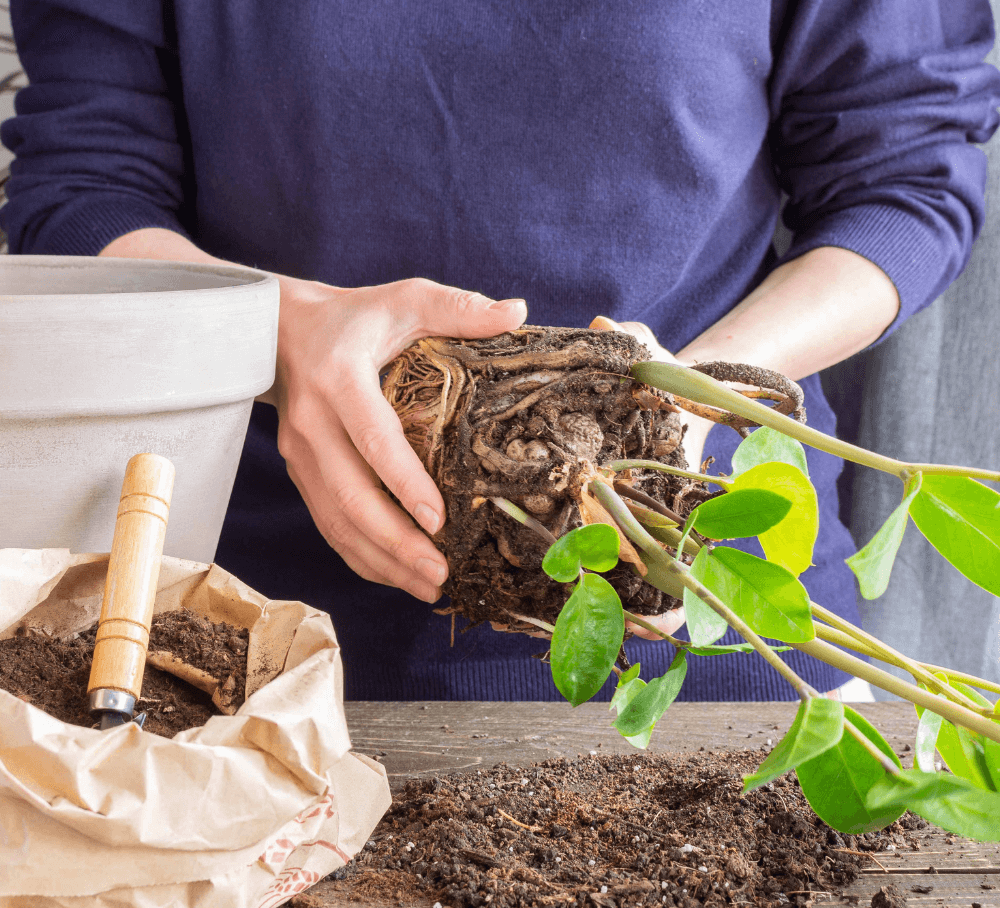
Start by gently loosening the soil around the seedlings. Avoid pulling the seedlings by their stems to protect them from injury.
Use a small tool or your fingers to lift the seedling with its root ball intact. Support the roots to keep them from breaking.
- Water seedlings a few hours before removing
- Loosen soil edges with a small tool
- Lift seedling by the root ball, not stem
- Handle seedlings gently to avoid damage
Planting Techniques In Pots
Fill pots with fresh potting soil, leaving space for the seedling’s roots. Make a hole in the soil wide enough for the roots to spread out.
Place the seedling in the hole, then fill the soil around it. Press the soil lightly to remove air pockets and support the seedling.
- Choose pots with drainage holes
- Use well-draining potting mix
- Make holes slightly bigger than root ball
- Fill and press soil gently around seedling
Watering After Transplant
Water the seedlings right after planting to help settle the soil. Use enough water to moisten the soil without flooding the pot.
Keep the soil moist but not soggy in the days after transplant. This helps the roots grow strong and avoid stress.
- Water immediately after planting
- Use a gentle watering method
- Check soil moisture daily
- Adjust watering to avoid overwatering

Credit: www.youtube.com
Post-transplant Care
After transplanting seedlings into pots, care is very important. This care helps seedlings grow strong and healthy.
Good post-transplant care includes watching growth, feeding plants well, and avoiding common problems.
Monitoring Growth And Health
Check seedlings every day for signs of growth or problems. Look for new leaves and strong stems.
Watch for yellowing leaves, drooping, or spots. These may show stress or disease.
- Observe leaf color and texture
- Check soil moisture regularly
- Look for pests or fungus
- Note growth speed and size
Fertilizing Schedule
Seedlings need nutrients after transplanting to grow well. Use a gentle fertilizer to avoid burning roots.
Feed seedlings every 1 to 2 weeks with a diluted fertilizer. Follow the instructions on the fertilizer package.
- Use a balanced liquid fertilizer
- Dilute fertilizer to half strength
- Fertilize every 7 to 14 days
- Stop fertilizing if plants look stressed
Preventing Common Problems
Take steps to avoid issues like overwatering, pests, and poor light. These problems can hurt seedlings quickly.
Keep pots in a bright place but out of direct hot sun. Water only when the top soil feels dry.
- Do not let soil stay soggy
- Use clean pots and fresh soil
- Inspect plants for insects often
- Give seedlings enough light without burning
Troubleshooting Tips
Transplanting seedlings in pots can be tricky at times. Plants may face stress or damage during the move. Knowing how to handle common problems helps your seedlings grow strong.
This guide covers ways to deal with transplant shock and how to manage pests and diseases. Use these tips to keep your seedlings healthy and thriving.
Dealing With Transplant Shock
Transplant shock happens when seedlings struggle to adjust after moving to a new pot. Leaves may wilt or turn yellow. Roots might get damaged, slowing growth.
- Water seedlings gently but deeply right after transplanting.
- Keep pots in a shaded spot for a few days to reduce stress.
- Avoid fertilizing immediately; wait until new growth appears.
- Check soil moisture often and keep it evenly moist.
- Handle roots carefully to prevent breakage during transplant.
Pest And Disease Management
Pests and diseases can harm seedlings after transplanting. Watch for signs like holes in leaves or unusual spots. Early action helps save your plants.
| Problem | Signs | Solution |
| Aphids | Small green insects on new leaves | Spray with insecticidal soap or rinse with water |
| Fungal Disease | Brown spots or powdery coating on leaves | Remove affected leaves and improve air flow |
| Root Rot | Wilting despite moist soil, brown roots | Use well-draining soil and avoid overwatering |
Credit: homelyhens.com
Frequently Asked Questions
How Do I Prepare Seedlings For Transplanting In Pots?
Prepare seedlings by watering them a day before transplanting. Gently loosen roots without damage. Choose pots with drainage holes and fill with quality potting mix.
When Is The Best Time To Transplant Seedlings Into Pots?
Transplant seedlings when they have 2-3 true leaves. Avoid transplanting during extreme heat or cold. Morning or late afternoon is ideal for less stress.
What Soil Mix Is Best For Transplanting Seedlings In Pots?
Use a lightweight, well-draining potting mix rich in organic matter. Avoid heavy garden soil as it may cause root rot and poor aeration.
How Do I Avoid Transplant Shock In Seedlings?
Handle seedlings gently and keep roots moist. Water immediately after transplanting and provide shade for a few days. Avoid fertilizing right after transplant.
Conclusion
Transplanting seedlings in pots helps plants grow strong and healthy. Choose the right pot size to give roots space. Handle seedlings gently to avoid damage. Water them well after moving to reduce stress. Place pots where plants get enough sunlight.
Watch seedlings daily for signs of growth or trouble. With patience and care, your plants will thrive. This simple step boosts your garden’s success. Try it and enjoy watching your seedlings grow tall and green. Gardening made easy, one pot at a time.