
Are you ready to get the most out of your bench grinder without risking injury? Using a bench grinder can make your projects easier and faster, but only if you know how to handle it safely.
One wrong move can lead to serious accidents or damage to your tools. This guide will walk you through simple, clear steps to protect yourself and your equipment every time you use your bench grinder. Keep reading to learn the essential safety tips that will keep your hands steady and your work flawless.
Credit: www.familyhandyman.com
Choosing The Right Bench Grinder
Using a bench grinder safely starts with picking the right tool. The right grinder matches your work needs and skill level.
Choosing the correct grinder helps you work efficiently. It also lowers the risk of accidents and injuries.
Types Of Bench Grinders
Bench grinders come in various types for different jobs. Some are small and good for light work. Others are larger and fit heavy-duty tasks.
Choosing the right type depends on your project and workspace size. Consider if you need one or two wheels on the grinder.
- Small grinders: Good for home and small repairs
- Medium grinders: Suitable for most workshop tasks
- Large grinders: Used for heavy or industrial work
- Single-wheel grinders: Take up less space and cost less
- Double-wheel grinders: Offer more versatility and balance
Selecting The Correct Wheel
Wheels on a bench grinder come in different materials and sizes. The right wheel matches the material you work on.
Using the wrong wheel can cause damage or injury. Always check the wheel’s grit and hardness before use.
- Coarse grit wheels: Remove metal fast and rough
- Fine grit wheels: Smooth and finish surfaces
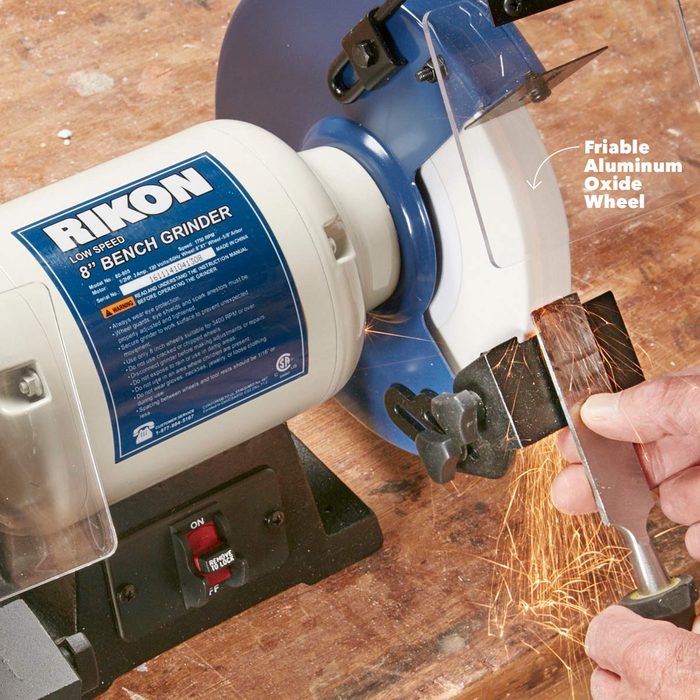
- Aluminum oxide wheels: Best for steel and iron
- Silicon carbide wheels: Good for softer metals and non-metal materials
- Wire wheels: Used for cleaning and polishing
Power And Speed Considerations
Power and speed affect how well a grinder works. Higher power means it can handle bigger jobs.
Speed is measured in RPM (revolutions per minute). Match speed to the material to avoid damage or accidents.
- Low speed (up to 3,450 RPM): Safer for delicate work
- High speed (above 3,450 RPM): Cuts and grinds faster
- More power (above 1/2 HP): Best for heavy grinding
- Less power (below 1/2 HP): Ideal for light tasks
Setting Up Your Workspace
Preparing your workspace before using a bench grinder is very important. It keeps you safe and helps your work go smoothly.
Make sure your area is organized and ready. This lowers the risk of accidents and lets you focus on your tasks.
Securing The Grinder
Place the bench grinder on a strong, flat surface. It should not move while working.
Use bolts or clamps to hold the grinder in place. This stops it from shaking or falling.
- Check that bolts are tight before each use
- Use a sturdy bench or worktable
- Keep the grinder steady to avoid accidents
Ensuring Proper Lighting
Good lighting helps you see your work clearly. This lowers the chance of mistakes and injuries.
Use bright overhead lights or a focused lamp near the grinder. Avoid shadows on your workspace.
- Use LED or fluorescent lights for clear visibility
- Position lights to shine directly on the grinder
- Check that bulbs are clean and working well
Maintaining A Clean Area
Keep your workspace free of dust and clutter. This reduces fire hazards and tripping risks.
Clean up metal shavings and debris after each use. Store tools and materials in their place.
- Wipe surfaces regularly to remove dust
- Use a brush or vacuum to clear metal shavings
- Organize cords and tools to avoid trips
Personal Protective Equipment
Using a bench grinder can be dangerous without the right safety gear. Personal protective equipment, or PPE, helps protect you from injury. It is important to wear the proper PPE every time you work with a bench grinder.
PPE reduces the risk of accidents and keeps you safe from sparks, dust, and flying debris. Below are key protective items you should always use.
Eye And Face Protection
Your eyes and face are at high risk when using a bench grinder. Sparks and small particles can cause serious injuries. Always wear safety goggles or a face shield to protect your eyes and face.
Safety glasses with side shields help block debris from all angles. A full face shield adds extra protection for your entire face.
- Wear impact-resistant safety glasses or goggles
- Use a face shield for full face protection
- Make sure your eye protection fits securely
- Replace damaged or scratched lenses immediately
Hand And Ear Safety
Hands are close to the grinding wheel and need strong protection. Wear thick, durable gloves that allow movement but protect from sparks and rough edges.
Grinding can be loud. Protect your hearing by wearing earplugs or earmuffs. This helps prevent hearing loss caused by long exposure to noise.
- Wear heavy-duty gloves that fit well
- Use earplugs or earmuffs for noise protection
- Check gloves for holes or tears before work
- Keep gloves clean to maintain grip and safety
Appropriate Clothing
Wear clothes that cover your skin and fit snugly. Loose clothing can catch on the grinder and cause accidents. Long sleeves and pants help protect your arms and legs from sparks.
Avoid jewelry and ties that dangle. Sturdy shoes protect your feet from falling objects. Choose natural fabrics like cotton because they burn less easily.
- Wear long sleeves and pants that fit well
- Remove rings, watches, and loose jewelry
- Choose natural fiber clothing like cotton
- Wear closed-toe, sturdy shoes for foot safety
Credit: www.familyhandyman.com
Operating The Bench Grinder
Using a bench grinder safely is important to avoid accidents. You need to follow certain steps before and during operation.
This guide explains how to start the grinder, position your tools correctly, and apply steady pressure while working.
Starting Procedures
Before turning on the grinder, check that the work area is clean. Make sure the grinder is securely fastened to the bench.
Wear safety glasses and ear protection. Inspect the grinding wheel for cracks or damage. Do not use a damaged wheel.
- Clear the area around the grinder
- Wear safety gear: glasses and ear protection
- Check the grinding wheel for cracks
- Secure the grinder to the bench
- Turn on the grinder and let it reach full speed
Proper Tool Positioning
Hold the tool firmly with both hands. Position it on the tool rest close to the grinding wheel.
Keep the tool at a slight angle to the grinding wheel. This helps remove material evenly and reduces damage.
- Use both hands to hold the tool steady
- Place the tool on the tool rest
- Keep a small gap between the tool and wheel
- Hold the tool at about a 15 to 30-degree angle
Maintaining Steady Pressure
Apply light, steady pressure while grinding. Pressing too hard can damage the wheel or the tool.
Move the tool slowly across the wheel to avoid overheating. Stop often to check your progress and cool the tool if needed.
- Use gentle, steady pressure
- Do not force the tool into the wheel
- Move the tool smoothly across the surface
- Pause to cool the tool if it gets hot
- Check your work regularly
Common Safety Hazards
Using a bench grinder has many risks if you do not follow safety rules. It is important to know these dangers. This helps you avoid injuries and work safely.
This guide covers some common safety hazards. Learn about wheel breakage, flying debris, sparks, and overheating. Knowing these risks keeps you safe.
Wheel Breakage Risks
The grinding wheel can break if it is old or damaged. A broken wheel can send sharp pieces flying at high speed. This can cause serious injuries.
Always check the wheel for cracks or chips before use. Do not use a wheel past its expiration date. Use the right wheel for your grinder.
- Inspect wheels before each use
- Replace wheels if damaged or old
- Do not exceed the grinder’s speed limit
- Use safety guards on the grinder
Flying Debris And Sparks
Grinding creates sparks and small particles. These can fly off and hit your skin or eyes. Sparks may also start fires if they land on flammable materials.
Wear safety goggles and a face shield to protect your eyes and face. Clear the work area of anything that can catch fire. Keep a fire extinguisher nearby.
- Always wear eye and face protection
- Remove flammable items from the area
- Work in a well-ventilated space
- Use a spark guard if available
Overheating And Burns
Grinding makes metal hot quickly. Touching hot metal or the grinder wheel can cause burns. Overheating can also damage the tool and the workpiece.
Take breaks to let the metal cool. Use water or oil to cool the metal if needed. Wear gloves to protect your hands from heat and sparks.
- Do not touch hot metal immediately
- Cool metal with water or oil safely
- Wear heat-resistant gloves
- Do not force the workpiece into the wheel
Maintenance And Inspection
Regular maintenance keeps your bench grinder working well. It also helps prevent accidents. Inspection helps find problems early.
Check all parts before using the grinder. Fix or replace any damaged parts right away.
Checking Wheel Condition
Look closely at the grinding wheels before each use. Make sure there are no cracks or chips. Damaged wheels can break apart and cause injury.
Spin the wheels slowly by hand. Listen for unusual sounds or vibrations. If you find any, do not use the grinder.
- Check for cracks, chips, or uneven wear
- Spin wheels to detect noise or wobbling
- Replace wheels if damaged or worn out
Adjusting Tool Rests And Guards
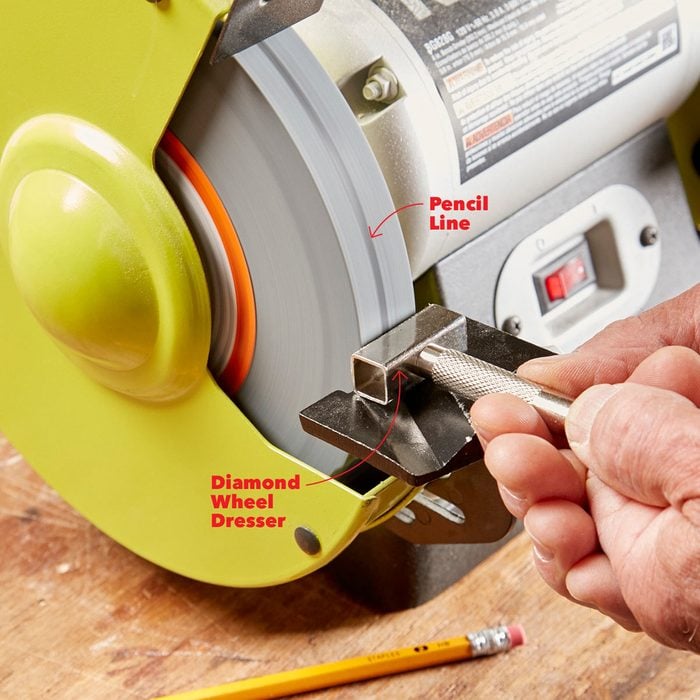
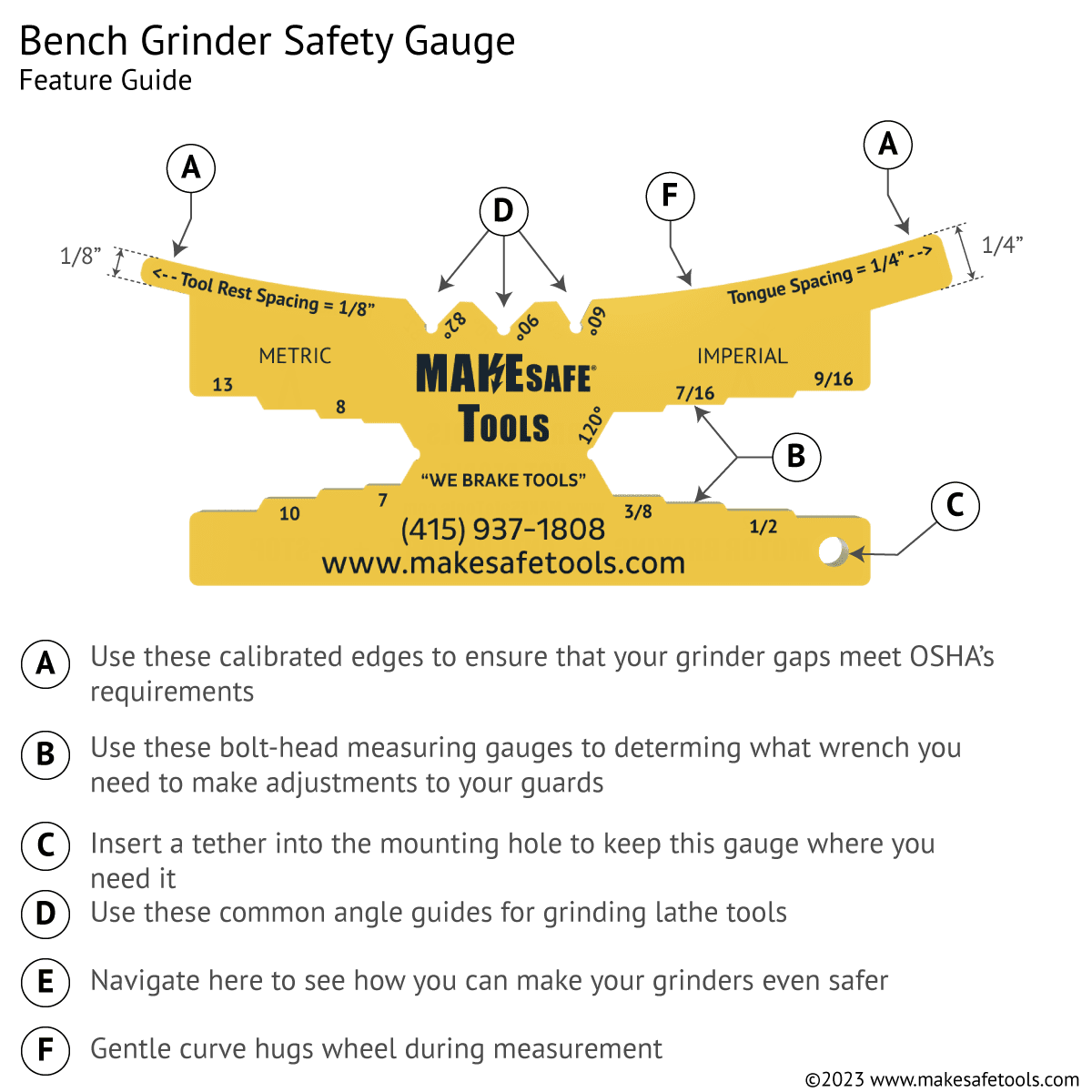
Tool rests should be close to the wheels to support your workpieces. Keep the gap less than 1/8 inch. This helps prevent the piece from getting caught.
Make sure the guards cover the wheels properly. Guards protect you from sparks and debris. Adjust them so they do not block your view but offer safety.
- Keep tool rests tight and close to wheels
- Check that guards fully cover grinding wheels
- Adjust guards to allow clear visibility
Lubrication And Cleaning
Lubricate moving parts regularly to keep them running smoothly. Use the type of oil or grease recommended by the manufacturer.
Clean dust and debris off the grinder after each use. Dust can cause overheating and damage. Use a brush or compressed air for cleaning.
- Apply proper lubricant to bearings and shafts
- Wipe down the grinder to remove dust
- Keep vents clear to avoid overheating
Troubleshooting Issues
Using a bench grinder safely means knowing how to fix common problems. Troubleshooting helps you keep the machine running well.
This guide covers common issues like vibration, noise, uneven grinding, and wheel replacement tips.
Vibration And Noise Problems
Vibration and noise can be signs of trouble. They may cause unsafe working conditions or damage the grinder.
Check if the grinder is on a stable surface. Loose bolts or worn bearings often cause shaking and loud sounds.
- Tighten all mounting bolts
- Inspect and replace worn bearings
- Balance the grinding wheels properly
- Make sure the grinder is on a flat, steady surface
Uneven Grinding
Uneven grinding means the wheel is not smoothing the material evenly. This can damage the workpiece or the wheel.
Check if the wheel is worn or has flat spots. Also, make sure the tool rest is adjusted close to the wheel.
- Replace wheels with uneven wear
- Adjust tool rest to 1/8 inch from the wheel
- Avoid pressing too hard on the wheel
- Use consistent pressure while grinding
Wheel Replacement Tips
Replacing the wheel is important for safety and good results. Use the right wheel for your grinder and task.
Always unplug the grinder before changing wheels. Inspect the new wheel for cracks before installation.
- Match the wheel size and speed rating
- Wear safety glasses and gloves when replacing wheels
- Tighten the wheel nut securely, but do not overtighten
- Test the grinder at low speed after installing a new wheel
Credit: makesafetools.com
Frequently Asked Questions
What Is A Bench Grinder Used For?
A bench grinder is a versatile tool used for sharpening, grinding, and shaping metal or other materials. It’s commonly used in workshops for tasks like sharpening tools, removing rust, or polishing surfaces. With the right attachments, it can handle various DIY and professional projects efficiently.
How Do You Properly Use A Bench Grinder?
To use a bench grinder safely, always wear protective eyewear and gloves. Secure the grinder on a stable surface. Hold the material firmly and move it steadily across the grinding wheel. Keep fingers away from the wheel and be mindful of the sparks produced during grinding.
What Safety Precautions Are Necessary?
Always wear safety goggles and gloves when using a bench grinder. Ensure the tool is securely mounted. Maintain a safe distance from the wheel. Regularly check the condition of the grinding wheel for wear and tear. Keep the work area clean and free from flammable materials.
How Often Should The Grinding Wheel Be Replaced?
Replace the grinding wheel when it shows signs of wear, such as chipping or cracking. Regularly inspect the wheel for uneven surfaces or vibrations during use. A well-maintained wheel ensures efficient grinding and reduces the risk of accidents. Always follow the manufacturer’s guidelines for replacement intervals.
Conclusion
Using a bench grinder safely protects you from serious injuries. Always wear safety gear like goggles and gloves. Check the grinder before each use for any damage. Keep your work area clean and well-lit. Stay focused and avoid distractions while grinding.
Follow these simple steps every time you work. Safe habits help you finish tasks quickly and well. Practice safety to enjoy your projects without worry. Stay careful, and your bench grinder will serve you well.