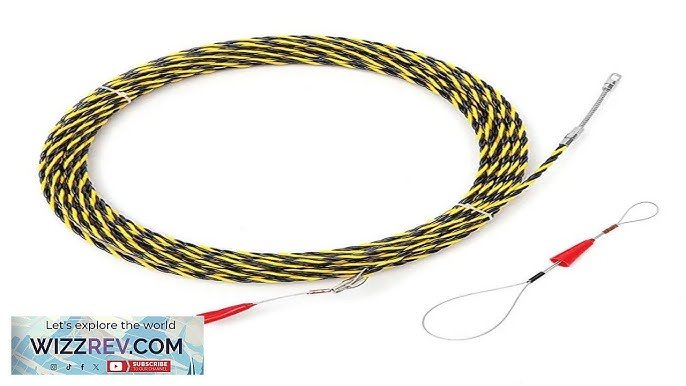
Are you ready to master the art of using a cable puller effectively? Whether you’re a seasoned professional or a DIY enthusiast, understanding how to handle this versatile tool can save you time, effort, and money.
Imagine effortlessly pulling cables through tight spaces or heavy wires across long distances with ease and precision. In this guide, we’ll unravel the secrets of using a cable puller, turning a potentially daunting task into a simple and efficient process.
Stay with us to discover practical tips and tricks that will not only boost your confidence but also ensure your projects are completed smoothly and safely. Let’s dive in and transform how you tackle your cable-pulling challenges!
Choosing The Right Cable Puller
Choosing the right cable puller makes your work safer and easier. You need to know the types and features before buying one.
This guide helps you find the best cable puller for your project. Learn what to look for and why safety matters.
Types Of Cable Pullers
Cable pullers come in different types. Each type fits certain tasks and cable sizes.
- Manual Cable Pullers:Use hand power. Best for light or medium jobs.
- Electric Cable Pullers:Powered by electricity. Good for heavy or long pulls.
- Hydraulic Cable Pullers:Use fluid pressure. Ideal for very heavy cables.
- Ratchet Cable Pullers:Use a ratchet mechanism. Easy to control tension.
Factors To Consider
Pick a cable puller that fits your cable type and job size. Check its weight and ease of use.
| Factor | Details |
| Pulling Capacity | Match cable weight and tension needs |
| Length of Pull | Choose puller with enough cable length |
| Power Source | Manual, electric, or hydraulic options |
| Portability | Consider weight and size for transport |
| Durability | Look for strong materials and build quality |
Safety Ratings And Certifications
Always check safety ratings before buying. Certified pullers meet strict standards.
- Look for OSHA compliance for workplace safety.
- Check for CE marking in Europe for quality assurance.
- ANSI certification ensures performance and safety.
- Read product manuals and safety instructions carefully.
Preparing For Cable Pulling
Using a cable puller safely starts with good preparation. You need to check your tools and the work area first.
Planning your pull route helps avoid problems and saves time. Follow these steps to get ready.
Inspecting The Equipment
Check the cable puller and all related gear before use. Look for damage or wear that could cause trouble.
- Examine the cable for cuts or frays.
- Test the puller’s mechanical parts for smooth movement.
- Check hooks, clamps, and grips for cracks or bends.
- Ensure all safety locks and brakes work properly.
- Lubricate moving parts if needed.
Assessing The Worksite
Look at the site where you will pull the cable. Find any risks and plan how to stay safe.
| Potential Hazard | How to Manage |
| Uneven ground | Use stable platforms or mats |
| Obstacles in path | Clear area before starting |
| Overhead wires | Maintain safe distance |
| Wet or slippery surfaces | Wear proper footwear |
| Poor lighting | Use portable lights |
Planning The Pull Route
Map out the cable path before pulling. Make sure the route is clear and easy to follow.
- Measure the distance of the pull.
- Check for bends or tight spots.
- Identify points to attach the puller safely.
- Plan for enough space to handle the cable.
- Note any turns where extra care is needed.
Setting Up The Cable Puller
Using a cable puller correctly helps you move cables safely and smoothly. Setting it up right is important to avoid damage and accidents.
This guide covers the key steps to prepare your cable puller for work. Follow these tips for better results and safety.
Positioning The Puller
Place the cable puller on a flat, stable surface. Make sure it faces the direction you want to pull the cable. Avoid uneven ground to keep the tool steady during use.
Check the puller’s alignment with the cable path. A straight line reduces friction and helps the cable move smoothly.
Securing Anchors
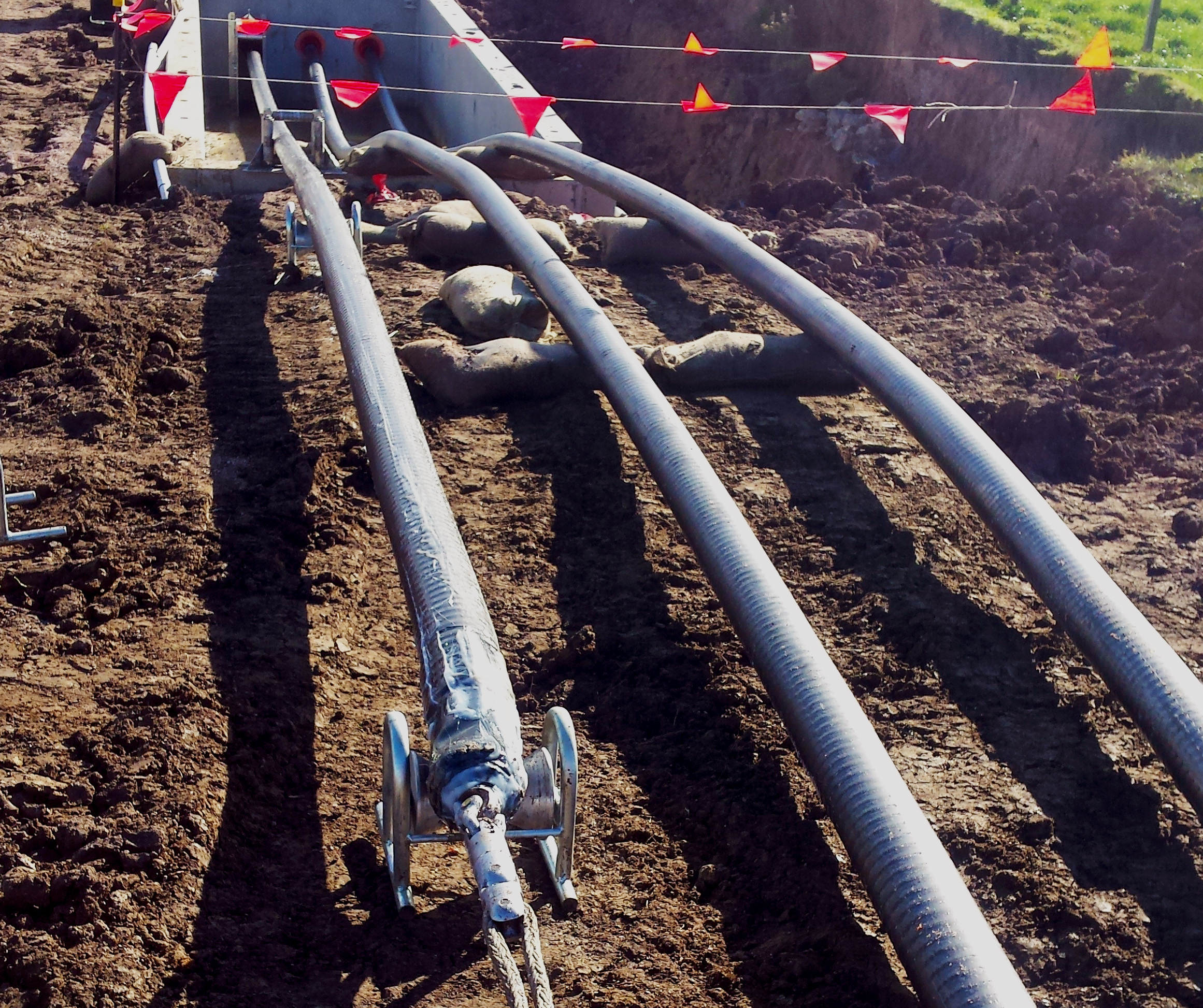
Anchors hold the cable puller in place while you work. Secure them firmly to strong points like trees, poles, or heavy equipment. Loose anchors can cause the puller to shift or slip.
- Choose anchor points that can handle the pull force.
- Use chains, straps, or ropes made for heavy loads.
- Double-check all connections before starting.
Attaching Cables Properly
| Step | Action | Tip |
| 1 | Wrap the cable end around the puller hook. | Use gloves to protect your hands. |
| 2 | Secure the cable with a clamp or clip. | Make sure it is tight to avoid slipping. |
| 3 | Check the cable for any damage before pulling. | Replace if frayed or weak. |
| 4 | Keep the cable straight to reduce wear. | Adjust the puller position if needed. |
Techniques For Effective Cable Pulling
Using a cable puller correctly helps to avoid damage to cables and saves work time. Good techniques make the pulling smooth and safe.
Follow simple steps to keep the cable in good condition and reduce the effort needed during pulling.
Maintaining Proper Tension
Keep the tension on the cable steady to prevent stretching or breaking. Too much tension can damage the cable, while too little can cause it to get stuck.
Watch the tension meter or gauge closely. Adjust the puller to keep tension inside safe limits. This helps the cable move smoothly through conduits.
- Check tension regularly during pulling
- Stop if tension suddenly increases
- Use tension control devices if possible
Using Lubricants
Lubricants reduce friction between the cable and the conduit walls. This makes pulling easier and lowers the risk of damage to the cable.
Choose a lubricant that is safe for your cable type. Apply it evenly along the cable before pulling to get the best results.
- Use water-based or silicone lubricants for most cables
- Avoid oil-based lubricants on sensitive cables
- Apply enough lubricant to cover the whole cable surface
Monitoring Pull Speed
Pull the cable at a steady and controlled speed. Pulling too fast can cause the cable to get stuck or damaged.
Watch the cable’s movement and adjust your speed. Slow down if the cable shows signs of stress or resistance.
- Keep pull speed slow and steady
- Stop pulling if the cable tightens suddenly
- Use a mechanical puller with speed control if available
Troubleshooting Common Issues
Using a cable puller can be tricky if problems occur. Knowing how to fix common issues saves time and effort.
This guide covers common problems like cable snags, equipment malfunctions, and cable damage. Follow these tips for smooth work.
Dealing With Cable Snags
Cable snags happen when the cable catches on something during pulling. This can stop your work and damage the cable.
To fix snags, stop pulling immediately. Check the cable path and remove any obstacles. Pull slowly to avoid new snags.
- Inspect the cable route before pulling
- Clear rocks, dirt, or debris
- Use gloves to handle the cable safely
- Pull gently to feel any resistance
Handling Equipment Malfunctions
Equipment can fail due to wear or poor maintenance. Common problems include stuck handles or broken gears.
Stop using the puller if it malfunctions. Check for visible damage and clean moving parts. Lubricate gears if needed.
- Inspect the tool before each use
- Keep the puller clean and dry
- Lubricate gears and joints regularly
- Replace worn or broken parts quickly
- Store the puller in a safe place
Preventing Cable Damage
Damaged cables can cause delays and safety risks. Avoid kinks, cuts, and abrasion by handling cables carefully.
Use the right tools and techniques to protect the cable. Always follow the manufacturer’s guidelines for cable pulling.
- Use cable lubricants to reduce friction
- Avoid sharp bends and twists
- Keep cables off rough surfaces
- Do not exceed the cable’s pulling strength
- Inspect cables before and after use

Credit: www.amazon.co.uk
Safety Tips And Best Practices
Using a cable puller requires care to avoid accidents. Following safety tips helps protect you and others on site.
This guide covers essential safety steps and best practices for working with cable pullers.
Personal Protective Equipment
Wear the right gear before using a cable puller. This gear shields you from injuries and hazards.
- Hard hat to protect your head
- Safety gloves to avoid hand injuries
- Steel-toe boots to guard your feet
- Eye protection to prevent debris damage
- High-visibility clothing for clear visibility
Avoiding Overloading
Do not pull more weight than the cable puller’s limit. Overloading causes damage and risks injury.
| Puller Model | Maximum Load (lbs) | Recommended Cable Size (inches) |
|---|---|---|
| Model A | 2000 | 0.5 – 1 |
| Model B | 3000 | 0.75 – 1.25 |
| Model C | 4000 | 1 – 1.5 |
Emergency Procedures
Be ready to act quickly if something goes wrong. Knowing emergency steps can save lives.
- Stop using the cable puller immediately
- Release the tension on the cable carefully
- Warn others and clear the area
- Report the incident to your supervisor
- Seek medical help if needed
Maintenance And Storage
Proper care keeps your cable puller working safely and well. Regular maintenance extends its life.
Store the tool correctly to avoid damage and make it ready for the next use.
Cleaning After Use
Always clean the cable puller after each use. Dirt and grease can cause wear and rust.
- Wipe the cable and body with a dry cloth.
- Use a brush to remove dirt from tight spots.
- Apply light oil to metal parts to stop rust.
- Check for stuck debris that may block moving parts.
Regular Inspections
Inspect your cable puller before and after use to catch problems early.
| Part | What to Check |
| Cable | Look for frays or broken strands |
| Hook | Check for cracks or bends |
| Handle | Ensure no cracks and smooth movement |
| Gears | Check for wear and proper engagement |
Proper Storage Techniques
Store the cable puller in a dry place to prevent rust and damage.
- Keep the cable puller off the ground on shelves or hooks.
- Do not coil the cable too tightly to avoid kinks.
- Cover the tool with a cloth or plastic to keep dust away.
- Store in a cool area away from direct sunlight.
Credit: www.tengroup.com.au
Credit: tradefoxapp.com
Frequently Asked Questions
What Is A Cable Puller Used For?
A cable puller is a tool designed to pull electrical cables through conduits. It ensures smooth, safe cable installation in construction and maintenance.
How Do You Operate A Cable Puller Safely?
Always wear protective gear and check the puller’s condition. Secure cables properly and avoid sudden jerks to prevent damage and injury.
Can A Cable Puller Handle Different Cable Sizes?
Yes, most cable pullers are adjustable to fit various cable diameters, making them versatile for different electrical wiring tasks.
How Do I Maintain My Cable Puller?
Clean the puller after use, lubricate moving parts, and inspect for wear. Proper maintenance extends its lifespan and ensures reliable performance.
Conclusion
Using a cable puller correctly saves time and effort. Always follow safety steps to avoid accidents. Check your tools before starting any job. Keep the cable straight and avoid sharp bends. Take your time and work carefully. Practice makes the process easier and safer.
A good cable puller helps you finish tasks faster. Stay alert and focused while working. With these tips, you can handle cable pulling better. Simple steps lead to successful and safe results every time.