
Are you planning a woodworking project with hardwood but feeling a bit daunted by the idea of using a circular saw? You’re not alone!
Many DIY enthusiasts and even seasoned woodworkers find hardwood cutting to be a challenging task. But with the right guidance, you can master this essential tool and transform your projects from average to extraordinary. Imagine the satisfaction of creating smooth, precise cuts that bring your woodworking visions to life.
This guide will provide you with simple, step-by-step instructions to help you confidently use a circular saw on hardwood, ensuring safety and efficiency. So, are you ready to enhance your skills and take your woodworking projects to the next level? Let’s get started!

Credit: www.findbuytool.com
Choosing The Right Circular Saw
Using a circular saw for hardwood requires the right tool. Picking the correct saw helps you cut smoothly and safely. This guide covers key points to consider before buying.
Focus on the blade, power, size, and safety features. Each part affects your work and results. Read on to learn what to look for.
Blade Types For Hardwood
Choosing the right blade is important for clean cuts. Hardwood needs blades made for tough materials. Look for blades with many teeth and strong tips.
- Carbide-tipped blades last longer and stay sharp.
- High tooth count blades give smoother cuts.
- Thin-kerf blades reduce waste and make cutting easier.
- Blades with alternate top bevel teeth help clear sawdust quickly.
Power And Size Considerations
| Feature | Recommended for Hardwood |
|---|---|
| Motor Power | 15 amps or higher for smooth cutting |
| Blade Diameter | 7 1/4 inches is common and versatile |
| Weight | 5 to 8 pounds for easy handling |
| Battery (if cordless) | 18V or higher for longer run time |
More power helps cut hardwood without slowing down. Size matters for depth and control. Balance power with weight for comfort.
Safety Features To Look For
Safety is key when using a circular saw. Choose saws with guards and easy-to-reach switches. Features that protect help avoid accidents.
- Electric brakes stop the blade fast after release.
- Blade guards cover the blade when not cutting.
- Lock-off switches prevent accidental starts.
- Comfortable grips reduce hand fatigue.
Preparing For Your Cut
Using a circular saw on hardwood needs careful preparation. Taking time now helps you get clean, safe cuts.
Learn how to pick the wood, mark it correctly, and set your saw before cutting.
Selecting The Hardwood
Choose hardwood that fits your project needs. Look for boards without cracks or knots. Hardwoods like oak and maple are strong and durable.
- Check for flat, straight boards
- Avoid wood with splits or large knots
- Pick the right thickness for your project
- Ensure the wood is dry to prevent warping
Marking And Measuring Accurately
Accurate marking guides your cut and keeps it straight. Use a pencil and a ruler or measuring tape to mark your lines clearly.
Tips for marking your hardwood:
- Measure twice to avoid mistakes
- Use a square tool to draw straight lines
- Mark the cut line on the face you will see
- Make light marks to avoid sanding marks later
Setting Blade Depth And Angle
Adjust the saw blade depth to cut through the wood without cutting too deep. Set the blade angle for straight or beveled cuts.
| Blade Setting | Purpose | How to Adjust |
| Depth | Cut through wood without excess | Set blade 1/4 inch deeper than wood thickness |
| Angle | Make straight or bevel cuts | Use bevel gauge or saw scale to set angle |
Cutting Techniques
Using a circular saw for hardwood needs careful cutting techniques. These methods help you get clean and safe cuts.
This guide covers straight cuts, bevel cuts, and tips to avoid common mistakes during your work.
Straight Cuts
Straight cuts are the most common type for hardwood. Mark your cut line clearly before starting.
Keep the saw steady and move it slowly along the line. Use a guide or straight edge to help keep the cut straight.
Bevel Cuts
Bevel cuts angle the blade to cut hardwood at a slant. Set the saw’s bevel angle before cutting.
- Check the angle on the saw’s bevel gauge.
- Secure the wood firmly to stop movement.
- Cut slowly to keep the angle accurate.
- Use a scrap piece to test the angle first.
Avoiding Common Mistakes
| Mistake | How to Avoid |
|---|---|
| Blade binds in wood | Keep blade sharp and guide saw straight |
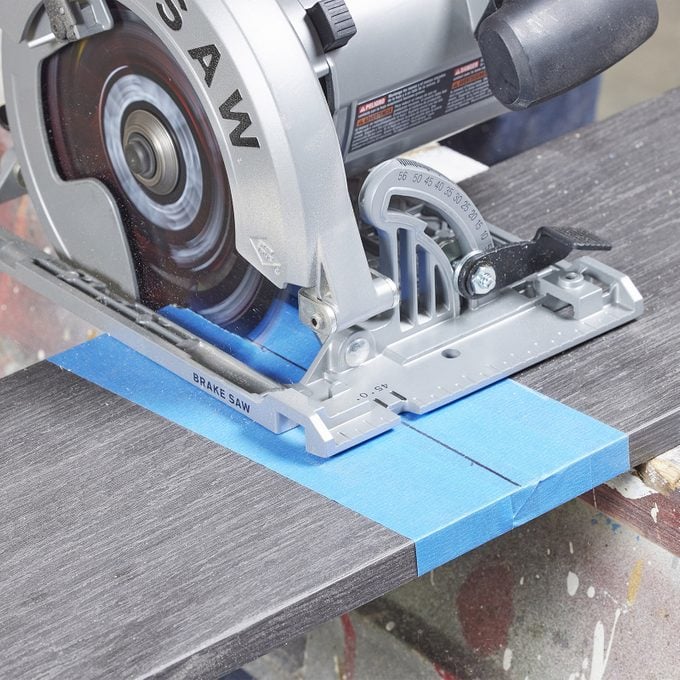
| Rough or splintered edges | Use masking tape along cut line for cleaner edges |
| Cutting too fast | Cut at a steady, slow pace for control |
| Inaccurate angle settings | Double-check bevel angle before cutting |
Credit: www.familyhandyman.com
Maintaining Your Circular Saw
Keeping your circular saw in good shape helps it work better and last longer. Regular care prevents problems and keeps cutting smooth.
Simple maintenance tasks like cleaning, sharpening, and proper storage protect your tool and improve safety.
Cleaning And Lubricating
Clean your circular saw after every use. Remove sawdust, dirt, and debris from the blade and motor parts.
Lubricate moving parts lightly with machine oil. Avoid over-oiling as it attracts more dust.
- Use a brush or compressed air to clear dust
- Wipe the blade with a dry cloth
- Apply oil to the blade guard and adjustment levers
- Keep the motor vents clear for airflow
Blade Sharpening And Replacement
A sharp blade cuts hardwood cleanly and safely. Dull blades make the saw work harder and can cause kickback.
Check the blade regularly for dull teeth or damage. Replace or sharpen the blade if cutting slows or burns wood.
- Remove the blade carefully before sharpening or replacing
- Use a professional sharpening service or a sharpening tool
- Choose the right blade type for hardwood cutting
- Follow the saw’s manual for blade installation
Storage Tips
Store your circular saw in a dry, clean place to prevent rust and damage. Avoid areas with high humidity.
Keep the saw in its case or cover it with a cloth to protect it from dust and moisture.
- Unplug the saw before storing
- Remove the blade or lock the blade guard
- Keep the cord coiled without tight bends
- Store in a safe place away from children
Safety Tips For Hardwood Cutting
Using a circular saw on hardwood can be risky without the right safety steps. Hardwood is tough and can cause the saw to kick back.
Follow safety tips to protect yourself and get clean cuts. Always prepare before starting the saw.
Personal Protective Equipment
Wear the correct protective gear to avoid injuries. Safety glasses protect your eyes from flying wood chips.
Use ear protection to reduce noise from the saw. Gloves help protect your hands but avoid loose ones that can catch in the blade.
- Safety glasses or goggles
- Ear plugs or earmuffs
- Close-fitting work gloves
- Dust mask for sawdust
Work Area Setup
Keep your work area clean and clear of obstacles. Make sure the hardwood piece is stable and well supported.
Good lighting helps you see the cutting line clearly. Remove any loose objects that can cause tripping or distractions.
- Clear debris and tools from the floor
- Use clamps to hold hardwood firmly
- Work on a stable, flat surface
- Ensure bright lighting in the area
Handling Kickback
Kickback happens when the saw blade suddenly jumps back toward you. It can cause serious injury if you are not ready.
Hold the saw firmly with both hands and keep your body out of the blade’s path. Always stand to the side, not directly behind the saw.
- Use a saw with a sharp blade
- Hold the saw tightly with both hands
- Stand to the side of the cutting line
- Do not force the saw; let it cut at its own speed
Troubleshooting Common Issues
Using a circular saw on hardwood can be tricky. Some problems may happen often. Fixing these issues makes your work easier and safer.
This guide covers three common problems: blade binding, uneven cuts, and overheating. Learn how to spot and solve each one.
Blade Binding
Blade binding happens when the saw blade gets stuck in the wood. This can stop your cut and cause damage. It often occurs if the wood pinches the blade or if the blade is dull.
- Use a sharp blade made for hardwood
- Keep the saw base flat on the wood
- Do not force the saw through the cut
- Secure the wood to prevent movement
- Make sure the blade depth matches the wood thickness
Uneven Cuts
Uneven cuts happen when the saw wanders or the wood moves. This problem lowers the quality of your work. It can be caused by poor saw control or wrong setup.
| Cause | Fix |
| Saw not held steady | Use both hands to hold the saw firmly |
| Wood shifts during cutting | Clamp the wood securely before cutting |
| Incorrect guide use | Use a straight edge or guide rail for accuracy |
| Blade not aligned | Check and adjust the blade angle and depth |
Overheating Problems
Overheating can harm the saw blade and motor. It often happens with long cuts or dull blades. Heat build-up can burn the wood and reduce blade life.
To prevent overheating:
- Use a sharp blade suited for hardwood
- Take breaks during long cuts to cool the saw
- Make sure the saw is clean and well-maintained
- Do not force the saw; let it cut at its own pace
- Check that the saw’s motor vents are not blocked

Credit: www.familyhandyman.com
Frequently Asked Questions
What Blade Type Is Best For Cutting Hardwood?
Use a carbide-tipped blade with 40 to 60 teeth for hardwood. It ensures clean, smooth cuts and lasts longer when cutting dense wood.
How To Adjust Blade Depth On A Circular Saw?
Set the blade depth so it extends about 1/4 inch below the hardwood. This minimizes splintering and ensures a safe, efficient cut.
Can I Use A Circular Saw Without A Guide For Hardwood?
Yes, but using a straight edge guide improves accuracy and safety. It helps achieve precise, straight cuts on hardwood surfaces.
What Safety Gear Should I Wear When Using A Circular Saw?
Always wear safety glasses, ear protection, and a dust mask. Gloves and sturdy footwear also protect against debris and accidents.
Conclusion
Using a circular saw on hardwood needs care and focus. Always check your blade and measure twice before cutting. Take your time to keep cuts straight and safe. Wear protective gear to avoid injuries. Practice on scrap wood to build confidence.
Following these tips helps you get clean, smooth cuts every time. Enjoy your woodworking projects with ease and safety.