Are you ready to take on your next woodworking project with a circular saw? Before you start, it’s crucial to know how to use this powerful tool safely.
One small mistake can lead to serious injury, but with the right precautions, you can protect yourself and work with confidence. This guide will walk you through simple, effective safety tips that anyone can follow. Keep reading to discover how to handle your circular saw like a pro—and keep your fingers exactly where they belong.
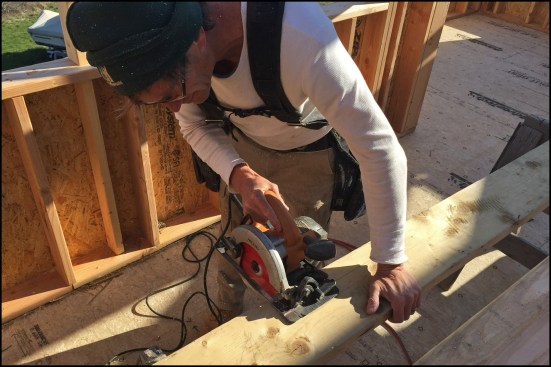
Credit: www.jlconline.com
Choosing The Right Circular Saw
Choosing the right circular saw is important for safety and efficiency. Different saws fit different jobs and skill levels.
This guide helps you understand types of saws, blade choices, and power options. You will learn what to pick for your work.
Types Of Circular Saws
Circular saws come in various types. Each type serves a specific purpose and suits different tasks.
- Sidewinder saws:Common and lightweight. Motor sits beside the blade.
- Worm drive saws:More powerful with motor behind the blade. Good for heavy tasks.
- Cordless saws:Battery-powered for portability. Best for small jobs or where no power outlet is near.
- Track saws:Designed for straight, long cuts. Use a guide rail for precision.
Blade Selection
Picking the right blade affects the cut quality and safety. Blades vary by size, teeth count, and material.
| Blade Type | Use | Teeth |
|---|---|---|
| Crosscut blade | Cutting across the grain of wood | 60 to 80 |
| Rip blade | Cutting along the grain of wood | 24 to 30 |
| Combination blade | General purpose wood cutting | 40 to 50 |
| Metal cutting blade | Cutting metal and plastic | 40 to 80 |
| Masonry blade | Cutting brick, concrete, or tile | N/A (abrasive) |
Power And Size Considerations
Power and size affect what jobs you can do and how easy the saw is to control.
Here are key points to consider:
- Blade diameter:Smaller blades (5-1/2 to 6-1/2 inches) are lighter and good for thin materials.
- Motor power:Higher amps or voltage means stronger cuts but heavier saw.
- Weight:Lighter saws reduce fatigue but may offer less power.
Essential Safety Gear
Using a circular saw requires careful attention to safety. Wearing the right gear protects you from injuries. It also helps you work more comfortably and confidently.
This guide covers key safety equipment to use when operating a circular saw. Follow these guidelines to stay safe on the job.
Eye And Ear Protection
Eye protection stops wood chips and dust from hurting your eyes. Ear protection guards your hearing from loud saw noise. Always wear both when cutting wood.
- Wear safety goggles or glasses with side shields
- Use earplugs or earmuffs to reduce noise exposure
- Ensure eye protection fits well and does not fog
- Replace ear protection if it becomes damaged or dirty
Gloves And Clothing
Gloves protect your hands from splinters and cuts. Wear tight-fitting gloves to keep good control of the saw. Avoid loose clothing that can catch in the blade.
| Gear | Purpose | Tips |
| Gloves | Protect hands from splinters and abrasions | Use gloves that fit snugly without bulk |
| Clothing | Prevent loose fabric from catching in saw | Wear fitted long sleeves and avoid jewelry |
| Footwear | Protect feet from dropped wood or saw | Use closed-toe shoes with good grip |
Dust Masks And Respirators
Sawing produces wood dust that harms your lungs. A dust mask or respirator filters out tiny particles. Use the right mask for your work environment.
Choose masks based on dust type:
- Disposable dust masks for light dust and short jobs
- Respirators with replaceable filters for heavy dust or longer work
- Make sure masks fit tightly over nose and mouth
- Check and replace filters regularly
Preparing Your Workspace
Setting up your workspace is important for safe circular saw use. A clean, organized area helps avoid accidents.
Before cutting, take time to prepare your space well. This prevents injuries and improves your work quality.
Clearing The Area
Remove all clutter and obstacles around your cutting zone. This gives you room to move safely.
Check for cords, tools, or debris on the floor. Clear them away to avoid tripping or slipping.
Securing The Material
Hold the wood or material firmly before cutting. Use clamps or a stable surface to keep it from moving.
Moving material can cause the saw to kick back. Secure it well to keep control and cut straight.
- Use clamps to hold material on a workbench
- Place wood on sawhorses for support
- Check that material does not wobble
Proper Lighting And Ventilation
Good lighting helps you see the cut line clearly. Work in a bright area or add extra lights.
Ventilation removes dust and fumes. Open windows or use fans to keep air moving while cutting.
- Ensure overhead lights cover the workspace
- Use a dust mask to protect your lungs
- Keep a fan blowing dust away from you
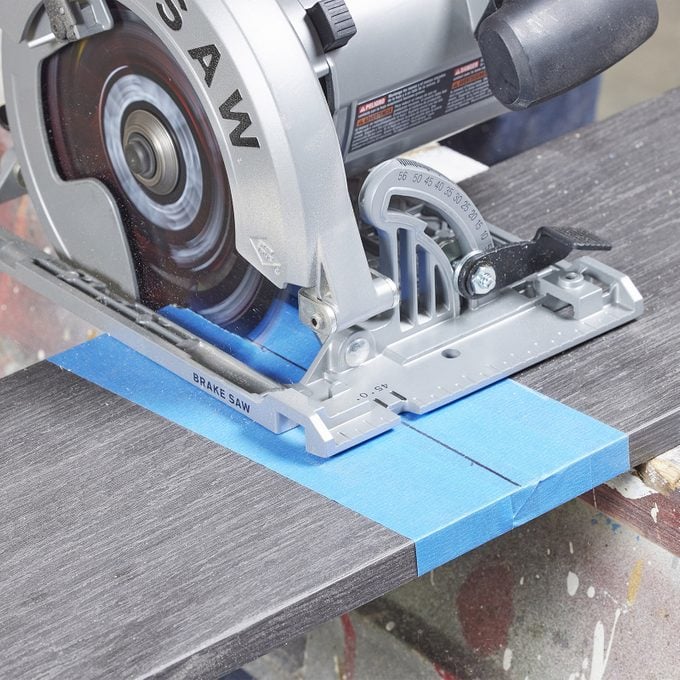
Credit: www.familyhandyman.com
Safe Operating Techniques
Using a circular saw safely is very important. You must follow proper techniques to avoid accidents.
These tips help you control the saw and make clean, safe cuts every time.
Correct Grip And Stance
Hold the saw firmly with both hands. Keep your grip strong but relaxed.
Stand with your feet shoulder-width apart. This stance gives you balance and control.
- Place your dominant hand on the main handle
- Use your other hand to hold the front handle
- Keep your body behind the saw
- Stand steady with knees slightly bent
Starting And Stopping The Saw
Before turning on the saw, make sure the blade does not touch anything. Keep the saw clear of the material.
Start the saw smoothly and wait for the blade to reach full speed before cutting. After the cut, release the trigger and wait for the blade to stop completely.
- Check blade guard moves freely
- Hold saw firmly before starting
- Wait until blade reaches full speed
- Release trigger to stop cutting
- Wait for blade to stop before setting saw down
Controlling The Cut
Guide the saw steadily along the cutting line. Do not force it or push too fast.
Keep both hands on the saw and watch the blade carefully. Let the saw do the work for a clean cut.
- Align saw blade with your cut mark
- Keep firm, steady pressure
- Move the saw at a slow, steady speed
- Do not twist or bend the saw mid-cut
- Always watch the blade and material closely
Common Hazards And How To Avoid Them
Using a circular saw can be dangerous if you do not follow safety rules. Knowing common hazards helps you work safely. This guide explains key dangers and how to avoid them.
Keep attention on the saw and your work area. Use safety gear and proper technique to reduce risks. Read each section carefully to protect yourself.
Kickback Prevention
Kickback happens when the saw blade catches the wood and throws the saw back toward you. It can cause serious injury. Avoid kickback by keeping the saw steady and using the right blade.
- Hold the saw firmly with both hands.
- Keep the saw base flat on the wood surface.
- Do not force the saw; let the blade cut at its own speed.
- Use sharp, clean blades designed for your saw type.
- Avoid cutting warped or twisted wood pieces.
Blade Binding Issues
Blade binding occurs when the blade gets stuck in the cut. This can stop the saw suddenly and cause loss of control. Binding often happens if the wood pinches the blade or if the cut is not straight.
| Cause | How to Avoid |
| Wood pinching the blade | Use a wedge to keep the cut open |
| Twisted or warped wood | Secure wood firmly before cutting |
| Cutting too fast | Cut slowly and steadily |
| Dull blade | Sharpen or replace the blade regularly |
Electrical Safety
Electric shock is a risk when using a circular saw. Water, damaged cords, or improper use can cause shocks. Follow these rules to stay safe.
- Inspect the power cord for cuts or frays before use.
- Keep the saw dry and do not use it in wet conditions.
- Use a ground fault circuit interrupter (GFCI) with power tools.
- Unplug the saw before changing blades or making adjustments.
- Do not pull the cord to disconnect; hold the plug instead.

Credit: www.familyhandyman.com
Maintenance Tips For Safety
Keeping your circular saw in good shape helps you work safely. Regular care stops accidents and keeps the tool working well.
Check parts often and fix problems fast. This guide covers how to inspect blades, clean the saw, and check electrical parts.
Blade Inspection And Replacement
Look at the blade before each use. A dull or damaged blade can cause the saw to kick back or cut badly.
Replace blades that are cracked, bent, or very dull. Using the right blade for your material also keeps you safe.
- Check for cracks or missing teeth on the blade
- Replace blades that look worn or damaged
- Use blades made for the material you cut
- Tighten the blade securely before use
Cleaning And Lubrication
Keep your saw clean from dust and debris. Dirt can block moving parts and cause the saw to work poorly.
Lubricate the moving parts to stop rust and keep the saw running smoothly. Follow the manual for the right oil or grease.
- Remove sawdust and dirt after every use
- Use a brush or air compressor to clean hard areas
- Apply lubricant to the blade guard and adjustment parts
- Do not over-lubricate; use just enough oil or grease
Checking Electrical Components
Inspect the power cord and plug before using the saw. Damaged cords can cause shocks or fires.
Test the switch and other electrical parts to make sure they work correctly. Faulty parts need repair or replacement.
- Look for cuts or frays in the power cord
- Make sure the plug fits tightly in the outlet
- Test the on/off switch for smooth operation
- Do not use the saw if any electrical parts are broken
Frequently Asked Questions
What Safety Gear Is Essential When Using A Circular Saw?
Always wear safety glasses, hearing protection, and gloves. Use a dust mask if cutting materials that create dust. Proper footwear and snug clothing prevent accidents. These protect you from debris, noise, and potential injuries.
How Do I Properly Secure Materials Before Cutting?
Clamp your workpiece firmly to a stable surface. Ensure it won’t move during cutting. This prevents kickback and uneven cuts. Proper securing increases accuracy and safety.
What Is The Correct Way To Hold A Circular Saw?
Hold the saw firmly with both hands. Keep a balanced stance and avoid overreaching. Maintain control to reduce the risk of slips. Proper grip enhances precision and safety.
How Can I Avoid Kickback When Using A Circular Saw?
Keep the blade sharp and set at the correct depth. Avoid binding the blade in the material. Maintain a steady feed rate. These steps minimize kickback risk and improve cutting control.
Conclusion
Using a circular saw safely protects you from serious injury. Always wear safety gear like goggles and gloves. Keep your hands away from the blade while cutting. Check the saw before use to ensure it works well. Take your time and focus on the task.
Practice safe habits every time you use the saw. Stay alert and avoid distractions during work. Safe use leads to better results and fewer accidents. Keep these tips in mind for every project. Your safety matters most.