Imagine standing on a construction site, ready to bring your project to life. One tool you’ll reach for time and again is the claw hammer.
It’s not just a tool; it’s an extension of your hand, ready to help you build, repair, and create. But are you using it to its full potential? In this guide, you’ll discover the secrets to mastering the claw hammer, ensuring every swing is efficient and precise.
Whether you’re a seasoned builder or a DIY enthusiast, understanding this tool can transform your construction experience. Ready to enhance your skills and see real results? Let’s dive in and unlock the true power of the claw hammer in construction.
Choosing The Right Claw Hammer
A claw hammer is a key tool in construction work. Picking the right one helps you work safely and efficiently.
Different hammers suit different tasks. Learn about types, weight, handle materials, and comfort features.
Types Of Claw Hammers
Claw hammers come in various styles. Each type fits specific jobs in construction.
- Curved Claw: Best for pulling nails easily.
- Straight Claw: Good for prying and demolition.
- Rip Hammer: Has a longer claw for heavy work.
- Framing Hammer: Heavier with a straight claw, used in framing.
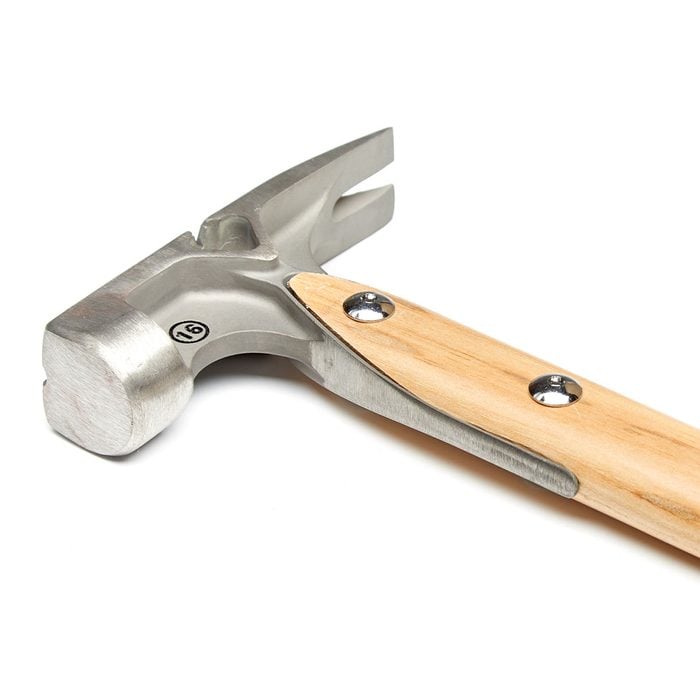
Weight And Handle Materials
Hammer weight affects control and power. Choose one that matches your strength and task.
Handles come in wood, steel, or fiberglass. Each has pros and cons for durability and shock absorption.
- Wood: Lightweight, absorbs shock, but can break.
- Steel: Very strong, heavier, less shock absorption.
- Fiberglass: Durable, absorbs shock well, medium weight.
Grip And Comfort Considerations
A good grip reduces hand fatigue and improves safety. Look for materials that feel secure and comfortable.
Rubber or textured grips help prevent slipping. Proper length and thickness also make a difference.
- Rubber grips offer good traction and comfort.
- Textured handles improve hold on sweaty hands.
- Choose a handle size that fits your hand well.
- Longer handles give more leverage but need control.

Credit: www.thisoldhouse.com
Safety Measures Before Use
Using a claw hammer safely is important to avoid injuries. Before starting work, you must prepare well. This guide covers key safety steps before using a claw hammer.
Check your tool and gear carefully. Also, make sure your work area is ready. These steps help create a safer environment for construction tasks.
Inspecting The Hammer
Examine the claw hammer before use. Look for cracks or loose parts. The handle should be firmly attached to the head. Make sure the hammer face is clean and smooth.
- Check the handle for splinters or cracks.
- Ensure the hammer head is tight and not loose.
- Look for any rust or damage on the metal parts.
- Confirm the claw is not bent or damaged.
- Replace the hammer if you find serious defects.
Protective Gear Essentials
Wear proper protective gear before using a hammer. Safety glasses protect your eyes from flying debris. Gloves protect your hands from splinters and blisters.
| Protective Gear | Purpose |
| Safety Glasses | Protect eyes from flying particles |
| Work Gloves | Prevent hand injuries and improve grip |
| Sturdy Shoes | Protect feet from falling objects |
Work Area Preparation
Prepare your work area before hammering. Clear the space of obstacles and debris. Make sure the surface is stable and well-lit.
- Remove loose nails and sharp objects from the floor.
- Keep tools organized and within reach.
- Check lighting to avoid shadows on your work.
- Keep bystanders at a safe distance.
Proper Hammering Techniques
Using a claw hammer correctly helps you work faster and safer. Good hammering skills reduce mistakes and injury risk.
Learn the right ways to hold, strike, and avoid errors. This guide covers key hammering techniques for construction tasks.
Correct Grip And Stance
Hold the hammer near the end of the handle for better control and power. Keep your grip firm but relaxed.
Stand with your feet shoulder-width apart. Position your body so you can swing the hammer smoothly.
- Use your dominant hand to hold the hammer
- Keep your wrist straight and flexible
- Stand balanced with knees slightly bent
- Face the nail directly for better aim
Striking Nails Efficiently
Start with light taps to set the nail in place. Then use stronger, controlled swings to drive the nail in.
Focus on hitting the nail head squarely. Avoid glancing blows that can bend the nail or damage the wood.
- Keep your eye on the nail head
- Swing the hammer in a straight line
- Use the wrist and elbow for power
- Stop when the nail is flush with the surface
Avoiding Common Mistakes
Do not hold the nail too close to the head. This can cause your fingers to get hit.
Never use a hammer with a loose head or cracked handle. This is dangerous and reduces control.
- Avoid swinging too hard and losing control
- Do not strike the side of the nail
- Replace damaged hammers immediately
- Wear safety glasses to protect your eyes
Removing Nails With A Claw Hammer
Removing nails is a common task on construction sites. A claw hammer is a handy tool for this job.
Using the claw properly can save time and prevent damage to materials.
Positioning The Claw
Place the claw of the hammer under the nail head. Make sure the claw grips tightly for better control.
- Check that the claw fits snugly around the nail
- Align the hammer handle so you can pull straight back
- Avoid sliding the claw off the nail head
Leveraging For Nail Extraction
Use the hammer’s handle as a lever to pull the nail out. Apply steady pressure to avoid sudden slips.
| Action | Description |
| Grip | Hold hammer near the end of the handle |
| Pull | Lift the handle slowly to pull the nail |
| Support | Use your other hand to steady the wood if needed |
Handling Stubborn Nails
Some nails are hard to remove because they are bent or rusted. Extra care is needed.
Try these tips for tough nails:
- Tap the hammer claw gently with another hammer to loosen the nail
- Wiggle the claw side to side to free the nail
- Use pliers to hold the nail if it spins while pulling
Maintaining Your Claw Hammer
Taking care of your claw hammer helps it last longer and work better. Regular maintenance keeps it safe to use.
Simple steps like cleaning and checking your hammer can prevent damage and make your tasks easier.
Cleaning And Storage Tips
After using your hammer, clean off dirt and debris. Use a dry cloth or brush to remove dust and rust.
Store your hammer in a dry place to avoid rust on the metal parts. Keep it away from moisture and direct sunlight.
- Wipe the hammer after each use
- Use light oil on the metal head to stop rust
- Keep the hammer in a toolbox or hang it on a wall
- Avoid leaving it outside or in damp areas
Handle And Head Care
Check the handle for cracks or splinters. A smooth handle feels better and is safer to use.
Make sure the head is tightly attached to the handle. A loose head can cause accidents.
- Sand down rough spots on wooden handles
- Tighten or replace loose handles
- Keep the metal head clean and dry
- Apply linseed oil to wooden handles to protect them
When To Replace Your Hammer
Replace your hammer if the head cracks or bends. A damaged head can break during use.
Change the hammer if the handle is broken or very loose. Do not use a hammer that feels unsafe.
- Head shows deep cracks or chips
- Handle has large splits or is loose
- Hammer feels unstable or unsafe to hold
- Rust has badly damaged the metal parts
Credit: www.familyhandyman.com
Claw Hammer Uses Beyond Construction
A claw hammer is not just for building houses or fixing walls. It has many uses outside construction work. This simple tool can help in many tasks around your home and creative spaces.
Knowing how to use a claw hammer in different ways can save time and effort. It is a handy tool for many projects and repairs you might need to do yourself.
Diy Home Projects
You can use a claw hammer for many DIY projects at home. It helps with tasks like hanging pictures and fixing wooden frames. The claw side can remove old nails easily.
Using a claw hammer makes small projects faster and safer. You can also use it to build simple wooden shelves or garden boxes.
- Drive nails into wood for picture frames
- Remove nails from old furniture or boards
- Build small wooden shelves or boxes
- Help with light demolition work
Furniture Repair
A claw hammer helps fix furniture around the house. It can straighten bent nails or remove broken ones. You can use it to tap joints back into place carefully.
This tool is useful for tightening loose wooden parts. The hammer’s flat side can gently tap pieces without causing damage.
- Remove damaged nails from chairs and tables
- Tap loose joints back together
- Straighten bent nails or parts
- Help add new nails during repairs
Creative Applications
Artists and crafters use claw hammers in creative ways. It can help shape metal or wood for art projects. The claw side can remove small nails or pins carefully.
Hammers also assist in making sculptures or handmade furniture. They are useful tools in workshops for different creative tasks.
- Shape wood or metal for art pieces
- Remove small nails and pins gently
- Assist in sculpture and craft making
- Use for handmade furniture projects

Credit: www.familyhandyman.com
Frequently Asked Questions
What Is The Best Way To Hold A Claw Hammer?
Hold the claw hammer near the end of the handle for maximum control and power. Grip it firmly but not too tight to reduce fatigue and improve accuracy during construction tasks.
How Do You Safely Remove Nails With A Claw Hammer?
Position the claw under the nail head and rock the hammer back gently. Use steady pressure to pull the nail out without damaging the wood or injuring yourself.
Can A Claw Hammer Be Used For Framing?
Yes, claw hammers are suitable for framing. Their sturdy design helps drive large nails efficiently, making them ideal for framing walls and other structural work.
What Maintenance Does A Claw Hammer Require?
Keep the hammer clean and dry to prevent rust. Inspect the handle for cracks and replace it if damaged. Sharpen or replace the claw if it becomes dull.
Conclusion
Using a claw hammer correctly makes construction tasks easier. Hold the hammer firmly and strike nails with control. The claw side helps remove nails without damage. Practice these steps for better results and safety. Always wear protective gear while working.
With patience, your skills will improve steadily. Keep your hammer clean and in good shape. Small efforts lead to big progress. Remember, a good tool and care go hand in hand.