Are you struggling to get precise measurements and perfect angles in your projects? A combination square can be your best friend.
Whether you’re a beginner or an experienced DIYer, knowing how to use this simple tool can save you time and frustration. In this guide, you’ll discover easy steps to master your combination square and take your craftsmanship to the next level.
Ready to make every cut and mark count? Let’s dive in and unlock the full potential of your combination square.

Credit: www.youtube.com
Basics Of A Combination Square
A combination square is a useful tool for measuring and marking. It helps you make accurate cuts and angles.
This tool is popular with woodworkers, metalworkers, and DIY enthusiasts. It is easy to use and very versatile.
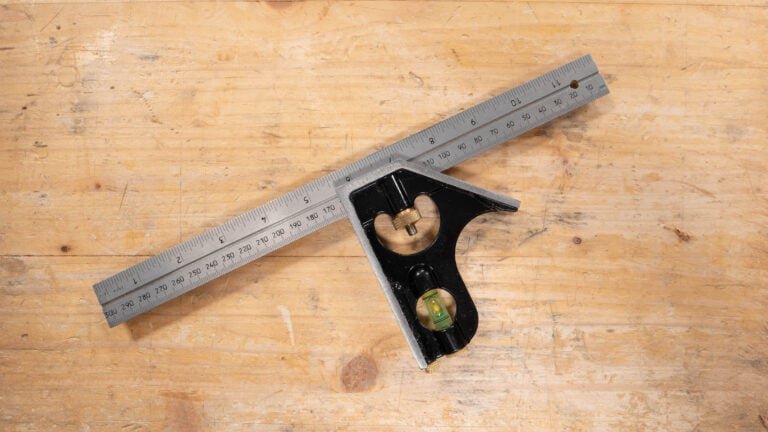
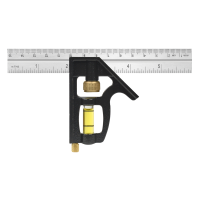
Parts And Functions
A combination square has several parts. Each part has a special job to make measuring easier.
- Blade:The long, flat metal ruler. It measures length and marks straight lines.
- Stock:The handle that holds the blade. It helps you measure right angles.
- Bubble Level:A small vial with liquid. It shows if a surface is level or plumb.
- Scriber:A small pointed tool. It marks fine lines on materials.
- Locking Screw:A screw to fix the blade at a set length. It keeps measurements steady.
These parts work together. They help you check angles, measure depth, and mark straight lines.
Types Of Combination Squares
Combination squares come in different types. Each type fits a specific task or user need.
- Standard Combination Square:The most common type. It has all basic parts for general use.
- Digital Combination Square:It shows measurements on a digital screen. It is easier to read.
- Carpenter’s Combination Square:Made for woodworkers. It is simple and durable.
- Precision Combination Square:Used in metalworking. It is very accurate and finely made.
Choose the type that matches your work. Each type helps you measure and mark well.
Setting Up For Accurate Measurements
Using a combination square correctly helps you get exact measurements. Proper setup is key to avoid mistakes.
This guide explains how to adjust the blade and calibrate the square for precise work.
Adjusting The Blade
Start by loosening the locking screw on the square’s blade. Slide the blade until it lines up with the zero mark on the ruler.
- Tighten the locking screw gently to hold the blade in place.
- Check if the blade is straight and not wobbly.
- Test the blade against a known straight edge.
- Readjust if the blade shifts or does not align properly.
Calibrating The Square
Calibration ensures the square measures true angles. Use a flat surface and a known square edge for this step.
| Calibration Step | What to Do | Expected Result |
| Place blade against flat surface | Align blade flush with surface edge | Blade sits flat without gaps |
| Check 90-degree angle | Use a carpenter’s square or try square | Blade and square body form perfect right angle |
| Adjust if needed | Loosen screw and reposition blade | Square reads true at 90 degrees |
| Lock blade firmly | Tighten locking screw | Blade remains stable in place |
Marking And Measuring Techniques
A combination square is a handy tool for many woodworking and metalworking tasks. It helps you mark and measure with accuracy.
Using the right techniques ensures your work is precise and fits well. This guide covers key methods for marking and measuring.
Marking Straight Lines
Place the ruler of the combination square firmly against the edge of your workpiece. Use the head of the square to keep it steady.
- Align the ruler at the desired measurement.
- Hold the head tightly against the edge.
- Draw a line along the ruler with a pencil or marking knife.
- Check the line for straightness before moving on.
Measuring Depth And Height
The combination square’s sliding ruler allows you to measure depths or heights easily. Lock the ruler in place after adjusting.
| Task | How to Measure |
| Depth of a groove | Slide ruler into groove until head rests on surface |
| Height of a step | Place head on lower surface and extend ruler to higher point |
| Thickness of material | Clamp ruler and measure thickness between surfaces |
Checking Angles
The square head forms a 90-degree angle. Use it to check if corners are square or to mark 45-degree angles.
To check angles:
- Place the square’s head flush against one edge.
- Look along the ruler to see if the other edge aligns with the ruler.
- For 45 degrees, use the bevel on the square’s head as a guide.

Credit: www.wikihow.com
Common Mistakes To Avoid
Using a combination square is simple but easy to make errors. Avoiding common mistakes helps you get better results.
This guide covers two main mistakes many people make. Learn to spot and fix these problems for accurate work.
Misreading Measurements
One common mistake is reading the measurements wrong. This happens when you do not look at the scale carefully.
Always check the numbers and lines closely. Look straight at the scale, not from an angle. This prevents errors.
- Make sure the ruler is clean and clear
- Read the scale from left to right
- Use the right unit: inches or millimeters
- Double-check your reading before marking
Improper Tool Handling
Holding the combination square incorrectly causes wrong angles and lines. The tool must be steady and tight.
Do not force the square or let it move while measuring. Loose parts can change the reading. Use the locking screw to fix it.
- Hold the stock firmly against the edge of the workpiece
- Keep the blade flat and straight
- Tighten the locking screw after setting the blade
- Do not use the tool if it is damaged or bent
Maintenance For Longevity
Taking care of your combination square helps it last longer. Good maintenance keeps it accurate and easy to use.
Simple cleaning and proper storage protect your tool from damage and rust. These steps save money on replacements.
Cleaning Tips
Clean your combination square after each use. Remove dust, dirt, and metal shavings to keep parts moving smoothly.
Use a soft cloth and mild soap if needed. Avoid harsh chemicals that can damage the surface.
- Wipe blade and head with a dry cloth
- Use a small brush for tight spots
- Apply light oil to metal parts to prevent rust
- Dry the tool completely before storing
Storage Recommendations
Store your combination square in a dry, cool place. Avoid damp areas that cause rust and corrosion.
Keep the tool in a case or wrapped in a cloth to protect it from dust and bumps.
- Use a toolbox with compartments
- Keep away from direct sunlight
- Store flat to avoid bending the blade
- Check the tool regularly for signs of wear
Credit: www.johnsonlevel.com
Advanced Tips For Precision
Using a combination square with care improves the accuracy of your work. Small adjustments and proper techniques make big differences.
Learn how to use the square with other tools and fix common problems. These tips help keep your measurements exact every time.
Using The Square With Other Tools
Combine your combination square with tools like a marking knife, calipers, or a level. This helps you mark and measure with better precision.
- Use a marking knife along the square’s edge for a clean, thin line.
- Check depth with calipers to avoid cutting too deep.
- Pair with a spirit level to ensure your lines are perfectly horizontal or vertical.
- Clamp the square firmly to the workpiece to avoid slipping.
Troubleshooting Inaccuracies
Inaccurate readings can come from tool wear, dirt, or user error. Check your square and technique to fix these issues quickly.
| Problem | Cause | Fix |
| Uneven measurements | Square blade loose | Tighten blade locking screw |
| Lines not straight | Dirt on blade or stock | Clean all parts with cloth |
| Incorrect angle | Damaged or bent blade | Replace blade or tool |
| Slipping during marking | Not clamped or pressed firmly | Hold or clamp square securely |
Frequently Asked Questions
What Is A Combination Square Used For?
A combination square measures angles, depths, and distances precisely. It helps mark 90° and 45° lines on wood or metal. It also checks for flatness and depth, making it versatile for woodworking and metalworking tasks.
How Do You Adjust A Combination Square?
Loosen the locking screw to slide the blade. Adjust the blade to the desired measurement or angle. Tighten the screw to secure the blade firmly in place for accurate marking or measuring.
Can A Combination Square Measure Inside Angles?
No, a combination square primarily measures 90° and 45° angles. It is designed for outside angles and straight edges. For inside angles, other tools like a bevel gauge are more suitable.
How To Read Measurements On A Combination Square?
Align the blade with the measurement scale on the ruler. Read the numbers on the ruler for exact length. Use the fine markings for precise measurements in millimeters or inches.
Conclusion
A combination square is a handy tool for many projects. It helps with measuring, marking, and ensuring accuracy. Using it correctly makes tasks easier and more precise. Practice improves your skills with this tool. Always check your square for accuracy before use.
This guide provides basic knowledge for effective use. Remember to handle your tools with care. Proper storage extends their life. With these tips, your projects will turn out better. Keep learning and exploring new techniques. Your experience with the combination square will grow over time.
Happy crafting!