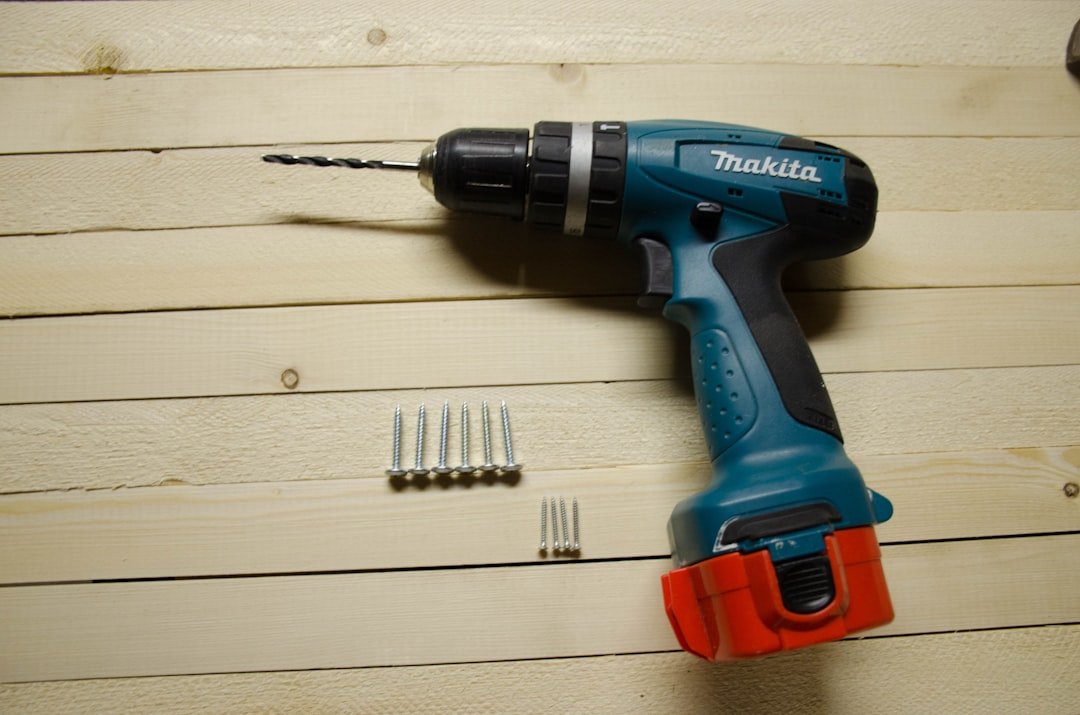
Are you ready to tackle those home projects with confidence and ease? Imagine the satisfaction of hanging that picture frame perfectly or assembling new furniture without a hitch.
The secret weapon? A cordless drill. It’s not just a tool; it’s your ticket to transforming your living space with minimal effort and maximum impact. But how do you make the most of this power tool? In this guide, you’ll discover easy-to-follow tips and tricks to master your cordless drill, ensuring your DIY projects are a breeze.
Get ready to unleash your inner handyman (or handywoman) and turn your home improvement dreams into reality. Keep reading, and empower yourself with the know-how to make every project a success.
Choosing The Right Cordless Drill
Picking the right cordless drill helps you finish your home projects easily. The right drill saves time and effort.
There are many types of cordless drills. Knowing key features and battery options helps you choose well.
Types Of Cordless Drills
Cordless drills come in different types for different tasks. Choose one that fits your project needs.
- Drill Driver:Good for drilling holes and driving screws.
- Hammer Drill:Adds a hammering action for drilling into concrete or stone.
- Impact Driver:Best for driving large screws and bolts with high torque.
- Right-Angle Drill:Fits in tight spaces where regular drills can’t reach.
Key Features To Consider
Look for features that make the drill easier and safer to use. These help improve your work quality.
- Power:Measured in volts, higher volts mean more power.
- Speed Settings:Multiple speeds give better control for different tasks.
- Chuck Size:The chuck holds the drill bit; common sizes are 3/8 inch and 1/2 inch.
- Weight:A lighter drill is easier to handle for long periods.
- Comfort Grip:A soft handle reduces hand fatigue.
- Built-in LED Light:Helps see in dark spaces.
Battery Options And Life
Battery type and life affect how long you can work without recharging. Choose batteries that suit your needs.
- Battery Type:Lithium-ion batteries are light and hold charge longer.
- Battery Voltage:Higher voltage means more power for tough jobs.
- Battery Capacity:Measured in amp-hours (Ah), higher capacity lasts longer.
- Charging Time:Some batteries charge faster than others.
- Spare Batteries:Having an extra battery helps avoid work stops.
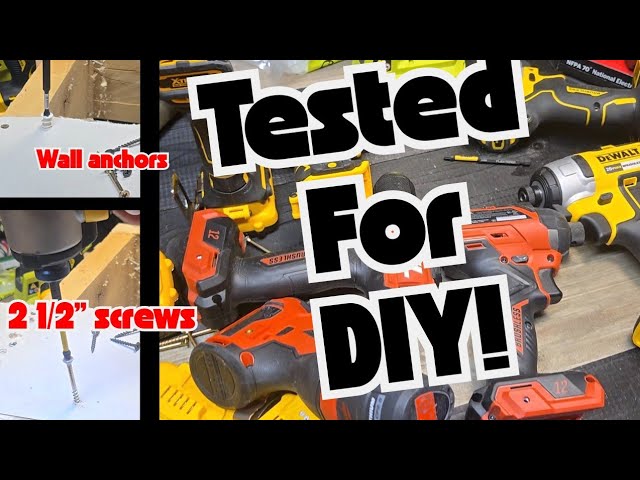
Credit: www.youtube.com
Essential Drill Bits And Accessories
Using a cordless drill is easier when you have the right drill bits and accessories. These tools help you do many home projects well.
Choosing the correct bits and keeping them in good shape makes your work smooth and safe. Learn about common bits, specialty attachments, and care tips.
Common Drill Bits For Home Projects
Many home projects use basic drill bits. These bits fit wood, metal, and plastic materials. Knowing these bits helps you pick the right one quickly.
- Twist bits: Good for wood, metal, and plastic drilling
- Brad point bits: Make clean holes in wood without splinters
- Masonry bits: Designed for drilling into brick, stone, and concrete
- Spade bits: Used to make larger holes in wood fast
Specialty Bits And Attachments
Specialty bits and attachments help with unique tasks. They expand what your drill can do beyond basic drilling.
- Hole saws: Cut large, round holes in wood or drywall
- Right-angle attachments: Reach tight spaces easily
- Mixing paddles: Stir paint or other liquids
- Wire brush wheels: Clean rust or paint from metal surfaces
Maintaining And Storing Bits
Taking care of drill bits keeps them sharp and ready to use. Proper storage prevents damage and loss.
- Clean bits after use to remove dust and debris
- Store bits in a case or organizer to keep them safe
- Sharpen dull bits to keep drilling efficient
- Check bits for damage before using to avoid accidents
Preparing For Your Project
Using a cordless drill makes many home projects easier. Before you start, prepare carefully to work safely and efficiently.
This guide covers key steps to get ready: safety, workspace setup, and measuring.
Safety Precautions
Safety is very important when working with a cordless drill. Wear safety goggles to protect your eyes from dust and debris. Use ear protection if the drill is loud.
- Check the drill and battery for damage before use.
- Keep your work area clean and free of obstacles.
- Wear gloves to protect your hands from sharp edges.
- Secure your workpiece with clamps or a vise.
- Keep fingers away from the drill bit while in use.
Setting Up Your Workspace
Arrange your workspace to make the project smooth and safe. Good lighting helps you see clearly. A flat, stable surface prevents slips.
| Workspace Element | Tip |
|---|---|
| Lighting | Use bright, natural light or a work lamp |
| Surface | Choose a sturdy table or workbench |
| Floor | Keep area clear of cords and tools |
| Ventilation | Work in a well-ventilated space to reduce dust |
Marking And Measuring
Precise marking and measuring are key to drilling in the right spots. Use a tape measure and pencil to mark where you want to drill.
Here are tips for measuring and marking:
- Measure twice to avoid mistakes.
- Use a square or ruler for straight lines.
- Mark points clearly with a pencil or marker.
- Double-check measurements before drilling.

Credit: www.youtube.com
Basic Drilling Techniques
Using a cordless drill is a common task for many home projects. Learning basic drilling techniques helps you work safely and efficiently.
This guide covers how to hold the drill, control speed and pressure, and drill into different materials.
Holding The Drill Correctly
Hold the drill firmly with both hands. One hand should grip the handle while the other supports the drill body. Keep your wrist straight and your arms steady.
- Use your dominant hand on the trigger handle
- Place your other hand on the front or side for balance
- Stand with feet shoulder-width apart for stability
- Keep the drill perpendicular to the surface you are drilling
Controlling Speed And Pressure
Adjust the drill speed based on the material and drill bit. Use slow speed for hard materials and faster speed for soft ones. Apply steady pressure but avoid pushing too hard.
| Material | Speed Setting | Pressure |
| Wood | Medium to High | Moderate |
| Metal | Low to Medium | Steady, firm |
| Plastic | Medium | Light to Moderate |
| Drywall | High | Light |
Drilling Different Materials
Different materials need different drill bits and care. Use the right bit and follow special steps for each material.
- Wood:Use wood bits and start with a pilot hole.
- Metal:Use metal bits and apply cutting oil to cool the bit.
- Plastic:Use sharp bits and drill slowly to avoid cracking.
- Drywall:Use standard bits and avoid pushing too hard to prevent damage.
Tips For Screwdriving
Using a cordless drill makes screwdriving easier and faster. Knowing simple tips helps you work better and avoid mistakes.
This guide shares useful advice for choosing bits, preventing damage, and driving screws well.
Choosing The Right Screwdriver Bit
Select the right bit to match your screw head. This helps the screw fit tightly and prevents slipping.
Bits come in shapes like Phillips, flathead, and Torx. Use the one that fits your screw’s shape best.
- Match bit size to screw size for better grip
- Use magnetic bits to hold screws firmly
- Replace worn bits to avoid slipping
Avoiding Stripped Screws
Stripped screws happen when the bit slips and damages the screw head. This makes it hard to remove or tighten screws.
Keep the drill steady and apply firm pressure. Use the correct speed and avoid pushing too hard.
- Use low speed for starting screws
- Keep the drill straight to the screw
- Stop if the bit slips to check the fit
Driving Screws Efficiently
Drive screws smoothly to save time and get strong joints. Let the drill do the work without forcing it.
Start screws slowly, then increase speed as they go in. Use short bursts instead of long pressing.
- Pre-drill holes for hard materials
- Use clutch settings to control torque
- Pull the trigger gently for better control

Credit: www.youtube.com
Troubleshooting Common Issues
Using a cordless drill for home projects is easy but sometimes problems happen. You might find your drill not starting or the bit slipping. This guide helps you fix these common issues fast.
Read through each section to learn simple solutions. These tips save time and keep your drill working well for your tasks.
Drill Not Starting
If your drill does not start, check the power first. Make sure the battery is charged and correctly placed. Also, look at the trigger switch and see if it moves freely.
- Charge the battery fully before use.
- Remove and reinsert the battery to ensure good contact.
- Clean the trigger switch if it feels stuck or dirty.
- Check for any blown fuses or broken wires inside the drill.
Battery Problems
Batteries lose power over time. If your drill runs out of power quickly, the battery might be old or damaged. Check the battery’s charge level and condition.
| Battery Issue | Possible Cause | Solution |
| Battery won’t charge | Faulty charger or battery | Try a new charger or replace battery |
| Drill runs short time | Battery age or damage | Replace battery with a new one |
| Battery overheats | Overuse or internal damage | Let battery cool; avoid long use; replace if needed |
Bit Slipping Or Stuck
If the drill bit slips or gets stuck, it can cause poor drilling or damage. The chuck may be loose or the bit may be wrong size.
Try these quick fixes:
- Tighten the chuck firmly by hand or with the key if your drill uses one.
- Use the right size drill bit for your chuck.
- Clean the chuck teeth to remove dust and debris.
- If the bit is stuck, gently wiggle it while turning the chuck counterclockwise.
Maintaining Your Cordless Drill
Taking care of your cordless drill helps it last longer and work better. Regular maintenance keeps the drill safe and ready for any job.
Learn simple ways to clean, care for the battery, and store your drill properly. These tips save you time and money.
Cleaning And Lubrication
Keep your cordless drill clean to avoid damage. Remove dust and debris after each use. Use a dry cloth or a soft brush to clean the outside.
Lubricate moving parts like the chuck to reduce wear. Use a light machine oil but avoid over-oiling, which can attract dirt.
Battery Care Tips
- Charge the battery fully before first use.
- Avoid letting the battery drain completely.
- Store batteries in a cool, dry place.
- Use the charger designed for your battery type.
- Remove the battery from the drill if you won’t use it for a while.
Storage Best Practices
| Storage Tip | Reason |
| Keep drill in a case | Protects from dust and impacts |
| Store in dry area | Prevents rust and corrosion |
| Avoid extreme temperatures | Preserves battery life and tool parts |
| Remove battery during storage | Stops battery drain and damage |
Frequently Asked Questions
What Safety Tips Should I Follow Using A Cordless Drill?
Always wear safety goggles and gloves. Keep hair and loose clothes away. Use the correct drill bit and check battery charge before starting. Work in a well-lit area and avoid forcing the drill to prevent accidents.
How Do I Choose The Right Cordless Drill For Projects?
Consider battery life, torque, and speed settings. Choose a drill with ergonomic design for comfort. Check if it has keyless chuck and variable speed control. Match the drill power with your project needs for best results.
How To Maintain A Cordless Drill For Longer Life?
Clean the drill after each use and store it in a dry place. Regularly check and tighten screws. Charge the battery fully and avoid overcharging. Replace worn-out parts promptly to keep the drill in good working condition.
Can I Use A Cordless Drill On Metal Surfaces?
Yes, use a drill bit designed for metal. Start with a slow speed to prevent overheating. Apply steady pressure without forcing the drill. Use cutting oil for smoother drilling and better bit life.
Conclusion
Using a cordless drill makes home projects easier and faster. It fits in small spaces and does many jobs. Always choose the right drill bit for the task. Keep the battery charged to avoid interruptions. Safety matters—wear goggles and work carefully.
Practice helps you gain confidence and skill. A cordless drill is a handy tool for any home. Try it on simple projects first. Soon, you will handle bigger tasks with ease. Enjoy fixing and building around your home!