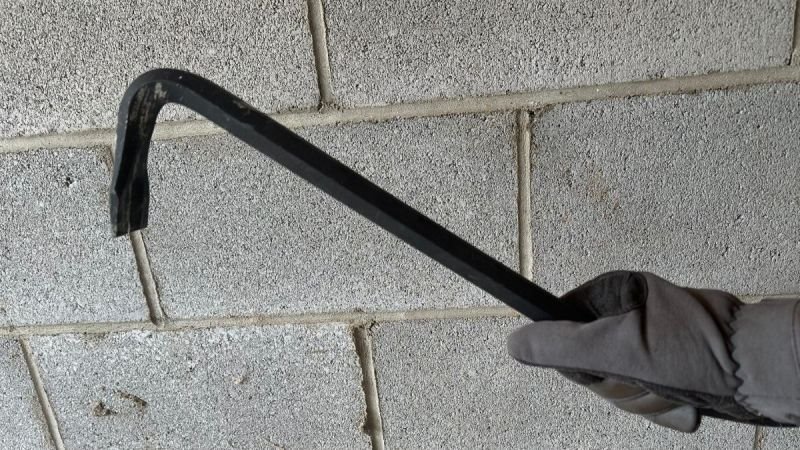
Are you ready to tackle your next demolition project but unsure how to use a crowbar effectively? This guide will show you exactly how to handle this powerful tool safely and efficiently.
Whether you’re removing old walls, prying up nails, or breaking down wooden structures, knowing the right techniques can save you time and prevent injury. Keep reading, and you’ll discover simple tips that make your work easier and your results better.
Your demolition project is about to get a lot smoother.

Credit: www.tenaquip.com
Choosing The Right Crowbar
Picking the right crowbar makes demolition work easier and safer. Knowing the types, size, and grip helps you use it well.
This guide covers key points to help you select the best crowbar for your needs.
Types Of Crowbars
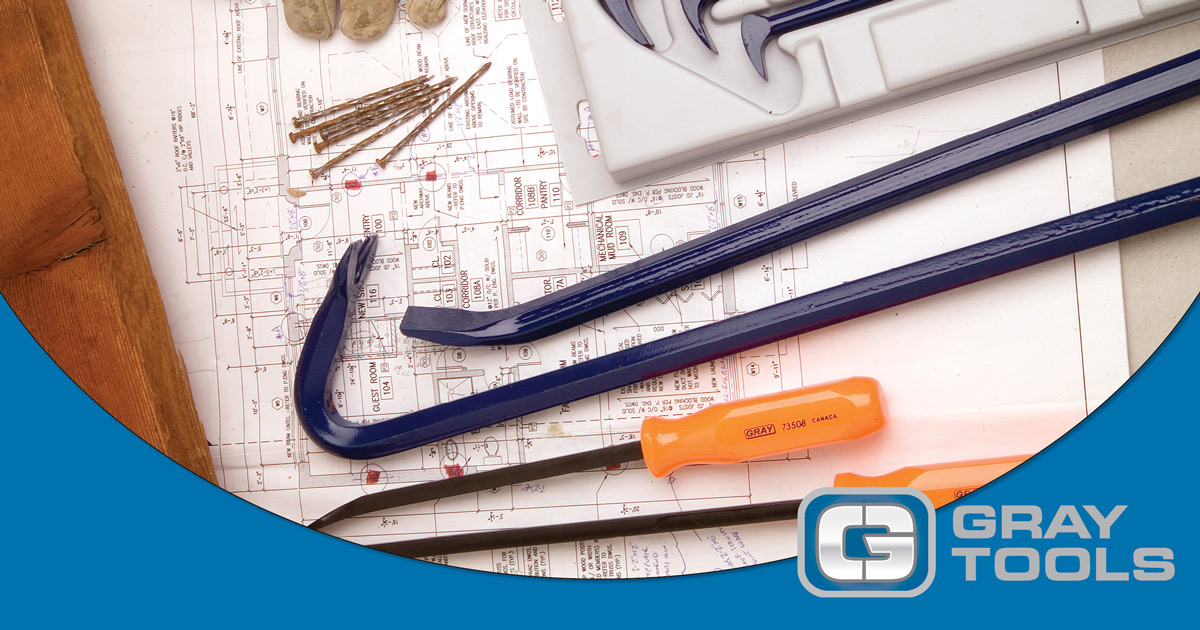
Crowbars come in different shapes and ends. Each type fits different tasks in demolition work.
- Flat Pry Bar:Thin, flat end for sliding under nails or boards.
- Curved Crowbar:Curved end helps pull nails and pry apart materials.
- Gooseneck Crowbar:Has a hooked end for heavy lifting and pulling.
- Nail Puller:Designed with claws to remove stubborn nails easily.
Material And Size Considerations
Crowbars are made from strong metals. Size affects how much force you can apply and the space you can work in.
| Material | Durability | Weight |
| Steel | Very strong and long-lasting | Heavier |
| Chromium-Vanadium | Resists rust and wear | Moderate |
| Aluminum | Less durable but rust-resistant | Lightweight |
Choose a length that fits your task. Short bars work in tight spaces. Long bars give more leverage.
Handling And Grip Features
A good grip improves control and reduces hand fatigue. Look for textured or rubber handles for better hold.
- Non-slip rubber grips prevent slipping during use.
- Ergonomic shapes fit your hand comfortably.
- Some have padded handles to reduce vibration.
Credit: www.tenaquip.com
Essential Safety Gear
Using a crowbar for demolition can be dangerous without the right safety gear. Protecting yourself reduces the risk of injury. Always wear the proper equipment before starting any demolition work.
Safety gear helps shield your eyes, hands, feet, and lungs from debris and dust. This guide covers the key protective items you need.
Protective Eyewear
Eye protection is critical when using a crowbar. Flying wood chips, dust, and debris can cause serious eye injuries. Always wear safety goggles or glasses that meet impact standards.
- Choose goggles with side shields for full coverage.
- Make sure glasses fit snugly without gaps.
- Use anti-fog lenses if working in humid conditions.
- Replace scratched or damaged eyewear immediately.
Gloves And Footwear
Gloves protect your hands from splinters and cuts while gripping the crowbar. Footwear guards your feet from falling debris and sharp objects on the ground.
| Gear | Recommended Type | Purpose |
|---|---|---|
| Gloves | Heavy-duty work gloves with good grip | Protect hands from cuts and blisters |
| Footwear | Steel-toe boots with slip-resistant soles | Shield feet from heavy objects and slips |
Clothing And Respiratory Protection
Wear tough, long-sleeve clothing to protect your skin from scratches and dust. A dust mask or respirator keeps harmful particles out of your lungs during demolition.
- Use long sleeves and durable pants to cover exposed skin.
- Wear a dust mask rated N95 or higher for dust protection.
- Choose breathable fabrics to stay comfortable.
- Change clothes after demolition to avoid spreading dust.
Preparing For Demolition
Using a crowbar for demolition needs careful preparation. This helps keep you safe and makes the work easier.
Before starting, you should check the structure, clear the area, and plan your approach well.
Assessing The Structure
Look closely at the building or object you will demolish. Find out what materials it has. Check for nails, screws, or wires inside.
Notice if some parts are weak or strong. This helps you decide where to use the crowbar first.
Clearing The Work Area
Remove all items that might block your work. This includes furniture, tools, and debris. Keep the area free from hazards.
- Wear safety gear like gloves and goggles
- Mark off the demolition zone with tape or signs
- Keep children and pets away from the area
- Ensure good lighting and ventilation
Planning Your Approach
| Task | Tools Needed | Notes |
|---|---|---|
| Remove panels or boards | Crowbar, hammer | Start at edges to avoid damage |
| Pull out nails or screws | Crowbar, pliers | Work slowly to prevent splinters |
| Break larger pieces | Crowbar, sledgehammer | Use controlled force for safety |
Plan the order of your work. Decide which parts to remove first. Think about how to stay safe and avoid extra mess.
Basic Crowbar Techniques
A crowbar is a simple tool used in demolition to pry, pull, and break apart materials. Knowing how to use it properly makes work easier and safer.
This guide covers key techniques for using a crowbar effectively in demolition tasks.
Leverage And Prying Methods
Leverage is the main power behind a crowbar. Use the curved end to get under materials and pry them apart. Always place the crowbar close to the edge you want to move.
- Insert the crowbar tip under the object.
- Push down on the handle to lift or separate the material.
- Use slow, steady pressure to avoid damage.
- Adjust the position to increase leverage if needed.
Removing Nails And Fasteners
The flat end of a crowbar works well for pulling nails and fasteners. Slide the flat end under the nail head and pull back gently to remove it.
| Type of Nail | Recommended Technique |
| Small finishing nails | Use flat end and pull slowly |
| Large framing nails | Use curved end as lever |
| Staples or pins | Use flat end and wiggle gently |
Breaking Apart Materials
To break apart wood or drywall, place the crowbar tip at a weak point or crack. Use force to pry the sections apart carefully.
- Work along seams or joints.
- Use repeated prying motion for tough spots.
- Wear gloves and eye protection for safety.
- Clear debris often to avoid hazards.
Advanced Tips For Efficiency
Using a crowbar for demolition can be easier with the right techniques. Small changes help you work faster and safer.
These tips focus on how to use angles, combine tools, and keep your crowbar in good shape. They improve your demolition work.
Using Crowbar Angles
Change the angle of your crowbar to get better leverage. A small shift can make pulling nails or prying boards easier.
Try to keep the crowbar at a low angle when pulling. This uses more force with less effort.
- Start with a flat angle to slide the crowbar under materials
- Lift at a 30 to 45-degree angle for better leverage
- Adjust angles slowly to avoid damaging surfaces you want to keep
Combining Tools For Tough Jobs
Sometimes a crowbar alone is not enough. Use other tools together to finish tough demolition tasks faster.
Hammer and crowbar work well to remove stubborn nails. A pry bar and a sledgehammer break apart large pieces safely.
- Use a hammer to loosen nails before prying with the crowbar
- Combine a pry bar and sledgehammer for breaking concrete or thick wood
- Wear gloves and eye protection when using multiple tools
Maintaining Tool Condition
Keep your crowbar clean and dry to prevent rust. Rust makes the tool weaker and harder to use.
Check your crowbar for cracks or bends before each use. A damaged tool can be dangerous during demolition.
- Wipe the crowbar clean after every job
- Store it in a dry place
- Sharpen the tip if it becomes dull
- Replace the tool if it shows signs of damage
Common Challenges And Solutions
Using a crowbar for demolition can be tough. You may face hard materials, risk damage, or deal with tool slippage. Knowing how to handle these problems helps you work safely and well.
This guide covers three common issues and offers clear solutions. Follow these tips to improve your demolition work with a crowbar.
Handling Stubborn Materials
Some materials like thick wood or concrete resist crowbar use. You need more strength and the right approach to break them apart.
- Apply steady pressure instead of quick force.
- Use a pry bar with a longer handle for extra leverage.
- Tap the crowbar gently with a hammer to loosen tight spots.
- Work around edges and joints to find weaker points.
- Wear gloves to keep a firm grip and avoid blisters.
Preventing Damage To Surroundings
Demolition can cause damage to floors, walls, or nearby objects. Protecting your work area saves time and money.
| Problem | Solution |
| Scratched floors | Place a thick drop cloth or plywood under the work area |
| Damaged walls | Use scrap wood as a buffer between crowbar and walls |
| Broken windows | Cover windows with cardboard or plastic sheets |
| Falling debris | Clear the area and wear safety goggles and a hard hat |
Troubleshooting Tool Slippage
A slipping crowbar can cause accidents or slow your work. Fixing this issue improves safety and efficiency.
- Check that the crowbar tip is clean and free of grease.
- Sharpen or reshape the tip if it is worn down.
- Adjust your hand position to get a better grip.
- Use a crowbar with textured or rubberized handles.
- Wear gloves that prevent slipping.
Post-demolition Cleanup
Cleaning up after demolition is important for safety and organization. It helps prepare the area for the next steps.
Proper cleanup reduces risks and makes the site tidy. Knowing how to handle debris and tools is key.
Safe Disposal Of Debris
Remove debris carefully to avoid injury. Use gloves and protective gear when handling sharp or heavy materials.
Sort debris into categories like wood, metal, and concrete. This makes disposal easier and safer.
- Put debris in heavy-duty bags or containers
- Keep pathways clear to prevent trips and falls
- Follow local rules for waste disposal
- Use dumpsters or recycling centers for large amounts
Tool Cleaning And Storage
Clean your crowbar and other tools after use. Removing dirt and dust helps tools last longer.
Store tools in a dry place to stop rust. Keep them organized to find them easily next time.
- Wipe tools with a cloth after cleaning
- Use oil to protect metal parts from rust
- Hang tools on a rack or place in a toolbox
- Check tools for damage before storage
Recycling And Environmental Tips
Recycling demolition waste helps protect the environment. Separate materials that can be recycled or reused.
Reduce waste by donating usable items or finding recycling centers near you.
- Recycle metals like steel and aluminum
- Reuse wood pieces for other projects
- Dispose of hazardous materials properly
- Contact local recycling facilities for guidelines

Credit: www.reddit.com
Frequently Asked Questions
How Do You Safely Use A Crowbar?
To safely use a crowbar, wear protective gear like gloves and goggles. Ensure a firm grip and steady footing. Insert the crowbar’s flat end between materials and apply gradual force. Always work in a controlled manner to prevent injuries. Familiarize yourself with the crowbar’s weight and balance for effective use.
What Materials Can A Crowbar Demolish?
A crowbar can demolish various materials, including wood, drywall, and metal. It’s ideal for prying apart nailed or glued components. For heavier materials like concrete, a crowbar is less effective. Use it for tasks involving leverage, breaking, and prying in demolition projects.
Ensure you select the right crowbar size.
Are Crowbars Effective For Home Demolition?
Yes, crowbars are effective for small-scale home demolition tasks. They’re perfect for removing nails, prying boards, and dismantling fixtures. Crowbars provide leverage and precision in confined spaces. For larger demolition projects, consider additional tools. Always prioritize safety and use appropriate protective equipment when using a crowbar.
What Types Of Crowbars Exist For Demolition?
Crowbars come in various types, including flat bars, pinch bars, and wrecking bars. Flat bars are ideal for prying light materials. Pinch bars offer precision for delicate tasks. Wrecking bars are robust, suitable for heavy-duty demolition. Choose a crowbar based on the task’s demands and material type for optimal results.
Conclusion
Using a crowbar for demolition makes the job easier and safer. Always wear gloves and eye protection to avoid injuries. Choose the right crowbar size for your task. Apply steady pressure and work slowly to prevent accidents. Keep your workspace clear and organized.
With practice, you can remove nails, pry boards, and break materials with ease. Remember, patience and care help you finish the job well. A crowbar is a simple tool but very useful for many demolition tasks. Stay safe and work smart.
