
Imagine tackling a stubborn nail or lifting a heavy piece of wood with ease. That’s the power of a crowbar in your hands.
Whether you’re a DIY enthusiast or just need to fix something around the house, learning to use a crowbar effectively can save you time and effort. In this guide, you’ll discover simple techniques to make prying tasks safer and more efficient.
You’ll also learn how to choose the right crowbar for your needs, so you’re always prepared for any challenge. Keep reading, and unlock the secrets to mastering this essential tool.
Choosing The Right Crowbar
Choosing the right crowbar is important for safe and effective prying. The right tool makes your work easier.
Consider the type, size, and material of the crowbar before you start your task. This guide helps you pick the best one.
Types Of Crowbars
Crowbars come in different shapes and uses. Each type fits specific jobs better than others.
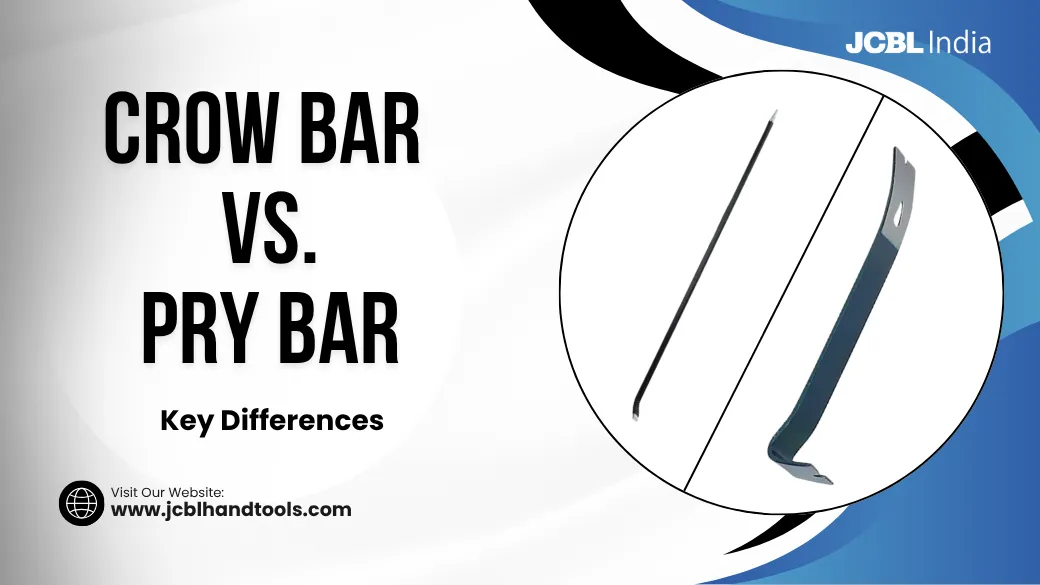
- Flat Crowbar: Thin and flat, good for light prying and lifting.
- Gooseneck Crowbar: Curved end helps with heavy prying and pulling nails.
- Rip Bar: Long and straight, best for demolition and heavy tasks.
- Utility Bar: Smaller and lighter, useful for detailed work and tight spaces.
Material And Size Considerations
Strong materials keep crowbars durable and safe. Size affects how much force you can use and where you can work.
- Steel: Most common, strong, and long-lasting.
- Carbon Steel: Extra tough and resists bending.
- Length: Short bars work in small spaces; long bars give more leverage.
- Weight: Heavier bars are stronger but can be hard to use for long time.

Credit: trueprepper.com
Preparing For Prying Tasks
Using a crowbar for prying can help you open or remove objects safely. It is important to get ready before you start.
Preparation makes the task easier and reduces the risk of injury or damage. Follow these steps to prepare well.
Assessing The Work Area
Check the space where you will use the crowbar. Look for any hazards or obstacles around the area.
Make sure the surface is stable and clear of clutter. This helps you work safely and avoid accidents.
- Look for sharp objects nearby
- Clear loose items from the floor
- Check for good lighting
- Ensure there is enough room to move
Gathering Necessary Tools
Have all the tools ready before you start prying. Using the right tools helps finish the task faster.
Besides the crowbar, wear safety gloves and eye protection. These tools protect you from injury.
- Crowbar in good condition
- Safety gloves to protect hands
- Eye protection like goggles
- Hammer or mallet if needed
Proper Grip And Positioning
Using a crowbar safely needs the right grip and body position. This helps you pry objects without hurting yourself.
Good technique improves control and gives you more power to move stuck items.
Hand Placement Techniques
Hold the crowbar with both hands for steady control. One hand should be near the curved end, and the other near the middle.
- Place your dominant hand close to the curved tip for better precision.
- Use your other hand on the shaft to push or pull with strength.
- Keep a firm grip to avoid slipping during use.
- Adjust your hands as needed to change angle or increase leverage.
Body Position For Maximum Leverage
Stand with your feet shoulder-width apart. This stance gives balance and supports strong prying motions.
| Body Part | Recommended Position | Reason |
|---|---|---|
| Feet | Shoulder-width apart, one foot slightly forward | Provides stability and balance |
| Knees | Slightly bent | Helps absorb force and protect joints |
| Back | Straight, not bent | Prevents injury and improves power transfer |
| Arms | Extended but relaxed | Allows smooth movement and reduces fatigue |

Credit: www.reddit.com
Step-by-step Prying Techniques
Using a crowbar for prying is a common task in construction and repairs. Doing it right helps prevent damage and keeps you safe.
This guide covers simple steps to use a crowbar effectively. Follow these steps to pry with control and ease.
Starting The Pry
Begin by placing the crowbar’s curved end under the edge you want to lift. Look for a small gap or space to fit the tool.
Make sure the crowbar is stable before you start applying force. Position your hands to get a good grip and control.
- Find a gap under the object
- Insert the curved end of the crowbar
- Hold the crowbar firmly with both hands
- Check that the crowbar is stable
Applying Controlled Pressure
Push or pull the crowbar slowly to lift or separate the material. Use steady, even pressure to avoid sudden slips.
Keep your body balanced and your hands steady. If the object does not move, adjust the crowbar’s position and try again.
- Apply slow, steady pressure
- Balance your body for control
- Adjust the crowbar if stuck
- Do not rush or force too hard
Removing Nails And Fasteners
Use the crowbar’s claw end to pull out nails or fasteners. Slide the claw under the nail head carefully.
Pull the crowbar back slowly to remove the nail without breaking it or damaging the wood around it.
- Insert claw under the nail head
- Lift the crowbar to pull the nail out
- Work slowly to avoid damage
- Use a block of wood under the crowbar for leverage
Common Mistakes To Avoid
Using a crowbar is simple, but mistakes can cause damage or injury. Avoid common errors to work safely and effectively.
This guide covers key mistakes like using too much force and ignoring the tool’s condition.
Using Excessive Force
Applying too much force can break the crowbar or damage the surface you work on. It also increases injury risk.
- Do not hit the crowbar with a hammer harder than needed.
- Use steady pressure instead of sudden jerks.
- Choose a bigger crowbar for tougher jobs instead of forcing a small one.
- Stop if the crowbar bends or slips and reposition it.
Ignoring Tool Condition
A crowbar in poor condition can fail and cause accidents. Check it before each use.
| Tool Issue | Risk | Action |
| Rust or Corrosion | Weakens metal, breaks easily | Clean and oil, replace if bad |
| Bent Shaft | Reduces leverage, unsafe | Do not use, replace |
| Damaged or Worn Tips | Slips or damages work surface | File or replace tips |
| Loose Handle | Less control, risk of slipping | Tighten or replace handle |
Safety Tips When Using A Crowbar
Using a crowbar can help you pry objects open or remove nails. It is important to use it safely to avoid injuries.
Follow these safety tips to protect yourself and work efficiently with a crowbar.
Wearing Protective Gear
Always wear protective gear before using a crowbar. This helps prevent cuts, bruises, and other injuries.
Use gloves to protect your hands and safety glasses to shield your eyes from flying debris.
- Wear heavy-duty work gloves
- Put on safety goggles or glasses
- Use sturdy shoes to protect your feet
Maintaining Stability
Keep your balance while using a crowbar to avoid falls. Stand with feet shoulder-width apart for better support.
Hold the crowbar firmly and use slow, controlled movements to keep control of the tool.
- Stand on a flat, stable surface
- Keep your body steady and balanced
- Grip the crowbar with both hands
Handling Unexpected Resistance
Sometimes, the crowbar meets strong resistance. Do not force it hard as this can cause injury or damage.
Check the area and adjust your angle or try a different tool if needed to avoid strain.
- Stop if you feel too much pressure
- Look for nails or screws blocking the path
- Try changing the crowbar’s position
- Use a hammer or other tools if needed
Maintaining Your Crowbar
Keeping your crowbar in good shape helps it last longer. Regular care prevents damage and keeps it safe to use.
This guide covers cleaning, storage, and checking your crowbar for any problems.
Cleaning And Storage
Clean your crowbar after each use. Remove dirt, dust, and any sticky substances.
- Wipe the crowbar with a dry cloth to remove loose dirt.
- Use warm soapy water and a brush for stubborn grime.
- Dry the tool completely to stop rust from forming.
- Apply a light coat of oil to metal parts to protect against rust.
- Store the crowbar in a dry place away from moisture.
Inspecting For Damage
Look over your crowbar before and after use. Check for cracks, bends, or worn spots.
| Damage Type | Signs to Look For | Action Needed |
|---|---|---|
| Cracks | Visible splits or breaks in metal | Do not use; replace the crowbar |
| Bends | Uneven shape or warped metal | Try to straighten or replace if severe |
| Worn Tips | Rounded or chipped ends | File down or replace if ineffective |
| Rust | Orange or brown spots on metal | Clean and apply rust remover or oil |
Credit: jcblhandtools.com
Alternative Uses For A Crowbar
A crowbar is more than just a tool for opening things. It can help with many tasks around the house or work site. Knowing different ways to use a crowbar can save time and effort.
This guide shows how a crowbar works well for demolition and moving heavy objects. These uses make it a handy tool for many jobs.
Demolition Tasks
A crowbar is great for taking apart wood, nails, and other materials. It helps break down old structures safely and quickly.
You can use it to remove nails, pry apart boards, and lift up floorboards. This makes it easier to clear space or recycle materials.
- Pulling out nails without damaging the wood
- Separating wooden boards or panels
- Removing tiles or floorboards
- Breaking apart small concrete pieces
Lifting And Moving Objects
A crowbar can help lift heavy objects by acting as a lever. This reduces the effort needed to move things like rocks or furniture.
It also helps shift objects slightly to fit them through tight spaces. This tool makes moving large items safer and easier.
- Using the crowbar as a lever to lift heavy objects
- Sliding objects by lifting one edge
- Moving rocks or debris in gardens
- Adjusting furniture placement
Frequently Asked Questions
What Is The Best Way To Hold A Crowbar For Prying?
Hold the crowbar firmly near the curved end for control. Use your dominant hand for leverage. Position the flat tip under the object to pry carefully. This grip reduces strain and increases efficiency during prying tasks.
Can A Crowbar Damage Surfaces While Prying?
Yes, a crowbar can scratch or dent surfaces. To protect materials, use a piece of wood or cloth as a buffer. Apply gentle pressure and pry slowly to minimize damage. Always inspect the surface before and after prying.
Which Safety Gear Is Essential When Using A Crowbar?
Wear safety gloves to protect your hands from blisters and sharp edges. Use safety goggles to guard your eyes from flying debris. Sturdy footwear helps prevent injuries from dropped tools. Proper gear ensures a safer prying experience.
How Do I Increase Leverage With A Crowbar?
Place the crowbar’s fulcrum close to the object’s edge. Apply steady pressure on the handle end. Using a longer crowbar also improves leverage. Proper positioning reduces effort and makes prying easier and safer.
Conclusion
Using a crowbar for prying can be easy and safe. Always choose the right size for your task. Hold it firmly and apply steady pressure. Watch your hands and the surface closely. Practice helps improve your skill and confidence. Remember to wear gloves for protection.
With care, a crowbar becomes a helpful tool. Keep it clean and store it properly. Ready for your next project?
