Are you struggling to lift heavy objects safely and efficiently? Using a crowbar might be the simple solution you need.
But if you’re not careful, it can cause injury or damage. This guide will show you exactly how to use a crowbar for safe lifting, step by step. By the time you finish reading, you’ll feel confident handling tough tasks without risking your safety.
Ready to make your lifting easier and safer? Let’s dive in.

Credit: www.tenaquip.com
Choosing The Right Crowbar
Using a crowbar safely starts with picking the right tool. Different tasks need different crowbars. Choosing the best one helps you lift safely and work well.
This guide explains types of crowbars and what to consider about their material and size. These tips help you find a strong and safe crowbar for lifting.
Types Of Crowbars
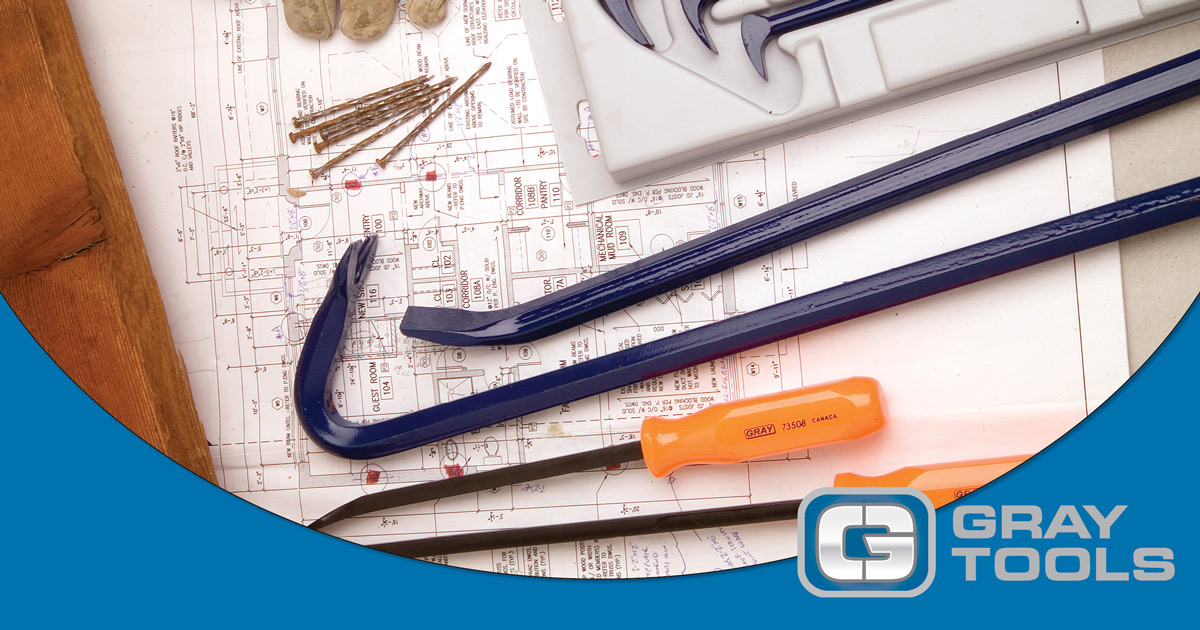
Crowbars come in many shapes. Each type fits certain jobs. Knowing their uses helps you pick the right one for lifting.
- Flat Pry Bar:Thin and flat. Good for sliding under objects and lifting gently.
- Gooseneck Crowbar:Curved end. Offers better leverage for heavy lifting.
- Wrecking Bar:Thick and strong. Used for tough demolition and lifting heavy loads.
- Nail Puller:Narrow with a claw. Best for removing nails and light lifting tasks.
Material And Size Considerations
Crowbars are made from different metals and come in various sizes. These features affect strength and ease of use.
| Material | Strength | Weight | Rust Resistance |
|---|---|---|---|
| Steel | High | Heavy | Low |
| Alloy Steel | Very High | Medium | Medium |
| Stainless Steel | High | Medium | High |
Choose a size that fits your task. Long crowbars give more leverage. Short ones are easier to control.
Credit: www.tenaquip.com
Preparing For Safe Lifting
Using a crowbar can help lift heavy objects safely. Proper preparation is important to avoid injuries.
Before lifting, check the tool and the area around you. This keeps the work safe and smooth.
Inspecting The Crowbar
Look over the crowbar before use. Make sure it is not bent or cracked. A damaged crowbar can break during lifting.
Check the ends of the crowbar. They should be smooth and strong. Sharp edges or chips can cause slips or cuts.
- Check for rust or corrosion on the metal
- Ensure the crowbar is straight and solid
- Look for cracks or bends
- Make sure the ends are not damaged
Clearing The Work Area
Remove any objects around your work area. Clutter can cause trips or falls while lifting.
Make sure there is enough space to move the crowbar and the object safely. Keep the floor dry and clean.
- Clear tools and debris from the floor
- Keep cords and hoses out of the way
- Check for slippery spots or wet areas
- Ensure good lighting in the work area
Proper Lifting Techniques
Using a crowbar safely helps prevent injuries during lifting. Learning the right way to lift can make work easier and safer.
This guide explains how to position the crowbar and apply force correctly for safe lifting.
Positioning The Crowbar
Place the crowbar under the object close to the edge. This gives you better leverage and control.
Make sure the tip of the crowbar is secure and not slipping. Keep your hands away from the lifting point.
- Slide the crowbar fully under the object
- Use the flat side against the object for stability
- Keep the crowbar angled for better lift
- Check for any loose or slippery spots
Applying Force Correctly
Push down on the handle using your body weight. Use slow, steady pressure to lift the object.
Keep your back straight and bend your knees slightly. This helps avoid strain and keeps your balance.
- Apply force slowly to control the lift
- Use your legs and body, not just your arms
- Keep a firm grip on the crowbar handle
- Stop if you feel pain or lose control

Credit: fabricatingandmetalworking.com
Safety Precautions
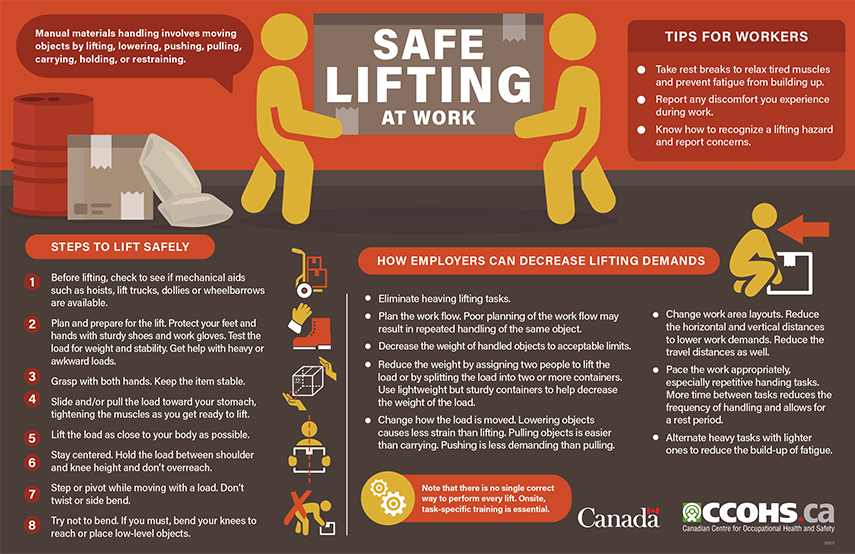
Using a crowbar for lifting can be risky if you do not follow safety steps. It is important to protect yourself and avoid injuries.
Read these safety precautions before you start lifting with a crowbar. They help keep you safe and your work efficient.
Protective Gear To Wear
Wearing the right protective gear reduces the chance of injury. Always prepare before you lift.
- Wear safety gloves to protect your hands from cuts and blisters.
- Use safety goggles to shield your eyes from flying debris.
- Wear sturdy boots with non-slip soles to keep your footing secure.
- Consider wearing a hard hat if you work in areas with falling objects.
- Use long sleeves and pants to protect your skin from scrapes.
Avoiding Common Injuries
Injuries happen mostly from poor technique and lack of care. Follow these tips to avoid common accidents.
| Cause | How to Avoid |
| Slipping crowbar | Check the crowbar tip and use firm pressure |
| Back strain | Bend your knees and lift with your legs |
| Pinching fingers | Keep fingers clear of the crowbar and the object |
| Eye injuries | Wear goggles and watch for flying debris |
| Foot injuries | Wear steel-toe boots and keep feet clear |
Maintenance And Storage
Keeping your crowbar in good shape helps it last longer. Proper care keeps it safe to use every time.
Cleaning and storing your crowbar the right way stops damage and rust. This guide shows how to do it.
Cleaning After Use
After using your crowbar, wipe off dirt and dust. Use a cloth or brush to clean the metal parts.
Check for rust or stuck debris. Remove rust with sandpaper or a wire brush to keep the metal smooth.
- Use a dry cloth to wipe dirt
- Scrub rust with a wire brush
- Remove stuck debris carefully
- Dry the crowbar completely before storing
Storing For Longevity
Store your crowbar in a dry place to avoid rust. Keep it off the ground and away from moisture.
Hang the crowbar or place it in a toolbox. This protects it from damage and keeps your workspace neat.
- Choose a dry, cool storage spot
- Hang the crowbar on a wall hook
- Use a toolbox or storage bin
- Check storage area regularly for moisture
Frequently Asked Questions
What Is A Crowbar Used For?
A crowbar is a versatile tool primarily used for prying, lifting, and leveraging. It helps in removing nails, opening crates, and separating materials. Its sturdy construction makes it ideal for heavy-duty tasks, ensuring safety and efficiency. Using a crowbar correctly can significantly reduce the risk of injury during lifting.
How Do You Safely Lift With A Crowbar?
To safely lift with a crowbar, position the tool under the object. Ensure your grip is firm and use your body weight to leverage. Keep your back straight and lift with your legs, not your back. This technique minimizes strain and reduces the risk of injury, ensuring safe lifting practices.
What Size Crowbar Is Best For Lifting?
The best crowbar size for lifting depends on the task. For heavy lifting, use a larger crowbar, typically 24-36 inches. Smaller tasks may require a 12-18 inch crowbar. A larger crowbar provides more leverage, making lifting easier and safer, while a smaller one is ideal for precision tasks.
Can A Crowbar Damage Surfaces?
Yes, a crowbar can damage surfaces if used improperly. To avoid damage, use a protective layer, like cardboard, between the tool and surface. Apply even pressure and avoid excessive force. Proper technique ensures effective lifting without causing unnecessary damage, preserving the condition of your work area.
Conclusion
Using a crowbar safely makes lifting tasks easier and safer. Always check the tool for damage before starting. Position the crowbar correctly to avoid slips and injuries. Use your legs and arms to lift, not just your back. Take your time and stay focused on the task.
Practice these tips to protect yourself and work better. Safe lifting helps prevent accidents and keeps you healthy. Keep these simple steps in mind for every job. A little care goes a long way with a crowbar.