If you’ve ever struggled to pull wires through tight walls or long conduit runs, you know how frustrating it can be. That’s where a fish tape comes in—a simple tool that can make your wiring tasks much easier and faster.
In this guide, you’ll learn exactly how to use a fish tape like a pro, even if you’ve never handled one before. By the end, you’ll feel confident tackling your wiring projects with less hassle and more success. Ready to save time and avoid headaches?
Keep reading to discover the secrets of using a fish tape effectively.
Choosing The Right Fish Tape
Using fish tape makes pulling wires easier and safer. Choosing the right fish tape depends on the job and material type.
Selecting the correct fish tape helps avoid damage to wires and speeds up your work.
Types Of Fish Tape Materials
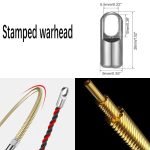
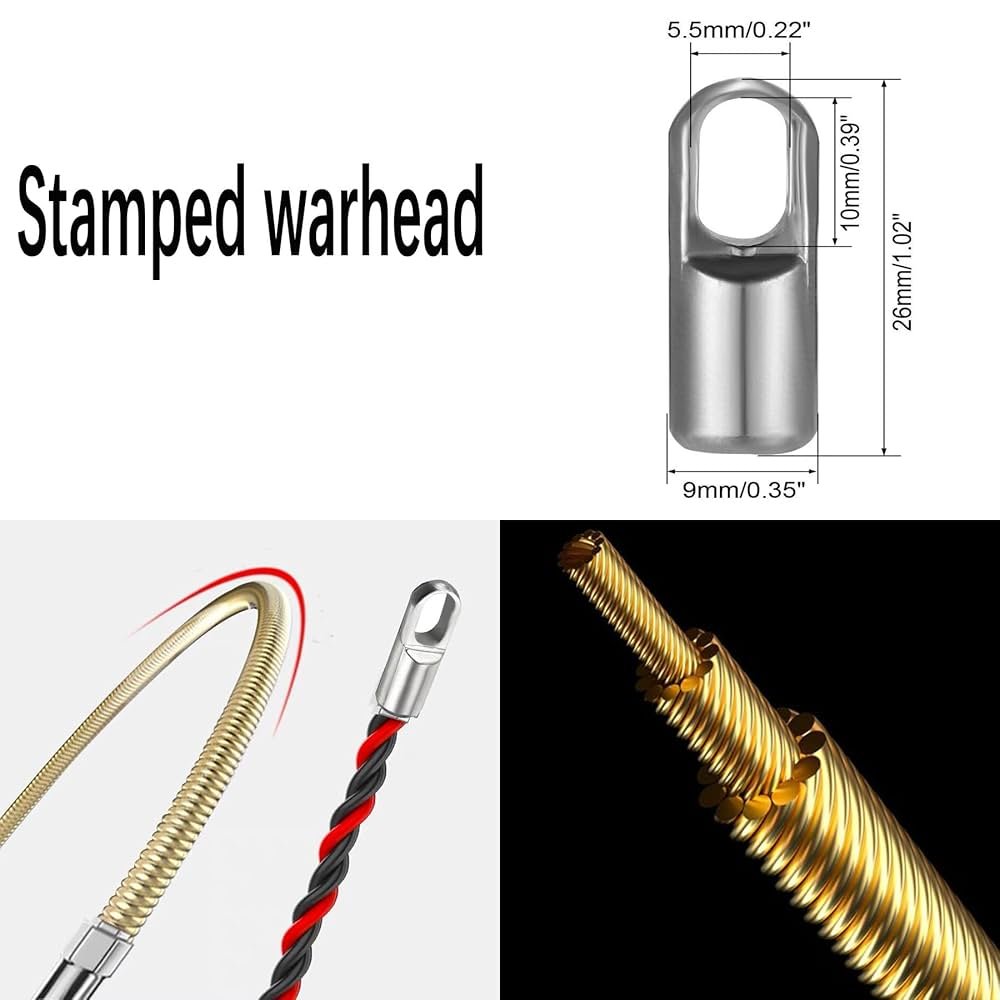
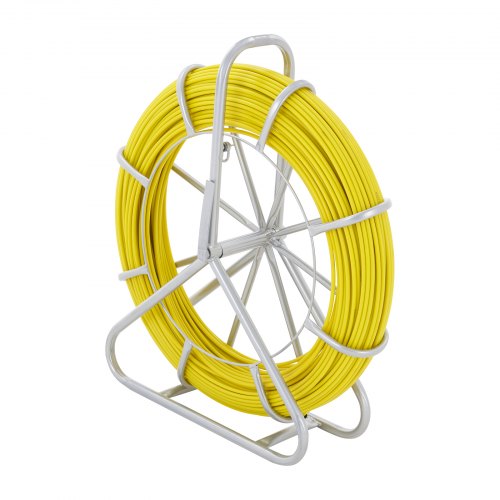
Fish tapes come in different materials like steel, fiberglass, and nylon. Each type has its own strengths and weaknesses.
- Steel:Strong and stiff, good for long runs. It can rust and may damage wires if not used carefully.
- Fiberglass:Non-conductive and flexible. It resists rust and works well in tight spaces.
- Nylon:Lightweight and flexible. Best for short distances but less durable.
Selecting Based On Job Requirements
Consider the job type, environment, and distance when choosing fish tape. This helps pick the best tool for the task.
| Job Type | Recommended Material | Reason |
| Long cable runs | Steel | Strong and stiff for distance |
| Wet or damp areas | Fiberglass | Does not rust and is non-conductive |
| Tight or curved spaces | Fiberglass or Nylon | Flexible and easy to bend |
| Short runs | Nylon | Lightweight and easy to handle |

Credit: www.amazon.co.uk
Preparing For Wire Pulling
Using a fish tape helps you pull wires through walls and conduits. Proper preparation makes the task easier and safer.
Before you start, gather your tools and check the work area. This prevents problems during wire pulling.
Gathering Necessary Tools
You need the right tools to pull wires efficiently. Having all tools ready saves time and effort.
- Fish tape for guiding wires
- Electrical tape to secure wires
- Wire strippers for preparing wire ends
- Flashlight to see in dark spaces
- Gloves to protect your hands
- Measuring tape to check distances
- Screwdrivers for opening panels
Inspecting The Work Area
Check the area where you will pull the wires. Look for obstacles or hazards that might block your path.
Clear the space and plan the wire route. Make sure there is enough room to work safely and easily.
Basic Fish Tape Techniques
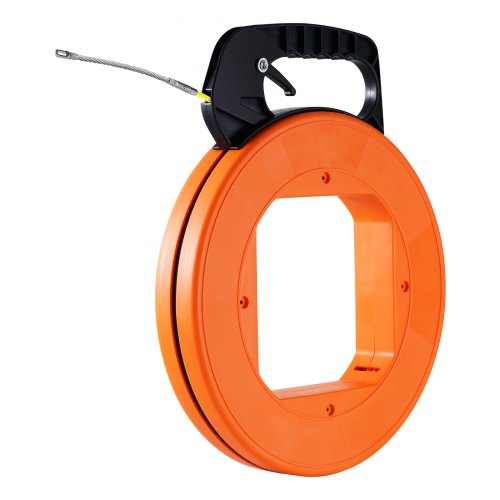
Fish tape helps you pull wires through walls, ceilings, and conduits. It is a flexible steel or fiberglass tape that guides the wire in tight spaces.
Learning to use fish tape correctly saves time and reduces damage. You need to handle it carefully to avoid kinks or breaks.
Inserting The Fish Tape
Start by straightening the end of the fish tape. Insert the end slowly into the conduit or wall opening. Push gently to avoid bending the tape too sharply.
- Hold the fish tape reel firmly.
- Guide the tape with your fingers close to the entry point.
- Feed the tape steadily without forcing it.
- Stop if you feel resistance and try adjusting the angle.
Navigating Through Conduits
Conduits may have bends and turns. Move the fish tape slowly and carefully through these parts. Avoid fast pushing to prevent the tape from getting stuck.
| Tip | Reason |
|---|---|
| Use a lubricant | Helps the tape slide smoothly |
| Pull and push gently | Prevents damage to the tape and conduit |
| Listen for obstacles | Helps locate blockages or sharp bends |
| Keep the tape straight | Reduces chances of kinking |
Credit: www.vevor.ca
Attaching And Pulling Wires
Using a fish tape helps pull wires through walls, ceilings, or conduits. It makes wiring jobs easier and faster.
Knowing how to attach wires properly and pull them safely is important. It protects the wires and prevents damage.
Securing Wires To The Tape
Attach wires to the fish tape firmly to avoid slipping. Use tape or a wire grip for a strong hold.
Leave enough room to avoid sharp bends at the connection point. This prevents wire damage during pulling.
- Strip a small section of the wire insulation if needed
- Wrap the wire around the fish tape tip
- Secure the wire with electrical tape or a wire grip tool
- Check the connection by gently pulling before the full pull
Safe Pulling Methods
Pull wires slowly and steadily to avoid damage. Do not use too much force or pull too fast.
Use gloves to protect your hands and avoid injuries. Keep the wire and tape straight to reduce friction.
- Keep a steady and gentle pull on the fish tape
- Avoid sharp bends or kinks in the wire
- Use lubricant if needed to ease pulling
- Ask for help if the wire is heavy or long
Troubleshooting Common Issues
Using a fish tape can be tricky if you face problems while pulling wires. Fixing these issues quickly helps you finish your job.
This guide shows how to handle common problems like snags and tape damage. Follow these tips for smoother wire pulling.
Dealing With Snags
Snags happen when the fish tape catches on something inside the wall or conduit. They can stop your progress and cause frustration.
Try to pull the tape back gently and change the angle. Move the tape slowly to free it without forcing it hard.
- Use a flashlight to see inside the conduit if possible.
- Twist the tape slightly to help it slide past obstacles.
- Push and pull the tape carefully to loosen stuck areas.
- If stuck tight, pull the tape back and try a different path.
Avoiding Tape Damage
Fish tape can bend or break if used roughly. Protect your tape to keep it working well for a long time.
Always feed the tape slowly and avoid sharp bends. Store it properly to prevent kinks and rust.
- Do not force the tape into tight bends.
- Keep the tape clean and dry after use.
- Use lubricant on the tape to reduce friction.
- Rewind the tape carefully onto its reel after work.
Maintenance And Storage Tips
Keeping your fish tape clean and stored correctly extends its life. Proper care prevents damage and makes pulling wires easier.
This guide covers how to clean your fish tape and store it safely for long-term use.
Cleaning The Fish Tape
After use, dirt and debris can stick to the fish tape. Clean it to avoid rust and ensure smooth operation.
- Wipe the tape with a dry cloth to remove loose dirt.
- Use a damp cloth with mild soap for sticky grime.
- Dry the tape completely to stop rust from forming.
- Apply a light oil coating to the tape to protect against corrosion.
- Check the tape for damage and repair or replace if needed.
Proper Storage Practices
Store your fish tape where it stays dry and safe from damage. Proper storage keeps it ready for the next job.
| Storage Tip | Reason |
| Keep tape coiled neatly in its case | Prevents kinks and tangles |
| Store in a dry place | Stops rust and corrosion |
| Avoid heavy objects on top | Prevents bending and damage |
| Check tape before storage | Ensures no dirt or moisture is trapped |
Credit: www.vevor.ca
Frequently Asked Questions
What Is A Fish Tape Used For In Wiring?
A fish tape helps pull wires through walls, conduits, and tight spaces. It simplifies wire installation and saves time during electrical projects.
How Do You Safely Use A Fish Tape?
Wear gloves to avoid injuries. Feed the tape slowly through conduits. Avoid forcing it to prevent damage to wires or the tape.
Can Fish Tape Be Used For All Wire Types?
Yes, fish tape works for most electrical wires, cables, and cords. However, delicate or oversized cables may require special tools.
How Do You Untangle A Stuck Fish Tape?
Gently pull and twist the tape back and forth. Avoid excessive force to prevent damage. Use lubricant if needed to ease movement.
Conclusion
Using fish tape makes pulling wires simpler. It’s a handy tool for electricians and DIY enthusiasts. Follow the steps carefully for best results. Always prioritize safety. Wear gloves and eye protection. Practice makes perfect, so don’t rush. Keep your tools organized.
A well-maintained fish tape lasts longer. Know the layout of your space before starting. This helps prevent mistakes. Be patient and take your time. Mistakes can be costly. With these tips, wire pulling becomes easier. And less stressful. Happy wiring!