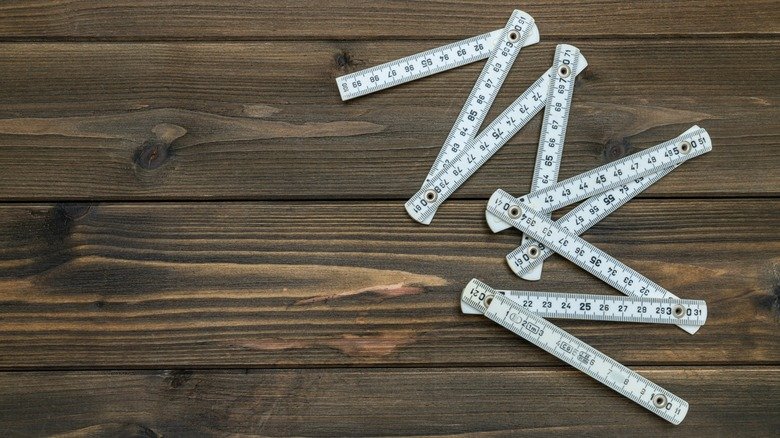
Measuring long walls can feel tricky, especially when your usual tape measure just won’t cut it. But what if there was a simple tool that makes this task easier, faster, and more accurate?
That’s where a folding ruler comes in. If you want to save time, avoid mistakes, and get perfect measurements every time, this guide is for you. Keep reading, and you’ll discover easy steps and insider tips to master using a folding ruler on your long walls like a pro.
Choosing The Right Folding Ruler
Using a folding ruler helps measure long walls with ease. Picking the right one makes your work more accurate and faster.
This guide covers key points about the material, size, and locking features of folding rulers.
Material And Build Quality
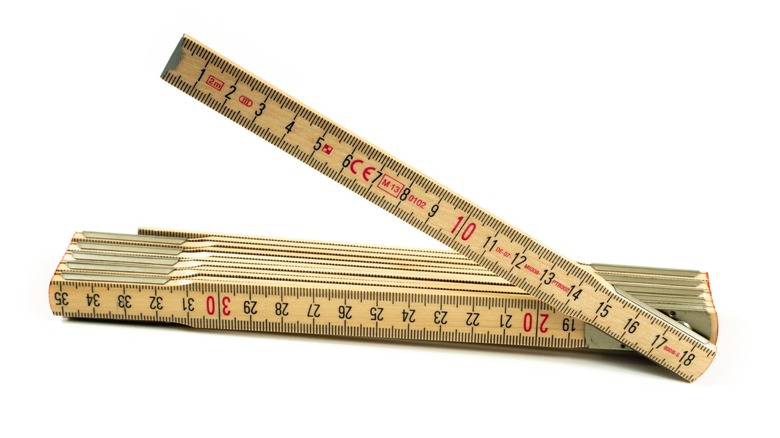
A good folding ruler must be sturdy and last long. Wood and metal are common materials. Wood is light but can wear out. Metal rulers resist damage and stay straight.
- Wood: lightweight, easy to handle, may crack over time
- Metal: durable, resists bending, usually heavier
- Plastic: affordable, less durable, can break easily
Length And Measurement Units
Choose a ruler long enough for your walls. Folding rulers come in different lengths, usually 2 to 6 meters.
| Length | Best For | Common Units |
| 2 meters | Small rooms and furniture | Metric (cm, m) |
| 3-4 meters | Average room walls | Metric and Imperial |
| 5-6 meters | Large walls and halls | Imperial (feet, inches) |
Locking Mechanisms
Locking mechanisms keep the ruler sections steady during use. This stops unwanted folding or slipping.
- Hinged locks: simple and common, easy to fold
- Snap locks: click to secure sections firmly
- Magnetic locks: use magnets to hold sections in place

Credit: www.wikihow.com
Preparing For Accurate Measurements
Taking exact measurements is key when working with long walls. Using a folding ruler properly helps achieve this. Good preparation makes the process smoother and results better.
This guide covers how to get ready before measuring. It focuses on clearing the path, marking points, and checking the ruler’s accuracy.
Clearing The Measurement Path
Remove all objects that block the wall. Clear furniture, decorations, and cables near the wall. This prevents mistakes caused by obstacles.
- Move chairs and tables away from the wall.
- Take down pictures or shelves that stick out.
- Ensure good lighting to see the wall clearly.
- Check the floor for items that can trip you.
Marking Reference Points
Mark key spots on the wall before measuring. These marks guide where to start and stop. They keep your measurements consistent.
| Type of Mark | Purpose | How to Mark |
| Start Point | Where measurement begins | Use pencil or masking tape |
| End Point | Where measurement ends | Make a small pencil mark |
| Intermediate Points | Divide long walls for accuracy | Light dots every meter or foot |
Calibrating The Ruler
Check your folding ruler for accuracy before use. A wrong ruler can cause errors in long measurements.
Follow these checks:
- Fully extend the ruler and ensure all joints lock firmly.
- Compare the ruler length to a known standard, like a tape measure.
- Look for worn or faded markings that are hard to read.
- Replace or fix the ruler if any segment is damaged.
Techniques For Measuring Long Walls
Measuring long walls can be tricky without the right techniques. A folding ruler helps you get accurate results.
Using the ruler correctly ensures you measure the full length without mistakes. This guide covers key tips.
Extending And Aligning The Ruler
Open the folding ruler carefully to the length you need. Make sure all segments are fully extended and locked.
Keep the ruler straight along the wall. Align its edge with the base or top of the wall for best results.
- Unfold the ruler completely for longer measurements.
- Lock the joints so the ruler stays firm.
- Hold the ruler flat against the wall to avoid gaps.
- Check the ruler’s alignment before reading the measurement.
Avoiding Common Measurement Errors
Errors happen when the ruler bends or shifts during measuring. Avoid moving the ruler while noting numbers.
Watch out for wrong starting points. Start measuring exactly at the wall’s edge or corner for accuracy.
- Do not let the ruler sag or bend.
- Start measuring from zero on the ruler, not the folded end.
- Double-check measurements by measuring twice.
- Use good lighting to read numbers clearly.
Using Support Tools
Support tools make measuring easier and more accurate. Use clamps or helpers to hold the ruler steady.
A laser level or chalk line can help mark points on long walls. These tools guide your ruler placement.
- Use clamps to fix the ruler in place.
- Ask someone to hold the ruler at the far end.
- Use a laser level to mark straight lines.
- Chalk lines help keep measurements aligned.
Maintaining And Storing Your Folding Ruler
Keeping your folding ruler clean and safe helps it last longer. Proper care keeps measurements accurate.
Store your ruler correctly to avoid damage and wear. This guide shows how to clean, protect, and store it.
Cleaning Tips
Clean your folding ruler after use to remove dirt and dust. Dirt can cause parts to stick or wear out.
Use a soft cloth with mild soap and water to clean the surface. Avoid soaking the ruler to protect the wood or metal.
- Wipe off dust and dirt gently
- Use a damp cloth, not a wet one
- Dry the ruler completely before folding
- Do not use harsh chemicals
Preventing Wear And Damage
Handle your folding ruler carefully to avoid cracks or breaks. Do not force the joints when folding or unfolding.
Check the ruler often for loose screws or joints. Tighten screws gently to keep the ruler stable and precise.
- Open and close the ruler slowly
- Keep screws tight but do not overtighten
- Avoid dropping or bending the ruler
- Inspect for damage regularly
Proper Storage Practices
Store your folding ruler in a dry, cool place to prevent warping or rust. Avoid leaving it in direct sunlight.
Keep the ruler folded and inside a protective case or pouch if possible. This helps stop dust and accidental damage.
- Fold the ruler completely before storing
- Use a case or pouch for protection
- Store away from heat and moisture
- Place it where it won’t be crushed
Troubleshooting Common Issues
Using a folding ruler for long walls can be tricky sometimes. Common problems include stiff joints, wrong measurements, and worn parts.
Fixing these issues keeps your tool working well and your work accurate. Below are tips to solve these problems quickly.
Dealing With Stiff Joints
Folding rulers often get stiff where the sections join. Dust, rust, or old grease can cause this stiffness. You can fix it by cleaning and lubricating the joints.
- Open the ruler fully to expose the joints.
- Use a dry cloth to remove dirt and dust.
- Apply a small amount of light oil or silicone spray on the joints.
- Move the joints back and forth to spread the lubricant evenly.
- Wipe off any extra oil to avoid dust buildup.
Correcting Measurement Inaccuracies
Sometimes your folding ruler may show wrong measurements. This can happen if the ruler is bent, worn, or not fully extended. Check your measurements carefully before cutting or marking.
| Issue | Cause | Fix |
| Measurements too short | Ruler sections not fully flat | Press sections firmly flat when measuring |
| Measurements too long | Worn edges or bends | Replace or straighten the ruler |
| Uneven readings | Joints loose or stiff | Adjust or lubricate joints |
Replacing Worn Parts
Parts of a folding ruler can wear out over time. Joints may become loose or pins may fall out. You can replace or repair these parts to keep the ruler working.
Follow these tips for replacing worn parts:
- Identify the worn or damaged part.
- Check if the manufacturer sells replacement parts.
- Use small tools like pliers or screwdrivers to remove old pins or joints.
- Install new parts carefully and test the ruler.
- If parts are unavailable, consider buying a new folding ruler.
Credit: www.slashgear.com

Credit: www.amazon.ca
Frequently Asked Questions
What Is A Folding Ruler Used For?
A folding ruler measures long distances accurately. It folds for easy storage and extends for precise readings. It’s ideal for measuring long walls and large objects where tape measures may be less convenient.
How Do You Measure A Long Wall With A Folding Ruler?
Start by fully extending the ruler along the wall. Mark the length where the ruler ends. Fold the ruler, move it forward, and continue measuring until you reach the wall’s end. Add all segments for total length.
What Are Benefits Of Using A Folding Ruler?
Folding rulers are durable, portable, and easy to use. They provide stable measurements without bending. Their rigid structure ensures precise readings on long surfaces, making them perfect for carpenters and DIY enthusiasts.
Can A Folding Ruler Replace A Tape Measure?
Folding rulers are great for straight, long measurements but less flexible for curves. Tape measures are better for irregular shapes. Use a folding ruler for solid, linear walls to achieve exact measurements efficiently.
Conclusion
A folding ruler makes measuring long walls simple and efficient. Its design offers easy handling and precise measurements. You can avoid errors by focusing on proper alignment. Practice using it regularly for better accuracy. Remember to keep your ruler clean and well-maintained.
This ensures long-term reliability. With these tips, tackle any wall measurement confidently. A folding ruler is a handy tool for both beginners and experts. Keep learning and improving your measurement skills. Soon, you’ll measure like a pro. Enjoy the process and the satisfaction of perfect measurements.