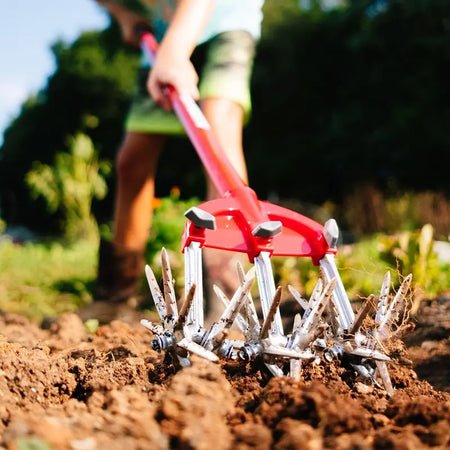
Are you ready to transform your garden into a thriving, beautiful space? Using a garden cultivator can make your work easier, faster, and more effective.
Whether you’re a beginner or have some experience, this guide will help you get the most out of your cultivator. You’ll learn how to prepare your soil, remove weeds, and boost plant growth with simple steps. Keep reading to discover how this handy tool can save you time and effort, making your gardening tasks more enjoyable and rewarding.
Your garden deserves the best care—and it starts here.
Credit: gardening.org
Choosing The Right Cultivator
Using a garden cultivator makes soil preparation easier. Picking the right one saves time and effort.
This guide explains different cultivators and what to consider before buying.
Types Of Garden Cultivators
Garden cultivators come in many shapes. Some are small and hand-held. Others are larger and machine-powered.
- Tine cultivators have blades that break up soil.
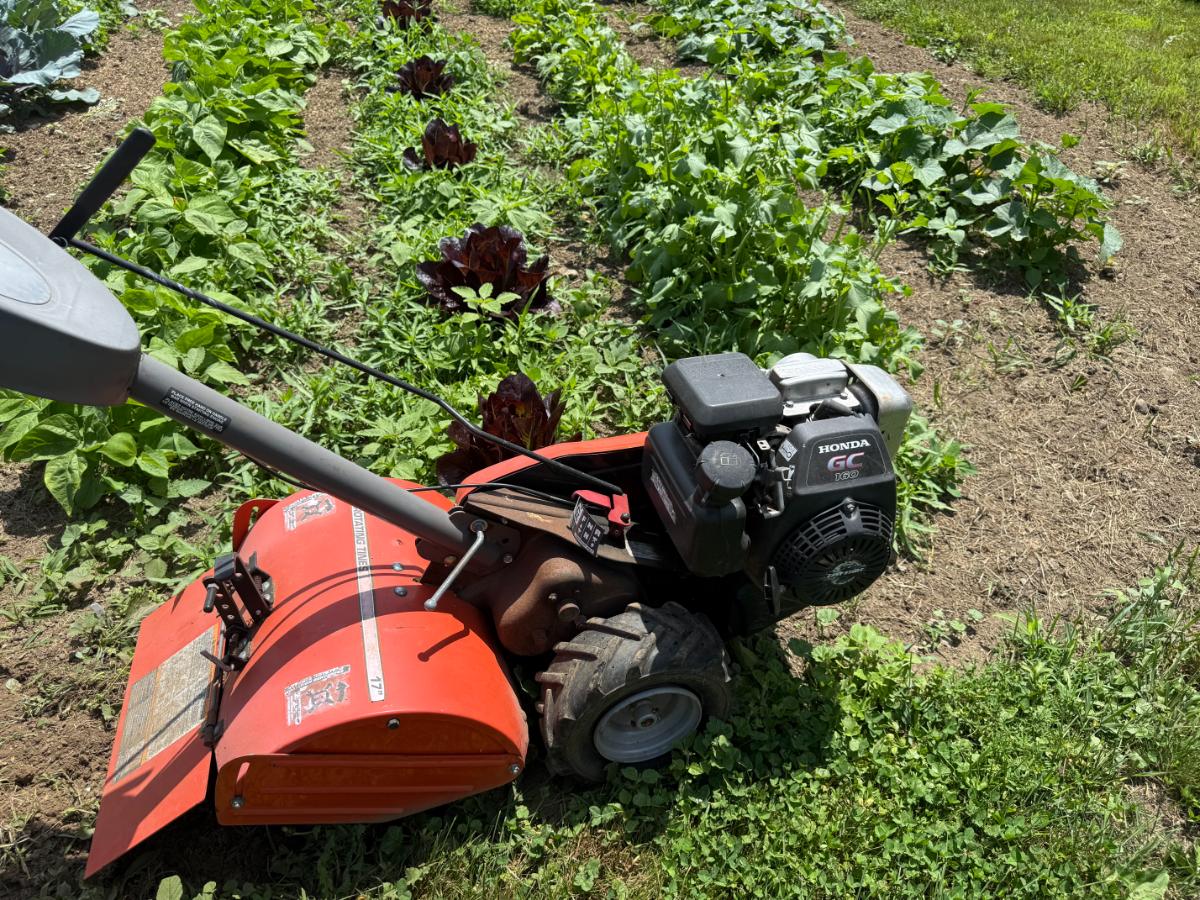
- Rotary cultivators use rotating blades to till the earth.
- Hiller cultivators shape soil into rows for planting.
- Hand cultivators are simple tools for small gardens.
Manual Vs. Motorized Models
Manual cultivators need you to push or pull them. Motorized ones have engines to do the work.
| Feature | Manual Cultivator | Motorized Cultivator |
| Weight | Light | Heavy |
| Power Source | Your Strength | Gas or Electric |
| Best For | Small Gardens | Large Areas |
| Noise Level | Quiet | Noisy |
Factors To Consider
Choose a cultivator based on your garden size and soil type. Also, think about your strength and budget.
- Size of garden: bigger gardens may need motorized tools.
- Soil hardness: tough soil requires stronger cultivators.
- Your physical ability: manual tools need more effort.
- Storage space: motorized models take more room.
- Budget: motorized cultivators cost more than manual ones.
Preparing Your Garden
Preparing your garden properly helps your plants grow well. It makes using a garden cultivator easier and more effective.
Start by making sure the area is ready. Clear the space and check the soil before you begin cultivating.
Clearing Debris And Rocks
Remove leaves, sticks, and stones from your garden area. These can block the cultivator and damage its blades.
- Pick up large rocks by hand.
- Rake away dead plants and branches.
- Check for hidden roots near the surface.
- Dispose of debris in a compost or trash bin.
Marking Garden Boundaries
Define your garden’s edges to keep the cultivator inside the planting area. This keeps your plants safe and your garden tidy.
| Method | Description |
| String Lines | Use stakes and string to mark straight rows. |
| Garden Tape | Place tape around the perimeter to show boundaries. |
| Physical Barriers | Use wood or plastic borders to separate garden beds. |
Soil Moisture And Conditions
Check the soil moisture before using your cultivator. Too wet or too dry soil can make cultivation harder.
Here is a simple guide to soil moisture levels:
- Too Wet:Soil feels muddy and sticks to tools.
- Ideal:Soil is moist but crumbles easily.
- Too Dry:Soil is dusty and hard to dig.
Operating The Cultivator
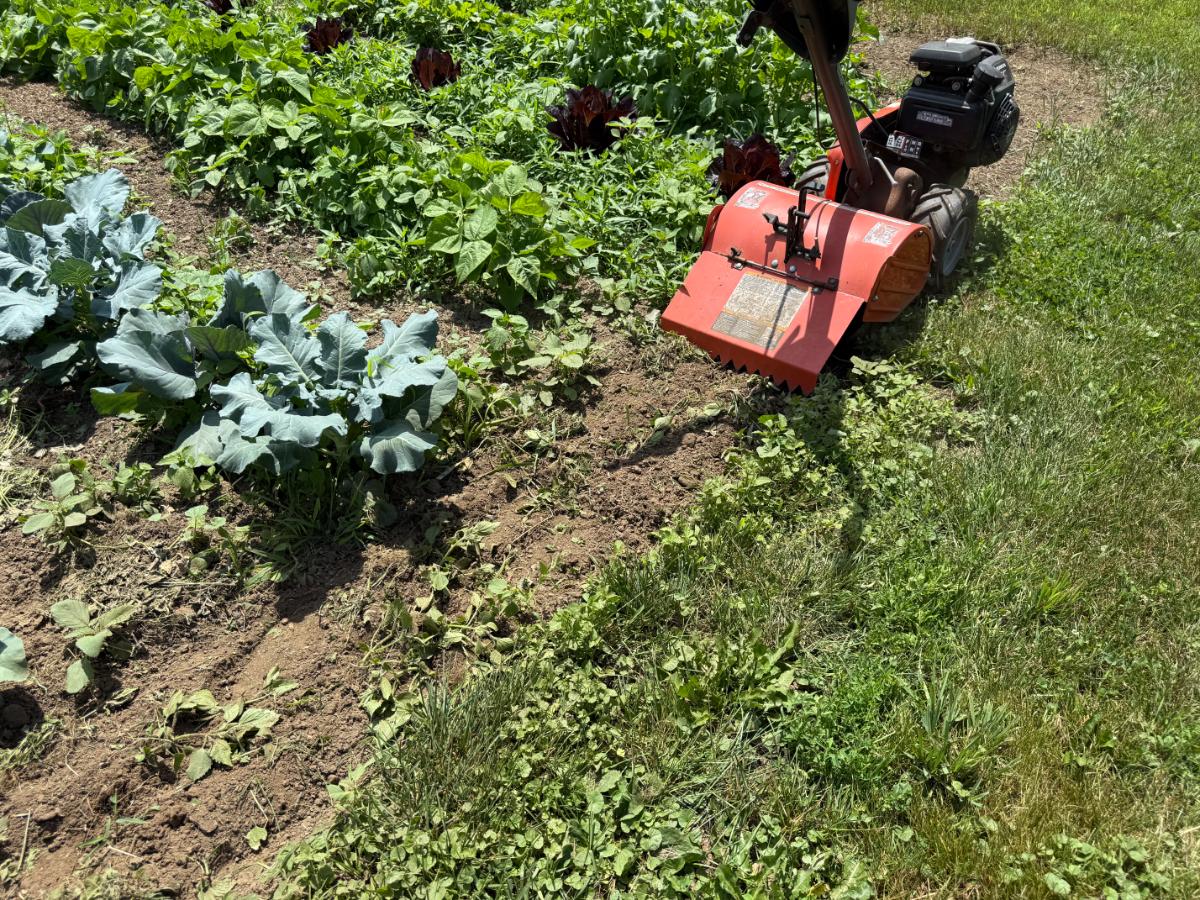
Using a garden cultivator helps prepare soil for planting. It breaks up hard ground and mixes soil nutrients.
Knowing how to operate the cultivator safely and effectively saves time and effort in the garden.
Starting And Handling Tips
Before starting, check the cultivator for loose parts or damage. Make sure it has enough fuel or power.
- Wear sturdy shoes and gloves for protection.
- Hold the handles firmly with both hands.
- Start the engine on a flat surface.
- Keep your feet away from the blades at all times.
- Do not force the cultivator; let it move at its own pace.
Optimal Cultivation Depth
Set the cultivator to the right depth to avoid harming soil life and roots. Usually, 2 to 4 inches is best.
| Soil Type | Recommended Depth |
| Sandy Soil | 3 to 4 inches |
| Clay Soil | 2 to 3 inches |
| Loamy Soil | 2 to 4 inches |
Working Patterns For Efficiency
Plan your path before you start to avoid overlapping and missed spots. Work in straight lines for best results.
- Start at one corner of the garden bed.
- Move forward in a straight line, keeping the cultivator steady.
- Turn around carefully at the end of each row.
- Overlap each row slightly to cover all soil evenly.
- Finish by checking for any areas that need extra attention.

Credit: www.youtube.com
Maintaining Your Cultivator
Keeping your garden cultivator in good shape helps it work well. Regular care stops damage and makes your tool last longer.
Here are simple tips to keep your cultivator clean and ready for your next gardening job.
Cleaning After Use
Clean the cultivator right after you finish using it. Dirt and plant material can stick and cause rust or block parts.
Use a brush or water to remove all soil. Dry the cultivator before storing it to avoid rust.
- Remove dirt with a stiff brush
- Wash with water if needed
- Dry all parts thoroughly
- Store in a dry place
Sharpening And Replacing Blades
Dull blades make your cultivator less effective. Check blades often and sharpen them if they look blunt.
If blades are damaged or worn out, replace them with new ones. Sharp blades cut soil better and save your energy.
- Use a file or sharpening stone for blades
- Wear gloves for safety
- Replace blades if bent or cracked
- Follow the manufacturer’s guide for blade replacement
Regular Mechanical Checks
Look over your cultivator regularly to find loose or broken parts. Tighten screws and bolts to keep it safe and working well.
Check the engine and other moving parts. Oil and fix them as needed to avoid big problems.
- Tighten all screws and nuts
- Check belts and replace if worn
- Lubricate moving parts with oil
- Inspect engine oil and air filter
Safety Measures
Using a garden cultivator requires care to avoid accidents. Follow safety rules to protect yourself and others.
Proper preparation and attention can help you work safely and efficiently in your garden.
Protective Gear Recommendations
Always wear protective gear to guard against injuries. Proper clothing and equipment reduce risks while using a cultivator.
- Wear sturdy gloves to protect your hands from cuts and blisters.
- Use safety goggles to shield your eyes from flying debris.
- Put on ear protection to reduce noise from the machine.
- Wear long sleeves and pants to prevent scratches and insect bites.
- Use closed-toe shoes or boots with good grip.
Safe Operating Practices
Operate the garden cultivator carefully to avoid accidents. Follow these safe practices every time you work.
- Read and understand the user manual before starting.
- Check the cultivator for damage or loose parts before use.
- Clear the area of rocks, sticks, and other objects.
- Keep hands and feet away from moving parts.
- Work at a steady pace without rushing.
- Turn off the machine before making adjustments or cleaning.
Troubleshooting Common Issues
If the cultivator does not work correctly, check these common problems and solutions.
| Problem | Possible Cause | Solution |
| Engine won’t start | Empty fuel tank | Refill fuel tank |
| Machine stalls | Clogged air filter | Clean or replace air filter |
| Uneven tilling | Worn tines | Replace damaged tines |
| Excessive vibration | Loose parts | Tighten all nuts and bolts |
| Overheating | Engine overload | Let engine cool before use |
Credit: gardening.org
Maximizing Garden Results
Using a garden cultivator can help improve soil and plant health. It breaks up soil and removes weeds for better growth.
To get the best results, you should combine cultivation with other gardening practices. This guide explains how to do that effectively.
Combining Cultivation With Fertilizing
Cultivating your soil before fertilizing helps nutrients reach plant roots faster. It also mixes the fertilizer evenly into the soil.
- Use the cultivator to loosen the topsoil
- Apply fertilizer after cultivation
- Mix fertilizer lightly into the soil with the cultivator
- Water the area to activate the nutrients
Timing Cultivation For Best Growth
Choosing the right time to cultivate can increase plant growth. Avoid cultivating when soil is too wet or dry.
| Condition | Best Time to Cultivate |
| Soil Moisture | After light rain or watering |
| Plant Stage | Before planting seeds or early growth |
| Weed Control | Before weeds flower and spread seeds |
Integrating With Other Gardening Tools
Use your garden cultivator with other tools to save time and effort. Each tool has a specific role that helps your garden thrive.
- Garden Cultivator:Loosen soil and remove small weeds.
- Hoe:Clear large weeds and shape soil beds.
- Rake:Smooth soil surface after cultivation.
- Watering Can or Hose:Water plants after working the soil.
Frequently Asked Questions
What Is A Garden Cultivator Used For?
A garden cultivator is used to break up soil and remove weeds. It helps in aerating the soil and preparing it for planting. Cultivators are essential for maintaining garden beds and ensuring healthy plant growth by improving soil structure.
How Do You Use A Garden Cultivator?
To use a garden cultivator, push it into the soil and twist it. This helps break up compacted soil and remove weeds. Work in small sections for best results. Always ensure the soil is slightly moist for easier cultivation.
Can A Cultivator Remove Weeds Effectively?
Yes, a cultivator can effectively remove weeds by uprooting them from the soil. It helps prevent weed growth by disrupting their root systems. Regular use of a cultivator keeps your garden weed-free and promotes healthy plant growth.
What Types Of Garden Cultivators Are There?
There are manual, electric, and gas-powered garden cultivators available. Manual cultivators are ideal for small gardens. Electric and gas-powered ones are suitable for larger areas. Each type has its advantages, depending on your garden size and soil type.
Conclusion
Using a garden cultivator makes soil preparation easier and faster. It helps break up hard soil and removes weeds effectively. Regular use keeps your garden healthy and ready for planting. Choose the right cultivator based on your garden size and needs.
Always follow safety tips to avoid accidents while working. With care and practice, your gardening tasks will feel less tiring. Enjoy the process and watch your plants grow strong and healthy. Simple tools, great results.