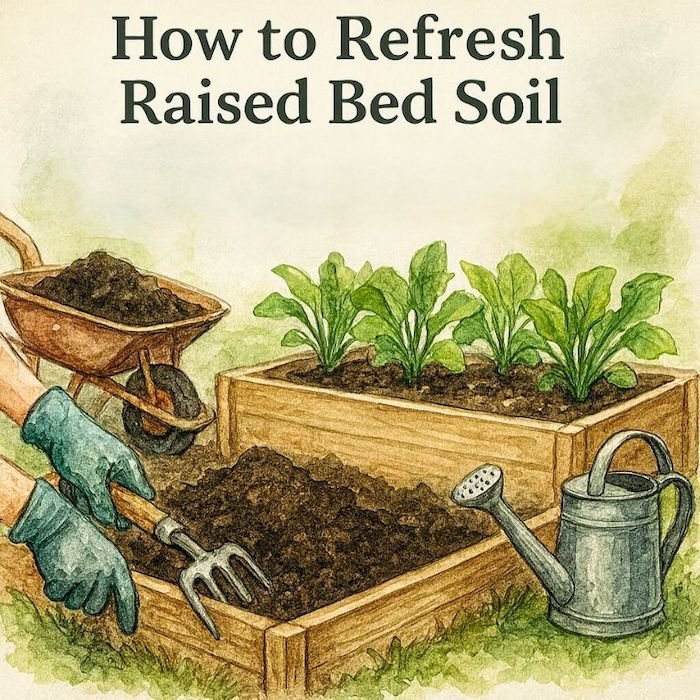
Are you ready to make your small garden beds healthier and more productive? Using a garden cultivator can be a game-changer for your gardening routine.
It helps you prepare the soil quickly, control weeds, and improve plant growth—all without tiring you out. In this guide, you’ll discover simple steps to use a garden cultivator effectively, even if you’re new to gardening. By the end, you’ll feel confident turning your small beds into vibrant, thriving spaces.
Let’s dive in and make your garden work easier and more rewarding!
Choosing The Right Cultivator
Using a garden cultivator helps keep small beds healthy and neat. Picking the right tool makes your work easier and faster.
This guide covers different types of cultivators, size and power choices, and compares electric and gas models.
Types Of Cultivators
There are several cultivator types. Each fits different gardening needs and soil types.
- Handheld Cultivators:Small and light, good for tight spaces and shallow soil.
- Rotary Cultivators:Use rotating tines to break soil, ideal for small to medium beds.
- Tiller Cultivators:Larger machines that dig deeper, fit for bigger small beds.
Size And Power Considerations
Choose a cultivator size that matches your bed size. Too big can damage plants; too small may not work well.
| Bed Size | Recommended Cultivator Size | Power Level |
| Up to 50 sq ft | Handheld or small rotary | Low to medium |
| 50 to 200 sq ft | Medium rotary or small tiller | Medium |
| Over 200 sq ft | Large tiller | High |
Electric Vs Gas Models
Electric cultivators are quiet and light. They need less upkeep and work well on small beds.
Gas models have more power for tough soil. They can handle bigger jobs but need more care.
- Electric:Lightweight, low noise, easy start, limited by cord or battery.
- Gas:More powerful, no cord limits, heavier, needs fuel and maintenance.
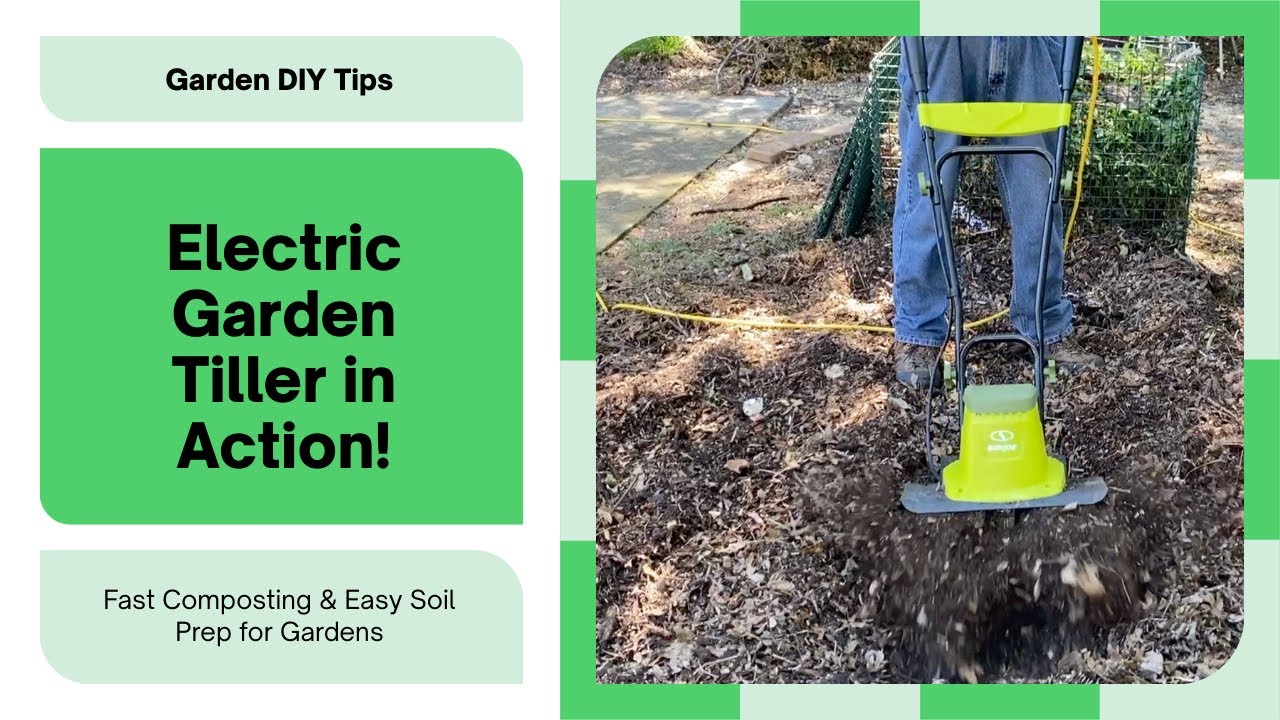
Credit: www.youtube.com
Preparing Small Garden Beds
Preparing small garden beds is key to growing healthy plants. Good preparation helps the soil and plants grow better.
A garden cultivator can make this work easier. It helps you get the soil ready for planting.
Clearing Debris And Weeds
Start by removing leaves, sticks, and old plants from the bed. Clear away all debris to give your plants space.
Pull out any weeds by hand or use a tool. Weeds compete with your plants for water and nutrients.
- Collect all debris in a bucket or bag
- Check the soil surface for hidden weeds
- Remove roots to stop weeds from growing back
Soil Moisture Tips
Check soil moisture before using your cultivator. The soil should be damp but not wet or dry.
Too much water can make the soil heavy and hard to work. Too little water makes the soil hard and dusty.
- Test soil by squeezing a small ball in your hand
- If it crumbles easily, moisture is good
- Add water if soil feels dry and hard
- Wait for soil to dry if it is muddy
Marking Bed Boundaries
Mark the edges of your garden bed before you start working. This helps you stay within the area you want to cultivate.
You can use string, stakes, or garden paint to outline the bed. Clear boundaries keep your work neat and organized.
- Place stakes at each corner of the bed
- Tie string tightly between stakes
- Use garden paint for a more visible line
- Check that the marked area fits your planting plan
Operating The Cultivator Safely
Using a garden cultivator in small beds helps prepare soil for planting. Safety is key to avoid injury and damage.
This guide covers how to handle the tool properly, what safety gear to wear, and common mistakes to avoid.
Proper Handling Techniques
Hold the cultivator firmly with both hands. Keep your back straight and feet apart for balance. Move the cultivator slowly and steadily to control depth.
- Start the cultivator on a flat surface.
- Keep fingers and feet away from blades.
- Turn off the engine before making adjustments.
- Use smooth motions to avoid jerking the tool.
- Work in small sections to maintain control.
Safety Gear Recommendations
Wear the right gear to protect yourself from dirt, noise, and flying debris. Good safety gear lowers the risk of accidents.
| Gear | Purpose |
| Gloves | Protect hands from cuts and blisters |
| Safety glasses | Shield eyes from dust and debris |
| Sturdy shoes | Prevent foot injuries and improve grip |
| Hearing protection | Reduce noise from the cultivator |
| Long pants | Protect legs from scratches and dirt |
Avoiding Common Mistakes
Many accidents happen because users rush or ignore safety rules. Watch out for these common errors.
- Do not use the cultivator on wet or slippery ground.
- Never leave the cultivator running unattended.
- Do not force the machine into hard soil.
- Avoid wearing loose clothing that can catch on parts.
- Check for rocks or roots before starting.
Cultivating Tips For Small Spaces
Using a garden cultivator in small beds can save time and improve soil health. It helps prepare the soil for planting and controls weeds easily.
To get the best results, you need to adjust your technique to fit the limited space. This guide covers key tips for small gardens.
Adjusting Depth And Speed
Set the cultivator depth based on your soil type and plant roots. Shallow depth works best for small beds to avoid root damage.
Control the speed of your cultivator to keep the soil loose but not disturbed too much. Slow and steady is the best approach.
- Start with a shallow depth, around 2-3 inches
- Increase depth only if soil is very compacted
- Keep a slow speed to prevent soil clumping
- Stop if you feel resistance from roots or rocks
Working Around Plants
Be careful when cultivating near existing plants. Avoid damaging roots and stems by steering clear or using hand tools for close spots.
| Plant Type | Safe Distance to Cultivate |
| Vegetables | 3-4 inches |
| Herbs | 2-3 inches |
| Flowers | 4-5 inches |
| Young seedlings | 5+ inches |
Maximizing Efficiency
Plan your path before starting. Cultivate in rows or small sections to avoid overlapping work and save time.
- Work when soil is dry but not too hard
- Use a cultivator with adjustable handles
- Clear debris before starting
- Make multiple light passes instead of one deep pass
Maintaining Your Garden Cultivator
Keeping your garden cultivator in good shape helps it work better. Regular care extends its life and saves money.
Learn simple ways to clean, maintain, and store your cultivator. These tips keep your tool ready for small garden beds.
Cleaning After Use
Cleaning your garden cultivator right after use stops dirt from building up. It prevents rust and damage to parts.
Remove soil and plant debris with a brush or cloth. Use water carefully to avoid wetting parts that may rust.
- Brush off loose dirt and roots
- Wipe metal parts with a dry cloth
- Use a hose or damp cloth for stubborn dirt
- Dry the cultivator completely after cleaning
Regular Maintenance Tasks
Check your cultivator often for wear and tear. Fix or replace parts to keep it working well.
Lubricate moving parts to reduce friction. Tighten loose bolts and screws to keep the tool safe.
- Inspect blades for dullness or damage
- Sharpen or replace blades as needed
- Oil the joints and moving parts monthly
- Tighten all nuts and bolts regularly
Storage Suggestions
Store your garden cultivator in a dry place. Proper storage protects it from rust and weather damage.
Keep the cultivator off the ground. Hang it or place it on a shelf to avoid moisture and dirt.
- Choose a dry, sheltered spot
- Hang the cultivator on a wall hook
- Cover it with a cloth or plastic sheet
- Keep it away from chemicals and moisture

Credit: www.youtube.com

Credit: www.vegega.com
Frequently Asked Questions
What Is A Garden Cultivator Used For?
A garden cultivator is used to aerate soil and mix in nutrients. It’s perfect for preparing small garden beds. This tool helps break up compacted soil and remove weeds. Using a cultivator enhances soil health and promotes better plant growth.
How Do I Use A Cultivator In A Small Bed?
Using a cultivator in a small bed involves gently tilling the soil. Start by removing large rocks and debris. Push the cultivator through the soil with moderate pressure. This process loosens the soil, making it ready for planting. Ensure even coverage for optimal results.
Is A Cultivator Necessary For Small Gardens?
A cultivator is beneficial for small gardens as it improves soil structure. It aids in nutrient distribution and enhances root growth. While not absolutely necessary, it makes gardening tasks easier and more effective. Cultivators are especially useful in compacted or hard soil conditions.
Can I Use A Cultivator For Weed Control?
Yes, a cultivator can help manage weeds in your garden. It uproots weeds, preventing them from taking root again. Regular use of a cultivator reduces weed growth over time. However, it should be used with care to avoid disturbing desired plants.
Conclusion
Using a garden cultivator makes small bed care easier and faster. It helps loosen soil and remove weeds without much effort. Regular use improves soil health and plant growth. Choose the right cultivator for your garden size. Take time to learn how to use it safely.
Small beds will look neat and well-tended. Enjoy the process and watch your plants thrive. Simple steps lead to better gardening results. Keep your garden healthy with regular cultivation. Gardening becomes more fun with the right tools.