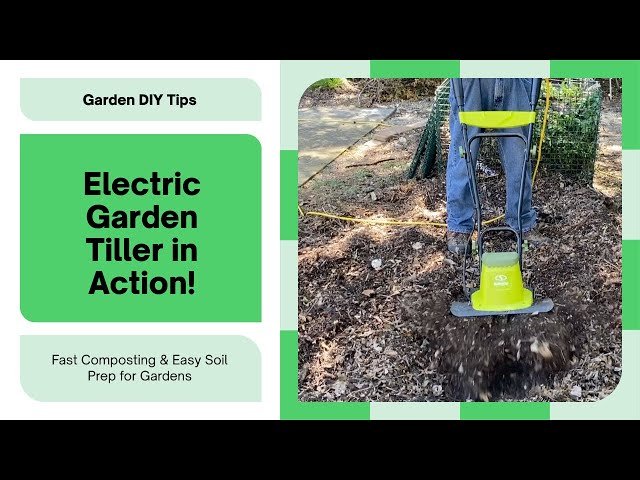
Are you ready to take your gardening to the next level? A garden cultivator can be your best friend, helping you prepare your soil like a pro.
But, like any tool, safety is key. You don’t want to turn your gardening dream into a cautionary tale. In this guide, you’ll discover how to use a garden cultivator safely, ensuring you and your garden thrive together. Imagine the satisfaction of cultivating your soil efficiently and safely, leading to a healthier, more vibrant garden.
Stick around, because mastering this skill will transform the way you garden forever. Let’s dive in and unlock the secrets to safe and successful cultivation.
Credit: gardening.org
Choosing The Right Cultivator
Choosing the right garden cultivator helps make your gardening work easier and safer. There are many types of cultivators, each for different tasks and soil types.
It is important to consider your garden size, soil condition, and power needs before buying a cultivator. This guide explains the types and key factors to think about.
Types Of Garden Cultivators
Garden cultivators come in different forms. Some are small and manual, while others use gas or electricity. Knowing the types helps you pick one that fits your garden.
- Manual Cultivators:Hand tools for small gardens or tight spaces.
- Electric Cultivators:Lightweight and easy to use for small to medium gardens.
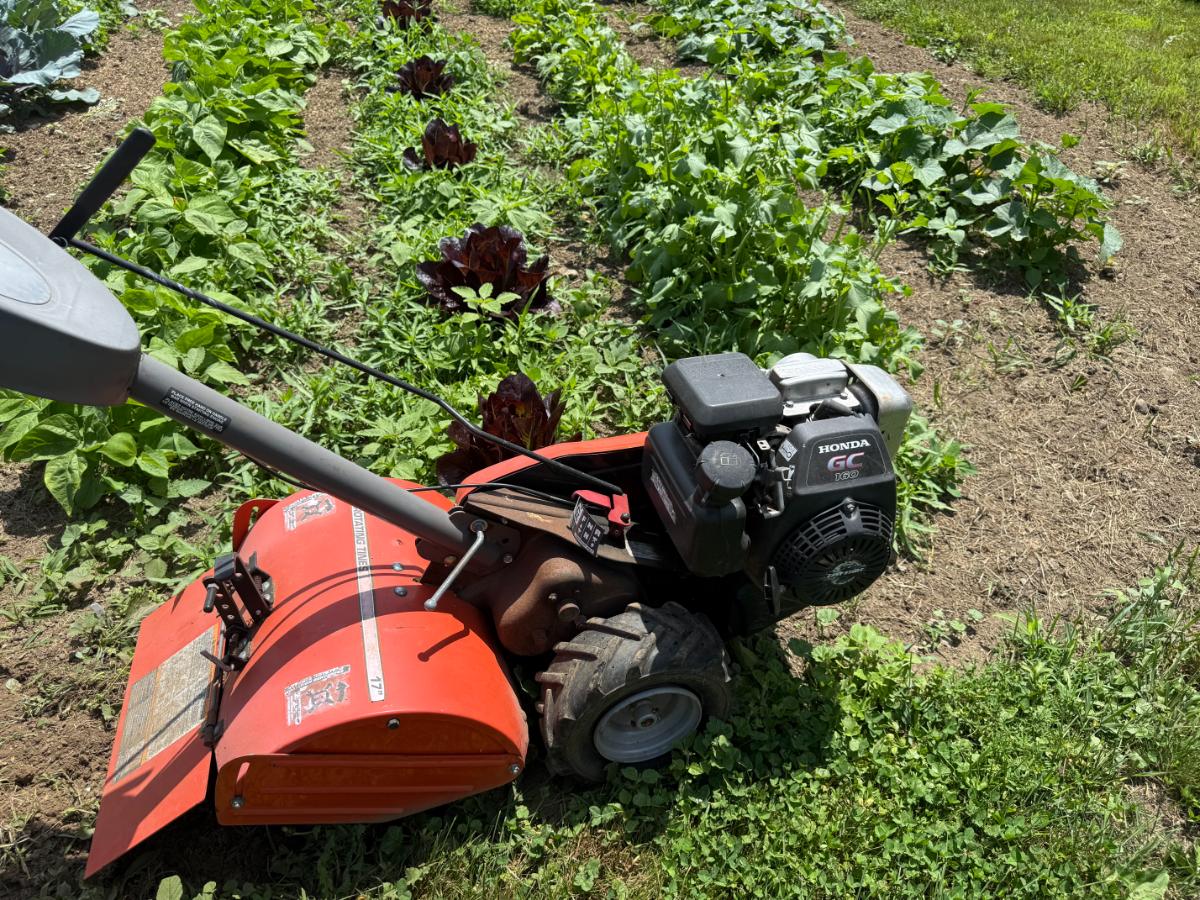
- Gas Cultivators:Powerful machines suited for large gardens and tough soil.
- Tow-Behind Cultivators:Attach to tractors for very large areas.
Factors To Consider Before Buying
| Factor | Details |
| Garden Size | Small gardens need manual or electric cultivators. Large gardens require gas or tow-behind types. |
| Soil Type | Hard soil needs more power. Soft soil can work with lighter models. |
| Power Source | Electric cultivators need an outlet. Gas models offer more freedom but need fuel. |
| Weight and Size | Lighter cultivators are easier to handle. Heavy machines can be harder to control but cover more area. |
| Maintenance | Electric tools need less upkeep than gas-powered ones. |
Preparing Your Garden
Getting your garden ready is important before using a cultivator. It helps the machine work better and keeps you safe. Take time to prepare the soil and area carefully.
Start by clearing the ground and marking any dangers. This makes your work easier and avoids accidents.
Clearing Debris And Obstacles
Remove sticks, rocks, and trash from your garden. These items can damage your cultivator or cause injury. Clear the soil surface well before you start.
- Pick up large stones and branches
- Pull out weeds and old roots
- Clear any trash or garden waste
- Check for hidden objects like wires or glass
Marking Boundaries And Hazards
Mark the edges of your garden and any danger spots. This helps you avoid them while working. Use clear markers or flags that you can see easily.
| Type of Boundary | Examples |
| Garden Edges | Fence lines, flower beds |
| Hazards | Tree roots, pipes, holes |
| Tools Storage | Shovel spots, hose areas |
Safety Gear Essentials
Using a garden cultivator can make soil work easier and faster. Safety gear helps protect you from injury. Always wear the right clothing and equipment before you start.
Proper gear keeps dirt, debris, and noise from harming your body. It also helps you work with confidence and comfort.
Protective Clothing And Footwear
Wear clothes that cover your arms and legs to avoid cuts and scrapes. Choose thick gloves to protect your hands from sharp parts. Sturdy boots protect your feet from heavy tools or stones.
- Long-sleeved shirts and long pants
- Durable work gloves
- Steel-toed or heavy-duty boots
- Clothes that fit well but allow movement
Eye And Ear Protection
Garden cultivators can throw dirt and rocks in the air. Loud noise can also damage your hearing. Use safety glasses and ear protection to guard against these risks.
| Protection Type | Purpose | Examples |
| Eye Protection | Block flying debris | Safety goggles, face shield |
| Ear Protection | Reduce loud noise | Earplugs, earmuffs |
Credit: gardening.org
Operating The Cultivator
Using a garden cultivator helps prepare your soil for planting. Safe operation keeps you and your garden safe. Learn how to start, stop, and handle the cultivator properly.
Follow simple rules to control the cultivator. This guide covers the basic steps for smooth and safe use.
Starting And Stopping Procedures
Always prepare before you start the cultivator. Check the area for rocks or debris. Make sure the machine is on flat ground before turning it on.
- Place the cultivator on firm soil.
- Hold the handle tightly with both hands.
- Start the engine using the correct method for your model.
- Let the engine warm up for a minute before use.
- To stop, release the throttle and turn off the engine.
- Wait for all parts to stop moving before setting it down.
Proper Handling Techniques
Hold the cultivator firmly and use smooth motions. Keep your feet clear of the blades. Move the cultivator slowly and steadily to avoid damage.
| Handling Tip | Reason |
|---|---|
| Keep hands on the handles | Maintains control and balance |
| Wear sturdy shoes | Protects feet from injury |
| Work against hard soil gently | Prevents machine strain |
| Do not force the cultivator | Reduces risk of accidents |
Maintenance Tips
Keeping your garden cultivator in good shape is important for safe use. Regular maintenance helps it last longer and work better.
Follow simple steps to clean and check the parts after each use. This prevents damage and keeps you safe.
Cleaning After Use
Remove dirt and debris from the cultivator after every use. This stops rust and keeps the blades sharp.
- Turn off the machine and unplug it if electric
- Use a brush to clear soil from blades and tines
- Wipe metal parts with a damp cloth
- Dry all parts completely to prevent rust
- Store in a dry place away from moisture
Checking And Replacing Parts
Inspect the cultivator regularly. Check for worn or damaged parts before each use to avoid accidents.
| Part | What to Check | Replacement Signs |
| Blades | Sharpness and cracks | Dull edges or broken pieces |
| Belts | Tightness and wear | Fraying or slipping |
| Bolts and Screws | Tightness | Loose or missing fasteners |
| Handles | Cracks and firmness | Wobbly or broken handles |
Credit: www.vevor.ca
Common Mistakes To Avoid
Using a garden cultivator helps prepare soil for planting. Many people make simple mistakes that harm the soil or cause accidents.
Knowing what to avoid will keep your garden healthy and you safe. Here are two common mistakes to watch out for.
Overworking The Soil
Turning the soil too much can damage its structure. It breaks apart soil clumps and kills helpful organisms like earthworms.
Overworked soil loses air and water retention. This makes it hard for plants to grow strong roots.
- Limit tilling to once or twice a season
- Avoid working soil when it is very wet
- Use the cultivator at a shallow depth
- Leave some plant residue to protect soil
Ignoring Safety Precautions
Garden cultivators have sharp parts and moving blades. Not using safety gear can cause injuries.
Always follow basic safety steps to protect yourself and others nearby.
- Wear gloves and sturdy shoes
- Keep children and pets away while working
- Read the user manual before starting
- Turn off the cultivator before cleaning or fixing
- Check for rocks or debris before cultivating
Troubleshooting Issues
Using a garden cultivator can make gardening easier. Sometimes, problems occur during use.
Fixing issues quickly helps keep your garden healthy and your tool working well.
Engine Problems
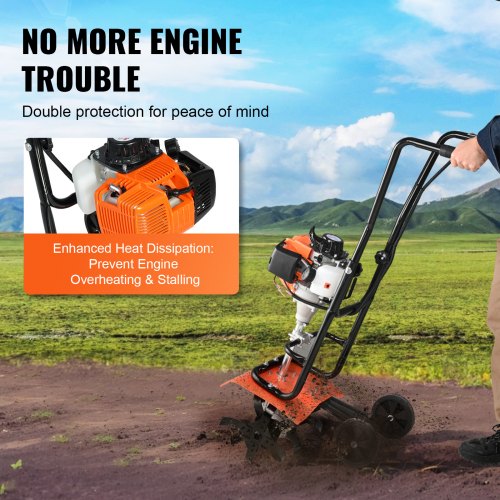
If the engine won’t start or stops often, check the fuel first. Old or dirty fuel can cause trouble.
Look at the spark plug for dirt or damage. Clean or replace it if needed. Also, check the air filter.
- Use fresh gasoline only
- Clean or replace spark plug
- Check and clean air filter
- Make sure oil level is correct
- Inspect fuel lines for cracks or leaks
Uneven Cultivation
Uneven soil turning can hurt your plants. Check if the tines are worn or damaged.
Also, see if you are moving the cultivator too fast or too slow. Adjust your speed for even soil.
- Replace worn or broken tines
- Keep a steady, moderate speed
- Adjust tine depth for soil type
- Ensure cultivator is level while working
Frequently Asked Questions
What Safety Gear Is Essential When Using A Garden Cultivator?
Always wear gloves, sturdy shoes, and eye protection when operating a garden cultivator. This prevents injuries from debris and sharp parts.
How Do I Prepare Soil Before Using A Garden Cultivator?
Clear large debris and rocks from the soil first. Moist soil is easier to cultivate and reduces strain on the machine.
Can I Use A Garden Cultivator On All Soil Types?
Most garden cultivators work best on loose to moderately compacted soil. Avoid very rocky or clay-heavy soils to prevent damage.
How Often Should I Maintain My Garden Cultivator?
Clean the cultivator after each use and check blades regularly. Lubricate moving parts monthly to ensure safety and prolong machine life.
Conclusion
Using a garden cultivator safely keeps your garden healthy and you injury-free. Always wear proper gear and check the machine before use. Work slowly and watch your hands and feet carefully. Keep children and pets away while working. Clean the cultivator after each use to keep it in good shape.
Following these simple steps makes gardening easier and safer. Enjoy your garden work with confidence and care. Safety first, always.
