Imagine transforming your garden into a lush oasis of vibrant blooms and delicious vegetables, all starting with a simple tool: the garden dibber. You might be wondering, “What exactly is a garden dibber, and how can it help me achieve my gardening dreams?”
Well, you’re in the right place to uncover the secrets of this handy implement. Whether you’re a seasoned gardener or just starting out, using a dibber can streamline your planting process and improve your success rates. This guide will walk you through everything you need to know to make the most of your dibber, ensuring your seeds are planted with precision and care.
Ready to dig in and discover how a dibber can transform your gardening experience? Keep reading to unlock the potential of this essential tool.
What Is A Garden Dibber
A garden dibber is a simple gardening tool. It helps make holes in the soil for planting seeds or small plants.
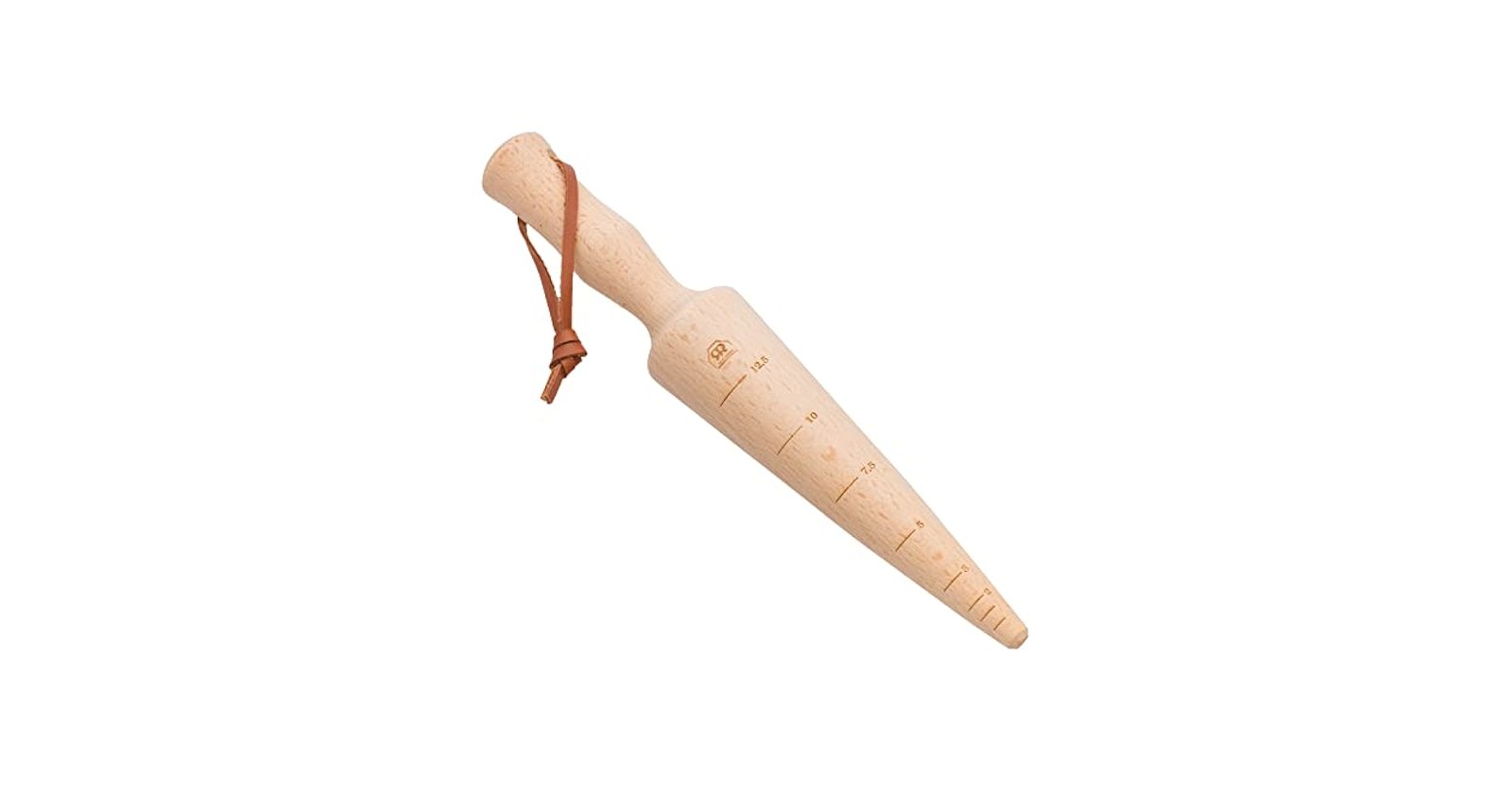
The dibber is usually a pointed stick or rod. It comes in different sizes and materials like wood or metal.
Purpose Of A Garden Dibber
The main purpose of a dibber is to create planting holes quickly. It makes sure seeds go deep enough in the soil.
Using a dibber helps plant seeds evenly. It also saves time compared to digging holes by hand.
Types Of Garden Dibbers
Garden dibbers come in many shapes and sizes. Some have a simple pointed end. Others have measurements on the side.
- Wooden dibbers are light and easy to use
- Metal dibbers are strong and last longer
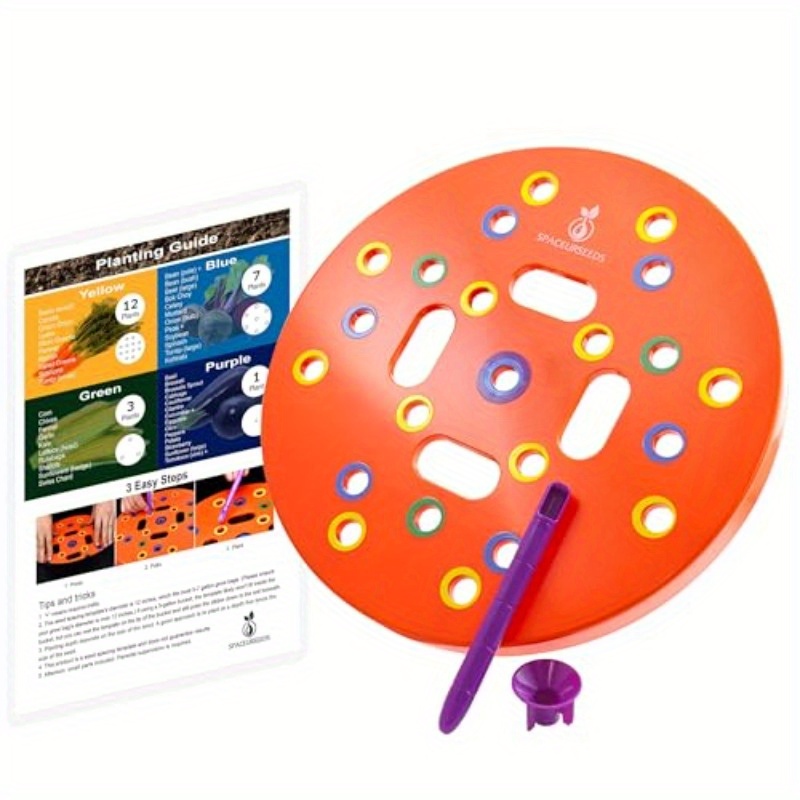
- Plastic dibbers are affordable and come in bright colors
How To Use A Garden Dibber
Hold the dibber like a pencil and push the tip into the soil. Make a hole as deep as the seed needs to go.
Place the seed in the hole and cover it with soil. Repeat this for all seeds you want to plant.
Credit: www.temu.com
Choosing The Right Dibber
A garden dibber helps you plant seeds or bulbs easily. It makes holes in the soil for planting.
Picking the right dibber makes planting faster and more precise. Consider the material and size.
Materials And Sizes
Dibbers come in many materials like wood, metal, and plastic. Each has its own benefits.
Sizes vary too. Small dibbers suit tiny seeds. Large dibbers work for bulbs or bigger seeds.
- Wood:Light and comfortable to hold, but may wear out.
- Metal:Strong and lasts long, good for tough soil.
- Plastic:Lightweight and cheap, but less durable.
- Small size:Best for small pots and tiny seeds.
- Medium size:Good for general garden use.
- Large size:Ideal for big bulbs and deep planting.
Types Of Dibbers
There are several types of dibbers. Each type fits different planting needs.
Choose a type based on what you plant and how often you garden.
- Pointed Dibber:Sharp tip for making deep holes in soil.
- Round Dibber:Rounded tip for softer planting and small holes.
- T-handled Dibber:Has a handle for better grip and power.
- Adjustable Dibber:Can change hole size and depth easily.
Preparing The Soil
Good soil preparation is key to healthy seed planting. It helps seeds grow strong roots and get enough nutrients.
Before using a garden dibber, prepare the soil to give your seeds the best start. This guide covers soil conditions and clearing debris.
Soil Conditions
Soil must be loose and moist for easy planting with a dibber. Hard or dry soil can damage seeds or slow germination.
- Check soil moisture. It should feel damp but not wet.
- Break up large clumps with a rake or hoe.
- Remove stones that block the dibber’s tip.
- Loosen soil to a depth of 6-8 inches for root growth.
Clearing Debris
Remove leaves, twigs, and old plants before planting. Debris can stop seeds from touching soil and cause rot.
| Type of Debris | Reason to Remove |
| Leaves | Block sunlight and trap moisture |
| Stones | Hinder dibber and root growth |
| Old Plant Stems | Harbor pests and diseases |
| Weeds | Compete for nutrients and water |
Marking Planting Spots
Using a garden dibber helps you mark spots for planting seeds evenly. This makes your garden neat and organized.
Marking spots correctly improves seed growth by giving each plant enough space. It also saves you time when planting.
Select The Right Spot
Look for flat soil that is easy to work with. Avoid rocky or very hard soil to mark spots clearly.
Clear away weeds and debris to keep your planting spots clean. This helps seeds grow better.
Use The Dibber To Make Holes
Push the dibber straight into the soil to create holes for seeds. The depth should match seed size.
Remove the dibber gently to keep holes neat. This prevents soil from collapsing into the hole.
Space Spots Evenly
Keep equal distance between holes for each seed. This lets plants grow without crowding each other.
- Small plants: 2-3 inches apart
- Medium plants: 4-6 inches apart
- Large plants: 8-12 inches apart
Mark Rows For Organization
Use the dibber to mark holes in straight rows. This helps you plant seeds quickly and evenly.
Rows also make it easier to water and weed your garden later on.
Check Hole Depth Consistency
Make sure all holes are the same depth. This helps seeds sprout at the same time.
Use a ruler or mark the dibber to keep the depth steady for each hole.
Using The Dibber For Seed Planting
A garden dibber is a simple tool that helps you plant seeds quickly and neatly. It makes holes in the soil so seeds can go in at the right depth. Using a dibber saves time and effort in your garden.
This guide shows how to use a dibber for seed planting. Learn how to create holes, adjust the depth, and space your seeds properly for better growth.
Creating Holes
Hold the dibber firmly and push it straight into the soil. Twist the dibber to make a clean hole. Pull it out gently to leave the hole ready for the seed.
Use this method to make holes in soft, moist soil. Hard or dry soil may need to be loosened first.
Adjusting Depth
Different seeds need different depths to grow well. Use the dibber’s length to control how deep each hole will be. Push the dibber less for shallow seeds and deeper for bigger seeds.
- Check the seed packet for recommended planting depth.
- Mark the dibber with tape or a marker at the needed depth.
- Insert the dibber into the soil up to the mark.
- Remove the dibber and place the seed in the hole.
Spacing Seeds
Good seed spacing helps plants grow strong and healthy. Keep enough space so plants do not crowd each other. Use the dibber to measure the distance between holes.
| Plant Type | Distance Between Seeds |
| Carrots | 2 inches (5 cm) |
| Beans | 4 inches (10 cm) |
| Lettuce | 6 inches (15 cm) |
| Tomatoes | 18 inches (45 cm) |

Credit: www.amazon.com
Planting Seeds And Covering
Using a garden dibber helps make planting seeds easier and neater. It creates holes in the soil for seeds to fit in.
After placing seeds, you cover them with soil. This protects seeds and helps them grow well.
Making Holes With The Dibber
Hold the dibber firmly and push it into the soil. Make holes deep enough for the seed size.
Space holes evenly to give each seed room to grow. Clear soil from the dibber between holes.
- Push dibber straight down
- Make holes 1-2 inches deep
- Space holes according to seed type
- Remove soil from dibber after each hole
Placing Seeds In The Holes
Drop one seed in each hole. Use fingers or tweezers to avoid damage to small seeds.
Check that seeds sit at the bottom of the hole for good soil contact.
- Place one seed per hole
- Handle seeds gently
- Ensure seeds touch soil at the bottom
Covering Seeds With Soil
Use the dibber or your hand to push loose soil into the holes. Cover seeds lightly but fully.
Firm soil gently to remove air pockets. Avoid pressing too hard to protect seeds.
- Fill holes with loose soil
- Cover seeds completely
- Press soil gently
- Keep soil moist after covering
Tips For Better Results
Using a garden dibber can make seed planting easier and more accurate. This tool helps create perfect holes for seeds.
Following some simple tips will improve your planting results and help your garden grow well.
Watering
Water your seeds gently after planting to keep the soil moist. Avoid heavy watering that may wash away seeds.
Consistent moisture helps seeds sprout faster and grow strong roots.
- Use a fine spray to water seedlings
- Water early in the morning or late afternoon
- Keep soil moist but not soggy
Maintaining Dibber
Clean your dibber after each use to remove dirt and debris. This keeps it working well and prevents rust.
Store the dibber in a dry place to avoid damage and prolong its life.
- Wipe the dibber with a damp cloth
- Dry it completely before storing
- Sharpen the tip if it becomes dull
Common Mistakes To Avoid
Do not plant seeds too deep or too shallow. Use the dibber to make holes at the right depth.
Avoid forcing the dibber into hard soil, which can damage the tool and the soil structure.
- Plant seeds at the depth suggested on the seed packet
- Prepare the soil by loosening it before using the dibber
- Do not reuse the same hole for multiple seeds

Credit: www.amazon.com
Frequently Asked Questions
What Is A Garden Dibber Used For?
A garden dibber is a tool used to make holes in soil. It helps plant seeds or seedlings at the right depth. This ensures better germination and growth. It saves time and effort during planting. Dibbers are ideal for small gardens and seed trays.
How Do You Use A Garden Dibber For Seeds?
Hold the dibber firmly and press it into the soil. Create holes of the right depth for your seeds. Drop one seed per hole and cover gently with soil. Water the area lightly after planting. This method improves seed spacing and germination success.
What Types Of Seeds Work Best With Dibbers?
Small to medium-sized seeds like carrots, lettuce, and beans work well. Dibbers help place these seeds precisely and evenly. Large seeds or tubers can also be planted with bigger dibbers. It is less effective for very tiny seeds needing surface sowing.
Can A Garden Dibber Improve Seed Germination?
Yes, a dibber ensures seeds are planted at consistent depths. Proper depth protects seeds from drying out or being eaten. It also improves soil contact for better moisture absorption. This promotes faster and more uniform germination of seeds.
Conclusion
Using a garden dibber makes seed planting simple and neat. It helps create the right hole size for each seed. This tool saves time and keeps seeds safe underground. Regular use improves your garden’s growth and health. Try it in your garden to see the difference.
Planting seeds becomes easier and more fun with a dibber. Give your plants a good start with this handy tool. Your garden will thank you for the care you give.