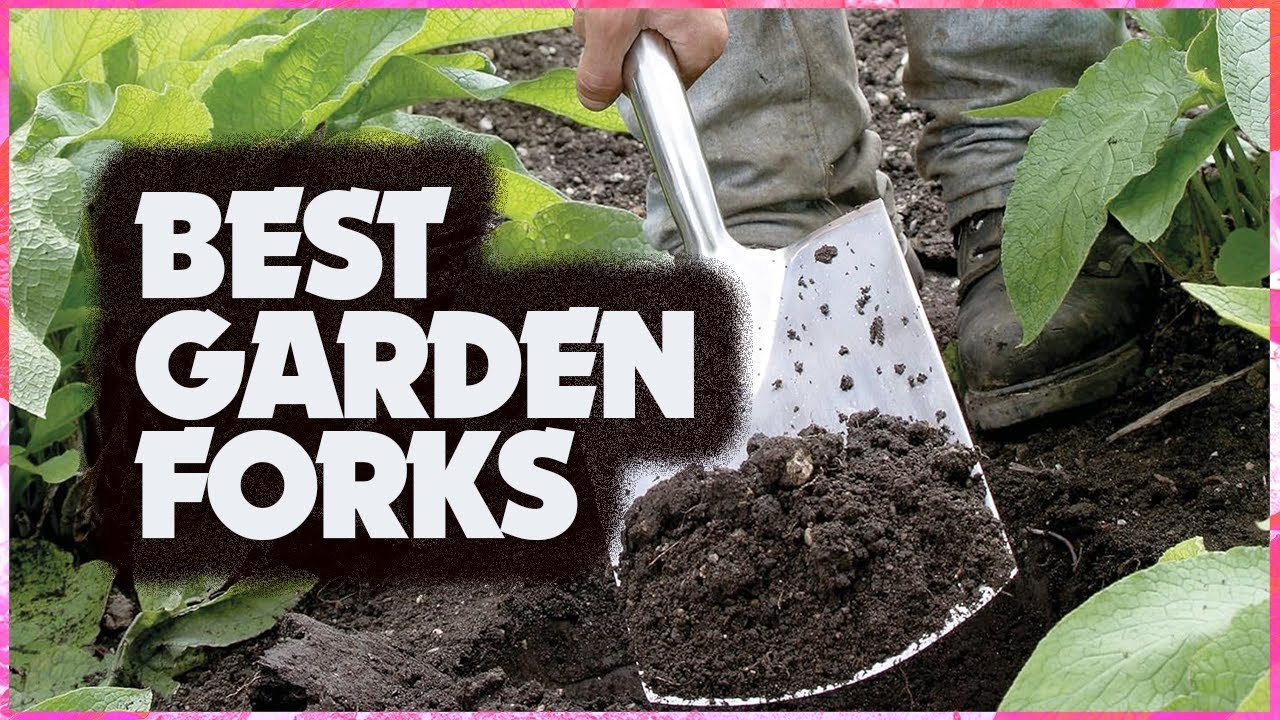
Are you looking for a simple tool that can transform your composting routine? A garden fork might be exactly what you need.
Using a garden fork for composting can make turning your compost easier, faster, and more effective. Imagine having rich, dark compost ready to nourish your garden without the usual hassle. In this guide, you’ll discover how to use a garden fork step-by-step, avoid common mistakes, and get the best results every time.
Keep reading to unlock the full potential of your compost and watch your garden thrive like never before.
Credit: canadale.ca
Choosing The Right Garden Fork
Using a garden fork helps turn and aerate compost efficiently. Picking the right fork makes the job easier and safer.
Several factors matter when choosing a garden fork. These include the type, material, and handle design.
Types Of Garden Forks
Garden forks come in different types for specific tasks. Some work better for composting than others.
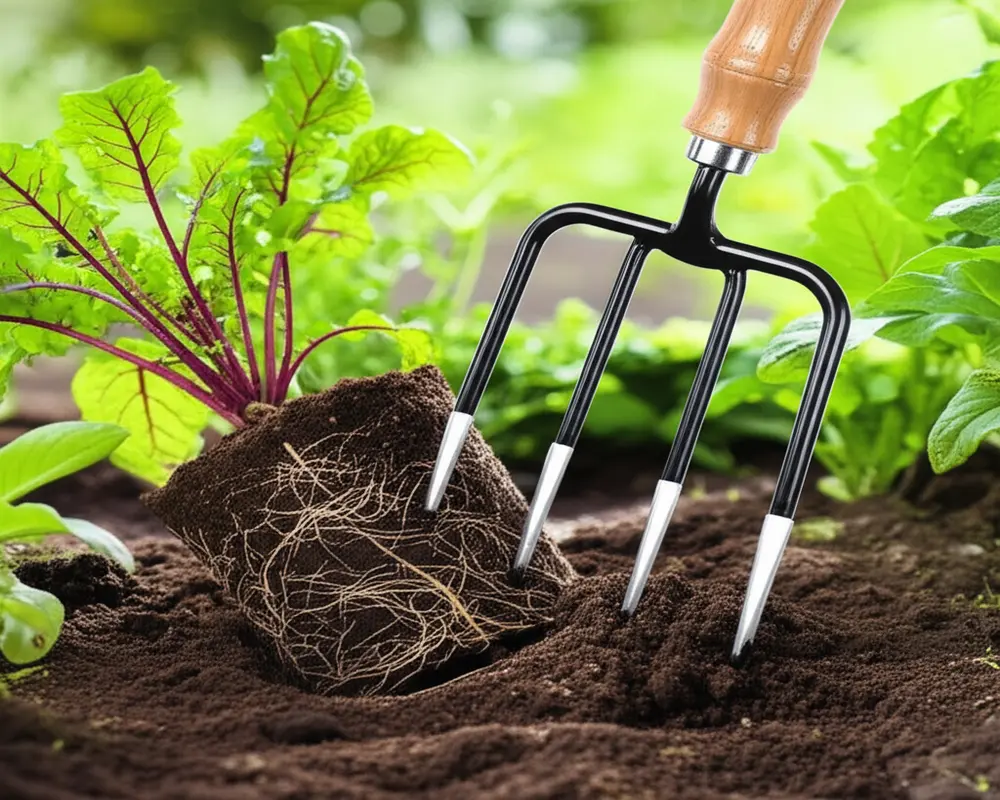
A standard garden fork has four strong tines. It is good for turning compost and digging soil.
A digging fork has thicker, wider tines. It can break up hard soil but may be heavier to use.
- Standard fork: best for light compost work
- Digging fork: good for tough soil and compost
- Border fork: smaller, lighter for delicate plants
Material And Durability
Garden forks are made from various metals and materials. Strong materials last longer and resist rust.
Steel forks are common and very durable. Some have stainless steel tines to avoid rusting in wet compost.
- Carbon steel: strong and heavy-duty
- Stainless steel: rust-resistant and easy to clean
- Aluminum: light but less strong
Handle Design And Comfort
A good handle helps you work longer without pain. Look for handles made of wood or strong plastic.
Some handles have a D-shape grip for better control. Smooth handles reduce blisters and make turning compost easier.
- Wood handles: sturdy and comfortable
- Fiberglass handles: lightweight and strong
- D-shaped grips: improve hand comfort and control
Preparing Your Compost Pile
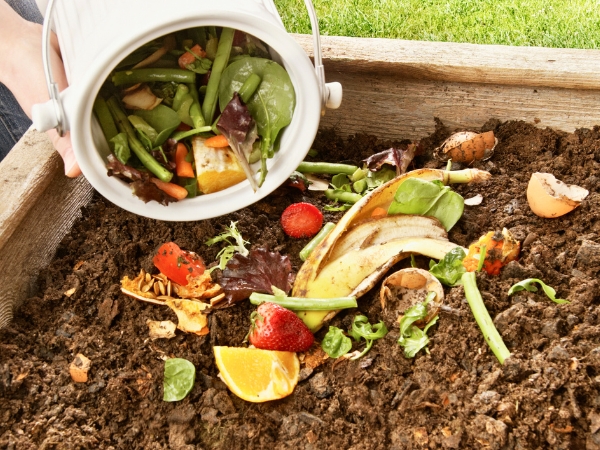
Starting a compost pile needs care to help organic waste break down well. Good preparation speeds up composting and keeps the pile healthy.
This guide covers picking materials, layering green and brown waste, and managing moisture and air for best results.
Selecting Compost Materials
Choose materials that break down easily and provide nutrients. Avoid meat, dairy, and oily foods to prevent pests and bad smells.
- Vegetable scraps and fruit peels
- Grass clippings and fresh leaves
- Dry leaves, straw, and shredded paper
- Small branches and twigs
Layering Green And Brown Waste
Layering green and brown waste keeps the pile balanced. Greens add nitrogen; browns add carbon. Both are needed for good compost.
| Layer Type | Examples | Purpose |
| Green Waste | Grass clippings, vegetable scraps | Provides nitrogen for microbes |
| Brown Waste | Dry leaves, straw, shredded paper | Supplies carbon and air pockets |
Alternate layers about 3 to 6 inches thick. Start with browns at the bottom to help drainage.
Moisture And Aeration Needs
Keep the compost moist like a wrung-out sponge. Too dry slows breakdown; too wet causes bad smells.
- Water the pile if it feels dry
- Turn the pile every 1-2 weeks with a garden fork
- Turning adds air to help microbes work
- Cover the pile to keep rain from soaking it
Using The Garden Fork Effectively
A garden fork is a useful tool for composting. It helps you move and mix compost easily.
Using the fork correctly speeds up the composting process. It also keeps the pile healthy.
Turning The Compost
Turn your compost regularly with the garden fork. This adds air and helps break down materials.
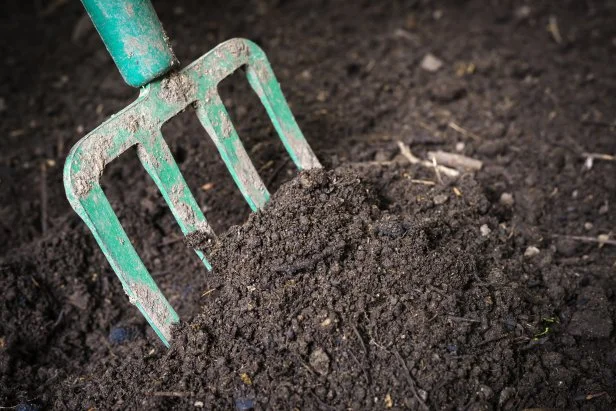
Insert the fork deep into the pile and lift the compost. Move it from the outside to the inside.
- Turn compost every 1-2 weeks
- Use the fork to lift and mix layers
- Keep compost moist but not wet
Breaking Up Clumps
Compost can form hard clumps. Use the garden fork to break these apart.
Breaking clumps improves airflow and speeds decomposition. It also stops bad odors.
- Push fork prongs into clumps
- Pull apart chunks carefully
- Spread broken pieces evenly in the pile
Mixing For Even Decomposition
Mixing compost with a garden fork blends wet and dry materials. This helps all parts decompose evenly.
Mixing also spreads heat and moisture well. Use the fork to turn the pile from different sides.
- Lift and turn compost layers
- Mix green and brown materials together
- Check moisture and adjust if needed
Maintaining Your Garden Fork
Keeping your garden fork in good condition helps it last longer. Proper care makes composting easier and safer.
Simple maintenance steps can prevent damage and keep your tool working well.
Cleaning After Use
Always clean your garden fork after using it in compost. Dirt and plant material can cause rust and wear.
Use a stiff brush or hose to remove soil from the tines. Dry the fork well before storing it.
- Remove all dirt and compost
- Use water and a brush if needed
- Dry completely to stop rust
Sharpening And Repair
Sharp tines make turning compost easier. Check your fork for dull or bent tines regularly.
Use a metal file to sharpen the edges gently. Straighten bent tines carefully to avoid breakage.
- Sharpen tines with a metal file
- Fix bent tines by bending back slowly
- Replace parts if damaged beyond repair
Storage Tips
Store your garden fork in a dry place to avoid rust and damage. Keep it off the ground if possible.
Hang the fork on a wall or keep it in a tool rack. Avoid leaving it outside in bad weather.
- Keep the fork dry and clean
- Hang or rack the tool securely
- Protect from rain and moisture
Troubleshooting Common Composting Issues
Using a garden fork helps turn compost and mix materials well. Still, some problems can happen during composting. Fixing these issues keeps your compost healthy and ready to use.
This guide covers how to handle bad smells, pests, and ways to speed up the composting process.
Dealing With Odors
Bad smells come from too much moisture or not enough air in the pile. A garden fork helps by turning the compost to add air.
Make sure your compost has a good mix of green and brown materials. Greens add moisture and nitrogen. Browns add carbon and dry the pile.
- Turn compost with a garden fork every few days.
- Add dry leaves or straw if it smells bad.
- Check that the pile is not too wet or soggy.
- Keep the compost covered to avoid excess rain.
Managing Pests
Pests like rodents and insects can be attracted to compost. Using a garden fork helps by mixing and burying food scraps inside.
Keep pests away by avoiding meat, dairy, and oily foods in your compost. Use a lid or cover to protect the pile.
- Turn compost often with a garden fork to hide food scraps.
- Use a secure compost bin or cover pile with a lid.
- Do not add pet waste or cooked foods.
- Add coarse materials like twigs to keep pests out.
Speeding Up Composting
A garden fork helps speed up compost by mixing materials and adding air. This helps microbes break down waste faster.
Keep compost warm, moist, and balanced with green and brown materials. Chop big pieces into smaller ones to help them rot faster.
- Turn compost with a garden fork every week.
- Keep pile moist like a wrung-out sponge.
- Mix greens like grass clippings with browns like dry leaves.
- Cut large scraps into smaller bits before adding.
Credit: gardenitemreviews.com
Safety Tips For Garden Fork Use
Using a garden fork helps to turn and aerate compost easily. It is important to use the tool safely to avoid injuries.
Follow simple safety tips to handle the garden fork correctly and protect yourself while working.
Proper Handling Techniques
Hold the garden fork with both hands firmly. Keep your back straight to avoid strain.
Push the fork into the compost with your foot on the step. Lift the compost slowly and turn it carefully.
- Stand with feet shoulder-width apart
- Use your legs, not your back, to lift
- Keep the fork close to your body
- Move slowly to keep balance
Protective Gear Recommendations
Wear gloves to protect your hands from dirt and sharp objects. Choose strong, comfortable gloves.
Use closed-toe shoes to protect your feet. Avoid sandals or open footwear while using the garden fork.
- Durable gardening gloves
- Sturdy closed-toe shoes or boots
- Long pants to protect legs
- Safety glasses if compost is dry or dusty
Avoiding Injuries
Check the garden fork before use. Make sure the handle is not loose or cracked.
Do not rush while working. Take breaks if you feel tired to avoid accidents.
- Inspect the tool regularly
- Keep work area clear of obstacles
- Lift carefully to avoid muscle strain
- Store the fork safely after use
Credit: www.hgtv.com
Frequently Asked Questions
What Is A Garden Fork Used For In Composting?
A garden fork is essential for turning and aerating compost. It helps mix materials, speeding up decomposition. Use it to break up clumps and distribute moisture evenly. This process ensures efficient composting, resulting in nutrient-rich compost for your garden. A garden fork makes managing compost piles easier and more effective.
How Do I Choose The Right Garden Fork?
Choose a garden fork with sturdy, sharp tines and a comfortable handle. Opt for stainless steel tines for durability and rust resistance. Consider the handle length; it should be suitable for your height. Ergonomic handles reduce strain during use. A well-chosen garden fork will enhance your composting efficiency.
How Often Should I Turn My Compost With A Fork?
Turn your compost pile with a garden fork every 2-4 weeks. This frequency maintains aeration, promoting faster decomposition. Regular turning ensures even distribution of moisture and heat. It also prevents unpleasant odors and helps break down materials quickly. Consistent turning with a fork results in high-quality compost.
Can A Garden Fork Break Down Tough Materials?
Yes, a garden fork can break down tough materials in compost. Its sturdy tines penetrate and loosen compacted materials. This action facilitates faster decomposition by increasing airflow and moisture penetration. Regular use of a garden fork prevents clumping and accelerates the breakdown process, resulting in finer compost.
Conclusion
Using a garden fork helps turn compost quickly and evenly. It breaks up clumps and lets air reach the materials. This speeds up the natural breakdown process. Regular turning stops bad smells and pests from appearing. A garden fork is simple but very useful in composting.
Keep your compost healthy and rich with this tool. Start using a garden fork to improve your garden soil. Your plants will thank you for it.