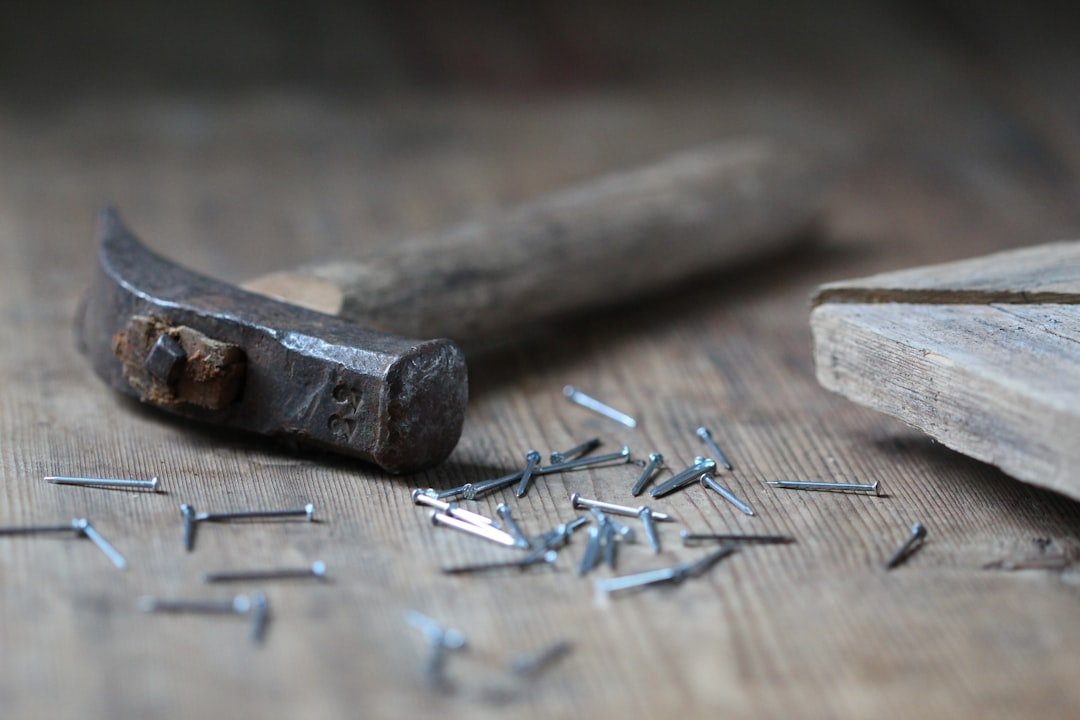
Are you ready to tackle your next DIY project with confidence? Using a hammer for framing nails might seem straightforward, but a few simple tips can make all the difference in achieving professional results.
Imagine the satisfaction of admiring a perfectly framed wall or a sturdy outdoor deck, all built with your own hands. In this guide, you’ll discover how to wield your hammer like a pro, ensuring every nail is driven with precision.
Whether you’re a seasoned builder or just starting out, understanding these techniques can save you time, reduce frustration, and even prevent those annoying bent nails. Dive in to unlock the secrets of effective hammering and elevate your carpentry skills to the next level. Your next project deserves nothing less than the best!

Credit: www.thisoldhouse.com
Choosing The Right Hammer
Using the right hammer makes framing nails easier and safer. Choosing a hammer that fits your needs helps you work faster and with less effort.
This guide explains how to pick the best hammer by looking at types, weight, balance, and handle materials.
Types Of Hammers For Framing
There are several hammers made for framing nails. Each type has a special design to suit different tasks.
- Framing hammer: Has a heavy head and a straight claw for pulling nails.
- Rip hammer: Features a long claw to pry apart wood pieces.
- Roofing hammer: Includes a hatchet blade and a magnet for nails.
- Club hammer: Smaller but with a heavy head for light demolition.
Hammer Weight And Balance
The weight of the hammer head affects how hard you hit. Balance helps you control the hammer better.
| Weight (ounces) | Best Use |
| 16-20 | Light framing and small nails |
| 20-28 | General framing work |
| 28-32 | Heavy framing and large nails |
A well-balanced hammer feels steady in your hand. You waste less energy and hit nails more accurately.
Handle Materials And Grip
Handle material changes how the hammer feels and how much shock it absorbs. The grip must be comfortable and secure.
- Wood handles: Classic feel and good shock absorption but can break.
- Fiberglass handles: Strong and absorb vibrations well.
- Steel handles: Very durable but transfer more shock to your hand.
- Rubber grips: Improve comfort and reduce slipping.

Credit: www.safetyandhealthmagazine.com
Selecting The Best Nails
Choosing the right nails is important for strong framing. The nails must fit the wood and hold it firmly.
Different nails work better for different jobs. Knowing nail sizes and types helps you pick well.
Nail Sizes For Framing
Nail size affects how well the wood pieces stay together. Longer nails give more grip but can split wood.
- 8d nails: 2.5 inches, good for light framing
- 10d nails: 3 inches, most common for framing walls
- 12d nails: 3.25 inches, for heavier wood or thicker joints
- 16d nails: 3.5 inches, used for large beams and posts
Material And Coating Options
Nails come in different materials and coatings. These affect rust resistance and strength.
| Material | Coating | Use |
| Steel | Galvanized | Outdoor framing, resists rust |
| Steel | Bright (no coating) | Indoor framing, dry areas |
| Stainless Steel | None | High moisture areas, long-lasting |
| Steel | Vinyl Coated | Extra grip for framing wood |
Common Nail Vs. Box Nail
Common nails have thick shanks for strong hold. Box nails are thinner and reduce wood splitting.
- Common Nails:Best for heavy framing and structural work
- Box Nails:Good for lighter framing and finish work
- Common nailshold better but can split thin wood
- Box nailsare less likely to split but hold less firmly
Proper Hammering Techniques
Using a hammer correctly is key to framing nails well. Good technique helps keep your work strong and safe.
Learn the right way to hold the hammer and hit nails for better results every time.
Grip And Stance
Hold the hammer near the end of the handle. This gives more power to your swing.
Stand with your feet shoulder-width apart. Keep your body balanced and stable while hammering.
- Grip hammer near the end of the handle
- Keep wrist loose but firm
- Stand with feet shoulder-width apart
- Face the nail squarely
Starting The Nail
Place the nail tip on the wood where you want it. Hold it steady with your fingers.
Tap the nail lightly with the hammer to set it in place. Do not hit hard yet to avoid bending the nail.
- Position nail tip on wood
- Hold nail steady with fingers
- Tap lightly to start nail
Driving The Nail In
Use smooth, controlled swings to drive the nail into the wood. Keep your eye on the nail head.
Strike the nail squarely to avoid bending. Increase force as the nail goes deeper.
- Swing hammer with smooth motion
- Hit the nail head straight on
- Watch the nail to keep accuracy
- Use stronger hits as nail sinks
Avoiding Common Mistakes
Do not hold the hammer too tightly. A tight grip causes fatigue and poor control.
Avoid hitting the nail at an angle. This bends the nail and weakens your frame.
- Keep a relaxed but firm grip
- Strike nail head squarely
- Do not bend the wrist during swings
- Replace bent nails immediately
Safety Tips While Hammering
Using a hammer to drive framing nails needs care and focus. Safety helps prevent injuries and keeps work smooth.
Follow safety tips to protect yourself and others near the work area.
Protective Gear
Wear the right protective gear before starting to hammer. It reduces the risk of injury from flying nails or wood chips.
- Safety goggles protect your eyes from debris
- Work gloves shield your hands from splinters and blisters
- Hard hats guard your head if you work around falling objects
- Closed-toe shoes keep your feet safe from dropped tools
Work Area Preparation
Prepare your work area to avoid accidents. Keep the space clean and organized for safe hammering.
- Clear clutter and trip hazards around your workspace
- Make sure the surface you work on is stable and level
- Keep tools and nails within easy reach but out of walkways
- Have good lighting so you can see nails and surfaces clearly
Handling Missed Strikes
If you miss a nail, stay calm and keep your hands clear. Missed strikes can cause injury if you are not careful.
Stop hammering immediately if you feel off-balance or if the hammer slips. Reset your position before trying again.
- Hold the hammer firmly and strike the nail squarely
- Do not rush; take your time to aim carefully
- Check the hammer head and handle for damage before use
- Replace bent or damaged nails to avoid deflected strikes
Maintaining Your Hammer
Keeping your hammer in good shape helps it last longer. It also keeps you safe while framing nails.
Regular care includes cleaning, checking for damage, and handling the wooden or fiberglass handle well.
Cleaning And Inspection
Remove dirt and rust from your hammer after each use. Clean the head and handle thoroughly.
- Wipe the hammer with a clean cloth.
- Use a wire brush to scrub rust from the metal parts.
- Apply light oil to the head to prevent rust.
- Check the hammer for cracks or loose parts.
Handle Care
Take care of your hammer handle to avoid accidents. Wooden handles need special attention.
| Handle Type | Care Tips |
| Wood | Sand rough spots, apply linseed oil, avoid water exposure |
| Fiberglass | Check for cracks, clean with mild soap, avoid heavy impacts |
| Steel | Inspect for dents, keep dry, avoid bending |
When To Replace Your Hammer
Replace your hammer if it shows signs of serious damage. Using a broken hammer is unsafe.
- Loose or cracked handle that cannot be fixed.
- Head is cracked, chipped, or bent.
- Hammer head separates from the handle.
- Handle splinters or breaks during use.
- Excessive rust weakens the metal.
Advanced Framing Tips
Using a hammer for framing nails requires skill and precision. Advanced tips help improve your work quality and speed.
These tips focus on handling nail sets, working with different materials, and increasing efficiency on the job.
Using Nail Sets
Nail sets help drive nail heads below the wood surface. This prevents wood splitting and creates a clean finish.
Hold the nail set firmly on the nail head. Tap it gently with the hammer until the nail sinks in.
- Use nail sets for finishing nails or delicate wood
- Choose the right size nail set for your nail heads
- Keep the nail set steady to avoid slipping
- Practice light taps to control depth
Framing Techniques For Different Materials
Different materials require different hammering techniques. Wood, metal, and engineered lumber need special care.
Adjust your hammer force and nail type for each material. This keeps the frame strong and avoids damage.
- For soft wood, use lighter hammer strikes to prevent dents
- Use galvanized nails for metal or treated lumber
- Pre-drill holes for hardwood to avoid splitting
- Check nail length and thickness for each material
Speed And Efficiency Tips
Speed up framing without losing accuracy by organizing tools and practicing good habits.
Keep your hammer and nails within easy reach. Use both hands to hold and strike nails faster.
- Hold two nails at once to place them quickly
- Use a hammer with a comfortable grip and balanced weight
- Position framing members close before nailing
- Practice your swing to reduce missed hits

Credit: www.wikihow.com
Frequently Asked Questions
What Type Of Hammer Is Best For Framing Nails?
A framing hammer is best for framing nails. It has a heavier head and a longer handle. This design helps drive large nails quickly and with more power.
How Do You Hold A Hammer For Framing Nails?
Hold the hammer near the end of the handle. This grip gives maximum leverage and control. Keep your wrist firm but flexible to swing smoothly.
What Is The Correct Nail Placement For Framing?
Place framing nails about 1 to 2 inches from the wood edge. Space them 16 to 24 inches apart. This ensures strong, stable framing connections.
How Much Force Is Needed To Drive Framing Nails?
Use firm, controlled swings to drive nails. Too much force can bend nails or damage wood. Aim for consistent hits to sink nails flush.
Conclusion
Using a hammer for framing nails requires care and practice. Hold the hammer firmly and strike nails straight. Avoid hitting fingers by keeping your eyes on the nail head. Start with light taps, then increase force as needed. Choose the right hammer weight for comfort and control.
Remember, steady hands make the job easier and safer. Keep tools in good condition to work well every time. Practice often to build confidence and skill. This simple guide helps you frame nails with ease and safety.