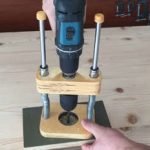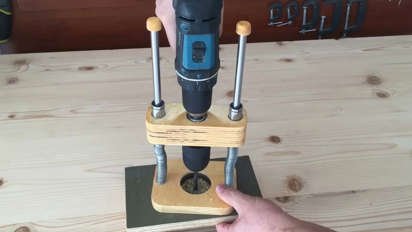
Are you ready to take control of your DIY projects and add a powerful skill to your toolbox? Knowing how to use a hand drill can make a huge difference in how quickly and accurately you get things done.
Whether you’re fixing something around the house or starting a new craft, this guide will show you exactly how to handle a hand drill with confidence. By the end, you’ll feel equipped to drill holes like a pro, avoid common mistakes, and make your work smoother and safer.
Keep reading, and you’ll discover tips that will transform the way you tackle your next project.
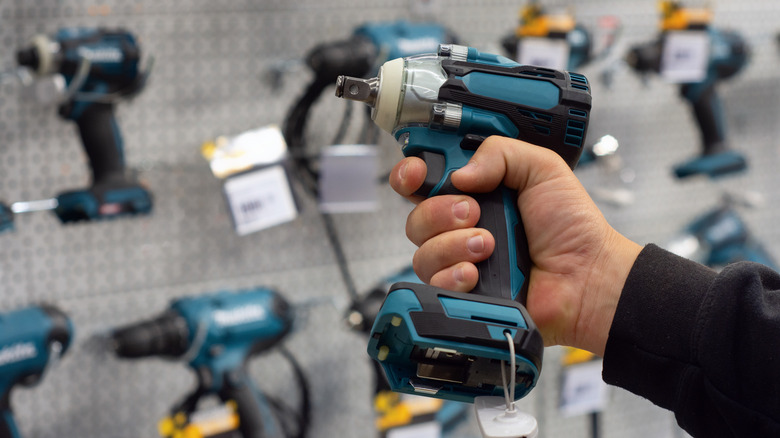
Credit: www.slashgear.com
Choosing The Right Hand Drill
Using a hand drill is easier when you pick the right one. The right drill helps you finish your work well and fast.
There are many types of hand drills. Each type works best for different jobs and materials.
Types Of Hand Drills
Hand drills come in several types. You can choose manual or powered drills. Each type has its own use.
- Manual Hand Drill:Uses hand power. Good for small or light jobs.
- Electric Drill:Runs on electricity or battery. Best for bigger jobs.
- Cordless Drill:Battery-powered and easy to carry. Good for work without a power source.
- Hammer Drill:Makes a hammering action. Useful for drilling into hard materials like concrete.
Key Features To Consider
Look at important features before buying a hand drill. These features help you choose the best drill for your needs.
- Power Source:Choose between manual, corded, or cordless drills.
- Speed Settings:Variable speed helps control drilling on different materials.
- Chuck Size:The size of the chuck limits the size of drill bits you can use.
- Weight:A lighter drill is easier to handle for long jobs.
- Grip:A comfortable grip helps reduce hand fatigue.
Selecting Drill Bits
Drill bits come in many types and sizes. Pick the right bit to match your material and hole size.
- Wood Bits:Have sharp points for clean holes in wood.
- Metal Bits:Made from strong metal for drilling into metal surfaces.
- Masonry Bits:Have a carbide tip for drilling into brick or concrete.
- Size:Choose the right diameter for your screws or bolts.
Preparing For Drilling
Using a hand drill needs care and attention. Preparing well helps you work safely and get good results.
Before you start drilling, set up your tools and work area. Check everything to avoid problems.
Safety Precautions
Wear safety glasses to protect your eyes from dust and chips. Use gloves to keep your hands safe. Make sure your clothes are tight and not loose.
- Check the drill bit for damage before use.
- Keep your work area clean and dry.
- Make sure the drill is unplugged when changing bits.
- Stand steadily and hold the drill firmly.
Marking The Drill Spot
Mark the exact spot where you want to drill. Use a pencil or a marker for clear visibility.
| Tool | Purpose |
|---|---|
| Pencil | Draw a small dot on the spot |
| Center Punch | Make a small dent to guide the drill bit |
| Ruler or Tape Measure | Measure and mark the exact spot |
Securing The Workpiece
Hold the workpiece firmly to keep it from moving. Use clamps or a vise for better control and safety.
- Place the workpiece on a stable surface.
- Use clamps to fix it in place.
- Check that it will not slip while drilling.
- Keep your hands away from the drill area.
Proper Drilling Techniques
Using a hand drill correctly keeps your work safe and accurate. Good technique makes drilling easier and prevents damage.
This guide covers grip, stance, speed control, and drill alignment. Follow these tips to improve your drilling skills.
Correct Grip And Stance
Hold the drill firmly with both hands. Use your dominant hand on the handle and your other hand to steady the drill body.
- Stand with feet shoulder-width apart for balance.
- Keep your body relaxed but steady.
- Lean slightly forward to apply gentle pressure.
- Make sure the drill is comfortable to hold.
Controlling Drill Speed
Adjust the speed to match the material you drill. Hard materials need slow speed. Soft materials work better with faster speed.
| Material | Recommended Speed |
| Wood | Medium to High |
| Metal | Low to Medium |
| Plastic | Medium |
| Masonry | Low |
Maintaining Drill Alignment
Keep the drill bit straight to avoid angled holes. Check alignment before you start drilling and adjust as needed.
Tips for good alignment:
- Use a guide or clamp if possible.
- Mark the drilling spot clearly.
- Keep your eyes level with the drill bit.

Credit: www.lowes.com
Troubleshooting Common Issues
Using a hand drill can sometimes bring small problems. These issues can slow your work or damage your tools.
This guide helps you fix common troubles with hand drills. Follow the tips to keep your drill working well.
Dealing With Drill Slippage
Drill slippage happens when the bit spins without digging into the material. It can cause scratches or damage to the workpiece.
- Check if the drill bit is tight in the chuck.
- Use a sharp and clean drill bit.
- Apply steady and firm pressure while drilling.
- Start drilling slowly to create a guide hole.
- Use a center punch to mark the spot before drilling.
Preventing Overheating
Overheating can damage the drill bit and the motor. It happens when the drill runs too long or meets too much resistance.
| Cause | Prevention |
| Too much pressure | Apply moderate pressure |
| Drilling hard materials | Use the right bit and slow speed |
| Long drilling time | Take breaks to cool down |
| Dull drill bits | Sharpen or replace bits |
Handling Bit Breakage
Bit breakage happens if the bit is weak or used wrongly. It can stop your work and be unsafe.
Tips to avoid bit breakage:
- Choose the right drill bit for the material.
- Do not force the drill; let the bit cut naturally.
- Keep the drill speed steady and not too high.
- Inspect bits for cracks or damage before use.
- Store bits properly to avoid bending or rust.
Maintaining Your Hand Drill
Keeping your hand drill in good shape helps it work well for a long time. Regular care stops damage and saves money.
This guide shows simple ways to clean, store, and fix parts of your hand drill.
Cleaning And Lubrication
Cleaning your drill removes dust and dirt that can cause problems. Lubrication keeps moving parts smooth and stops rust.
Use a dry cloth to wipe the drill after use. Apply light oil to the gears and handle to keep them moving well.
- Wipe off dust and debris after each use
- Use a small brush to clean hard-to-reach spots
- Apply machine oil to gears and joints
- Wipe excess oil to avoid attracting dirt
Storing Your Drill
Store your hand drill in a dry place to stop rust and damage. Avoid areas with high moisture or dirt.
Keep it in a toolbox or hang it on a pegboard to avoid drops and scratches.
- Choose a dry, cool storage spot
- Use a toolbox or protective case
- Hang on a pegboard to save space
- Keep away from children and pets
Replacing Worn Parts
Check your drill for worn parts like the chuck, handle, or gears. Replace damaged parts to keep it safe and strong.
Use correct replacement parts made for your drill model. Tighten screws and bolts after changing parts.
- Inspect the chuck for cracks or looseness
- Look for cracks or wear on the handle
- Check gears for wear or damage
- Replace parts with proper tools and parts
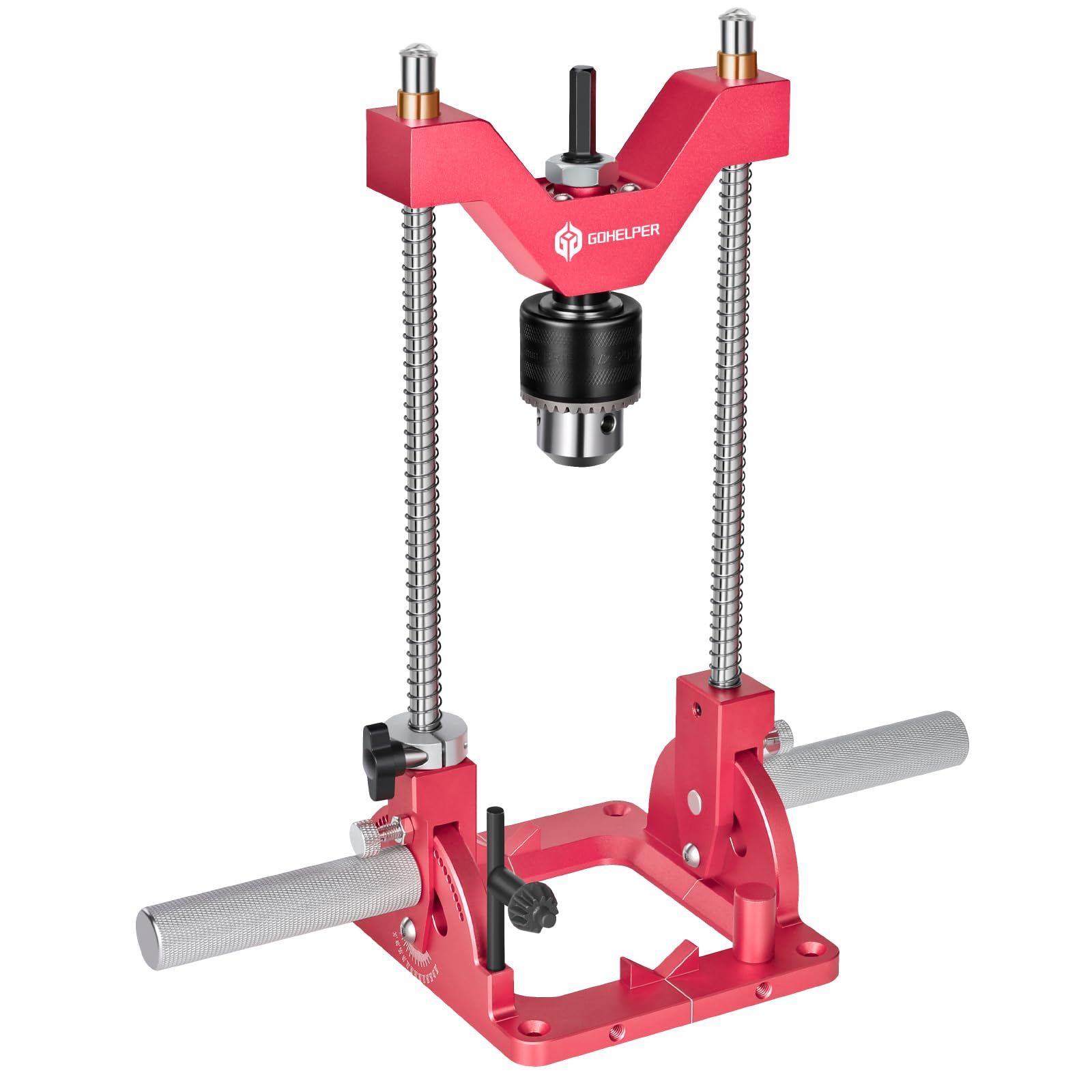
Credit: www.amazon.ca
Frequently Asked Questions
What Is A Hand Drill Used For?
A hand drill is used for drilling holes manually in wood, metal, or plastic. It offers control and precision. It’s ideal for small projects or when power tools aren’t available.
How Do You Operate A Hand Drill Safely?
Hold the drill firmly and use steady pressure. Keep the drill bit perpendicular to the surface. Wear safety goggles and avoid loose clothing to prevent accidents.
What Types Of Drill Bits Fit A Hand Drill?
Common bits include twist, spade, and auger bits. Choose the bit based on the material and hole size. Ensure the bit fits securely in the chuck.
Can A Hand Drill Replace An Electric Drill?
A hand drill is slower but offers more control. It’s suitable for light, precise tasks. For heavy-duty or frequent drilling, an electric drill is more efficient.
Conclusion
Mastering the hand drill empowers your DIY projects. This tool offers precision and control. With practice, drilling becomes second nature. Always prioritize safety while operating. Wear protective gear and ensure a stable surface. Regular maintenance keeps your drill efficient. Inspect for wear and replace parts as needed.
Remember, patience enhances skill. Mistakes teach valuable lessons. Experiment with different materials and techniques. This exploration builds confidence. The hand drill is versatile and essential. Your projects will reflect your growing expertise. Enjoy the process and the satisfaction it brings.
Happy drilling!