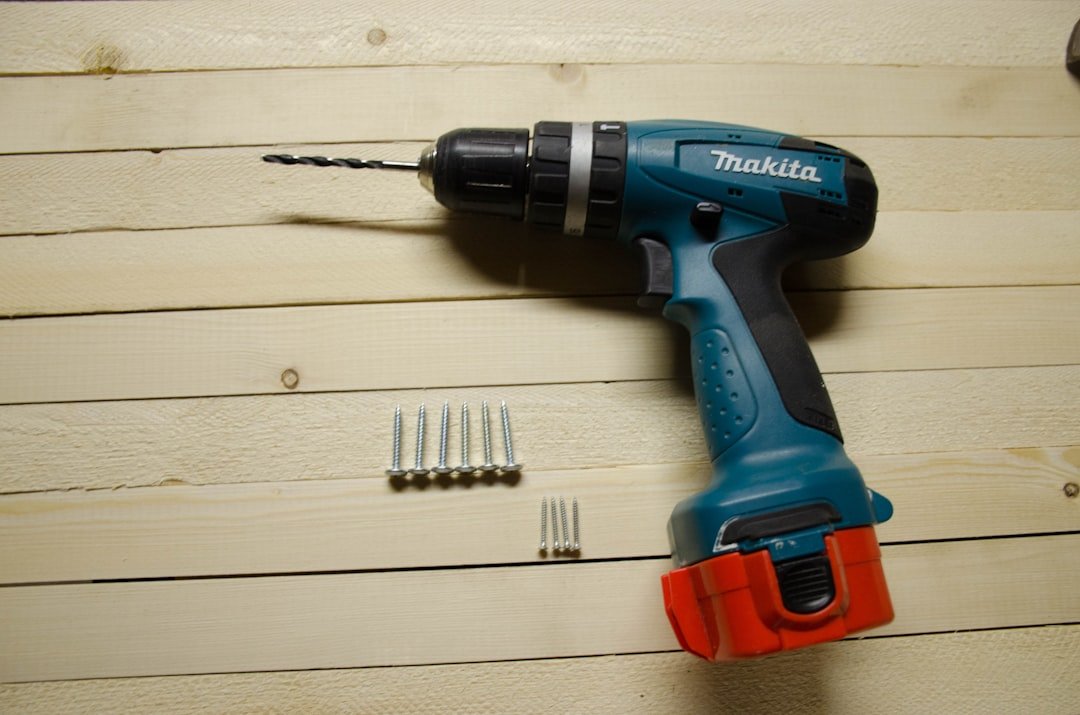
Are you ready to take on small projects but feel unsure about using a hand drill? You don’t need to be an expert to get the job done right.
With the right tips and simple steps, you can handle your hand drill confidently and safely. This guide will show you exactly how to use a hand drill for your small projects, making your work easier and more precise. Keep reading, and you’ll discover tricks that professionals use to get perfect results every time.
Your next project is about to become much smoother—let’s get started!
Credit: www.slashgear.com
Choosing The Right Hand Drill
Using a hand drill can make small projects easier and more precise. Picking the right drill helps you work better and faster.
This guide explains the types of hand drills, key features to check, and how to select drill bits for your tasks.
Types Of Hand Drills
There are several types of hand drills. Each type fits different project needs. Knowing these helps you choose the best one.
- Manual Hand Drill:Uses a crank to turn the drill bit. Good for light work and control.
- Brace Drill:A larger crank drill for tougher holes. Works well on wood.
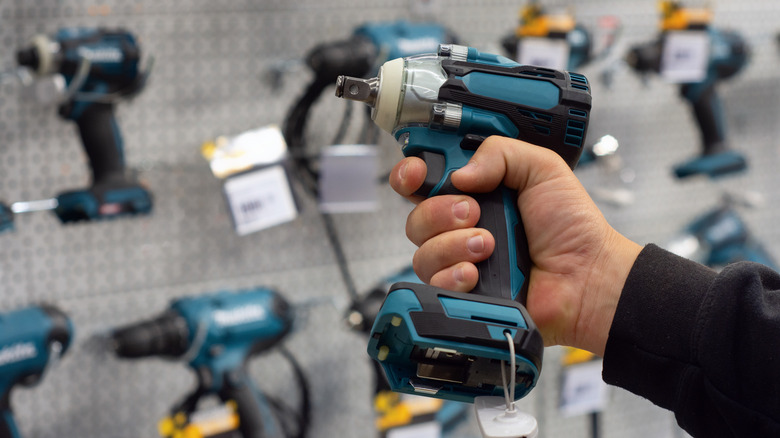
- Electric Cordless Drill:Battery powered for easy use. Good for many small projects.
- Electric Corded Drill:Plug-in power with constant energy. Best for longer jobs.
Key Features To Consider
Look at these features before buying a hand drill. They help make sure the drill fits your needs.
| Feature | Why It Matters |
|---|---|
| Power Source | Cordless drills offer mobility; corded drills give steady power. |
| Speed Settings | Multiple speeds help with different materials and hole sizes. |
| Chuck Size | Determines the largest drill bit you can use. |
| Weight | Lighter drills reduce fatigue during long use. |
| Ergonomics | Comfortable grips improve control and safety. |
Selecting Drill Bits
Choosing the right drill bit is as important as the drill itself. Use the correct bit for your project material and hole size.
- Wood Bits:Have a pointed tip for clean holes in wood.
- Metal Bits:Made from strong steel to cut through metal.
- Masonry Bits:Designed for drilling into brick and concrete.
- Multi-Purpose Bits:Work on several materials but less specialized.
- Size Selection:Match bit size to the screw or hole needed.

Credit: www.youtube.com
Preparing For Your Project
Using a hand drill is simple if you prepare well. Getting ready helps you work safely and finish your project faster.
Start by organizing everything you need. Make sure you know how to use the drill and mark where to drill before starting.
Gathering Materials And Tools
Collect the right materials and tools before you begin. This saves time and avoids interruptions.
- Hand drill with the correct drill bits
- Safety glasses and gloves
- Measuring tape or ruler
- Pencil or marker for marking points
- Clamps to hold your workpiece steady
- Work surface or bench
Safety Precautions
Safety is important when using a hand drill. Follow these rules to protect yourself and others.
| Safety Rule | Reason |
| Wear safety glasses | Protects eyes from dust and debris |
| Use gloves | Prevents cuts and blisters |
| Keep work area clean | Reduces chance of slips and accidents |
| Clamp materials securely | Keeps workpiece steady while drilling |
| Check drill bit tightness | Prevents bits from slipping or breaking |
Marking Drill Points
Marking drill points clearly helps you drill accurately. Measure twice before marking once.
Use a pencil to mark points on the material. For better accuracy, make a small indentation with a nail or center punch.
Basic Drilling Techniques
Using a hand drill for small projects can be simple and effective. Learning the right techniques helps you work safely and accurately.
This guide covers the basics of proper grip, starting the hole, and keeping control during drilling.
Proper Grip And Stance
Hold the drill firmly with both hands. Keep your fingers wrapped around the handle for a strong grip.
Stand with feet shoulder-width apart. This stance helps keep your balance while drilling.
- Hold the drill steady but not too tight
- Keep your body aligned with the drill
- Use your dominant hand on the trigger and the other to guide
- Stand straight to avoid strain
Starting The Hole
Place the drill bit tip on the spot you want to drill. Make sure it is steady before you begin.
Start drilling slowly. This helps the bit grip the surface and prevents slipping.
- Mark the drilling spot clearly
- Hold the drill perpendicular to the surface
- Use a low speed at first
- Apply light pressure to avoid moving the bit
Maintaining Control And Pressure
Keep steady pressure on the drill. Too much force can damage the material or bit.
Let the drill do the work. Keep your hands steady and avoid pushing too hard.
- Apply firm but gentle pressure
- Keep the drill bit straight in the hole
- Stop drilling if the bit overheats
- Pull the bit out occasionally to clear debris
Handling Different Materials
Using a hand drill on small projects needs care. Different materials need different techniques. This guide helps you drill wood, metal, and plastic safely and well.
Choosing the right drill bit and speed is key. Always check the material before you start drilling.
Drilling Wood
Wood is soft and easy to drill. Use wood drill bits that have a sharp point. This helps start the hole without slipping.
- Mark the spot where you want to drill.
- Use a slow to medium drill speed.
- Keep the drill straight to avoid a crooked hole.
- Remove the drill bit often to clear wood chips.
Drilling Metal
Metal is hard and needs special drill bits. Use bits made for metal, like cobalt or titanium ones. Keep the drill speed low to avoid overheating.
| Metal Type | Recommended Drill Bit | Speed Setting |
| Aluminum | High-speed steel (HSS) | Medium to high |
| Steel | Cobalt | Low to medium |
| Stainless Steel | Titanium-coated | Low |
Drilling Plastic
Plastic can crack or melt if drilled wrong. Use a drill bit with a wide point angle. Drill slowly and do not press hard.
Tips for Drilling Plastic:
- Secure the plastic firmly to stop movement.
- Use masking tape on the drill spot to reduce cracking.
- Clean the drill bit often to stop melting plastic buildup.
- Start with a small pilot hole for better control.
Troubleshooting Common Issues
Using a hand drill on small projects can be easy and fun. Sometimes, problems may slow you down. This guide helps you fix common hand drill issues quickly.
Follow these tips to keep your drill working well and your projects looking great. Each problem has simple ways to solve it.
Avoiding Bit Slippage
Bit slippage happens when the drill bit spins inside the chuck without drilling. This can ruin your work and waste time.
- Make sure the bit is the right size for the chuck.
- Tighten the chuck firmly before starting to drill.
- Use a drill bit with a good grip or a hex shank.
- Keep the drill steady and apply even pressure.
- Replace worn or damaged bits promptly.
Preventing Overheating
Overheating can damage both the drill and the material you work on. It happens when the drill bit gets too hot from too much use.
| Cause | How to Fix |
| Drilling too fast | Slow down the drill speed |
| Applying too much pressure | Use gentle, steady pressure |
| Using a dull bit | Sharpen or replace the drill bit |
| Poor ventilation | Let the drill cool between uses |
Fixing Misaligned Holes
Misaligned holes can make your project look uneven or weak. Fix this by checking your setup before drilling.
Try these tips:
- Mark the hole spot clearly with a pencil or center punch.
- Hold the drill straight and steady at a 90-degree angle.
- Use clamps to keep the material from moving.
- Drill a small pilot hole first, then use a larger bit.
- Check your progress often to stay on track.
Maintaining Your Hand Drill
Keeping your hand drill in good shape helps it work better. Regular care stops damage and makes the drill last longer.
Learn simple ways to clean, fix, and store your hand drill. These tips save time and keep your tool ready for small projects.
Cleaning And Lubrication
Cleaning removes dirt and dust that can slow the drill. Lubrication keeps parts moving smoothly and stops rust.
- Use a dry cloth to wipe off dirt after each use
- Apply light machine oil to the gears and handle joints
- Remove any buildup from the chuck with a small brush
- Keep the drill dry to avoid rust
Replacing Worn Parts
Parts like the chuck and gears wear out with use. Check these parts often to keep your drill working well.
| Part | Signs of Wear | Replacement Tip |
| Chuck | Loose grip on bits | Replace if it won’t hold bits firmly |
| Gears | Grinding noise or stiff turning | Use matching gear replacements |
| Handle | Cracks or wobbling | Change handle for better control |
Storage Tips
Proper storage protects your drill from damage and dirt. Store your drill in a dry, safe place to keep it ready to use.
- Keep the drill in a toolbox or drawer
- Use a cloth cover to protect from dust
- Store away from moisture and direct sunlight
- Check the drill before use for any signs of damage
Credit: www.familyhandyman.com
Frequently Asked Questions
What Materials Can I Drill With A Hand Drill?
A hand drill works well on wood, plastic, and soft metals. It is ideal for small projects and light tasks. Hard metals or concrete require specialized drills for effective results and safety.
How Do I Choose The Right Drill Bit Size?
Select the drill bit size based on your project needs. Match the bit diameter to the hole size required. Using the correct size ensures clean holes and prevents material damage.
How Can I Maintain My Hand Drill For Longevity?
Regularly clean the drill and remove dust or debris. Lubricate moving parts and store it in a dry place. Proper maintenance keeps your hand drill efficient and extends its lifespan.
Is A Hand Drill Suitable For Precision Drilling?
Yes, hand drills offer good control for precise holes in small projects. They allow slow, steady drilling, minimizing mistakes. However, practice is key to mastering accuracy with a hand drill.
Conclusion
Using a hand drill makes small projects simple. You can easily handle tasks at home. Practice with patience. Start with basic drills. Gradually move to complex tasks. Safety is always important. Wear protective gear. Follow all instructions carefully. This tool is versatile and handy.
It offers convenience and precision. Perfect for DIY enthusiasts. Enjoy the satisfaction of completing projects. Appreciate the craftsmanship involved. With practice, you’ll improve your skills. Your confidence will grow with each project. A hand drill is a valuable tool. Keep it maintained for best results.
Happy drilling!