
Are you ready to take on your next project with a hand drill but worried about doing it safely? You’re not alone.
Using a hand drill might seem simple, but one small mistake can lead to accidents or damage. This guide will show you exactly how to handle your hand drill with confidence and care. By the time you finish reading, you’ll know the key safety steps that protect you and make your work smoother.
Keep reading—your hands and your project will thank you.

Credit: www.gz-supplies.com
Choosing The Right Hand Drill
Using a hand drill can make many tasks easier. Picking the right one helps you work safely and well. This guide covers important points to help you choose the correct drill.
First, you will learn about different types of hand drills. Then, we will explain how to select the right drill bits for your job.
Types Of Hand Drills
There are several types of hand drills. Each type fits different tasks and skill levels. Knowing these types helps you pick one that suits your work.
- Manual Hand Drill:A simple drill powered by hand turning. It is quiet and needs no electricity.
- Brace Drill:A hand drill with a crank handle. It offers more power and control.
- Electric Hand Drill:Runs on battery or cord. It drills faster and is easier for tough jobs.
- Right-Angle Drill:Designed for tight spaces. Its shape helps you reach hard spots.
Selecting Drill Bits
Choosing the right drill bit is as important as choosing the drill itself. Bits come in many sizes and materials. Use the right bit for the material you drill.
| Material | Recommended Drill Bit | Use |
| Wood | Spade or Brad Point Bit | Clean holes without splintering |
| Metal | High-Speed Steel (HSS) Bit | Drill through steel, aluminum, and more |
| Masonry | Carbide-Tipped Bit | Drill into brick, stone, or concrete |
| Plastic | Standard Twist Bit | Drill smooth holes without cracking |
Preparing For Drilling
Using a hand drill safely starts before you turn it on. Preparing well helps you avoid accidents and makes drilling easier.
Always take time to get ready. Check your tools, the area, and wear the right safety gear.
Safety Gear Essentials
Wear safety gear to protect yourself from flying dust and debris. It helps prevent injuries while drilling.
Use these safety items every time you drill:
- Safety glasses or goggles to protect your eyes
- Ear protection to reduce loud noise
- Gloves to protect your hands
- A dust mask to avoid breathing dust
- Close-fitting clothes to avoid getting caught
Checking The Work Area
Look around the area where you will drill. Remove anything that might get in your way or cause accidents.
Make sure the surface is stable and clean. Check for hidden wires or pipes that could be damaged.
- Clear loose objects and debris
- Ensure good lighting in the work area
- Check the surface firmness and stability
- Locate and avoid electrical wires and pipes
- Keep children and pets away from the area
Proper Hand Drill Handling
Using a hand drill safely starts with good handling. Proper handling helps prevent accidents and improves work quality.
Always focus on controlling the drill with steady hands. This reduces slips and keeps you safe.
Correct Grip Techniques
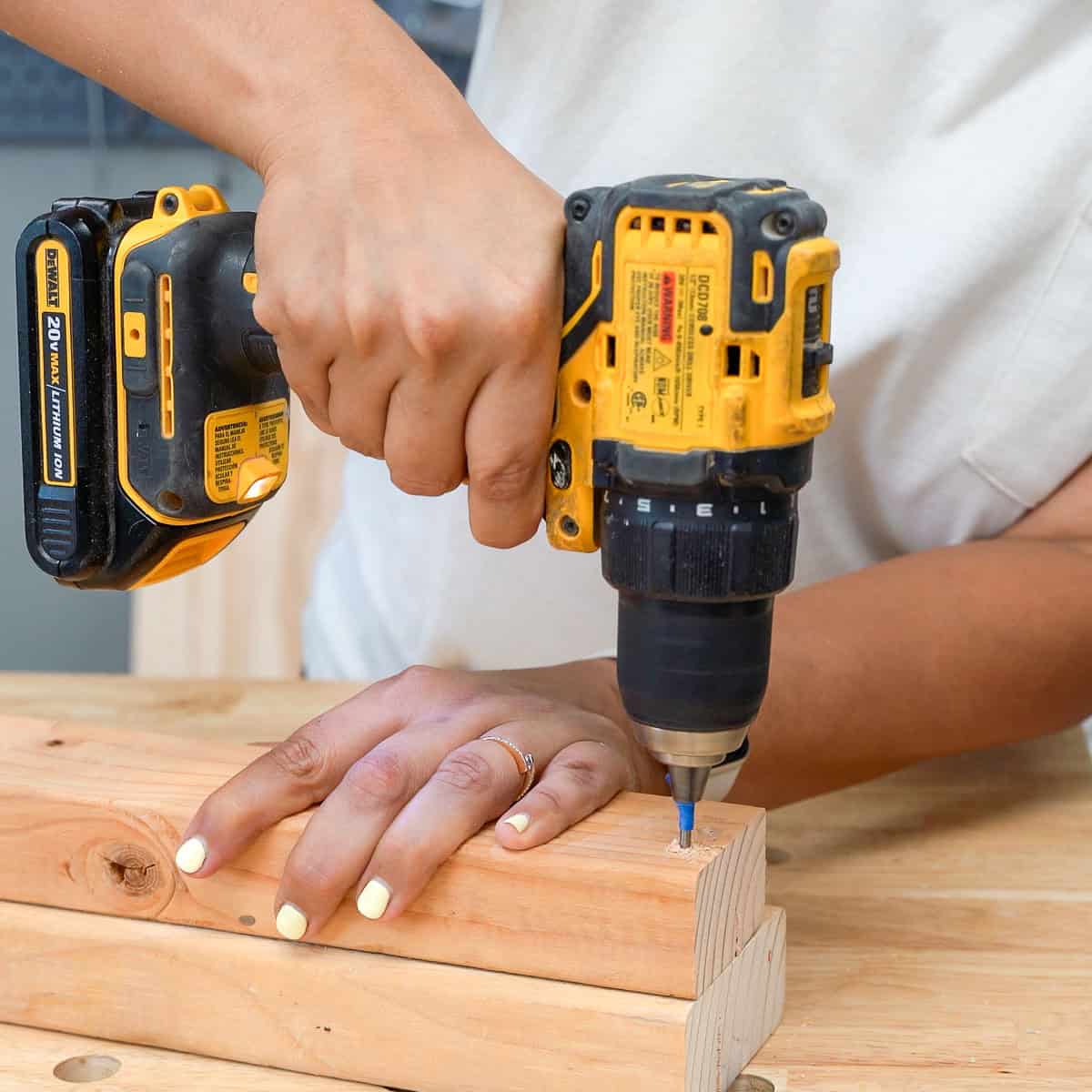
Hold the drill firmly but not too tight. A relaxed grip helps you control the tool better.
Use both hands if possible. One hand on the handle and the other supporting the front gives more control.
- Wrap your fingers around the handle
- Keep your thumb opposite your fingers
- Use the second hand to stabilize the drill
- Avoid gripping too tightly to reduce fatigue
Body Positioning Tips
Stand with your feet shoulder-width apart for balance. This stance helps you stay steady while drilling.
Keep your body aligned with the drill. This position reduces strain and improves accuracy.
- Face the workpiece directly
- Bend your knees slightly for better stability
- Keep your arms close to your body
- Maintain a comfortable distance from the tool
Step-by-step Drilling Process
Using a hand drill safely is important to avoid accidents and get good results. Follow clear steps to drill holes accurately and safely.
This guide explains how to mark the drill spot, start the drill, and keep steady pressure.
Marking The Drill Spot
Mark the exact spot where you want to drill. This helps you drill in the right place without slipping.
Use a pencil or a marker to make a small dot. For harder materials, use a center punch to make a tiny dent.
- Clean the surface before marking
- Use a ruler or tape measure for accuracy
- Make a visible but small mark
- Use a center punch for metal or hard wood
Starting The Drill
Hold the drill firmly with both hands. Place the drill bit on the marked spot carefully.
Start drilling at a low speed. This helps the bit stay in place and avoid slipping off the mark.
- Wear safety goggles before starting
- Keep your body balanced and steady
- Begin drilling slowly and increase speed gradually
- Check the drill bit is straight and tight
Maintaining Steady Pressure
Press the drill gently but firmly. Too much force can break the bit or damage the surface.
Keep the drill steady and let the bit do the work. If you feel resistance, slow down and adjust pressure.
- Apply even pressure throughout drilling
- Do not push too hard or too soft
- Keep the drill perpendicular to the surface
- Stop and clear debris if needed
Common Mistakes To Avoid
Using a hand drill is simple, but mistakes can cause damage or injury. Knowing what to avoid helps you work safely and effectively.
This guide covers common errors that many people make while using a hand drill. Keep these tips in mind to prevent problems.
Overheating The Drill Bit
Overheating happens when the drill bit works too hard or too long without breaks. This can dull the bit and damage the material.
- Do not push the drill too hard against the surface.
- Pause often to let the bit cool down.
- Use cutting oil or water to reduce heat on metal surfaces.
- Replace worn or damaged bits immediately.
Using The Wrong Speed
Different materials need different drill speeds. Using the wrong speed can cause damage or poor results.
| Material | Recommended Speed (RPM) |
| Wood | 1500-3000 |
| Metal | 500-1000 |
| Plastic | 1000-1500 |
Adjust the drill speed to match the material. Lower speeds work better for hard materials like metal.
Ignoring Safety Precautions
Skipping safety rules can cause serious injuries. Always prepare and protect yourself before starting.
- Wear safety glasses to protect your eyes.
- Keep hair and loose clothing away from the drill.
- Use clamps to hold the material securely.
- Make sure the drill is off before changing bits.
- Work in a well-lit and clean area.

Credit: www.uniccm.com
Maintaining Your Hand Drill
Keeping your hand drill in good shape helps it last longer. Proper care prevents damage and keeps it working well.
Regular maintenance is simple and does not take much time. It includes cleaning and checking for any problems.
Cleaning After Use
Always clean your hand drill after using it. Dust and debris can cause parts to wear out faster.
- Remove all dirt from the drill bit and body.
- Use a soft brush to clean tight areas.
- Wipe with a dry cloth to remove moisture.
- Apply a light oil to metal parts to stop rust.
- Store the drill in a dry place.
Regular Inspection And Repairs
Check your hand drill often to catch problems early. Fixing small issues prevents big damage.
| Inspection Area | What to Check | Action if Needed |
| Drill Bit | Sharpness and damage | Sharpen or replace |
| Handle | Cracks or looseness | Tighten or repair |
| Chuck | Grip on bit | Clean or adjust |
| Gears | Wear and lubrication | Lubricate or replace |
Emergency Tips And Troubleshooting
Using a hand drill can sometimes lead to emergencies or problems. Knowing what to do quickly keeps you safe. This guide helps you handle drill jams and injuries.
Follow these tips to solve issues safely and act fast in case of accidents. Always stay calm and focused.
Handling Drill Jams
A drill jam happens when the bit stops turning suddenly. This can damage the drill or cause injury. Stop the drill immediately if it jams.
Do not force the drill to continue. First, unplug or turn off the drill to avoid accidents. Use a tool to clear stuck material carefully.
- Turn off or unplug the drill right away
- Remove the drill bit if needed
- Clear any wood, metal, or debris blocking the bit
- Check the drill bit for damage before restarting
- Wear gloves to protect your hands while clearing jams
What To Do In Case Of Injury
Injuries can happen when using a hand drill. Act quickly to reduce harm. Stop using the drill and get help if needed.
Clean small cuts with water and cover with a clean cloth. For serious injuries, call emergency services immediately. Keep calm and avoid moving the injured area.
- Stop drilling and turn off the tool
- Apply pressure to stop bleeding
- Clean wounds with clean water if possible
- Cover injuries with sterile cloth or bandage
- Seek medical help for deep cuts or severe pain
- Do not try to remove objects stuck in wounds
Credit: www.anikasdiylife.com
Frequently Asked Questions
How Do You Safely Operate A Hand Drill?
To safely operate a hand drill, always wear protective gear like goggles. Ensure your workpiece is securely clamped. Check the drill bit is tight before use. Maintain a firm grip and drill perpendicular to the surface. Avoid loose clothing and keep your workspace clean to prevent accidents.
What Precautions Should You Take With A Hand Drill?
Always inspect the drill for damage before use. Wear safety glasses to protect your eyes. Keep fingers away from the drill bit. Use the correct drill bit for the material. Avoid using excessive force, and ensure the drill is fully stopped before changing bits.
How Can You Prevent Hand Drill Accidents?
Use appropriate personal protective equipment, like gloves and goggles. Secure your workpiece to avoid slippage. Maintain a stable stance while drilling. Regularly check the drill for defects. Avoid distractions and maintain focus on the task. Lastly, ensure the drill is unplugged when changing bits.
Why Is Clamping Important When Using A Hand Drill?
Clamping is crucial to prevent the workpiece from moving during drilling. It ensures precision and safety by stabilizing the material. This reduces the risk of accidents and improves the quality of the work. Always use appropriate clamps for the size and type of your workpiece.
Conclusion
Using a hand drill safely protects you and others around. Always wear safety gear and check your tools before use. Keep your work area clean and well-lit for better control. Hold the drill firmly and drill at a steady pace.
Stay focused and avoid distractions while working. Practice these tips every time you use a hand drill. Safe habits lead to better results and fewer accidents. Remember, safety comes first in every project you do.