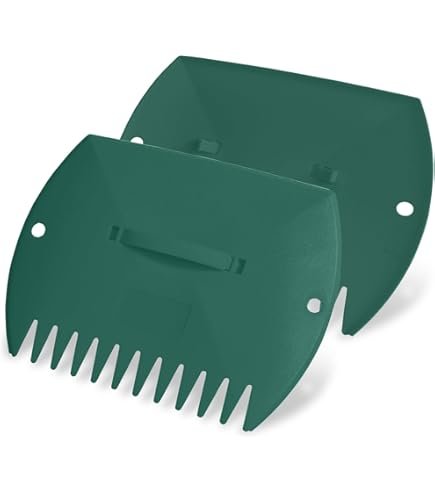
Do you ever find yourself staring at a cluttered yard, overwhelmed by the leaves and debris scattered across your once pristine lawn? You’re not alone.
Many homeowners experience the same frustration, especially during the changing seasons. But what if we told you there’s a simple tool that can make tidying up your outdoor space not just easy, but almost enjoyable? Enter the hand rake—a gardener’s secret weapon for efficient debris collection.
In this guide, you’ll discover how this unassuming tool can transform your yard work experience. We’ll walk you through the best techniques for using a hand rake, ensuring that your lawn remains in tip-top shape all year round. Get ready to learn how to turn what feels like a chore into a satisfying ritual. You might just find yourself looking forward to those crisp autumn days when the leaves begin to fall. Stick with us, and you’ll soon see why the hand rake deserves a spot in your gardening arsenal.

Credit: joebrocato.com
Choosing The Right Hand Rake
A hand rake helps collect leaves and garden debris easily. Picking the right one makes your work faster and less tiring.
Consider the rake’s type, materials, and size. These factors affect how well it fits your needs and how long it lasts.
Types Of Hand Rakes
Hand rakes come in many styles. Some are wide for large areas. Others have narrow heads for tight spaces.
- Leaf rakes with flexible tines for light debris
- Garden rakes with stiff tines for soil and heavy debris
- Bow rakes with flat heads for leveling soil
- Shrub rakes with short tines for close work
Materials And Build Quality
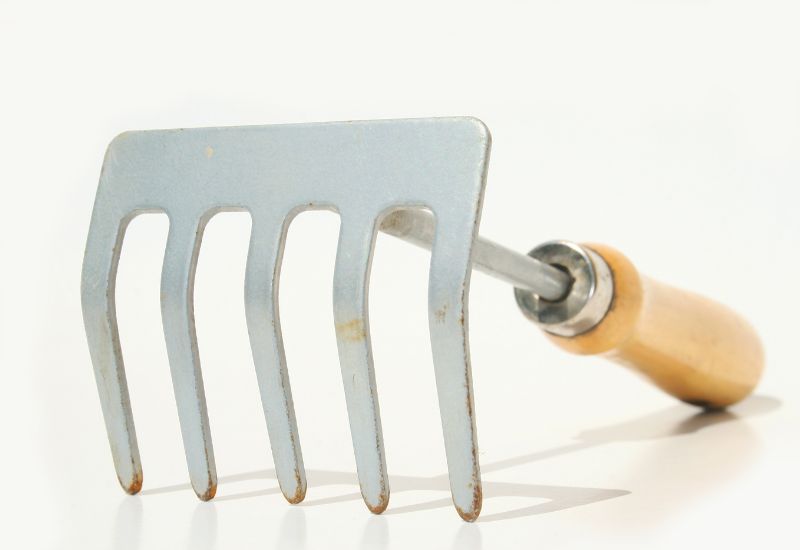
Look for strong materials. Metal tines last longer than plastic ones. Wood handles feel good but need care.
| Material | Pros | Cons |
| Steel Tines | Durable, strong | Can rust if not kept dry |
| Plastic Tines | Lightweight, rust-free | Less strong, may break easily |
| Wood Handle | Comfortable grip, natural feel | Needs maintenance, can splinter |
| Fiberglass Handle | Strong, low maintenance | Can be heavy for some users |
Size And Handle Considerations
Choose a rake size that fits your body and task. A too-long handle can be hard to control. A too-short one can cause bending.
- Handle length: 18 to 36 inches for hand rakes
- Head width: wider for big areas, narrow for tight spots
- Look for a comfortable grip to reduce hand strain
- Lightweight rakes help with long use
Credit: www.lawnstarter.com
Preparing For Debris Collection
Using a hand rake helps collect leaves and debris in your yard. Proper preparation makes the work easier and safer.
Before you start, check your area, wear the right clothes, and clear any obstacles. These steps help you work well and avoid injuries.
Assessing The Area
Look over the space where you will rake. Notice the size and type of debris on the ground.
Check if the ground is wet or dry. Wet leaves can be heavy and harder to rake. Dry leaves are lighter and easier to move.
Safety Gear And Clothing
Wear clothes that protect your skin from scratches and bugs. Long sleeves and pants are good choices.
Use gloves to protect your hands. Choose sturdy shoes to avoid slipping or stepping on sharp objects.
- Long sleeves and pants
- Protective gloves
- Closed-toe shoes or boots
- Hat and sunscreen for sun protection
Clearing Obstacles
Remove rocks, sticks, and toys from the area. These can block the rake or cause accidents.
Check for low branches or wires that might get in your way. Move or avoid them before you start raking.
- Pick up rocks and sticks
- Move garden tools and toys
- Watch for low branches and wires
Effective Raking Techniques
Using a hand rake properly helps collect debris quickly and easily. Good techniques reduce effort and improve results.
Learn how to hold the rake, move it correctly, and handle different debris types for the best outcome.
Proper Grip And Posture
Hold the rake handle firmly but not too tight. Use both hands for better control and less strain.
Stand straight with feet shoulder-width apart. Keep your back straight and bend your knees slightly.
- Grip the rake near the top with one hand
- Place the other hand lower on the handle
- Keep your shoulders relaxed
- Avoid hunching over to protect your back
Optimal Raking Motions
Use smooth, even strokes to gather debris. Move the rake in a consistent direction to form piles.
Work in small sections and overlap your strokes to avoid missing spots. Adjust speed for better control.
- Pull the rake toward you with steady pressure
- Keep the rake close to the ground
- Use wide strokes for large areas
- Use shorter strokes for tight spaces
Handling Different Debris Types
Different debris needs different care. Leaves are light and easy to move. Small sticks and stones may need more force.
Adjust your technique to avoid damaging the rake or missing debris. Clear wet debris carefully to prevent clumping.
- Use gentle strokes for dry leaves
- Apply more pressure for wet leaves or mud
- Lift sticks carefully to avoid bending the rake
- Remove large stones by hand to protect the rake

Credit: www.everydaycheapskate.com
Maintaining Your Hand Rake
Keeping your hand rake in good condition helps it last longer. Regular care makes debris collection easier and faster.
Proper maintenance prevents damage and keeps the rake working well. Focus on cleaning, sharpening, and storing it correctly.
Cleaning After Use
Remove dirt and debris from the rake after each use. This stops rust and keeps the rake sharp and effective.
- Use a stiff brush to clean the tines
- Wash with water if needed, then dry thoroughly
- Remove sticky sap or residue with rubbing alcohol
- Check for stuck leaves or twigs and remove them
Sharpening And Repairs
Sharp tines make raking easier and catch more debris. Fix any bent or broken parts to keep your rake safe and useful.
- Use a metal file to sharpen dull tines
- Smooth edges to avoid snagging plants or skin
- Straighten bent tines gently with pliers
- Replace damaged parts if repair is not possible
Storage Tips
Store your hand rake in a dry place to stop rust and damage. Proper storage keeps it ready for the next use.
- Hang the rake on a wall hook to keep tines straight
- Keep it off the ground to avoid moisture contact
- Cover with a cloth or tarp if stored outside
- Check the rake before use to ensure it is clean and sharp
Troubleshooting Common Issues
Using a hand rake to collect debris can be simple. Sometimes, issues may happen. Knowing how to fix these problems helps you work better.
This guide covers common hand rake problems. Learn how to handle stuck debris, avoid handle breakage, and prevent tine damage.
Dealing With Stuck Debris
Debris can get stuck between rake tines. This slows your work and may damage the rake if you pull too hard.
Remove stuck debris carefully. Use your hands or a small tool to clear the tines. Avoid forcing the rake through thick debris.
- Stop raking if debris is stuck
- Use gloves to protect your hands
- Clear debris by hand or with a stick
- Check the rake tines for damage after clearing
Avoiding Handle Breakage
Handle breakage happens if you use too much force or store the rake poorly. A broken handle makes the rake useless.
Use gentle, steady pressure when raking. Store the rake in a dry place. Keep it off the ground to avoid moisture and cracks.
- Do not push or pull too hard
- Store rake hanging or upright
- Keep handle dry and clean
- Inspect handle for cracks regularly
Preventing Rake Tine Damage
Rake tines can bend or break if you hit hard objects. Damaged tines reduce how well the rake works.
Check the area before raking. Remove rocks or sticks that might harm the tines. Use the rake gently on tough spots.
- Look for hidden rocks or sticks
- Remove hard objects before raking
- Use light pressure on rough ground
- Fix bent tines carefully with pliers
Enhancing Efficiency
Using a hand rake for debris collection can save time and effort. This guide shows ways to improve your work with simple tips.
Learn how combining tools, managing your time, and following seasonal advice helps clear debris faster and easier.
Combining Tools For Better Results
Pair your hand rake with other garden tools to boost your cleaning power. Using the right tools together makes the job quicker and neater.
- Use a leaf blower before raking to gather loose debris.
- Follow with a hand rake to collect stuck leaves and twigs.
- Carry a garden broom to sweep up small bits left behind.
- Bring a wheelbarrow to move collected debris easily.
Time-saving Strategies
Plan your work to avoid wasting time. Small changes in your routine can make a big difference in how fast you finish.
| Strategy | Why It Helps |
| Work in sections | Focuses effort and keeps progress clear |
| Rake after dry weather | Leaves and debris are easier to move |
| Use gloves | Protects hands and improves grip |
| Keep tools sharp | Reduces effort and speeds up work |
Seasonal Tips For Debris Management
Different seasons bring different kinds of debris. Adjust your hand rake use to match the season for better results.
For example:
- Spring:Focus on new leaves and flower petals.
- Summer:Watch for dry twigs and grass clippings.
- Fall:Clear fallen leaves quickly to prevent buildup.
- Winter:Remove light snow and debris before it packs down.
Frequently Asked Questions
What Is The Best Way To Use A Hand Rake?
Use a hand rake by holding it firmly and pulling debris gently. Work in small sections for effective debris collection. Avoid pushing to prevent damaging the rake or ground.
Can A Hand Rake Collect Wet Leaves Efficiently?
Hand rakes work better on dry leaves. Wet leaves can stick to the rake, making collection harder. For best results, rake after leaves dry or use a leaf blower for wet debris.
How Often Should I Use A Hand Rake For Yard Maintenance?
Using a hand rake weekly helps keep your yard clean and healthy. Frequent raking prevents debris buildup and promotes better grass growth. Adjust frequency based on leaf fall and yard size.
Are Hand Rakes Suitable For All Types Of Debris?
Hand rakes are ideal for small debris like leaves, twigs, and grass clippings. They are less effective for heavy or large debris, which may require a different tool.
Conclusion
Using a hand rake makes debris collection easier and faster. It helps keep your yard clean and neat. Choose the right rake for your needs. Use simple, steady movements for best results. Regular use prevents buildup and saves effort later.
Keep the rake clean and store it properly. Small steps make yard work less tiring. Enjoy a tidy outdoor space with less hassle. Try these tips and see the difference yourself.