Are you eager to take your woodworking projects to the next level? Imagine crafting smooth, curved edges with precision and ease.
Whether you’re a DIY enthusiast or a seasoned craftsman, mastering the art of using a jigsaw for curved edges can open up a world of creative possibilities. This guide will unravel the secrets to achieving those perfect curves and help you avoid common pitfalls.
With just a little guidance, you can transform your projects from ordinary to extraordinary. Ready to dive in and discover how a jigsaw can become your new favorite tool? Let’s get started and unlock your creative potential!
Credit: www.housedigest.com
Choosing The Right Jigsaw
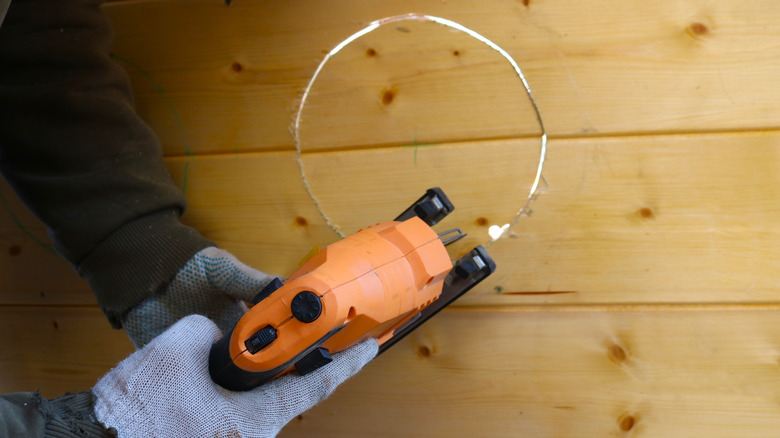
A jigsaw is a useful tool for cutting curved edges in wood and other materials. Picking the right jigsaw makes curved cuts easier and cleaner.
Different jigsaws have features that help with curved cutting. Knowing these features helps you choose the best tool.
Types Of Jigsaws
There are corded and cordless jigsaws. Corded jigsaws give constant power. Cordless jigsaws offer more freedom to move.
Orbital jigsaws move the blade in a slight forward and backward motion. This helps cut faster but may reduce control on curves.
- Corded jigsaw: steady power, good for long jobs
- Cordless jigsaw: portable, best for quick jobs
- Orbital jigsaw: fast cutting, less control on curves
- Non-orbital jigsaw: slow but precise cuts on curves
Blade Selection For Curves
Choosing the right blade is key for smooth curved edges. Thin blades with many teeth cut tight curves better.
Blades made for wood usually work best for curved cuts. Look for blades labeled “fine tooth” or “scroll cut.”
- Thin blades (narrow width) for tight curves
- Fine-tooth blades for smooth cuts
- Bi-metal blades for durability
- Special blades for cutting metal or plastic curves
Power And Speed Considerations
A jigsaw with adjustable speed helps control the cut on curves. Slower speeds give better control and cleaner edges.
Higher power means the jigsaw can cut through thick materials easily. But too much speed can make curved cuts rough.
- Adjustable speed for better control
- Medium power is good for most curved cuts
- Lower speed for delicate or thin materials
- Higher power for thick or hard materials

Credit: onevantool.com
Preparing Your Workspace
Preparing your workspace is important before cutting curved edges with a jigsaw. A clean and organized area helps you work safely and accurately.
Take time to arrange your tools and materials. This makes the cutting process smoother and reduces mistakes.
Securing The Material
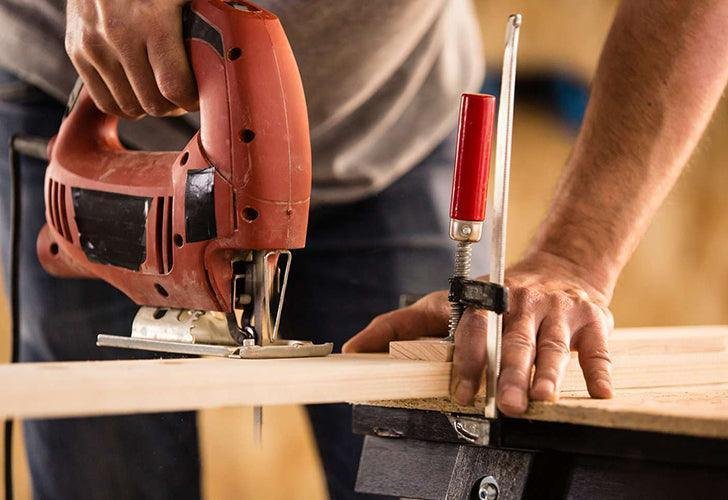
Hold the material firmly to avoid movement while cutting. Use clamps to keep the wood or board steady on your workbench.
Make sure the material is flat and supported well. This prevents vibrations that can cause uneven cuts.
- Use at least two clamps for stability
- Place clamps away from cutting lines
- Check that the material does not wobble
Marking Curved Lines
Draw your curved lines clearly before cutting. Use a pencil or chalk that shows well on your material.
Use a flexible ruler or a template to help make smooth curves. Check your marks twice to avoid mistakes.
- Sketch the curve lightly at first
- Adjust the curve shape if needed
- Darken the final line for better visibility
Safety Precautions
Wear safety glasses to protect your eyes from dust and wood chips. Use ear protection if the jigsaw is loud.
Keep your hands away from the blade while cutting. Make sure the jigsaw is unplugged when changing blades or adjusting settings.
- Wear gloves to protect your hands
- Clear the workspace of loose items
- Work in a well-lit area
Techniques For Smooth Curves
Cutting smooth curves with a jigsaw takes control and practice. The right methods help avoid rough edges and mistakes.
This guide covers key tips on grip, speed, and following your lines closely for clean curves.
Proper Grip And Stance
Hold the jigsaw firmly but not too tight. A steady grip helps you guide the blade without shaking.
- Use your dominant hand to hold the handle.
- Place your other hand lightly on the wood to steady it.
- Stand with your feet shoulder-width apart.
- Keep your body balanced and relaxed.
- Position yourself so you can see the cutting line clearly.
Controlling Speed And Pressure
Slow and steady speed gives cleaner curves. Pushing too hard can bend the blade and cause rough cuts.
| Speed | Pressure | Effect |
| Slow | Light | Clean cuts, smooth curves |
| Fast | Heavy | Blade bends, rough edges |
| Moderate | Moderate | Balanced cutting, less control |
Following The Marked Line
Keep your eyes on the line while cutting. Let the blade do the work and guide the jigsaw slowly.
- Mark the curve clearly with a pencil or tape.
- Start cutting just outside the line for safety.
- Make small turns and adjust your angle slowly.
- Pause if needed to check your progress.
- Smooth rough edges with sandpaper after cutting.
Handling Tight Curves And Intricate Cuts
Using a jigsaw for curved edges needs careful control. Tight curves and detailed cuts can be tricky.
You must use the right techniques to keep the cut smooth and accurate. This guide explains key tips.
Using Relief Cuts
Relief cuts help when cutting sharp curves. They reduce stress on the blade and material.
Make small straight cuts inside the curve. These cuts give the blade room to turn easily.
- Plan where the curves are tightest
- Cut short lines from the edge inward
- Keep relief cuts close but not too deep
- Use these cuts to guide your jigsaw smoothly
Adjusting Blade Angles
Changing the blade angle helps follow curves better. Tilt the blade slightly to match the cut shape.
This keeps the blade from bending or breaking. It also improves control and accuracy on curves.
- Set the blade angle based on curve tightness
- Use a sharper angle for sharper curves
- Check blade position often while cutting
- Adjust as needed to stay on the line
Slow And Steady Approach
Cutting curves requires patience. Move the jigsaw slowly to follow the line closely.
Rushing can cause rough edges or blade damage. A steady pace gives better results.
- Start cutting at a slow speed
- Keep your hand steady and guide the tool gently
- Stop and adjust if the blade drifts off
- Keep the base plate flat for balance
Finishing Curved Edges
After cutting curved edges with a jigsaw, finishing is important. It helps the edges look smooth and neat. This improves the overall appearance and safety of the piece.
There are several ways to finish curved edges. Sanding, filing, and applying edge treatments help create a polished look. Each method has a specific role in the process.
Sanding And Smoothing
Sanding removes rough spots left by the jigsaw blade. Use sandpaper with medium grit first. Then switch to fine grit for a smooth finish.
Sanding blocks or sponges help keep curves even. Move the sandpaper along the curve gently. Avoid sanding too hard to keep the shape.
- Start with 80-120 grit sandpaper
- Use 220-320 grit for final smoothing
- Sand in the direction of the curve
- Use flexible sanding tools for tight curves
Filing For Detail
Filing helps reach small or tight areas the sander cannot. Use a round or half-round file for curved edges. Files shape the edge and remove rough spots.
Work slowly and check your progress often. Filing too much can change the curve shape. Keep the file angle steady to keep the curve smooth.
- Choose the right file shape for your curve
- Use smooth, even strokes
- Clean the file to avoid clogging
- Check the edge shape frequently
Applying Edge Treatments
Edge treatments protect and enhance curved edges. You can use paint, varnish, or edge banding. These finishes make the edges look better and last longer.
Apply treatments carefully to avoid drips or uneven coverage. Let each coat dry fully before adding another. Sand lightly between coats for a smooth finish.
- Use paint or varnish suited for wood or material
- Apply thin, even coats with a brush or cloth
- Consider edge banding for a clean, uniform look
- Allow enough drying time between layers
Common Mistakes To Avoid
Using a jigsaw for curved edges can be tricky if you are not careful. Avoiding common mistakes helps you get smooth cuts and stay safe.
This guide covers three key errors to watch for when cutting curves with a jigsaw. Follow these tips to improve your work.
Forcing The Blade
Many beginners push the jigsaw too hard into the material. Forcing the blade can cause it to bend, break, or give uneven cuts.
Let the saw do the work by moving it gently along the line. Pressing too much can also damage the motor.
Using The Wrong Blade
Selecting the correct blade is important for clean curved cuts. Different blades suit different materials and curve tightness.
- Use fine-toothed blades for tight curves and thin wood.
- Coarse blades cut faster but may splinter the edges.
- Choose blades labeled for wood, metal, or plastic as needed.
- Check blade length and width to fit your jigsaw and cut depth.
Ignoring Safety Measures
| Safety Measure | Reason |
|---|---|
| Wear safety glasses | Protect eyes from flying debris |
| Use ear protection | Prevent hearing damage from noise |
| Secure the workpiece | Keep material steady for accurate cuts |
| Keep hands away from blade | Avoid serious injury |
| Unplug when changing blades | Prevent accidental starts |
Following safety rules reduces the risk of accidents and helps you focus on the cutting task.
Maintenance Tips For Your Jigsaw
Keeping your jigsaw in good condition helps it work better and last longer. Regular care stops problems before they start.
These tips focus on caring for the blade, cleaning and storing your tool, and checking it often.
Blade Care And Replacement
Sharp blades cut cleanly and make curved edges easier. Check your blade for dullness or damage before each use.
Replace blades that are bent, chipped, or dull. Using a bad blade can cause rough cuts or break the tool.
- Choose blades that fit your jigsaw model.
- Use blades made for cutting curves or the material you work with.
- Store extra blades safely to avoid damage.
Cleaning And Storage
Clean your jigsaw after each use to remove dust and wood chips. This keeps parts moving smoothly.
Use a soft brush or compressed air to clean hard-to-reach places. Avoid water or harsh chemicals.
- Wipe the jigsaw body with a dry cloth.
- Keep the blade clamp clean and free of debris.
- Store the jigsaw in a dry place to prevent rust.
Regular Inspections
Look over your jigsaw regularly for loose parts or damage. Fix small problems early to avoid bigger repairs.
Check the power cord for cuts or cracks. Make sure all screws and fittings are tight before use.
- Test the switch and trigger for proper function.
- Listen for unusual noises during operation.
- Inspect the shoe plate for damage or bending.

Credit: www.findbuytool.com
Frequently Asked Questions
How Do I Choose The Right Jigsaw Blade For Curves?
Select a fine-toothed blade designed for smooth, precise cuts on curves. Blades labeled “scroll” or “fine cut” work best for curved edges. Using the correct blade reduces splintering and improves control during cutting. Always match the blade type to your material.
What Speed Setting Is Best For Curved Edge Cutting?
Use a slower speed setting for cutting curves to maintain control and accuracy. Slower speeds prevent blade overheating and reduce the risk of mistakes. Adjust speed based on the material’s thickness and hardness. Practice on scrap wood to find the best speed.
How Can I Avoid Splintering When Cutting Curves?
To avoid splintering, use a sharp, fine-toothed blade and tape the cut line. Cut on the wood’s good side and apply steady, even pressure. Use a backing board to support the material and prevent tear-out. Proper preparation ensures cleaner edges.
What Safety Tips Should I Follow When Using A Jigsaw?
Always wear safety goggles and hearing protection. Secure the workpiece firmly before cutting. Keep hands away from the blade path and use clamps for stability. Disconnect power when changing blades or making adjustments. Follow manufacturer guidelines for safe operation.
Conclusion
Using a jigsaw for curved edges takes practice and patience. Choose the right blade and keep your hand steady. Move slowly to follow the curve smoothly. Always wear safety gear to protect yourself. With time, your cuts will look clean and precise.
Enjoy creating shapes that add beauty to your projects. Keep practicing and watch your skills improve day by day. Simple steps lead to great results.