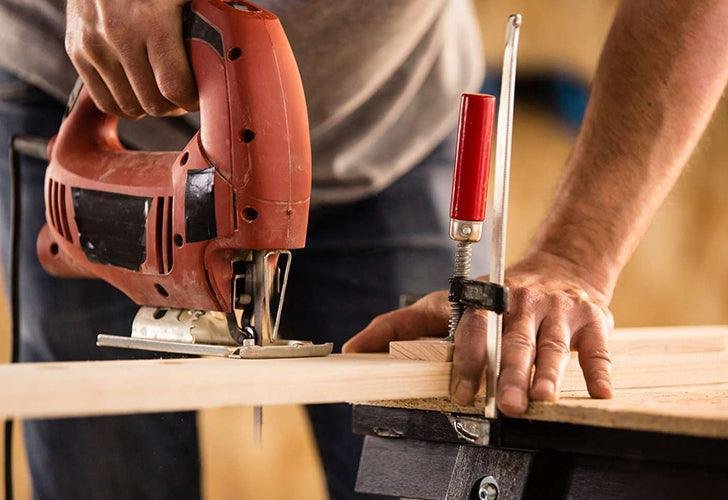
Are you ready to take your woodworking skills to the next level? Using a jigsaw for intricate woodworking can open up a world of creative possibilities, letting you craft detailed shapes and designs with ease.
But mastering this tool isn’t always straightforward. In this guide, you’ll discover simple tips and tricks to help you control your jigsaw like a pro, avoid common mistakes, and achieve precise cuts every time. Keep reading, and soon you’ll be transforming your projects with confidence and skill.
Choosing The Right Jigsaw
A jigsaw is a helpful tool for making detailed cuts in wood. Picking the right jigsaw can make your work easier and more precise.
Look at the type, blade, power, and speed to find the best jigsaw for your project.
Types Of Jigsaws
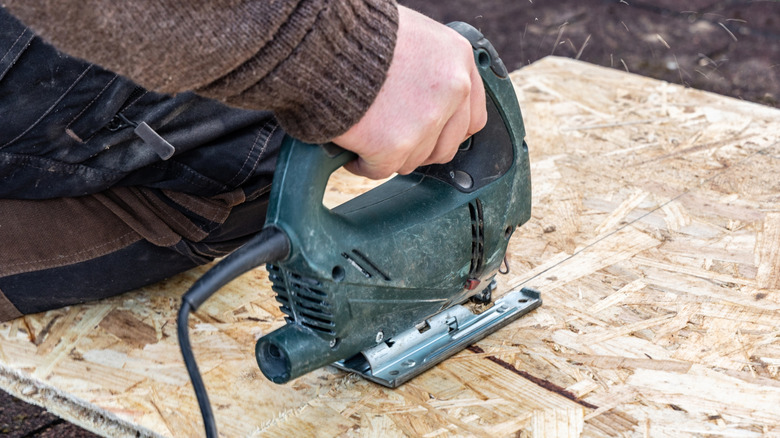
There are different jigsaws made for various tasks. The main types include corded, cordless, and orbital jigsaws.
- Corded jigsaws:These offer constant power and are good for long jobs.
- Cordless jigsaws:These run on batteries and are easy to carry around.
- Orbital jigsaws:These have a special blade movement for faster cuts on soft wood.
Blade Selection For Intricate Cuts
Choosing the right blade is key for clean, detailed cuts. Thin blades with small teeth work best for curves and fine shapes.
| Blade Type | Best Use | Material |
| Fine-tooth blade | Intricate cuts and curves | High-speed steel |
| Carbide-grit blade | Cutting hard materials like tile | Carbide |
| Reverse-tooth blade | Clean cuts on top surface | High-speed steel |
Power And Speed Considerations
Power and speed affect how well the jigsaw cuts through wood. More power helps with thick wood, while adjustable speed gives control.
- Choose at least 4 amps for corded jigsaws
- Look for variable speed control for better cutting accuracy
- Use slower speeds for detailed cuts to avoid mistakes
Credit: www.housedigest.com
Preparing Your Workspace
Preparing your workspace is key for safe and precise woodworking. A clean, organized area helps you focus and avoid accidents.
In this guide, you will learn how to set up your surface, choose the right safety gear, and mark your wood accurately.
Setting Up A Stable Surface
Use a flat, sturdy table or workbench for your jigsaw projects. Make sure the surface does not wobble or tilt.
- Clear the surface of clutter and dust.
- Place clamps to hold wood firmly in place.
- Check lighting to see your cutting lines clearly.
- Keep power cords away from your cutting area.
Safety Gear Essentials
Wear proper safety gear before starting your jigsaw work. Protect yourself from dust and flying debris.
| Gear | Purpose |
| Safety glasses | Protect eyes from sawdust and chips |
| Ear protection | Reduce noise from the jigsaw |
| Dust mask | Prevent inhaling fine wood particles |
| Gloves | Protect hands from splinters and cuts |
Marking And Measuring Techniques
Accurate marking and measuring help you cut wood precisely. Use the right tools and methods.
Follow these tips for better marking:
- Use a sharp pencil or fine-tip marker for clear lines.
- Measure twice to avoid mistakes.
- Use a ruler or measuring tape for straight lines.
- Mark both sides of the wood for accurate cuts.
Mastering Jigsaw Techniques
A jigsaw is a versatile tool for detailed woodworking projects. Using it well helps create smooth, precise cuts in wood.
This guide covers key techniques to improve your control and avoid common errors with a jigsaw.
Controlling Speed For Precision
Adjusting the jigsaw speed helps you cut accurately. Slower speeds work best on curves and delicate parts.
Faster speeds are good for straight cuts and softer wood. Changing speed at the right time keeps your work clean.
Making Curved And Complex Cuts
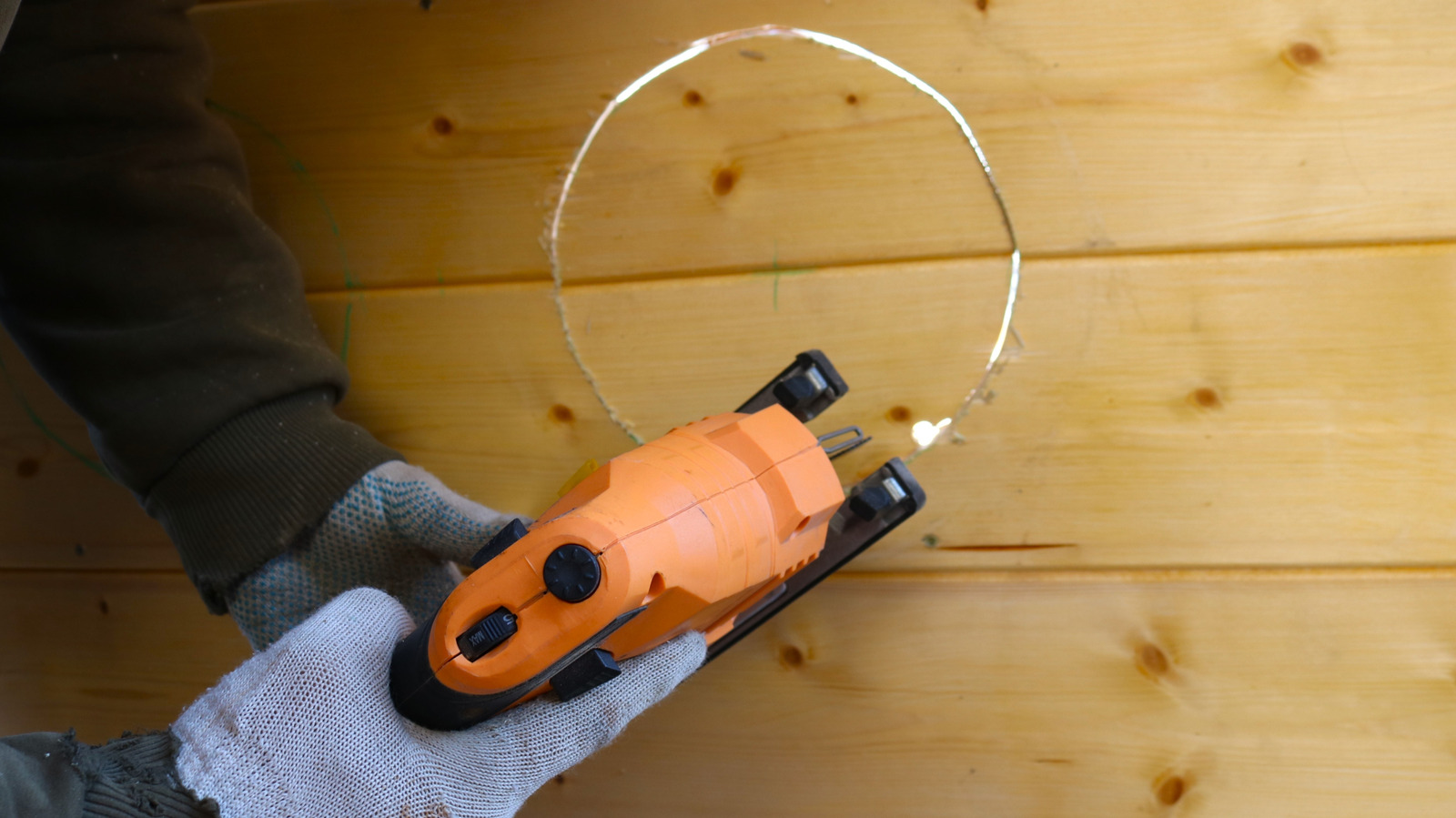
Cutting curves needs steady hands and the right blade. Use a fine-toothed blade for tight curves.
- Mark your cut line clearly before starting
- Keep the base plate flat on the wood
- Move the saw slowly and smoothly along the curve
- Do not force the blade; let it cut at its own pace
- Practice on scrap wood to build confidence
Avoiding Common Mistakes
| Mistake | How to Avoid |
| Blade bending or breaking | Use the correct blade type and avoid forcing cuts |
| Rough edges | Control speed and use smooth, steady movements |
| Cut line not followed | Mark lines clearly and keep your eye on the blade path |
| Kickback or loss of control | Hold the jigsaw firmly and keep the base plate flush |
| Burn marks on wood | Reduce speed and use sharp blades |

Credit: www.findbuytool.com
Advanced Tips For Intricate Woodworking
Using a jigsaw for detailed woodworking needs skill and care. Advanced tips help you improve precision and safety.
Focus on using guides, keeping blades sharp, and adjusting for wood types. These methods give you cleaner cuts and better results.
Using Guides And Templates
Guides and templates keep your jigsaw moving in the right path. They help with repeated shapes and curves.
- Clamp a straight edge to your wood for straight cuts
- Create cardboard templates for complex shapes
- Use a zero-clearance insert to reduce splintering
- Mark your cut line clearly before starting
- Hold the jigsaw steady and follow the guide slowly
Maintaining Blade Sharpness
A sharp blade cuts smoothly and safely. Dull blades cause rough edges and strain the tool.
| Blade Type | Use | Tip |
| Fine-tooth blade | Thin wood and curves | Replace often for clean cuts |
| Coarse-tooth blade | Thick wood and fast cuts | Sharpen or replace if dull |
| Reverse tooth blade | Minimize splintering | Use for plywood and laminates |
Handling Different Wood Types
Different woods need different jigsaw settings and blades. Adjust speed and blade type for best results.
- Softwoods:Use faster speed and standard blades.
- Hardwoods:Slow speed and fine-tooth blades reduce burning.
- Veneered wood:Use reverse-tooth blades to protect surface.
- Plywood:Cut with slow speed and sharp blades to avoid chipping.
Troubleshooting And Maintenance
Keeping your jigsaw in good condition ensures smooth and accurate cuts. Regular checks and care help avoid common problems during woodworking.
This guide covers how to fix blade drift, clean and lubricate your jigsaw, and replace parts safely.
Fixing Blade Drift
Blade drift happens when the jigsaw blade moves off the cutting line. This can ruin your work and waste wood.
- Check if the blade is sharp and not bent.
- Make sure the blade is installed tightly and straight.
- Use the right blade type for your wood and cut style.
- Reduce cutting speed to keep better control.
- Support the wood properly to avoid vibration.
Cleaning And Lubricating The Jigsaw
Dust and resin buildup can slow your jigsaw and cause damage. Cleaning and lubrication keep it running smoothly.
| Cleaning Task | How Often | Tools Needed |
| Remove sawdust from blade holder | After each use | Brush or compressed air |
| Wipe down exterior parts | Weekly | Soft cloth |
| Lubricate moving parts | Monthly | Light machine oil |
| Check power cord and plug | Monthly | Visual inspection |
Replacing Parts Safely
Some jigsaw parts wear out and need replacing. Follow safety steps to avoid injury and damage.
- Unplug the jigsaw before starting any repair.
- Use the right replacement parts for your model.
- Wear safety gloves to protect your hands.
- Follow the user manual instructions carefully.
- Test the tool after replacing parts to ensure proper function.
Credit: www.housedigest.com
Frequently Asked Questions
What Safety Tips Should I Follow Using A Jigsaw?
Always wear safety goggles and ear protection. Keep hands away from the blade. Secure the wood firmly. Use a sharp blade for clean cuts and avoid forcing the tool. Work in a well-lit area to prevent accidents.
How Do I Choose The Right Jigsaw Blade?
Select blades based on wood type and cut style. Use fine-toothed blades for intricate curves. Coarse blades work well for fast, rough cuts. Bi-metal blades offer durability and versatility for various woodworking projects.
Can A Jigsaw Handle Detailed Woodworking Cuts?
Yes, jigsaws excel at cutting intricate shapes and curves. Their narrow blades allow precise control for detailed designs. Adjust speed settings for better accuracy. Use a blade designed for fine cuts to enhance detail quality.
How To Maintain A Jigsaw For Best Performance?
Regularly clean dust and debris from the tool. Check the blade for sharpness and replace when dull. Lubricate moving parts to reduce wear. Store the jigsaw in a dry place to prevent rust and damage.
Conclusion
Using a jigsaw makes detailed woodworking easier and more fun. Choose the right blade for your wood and cut slowly. Keep your hands steady and follow the lines carefully. Practice helps you gain confidence and improve your skills. Safety always comes first—wear goggles and work in a clean space.
With patience and care, you can create beautiful, intricate designs. Try different shapes and patterns to see what you can do. Enjoy the process and watch your woodworking projects come alive.