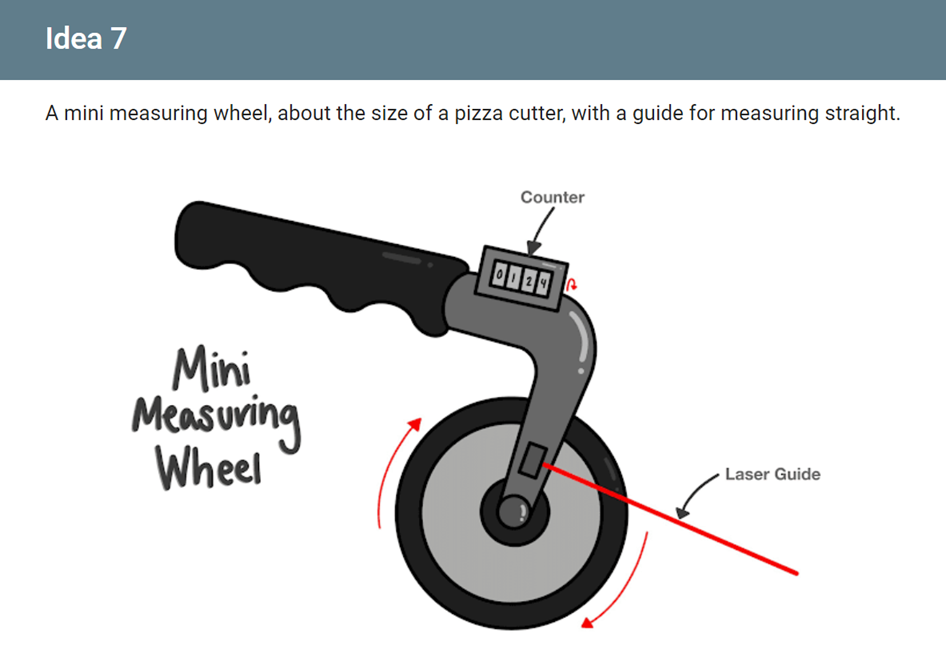
Have you ever needed to measure a long distance quickly and accurately without pulling out a tape measure? A measuring wheel might be the perfect tool for you.
It’s simple to use, saves time, and works great on all kinds of surfaces. In this guide, you’ll discover how to get the most out of your measuring wheel, avoid common mistakes, and make your measuring tasks easier than ever.
Keep reading, and you’ll be ready to measure like a pro in no time.
Choosing The Right Measuring Wheel
Measuring wheels help you measure distances quickly. Picking the right one makes your work easier and more accurate.
Different measuring wheels suit different tasks. Knowing their types, materials, and sizes helps you choose well.
Types Of Measuring Wheels
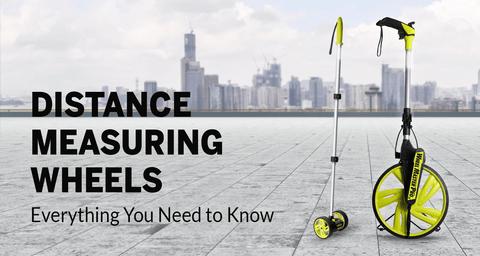
There are several types of measuring wheels. Each type has features for different jobs and surfaces.
- Standard Measuring Wheels: Basic wheels for flat surfaces.
- Foldable Measuring Wheels: Easy to carry and store.
- Digital Measuring Wheels: Show distance on a screen for more accuracy.
- Mechanical Measuring Wheels: Use a counter to track distance manually.
Material And Durability
Measuring wheels come in different materials. The material affects how long the wheel lasts and how tough it is.
Look for wheels made of strong metals or hard plastic. These materials resist damage and work well outdoors.
- Metal frames offer strength and stability.
- Plastic parts reduce weight and cost.
- Rubber tires provide good grip and shock absorption.
- Check for rust-resistant coatings on metal parts.
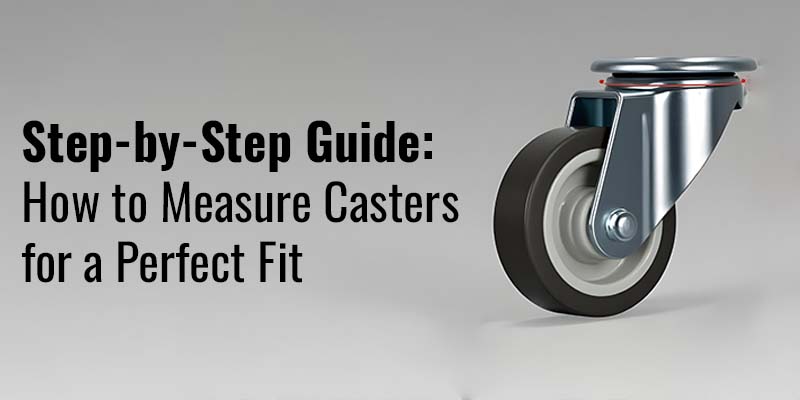
Wheel Size And Terrain Compatibility
Wheel size affects how easy it is to measure on different surfaces. Bigger wheels roll over rough ground better.
Choose wheel size based on where you will measure most often. Smooth floors need smaller wheels. Rough or grassy areas need larger wheels.
- Small wheels (6-8 inches) work well on flat, smooth surfaces.
- Medium wheels (10-12 inches) suit mixed terrains like sidewalks and lawns.
- Large wheels (14 inches and above) handle rough, uneven ground easily.
Credit: atlantacaster.com
Preparing For Measurement
Using a measuring wheel is an easy way to measure long distances. Before you start, it is important to get ready. Proper preparation helps you get accurate results.
This guide will cover how to calibrate the wheel, set a starting point, and stay safe while measuring.
Calibrating The Wheel
Calibration means checking that the wheel measures correctly. This step makes sure your readings are accurate.
To calibrate, roll the wheel over a known distance. Compare the wheel’s reading to the real distance. Adjust the counter if needed.
- Find a flat surface with a marked length
- Roll the wheel from start to end
- Check if the wheel’s count matches the length
- Adjust the wheel counter if there is a difference
Setting A Starting Point
Choose a clear starting point for your measurement. This makes it easy to begin and keep track of the distance.
Place the wheel’s zero mark exactly at this spot. Make sure the wheel is upright and touching the ground.
- Pick a visible and stable point
- Reset the wheel counter to zero
- Hold the wheel steady at the start
Safety Considerations
Stay safe while using the measuring wheel. Watch your surroundings and avoid hazards.
Wear comfortable shoes and be careful on uneven ground. If you measure near roads, stay alert for traffic.
- Wear proper footwear for walking
- Look out for obstacles and holes
- Stay away from busy roads or traffic
- Use the wheel in good weather conditions
Basic Measuring Techniques
Using a measuring wheel helps you find distances quickly. It is useful for outdoor projects and land surveys.
Learn how to hold, roll, and read the wheel correctly. This guide will explain these simple steps.
Holding And Rolling The Wheel
Hold the handle firmly but comfortably. Keep your arm straight to avoid shaking.
- Stand upright with the wheel on the ground.
- Roll the wheel smoothly without bouncing.
- Keep a steady pace to get accurate results.
Maintaining A Straight Path
Walking in a straight line ensures the distance is correct. Use landmarks or markers to guide you.
| Tip | Description |
|---|---|
| Look Ahead | Focus on a point far away to keep straight. |
| Use Markers | Place cones or sticks along your path. |
| Check Regularly | Stop and adjust if you drift off course. |
Reading The Measurement Counter
The counter shows the distance the wheel has traveled. Read it carefully before and after measuring.
- Start with the counter at zero.
- Roll the wheel along your path.
- Stop and read the final number on the counter.
- Record the measurement for your records.
Credit: engineerwarehouse.com
Advanced Tips For Accuracy
Using a measuring wheel is simple but getting precise results can be tricky. Small errors add up fast. This guide shares tips to improve your accuracy.
Follow these techniques to measure curves, rough ground, and check your work carefully. These tips save you time and prevent mistakes.
Measuring Curved Surfaces
Measuring curves requires steady control of the wheel. Keep the wheel close to the surface and move slowly to avoid slipping.
- Break the curve into smaller sections.
- Measure each section separately.
- Add all sections to get the full length.
- Keep the wheel aligned with the curve.
- Use chalk or markers to note section points.
Dealing With Uneven Terrain
Uneven ground can cause the wheel to bounce or slip. Adjust your speed and keep the wheel steady to avoid errors.
| Terrain Type | Tip for Accuracy |
| Gravel | Move slowly and steady the wheel |
| Grass | Press lightly to keep contact |
| Rocky | Take shorter steps and watch the wheel |
| Mud | Clean the wheel often |
Double Checking Measurements
Always check your measurements twice. This prevents mistakes and gives you confidence in your results.
- Measure the distance once and write it down.
- Repeat the measurement along the same path.
- Compare both results for differences.
- If numbers differ, measure a third time.
- Use the average of all measurements for accuracy.
Common Mistakes To Avoid
Using a measuring wheel seems easy, but small errors can affect results.
This guide points out common mistakes to help you get accurate measurements.
Skipping Calibration
Not calibrating the measuring wheel causes wrong distance readings. Calibration sets the wheel to match a known distance before use.
- Always check calibration on a flat, measured surface.
- Recalibrate if the wheel or handle changes.
- Do not assume factory calibration stays accurate.
Inconsistent Wheel Pressure
Pressing too hard or too lightly changes the wheel’s contact with the ground. This causes errors in the measured distance.
| Pressure Level | Effect on Measurement |
|---|---|
| Too Light | Wheel slips, underestimates distance |
| Too Hard | Wheel deforms, overestimates distance |
| Even Pressure | Accurate and consistent readings |
Ignoring Environmental Factors
Outdoor conditions like rough ground, hills, or wet surfaces affect wheel rolling and measurement.
Follow these tips to reduce environmental errors:
- Use the wheel on smooth, flat surfaces when possible.
- Avoid measuring on loose gravel or mud.
- Take extra care on slopes; measure uphill and downhill separately.
- Check for debris that can block the wheel’s spin.
Maintenance And Storage
Taking care of your measuring wheel helps it last longer and work better. Proper maintenance and storage keep it ready for use anytime.
Simple cleaning and regular checks prevent damage. Store it in the right place to avoid wear and tear.
Cleaning The Wheel
Clean your measuring wheel after each use. Dirt and mud can block the wheel and affect accuracy.
Use a soft brush or cloth to remove dirt. Avoid using harsh chemicals that may damage the wheel.
- Remove mud with a brush
- Wipe with a damp cloth
- Dry the wheel completely
- Check for stuck debris between spokes
Storing Properly
Store the measuring wheel in a dry place. Avoid areas with high humidity to prevent rust and damage.
Keep the wheel off the ground to protect it from dirt and moisture. Use a hook or shelf if possible.
- Choose a clean, dry storage spot
- Hang or place the wheel on a shelf
- Avoid direct sunlight for long periods
- Cover the wheel to keep dust away
Regular Inspection And Repairs
Check the measuring wheel for damage before and after use. Look for cracks, loose parts, or worn tires.
Tighten loose screws and replace parts if needed. Fix small issues early to avoid bigger problems.
- Inspect wheel tire for wear or cracks
- Check handle and frame for stability
- Tighten any loose bolts or screws
- Replace damaged parts promptly
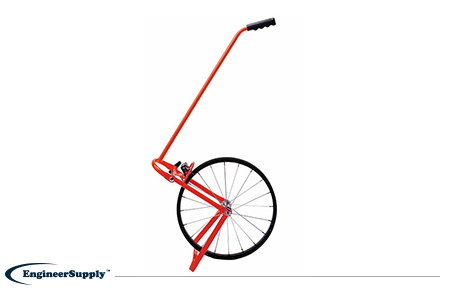
Credit: www.engineersupply.com
Frequently Asked Questions
What Is A Measuring Wheel Used For?
A measuring wheel is used to measure distances quickly. It is ideal for outdoor terrains and large areas. Professionals use it for construction, landscaping, and surveying tasks. It offers an efficient alternative to tape measures.
How Do You Operate A Measuring Wheel?
To operate, place the wheel at the starting point. Walk steadily along the path to be measured. The wheel’s rotations count the distance traveled. Read the measurement on the attached counter to get the result.
What Surfaces Can A Measuring Wheel Measure Accurately?
Measuring wheels work best on firm, flat surfaces like pavement and concrete. They can handle grass, dirt, and gravel but may be less precise. Avoid very rough or uneven terrain for accurate results.
How Do I Maintain My Measuring Wheel?
Keep the wheel clean and free of debris after use. Store it in a dry place to avoid rust or damage. Check the counter regularly to ensure it resets properly. Lubricate moving parts if necessary.
Conclusion
Using a measuring wheel simplifies distance measurement. It’s a handy tool for various projects. You can measure land, track distances, or plan layouts. Remember to read the wheel’s display carefully. Check the wheel’s calibration for accuracy. Practice using it in different terrains.
This ensures better results. Handling it with care extends its lifespan. Consider the environment where you measure. Uneven surfaces can affect readings. With practice, using a measuring wheel becomes easy. Whether for personal or professional use, it’s a valuable tool.
Now you’re ready to measure efficiently. Enjoy the process and the precision it brings.