Are you looking to master the art of making precise angled cuts in wood? Whether you’re a DIY enthusiast or a seasoned woodworker, using a miter saw can be your game-changer.
Imagine creating beautifully crafted furniture pieces or perfecting those home improvement projects with ease. This guide is designed with you in mind, transforming the daunting task of angled wood cuts into a simple, step-by-step process. You’ll discover how to unleash the full potential of a miter saw, ensuring accuracy and efficiency in every cut.
Ready to elevate your woodworking skills and achieve professional-grade results? Dive into this guide and unlock the secrets to seamless angled cuts.
Choosing The Right Miter Saw
Choosing a miter saw is important for making angled wood cuts. The right saw helps you work faster and more safely. There are different types and features to consider before buying.
This guide will explain key points about types of miter saws, important features, and safety essentials. Knowing these will help you pick the best saw for your projects.
Types Of Miter Saws
Miter saws come in three main types. Each fits different needs and budgets. Choose one based on the cuts you want to make and how often you will use it.
- Standard Miter Saw:Cuts at various angles on a flat surface. Good for basic angled cuts.
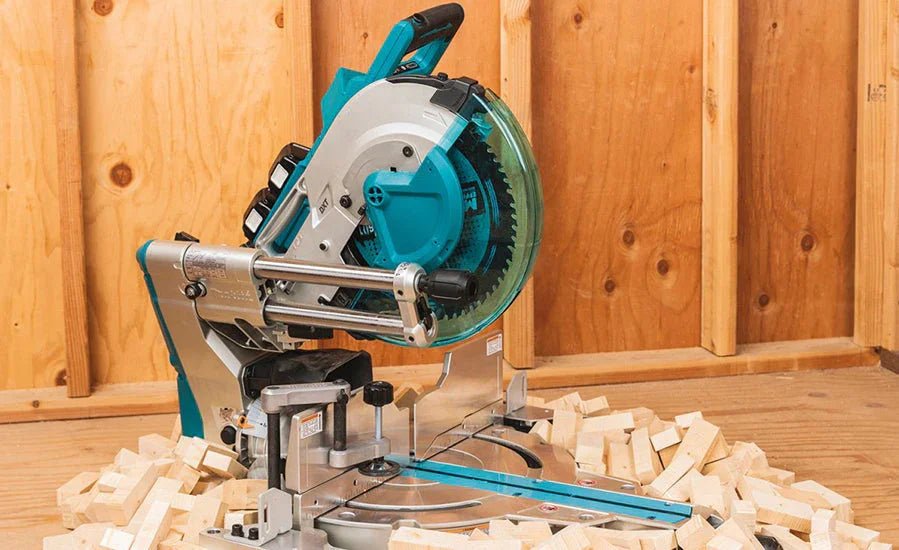
- Compound Miter Saw:Tilts to cut bevels and miter angles. Useful for crown molding and frames.
- Sliding Compound Miter Saw:Has sliding arms to cut wider boards. Best for bigger projects and thicker wood.
Key Features To Consider
| Feature | Why It Matters |
| Blade Size | Bigger blades cut thicker wood and wider boards. |
| Bevel Capacity | Allows angled cuts on the blade’s edge for complex joints. |
| Cutting Range | Determines the maximum width and thickness of wood you can cut. |
| Laser Guide | Helps you line up cuts more precisely. |
| Dust Collection | Keeps the work area cleaner and safer. |
Safety Essentials
Safety is key when using a miter saw. Follow these rules to avoid accidents and injuries.
- Always wear safety glasses and ear protection.
- Keep your hands away from the blade while cutting.
- Use clamps to hold wood firmly in place.
- Wait for the blade to stop before moving the wood or saw.
- Check the saw and blade for damage before use.
Credit: www.weekand.com
Setting Up Your Miter Saw
Setting up your miter saw correctly is important for safe and accurate cuts. This guide will help you prepare your workspace and adjust the saw.
Follow these steps to get your miter saw ready for angled wood cuts. Proper setup makes your work easier and more precise.
Workspace Preparation
Clear the area where you will use the miter saw. Make sure there is enough space to move wood pieces freely.
Check the surface where the saw sits. It must be stable and level to keep the saw steady while cutting.
- Remove clutter and obstacles
- Use a strong, flat table or stand
- Ensure good lighting in the workspace
- Keep safety gear within reach
Installing The Blade
Turn off and unplug the miter saw before changing the blade. This prevents accidents during installation.
Use the correct blade for your wood type and cutting needs. Follow the saw’s manual to fit the blade properly.
- Loosen the blade bolt with the wrench
- Remove the old blade carefully
- Place the new blade with teeth facing forward
- Tighten the bolt securely
Adjusting The Fence And Bevel
The fence holds the wood steady during cuts. Make sure it is straight and tight against the base.
Adjust the bevel angle to cut wood at the desired tilt. Most miter saws have a knob or lever for this.
- Check that the fence is square to the blade
- Use a square tool for accuracy
- Set the bevel angle by loosening the adjustment lever
- Tighten the lever after setting the angle
Measuring And Marking Angles
Cutting wood at precise angles is key for clean, professional results. Measuring and marking angles correctly helps you avoid mistakes.
This guide explains how to measure and mark angles for angled wood cuts using a miter saw.
Tools For Accurate Measurements
Using the right tools makes measuring angles easier and more accurate. These tools help you get exact cuts every time.
- Protractor: Measures angles precisely
- Combination square: Checks right angles and marks lines
- Speed square: Quick angle layout and marking
- Bevel gauge: Adjusts and transfers angles
- Tape measure: Measures length and distances
Common Angle Types
Knowing common angle types helps you prepare for typical cuts. Some angles are used often in woodworking projects.
- 45 degrees: Used for corners and frames
- 90 degrees: Standard right angle
- 30 degrees: Often used for trim and molding
- 60 degrees: Used for creating hexagonal shapes
- 22.5 degrees: Common in crown molding cuts
Transferring Angles To Wood
After measuring, you must mark the angle on the wood clearly. Accurate marking guides your saw for a clean cut.
Use a pencil and your measuring tools to draw the angle on the wood’s surface. Double-check your marks before cutting.
- Place the wood on a flat surface
- Use a protractor or bevel gauge to set the angle
- Mark the angle line clearly with a pencil
- Check the angle with a square before cutting
Credit: engineerwarehouse.com
Making Angled Cuts
Using a miter saw for angled wood cuts requires careful setup and steady hands. Correct cuts help your projects look clean and fit well.
This guide covers how to adjust your saw, cut precisely, and handle different wood types for the best results.
Adjusting The Saw Angle
Set the saw angle before cutting to match your project needs. Most miter saws have a clear angle scale on the base.
- Unlock the angle lock lever.
- Turn the saw table to the desired angle.
- Lock the lever to secure the angle.
- Check the angle with a protractor if needed.
Cutting Techniques For Precision
Cutting wood at an angle needs steady control and the right approach. Follow these tips for clean cuts every time.
- Place the wood firmly against the fence.
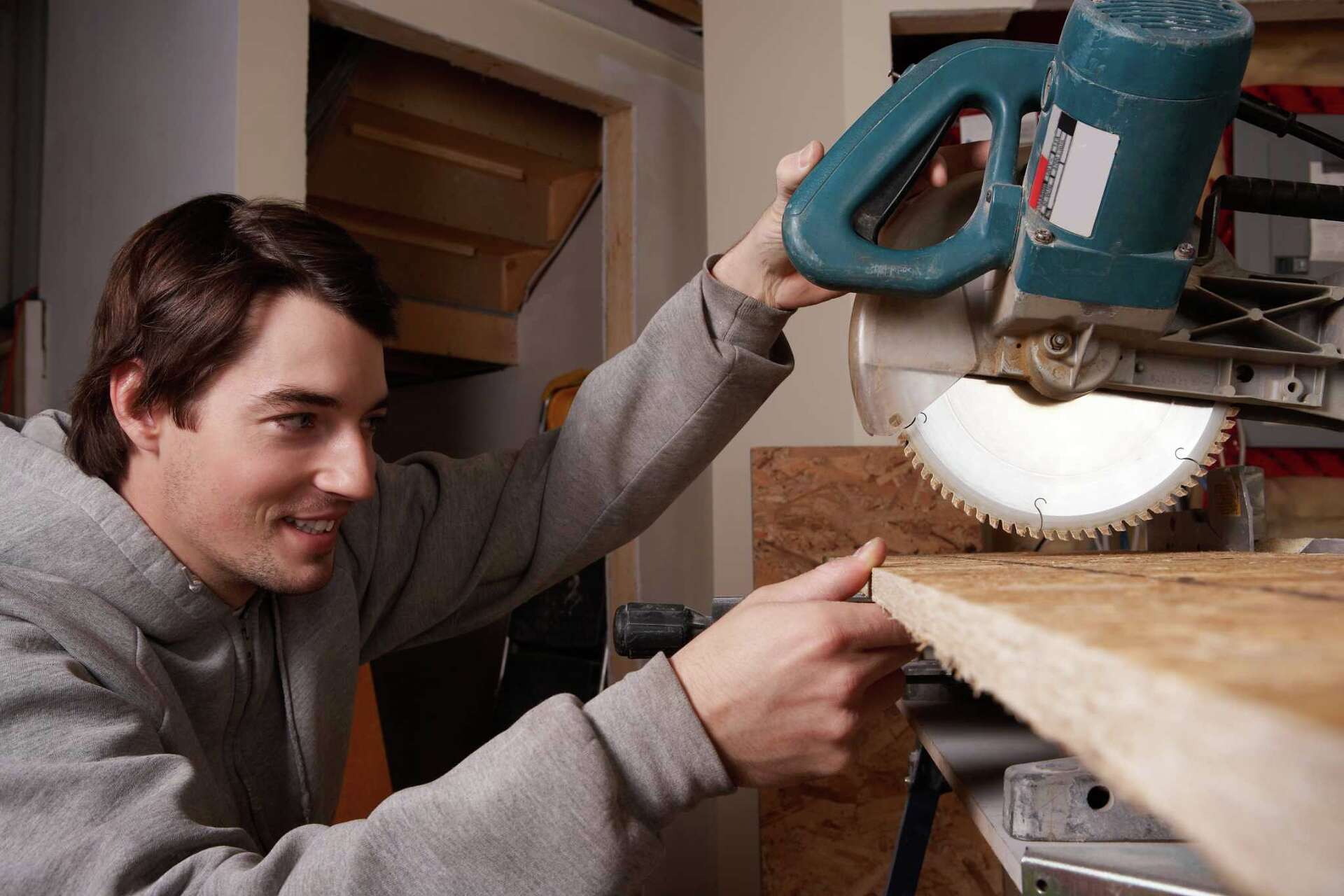
- Hold the wood with your non-cutting hand, away from the blade.
- Start the saw before the blade touches the wood.
- Cut slowly and steadily through the wood.
- Turn off the saw and wait for the blade to stop before removing the wood.
Handling Different Wood Types
Different woods cut differently. Softwoods are easier to cut, but hardwoods need more care and sharper blades.
| Wood Type | Blade Type | Cutting Speed | Tip |
|---|---|---|---|
| Softwood | Standard blade | Medium speed | Hold wood firmly to avoid movement |
| Hardwood | Fine-tooth blade | Slow speed | Use sharp blades to prevent burning |
| Plywood | Triple-chip blade | Medium speed | Support wood to avoid splintering |
Troubleshooting Common Issues
Using a miter saw for angled wood cuts can be tricky. Some problems can slow your work or cause unsafe conditions.
This guide covers common issues and how to fix them. You will learn tips to avoid binding, fix inaccurate cuts, and keep your blade in top shape.
Avoiding Binding And Kickback
Binding happens when the blade gets stuck in the wood. Kickback is a sudden push back of the saw, which can be dangerous. These problems happen often with angled cuts.
- Check the wood for nails or knots before cutting.
- Use a sharp blade made for the wood type.
- Keep the saw’s fence tight to hold the wood firmly.
- Cut slowly and do not force the blade through the wood.
- Support long pieces of wood to keep them stable.
Dealing With Inaccurate Cuts
Inaccurate cuts happen if the saw is not set up correctly or the wood moves during cutting. This affects the fit and finish of your project.
| Cause | Fix |
| Wrong angle setting | Use the saw’s angle guide and double-check before cutting |
| Loose fence or base | Tighten all screws and clamps securely |
| Wood not held firmly | Use clamps or hold the wood with both hands |
| Dull blade | Replace or sharpen the blade |
Blade Maintenance Tips
Keeping your blade clean and sharp makes cutting easier and safer. Poor blade care leads to rough cuts and more binding.
- Clean resin and pitch buildup with a blade cleaner.
- Check teeth for damage or dullness regularly.
- Sharpen or replace the blade when needed.
- Store the blade in a dry place to prevent rust.
- Use the right blade type for the material you cut.
Credit: www.woodworkingtalk.com
Advanced Tips For Expert Cuts
Using a miter saw for angled wood cuts requires skill and precision. These advanced tips help you get cleaner and more accurate results on complex projects.
Focus on how to handle compound angles, repetitive cuts, and combining cuts for joints. Each technique improves your woodworking quality.
Compound And Dual-bevel Cuts
Compound cuts involve tilting the blade and rotating the base to cut angles on two planes. Dual-bevel saws let you tilt the blade both left and right without flipping the workpiece.
These cuts are common for crown molding and complex trim work. Set your angles carefully and make test cuts to check fit before final cutting.
Using Stop Blocks For Repetitive Cuts
Stop blocks allow you to make multiple cuts of the same length quickly and accurately. Attach a block to the saw fence or base to mark the cutoff point.
- Measure and mark the first piece carefully.
- Clamp the stop block firmly in place.
- Make each cut against the block to ensure uniform lengths.
- Check the block position regularly for any shifts.
Combining Miter Cuts For Complex Joints
Complex joints often need several miter cuts combined. For example, a box frame may require precise corner angles and matching end cuts.
| Joint Type | Common Angles | Tips |
| Picture Frame | 45° miters | Use a square stop block for repeat cuts |
| Crown Molding | Compound angles | Test cuts before final trimming |
| Box Joint | 45° or custom angles | Check angles with a protractor |
Frequently Asked Questions
How Do I Set The Angle On A Miter Saw?
To set the angle, unlock the miter gauge and rotate it to your desired degree. Lock it in place securely before cutting.
What Safety Tips Should I Follow With A Miter Saw?
Always wear eye protection and keep hands clear of the blade. Use clamps to secure wood and avoid loose clothing near the saw.
Can I Cut Bevel Angles With A Miter Saw?
Yes, most miter saws have a bevel feature. Tilt the blade to the needed bevel angle for precise angled cuts.
What Wood Types Work Best For Angled Cuts?
Softwoods like pine and hardwoods like oak both work well. Ensure the wood is stable and free from knots for clean cuts.
Conclusion
Using a miter saw for angled wood cuts is simple with practice. Always measure twice and cut once for accuracy. Keep your saw clean and check the blade often. Safety matters—wear goggles and keep hands clear. Angled cuts improve your woodworking projects’ look and fit.
Try different angles to see what works best. With time, you will gain confidence and skill. Enjoy creating strong, precise pieces every time you cut.