
Are you ready to take your DIY woodworking projects to the next level? Imagine crafting precise, clean cuts every time, giving your pieces a professional finish.
That’s the magic of mastering a miter saw. This tool isn’t just for the experts; with the right guidance, you can unlock its full potential and transform your woodworking skills. In this guide, you’ll discover everything you need to know to confidently use a miter saw for your projects.
Whether you’re building a simple frame or an intricate piece of furniture, understanding this tool can make all the difference. Stay with us, and soon you’ll be cutting like a pro, turning your creative visions into reality with ease and precision.
Choosing The Right Miter Saw
A miter saw is a useful tool for woodworking projects. It helps you cut wood at precise angles. Picking the right miter saw is important for good results and safety.
There are many types of miter saws. You also need to think about the blade, power, and size. These factors affect how well the saw works for your needs.
Types Of Miter Saws
Miter saws come in different styles. Each style suits different tasks and budgets. Knowing the types helps you pick the best one.
- Standard Miter Saw:Cuts wood at various angles. Good for simple projects.
- Compound Miter Saw:Can tilt and rotate. Useful for angled cuts and bevels.
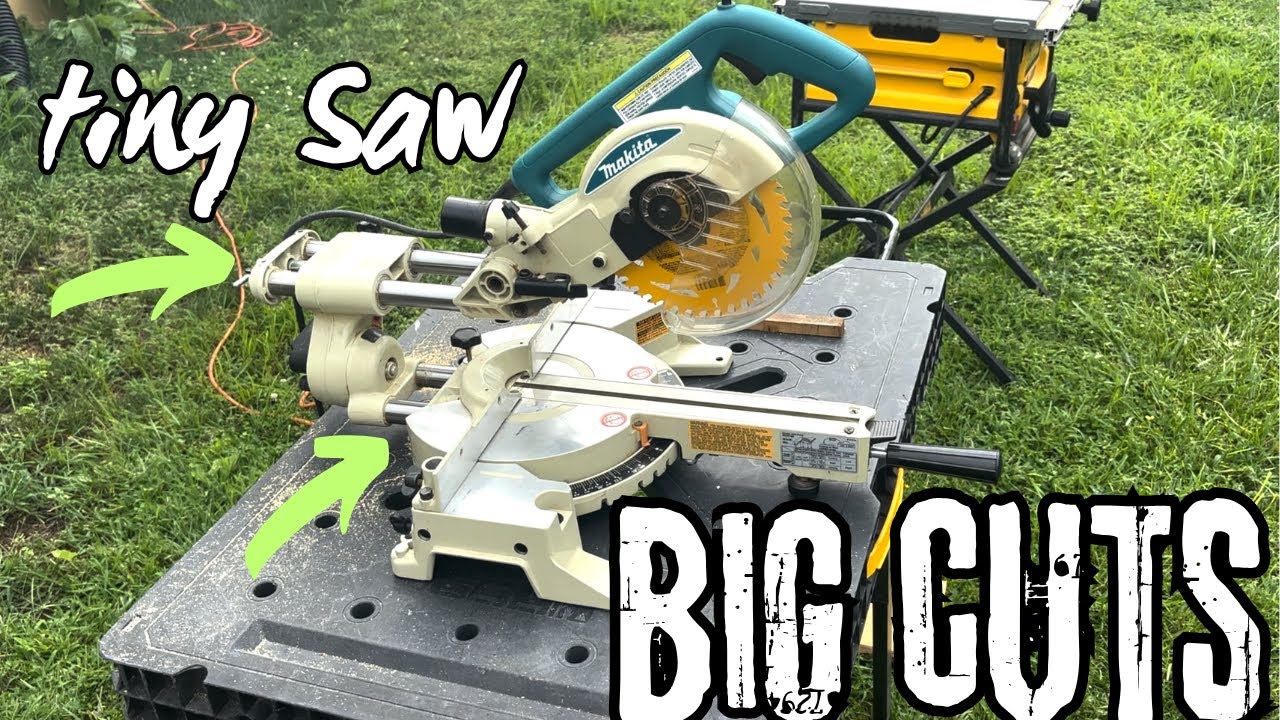
- Sliding Compound Miter Saw:Has a sliding arm. Allows cutting wider pieces of wood.
- Dual-Bevel Miter Saw:Tilts both left and right. Saves time on complex cuts.
Blade Selection
The blade affects how clean and fast your cuts are. Choose a blade based on the wood type and cut quality you want.
- Teeth Count:More teeth give smoother cuts but are slower.
- Blade Diameter:Common sizes are 8, 10, or 12 inches. Larger blades cut thicker wood.
- Material:Carbide-tipped blades last longer and cut better.
- Blade Type:Choose blades made for crosscuts or ripping depending on your project.
Power And Size Considerations
Power and size affect what wood you can cut and how easy the saw is to use. Think about your workspace and project needs.
- Motor Power:Higher amps mean more cutting power for hard or thick wood.
- Saw Size:Larger saws handle bigger wood but take more space.
- Portability:Smaller, lighter saws are easier to move but may cut less.
- Workspace Size:Choose a saw that fits comfortably in your work area.
Setting Up Your Workspace
Using a miter saw safely starts with a good workspace setup. A clean and organized area helps you work better.
This guide covers key parts of your workspace like safety, workbench, and lighting. These help you stay safe and work well.
Safety Precautions
Safety is the most important part of using a miter saw. Always wear safety glasses to protect your eyes.
Keep your hands away from the blade and use clamps to hold wood. Wear hearing protection if the saw is loud.
- Wear safety glasses and hearing protection
- Keep hands clear of the blade
- Use clamps to hold workpieces
- Wear a dust mask if needed
- Keep the area free of clutter
Workbench And Clamps
Use a strong workbench to support your miter saw and wood pieces. The bench should be steady and at a good height.
Clamps help hold wood steady so your cuts are accurate. Use clamps that fit your workbench and wood size.
- Choose a solid, stable workbench
- Set the bench at waist height
- Use clamps to secure wood firmly
- Check clamps before each cut
Lighting And Ventilation
Good lighting helps you see cut lines clearly. Use bright, even light above your work area.
Ventilation reduces dust and fumes. Work near a window or use a fan to keep air moving.
- Use bright lights over the saw
- Avoid shadows on the work surface
- Work in a well-ventilated area
- Use a dust collection system if possible
Basic Miter Saw Operations
A miter saw is a useful tool for cutting wood at different angles. It helps in making precise cuts for your woodworking projects. Learning how to operate it safely is important for good results.
This guide covers how to adjust angles and make straight, miter, and bevel cuts. These skills will help you handle most basic woodworking tasks with a miter saw.
Adjusting The Angle
Adjusting the angle on your miter saw lets you cut wood at different directions. Use the angle scale on the saw to set the angle you need. Lock the saw in place before cutting.
Most miter saws have a handle or knob to release the angle lock. Move the saw arm to the desired angle, then secure it. Check the angle twice to ensure accuracy.
Making Straight Cuts
Straight cuts are the simplest cuts with a miter saw. Keep the saw blade perpendicular to the wood to get a clean, straight edge. Use the fence to hold the wood steady.
- Place the wood against the fence firmly
- Align the blade with your cut mark
- Hold the wood with your hand away from the blade
- Turn on the saw and lower the blade slowly
- Release the trigger and lift the blade after the cut
Making Miter Cuts
Miter cuts are angled cuts across the face of the wood. These cuts are useful for frames and corners. Set the saw to the correct miter angle before cutting.
| Angle Setting | Use |
|---|---|
| 45° | Picture frames, corners |
| 30° | Trim and molding |
| 60° | Special angles for projects |
Making Bevel Cuts
Bevel cuts tilt the blade to cut the edge of the wood at an angle. Adjust the bevel angle on the saw’s base. This cut is great for joining wood at different angles.
Basic tips for bevel cuts:
- Unlock the bevel adjustment lever
- Tilt the saw blade to the desired angle
- Lock the bevel lever tightly
- Support the wood firmly
- Make the cut slowly and steadily

Credit: www.youtube.com
Advanced Cutting Techniques
Using a miter saw can help you make precise cuts for woodworking projects. Advanced techniques improve your work quality and save time.
This guide covers compound cuts, cutting crown molding, and cutting repetitive pieces with a miter saw.
Compound Cuts
Compound cuts combine bevel and miter angles. They are used for angled joints on complex projects.
Set the miter saw to the correct miter angle first. Then tilt the blade to the bevel angle. Cut slowly and check the angles often.
- Use a protractor to measure angles on your project.
- Practice on scrap wood before cutting your final piece.
- Double-check measurements to avoid mistakes.
Cutting Crown Molding
Crown molding requires special cuts because it sits at an angle on walls and ceilings. Position the molding upside down on the saw.
Adjust the saw to the correct compound angle. This angle depends on the molding’s spring angle and the corner type.
- Use the molding’s spring angle to set the bevel.
- Set the miter angle to match your corner (inside or outside).
- Test cuts on scrap pieces to check fit.
Cutting Repetitive Pieces
Cutting many pieces the same length saves time and ensures uniformity. Use a stop block clamped to the saw fence.
Place the stop block at the exact length needed. Slide each piece against it before cutting to keep sizes consistent.
- Measure and mark the first piece carefully.
- Clamp the stop block firmly to avoid movement.
- Check cut lengths regularly during the process.
Maintenance And Troubleshooting
Using a miter saw often needs care to keep it safe and working well. Regular checks help avoid problems during your woodworking projects.
This guide covers basic maintenance and how to fix common issues with your miter saw. Follow these tips to keep your tool in good shape.
Blade Care And Replacement
Keep your blade clean and sharp for smooth cuts. Check it often for damage or dullness that can cause poor cuts or accidents.
Replace the blade if you see cracks, missing teeth, or if it no longer cuts well. Always use the right blade for your saw and material.
- Clean the blade with a brush and mild cleaner
- Check for bent or missing teeth before each use
- Use a blade wrench to safely remove and install blades
- Choose blades designed for your specific saw model
Motor And Mechanical Checks
Inspect the motor and moving parts regularly. Dust and debris can cause the motor to run poorly or overheat.
Lubricate the pivot points and clean vents to keep the motor cool. Tighten any loose screws or bolts to avoid vibration and noise.
- Clear sawdust from motor vents and moving parts
- Oil pivot points with light machine oil
- Tighten loose screws on the saw arm and base
- Check power cord for cuts or damage
Common Issues And Fixes
Some problems happen often with miter saws. Knowing how to fix them saves time and keeps work safe.
Listen for strange sounds, watch for poor cuts, and check safety features regularly. Fix small problems before they get worse.
- Saw won’t start: check power source and switch
- Blade won’t spin: inspect motor brushes and belt
- Cut angle is off: recalibrate the angle gauge
- Excessive vibration: tighten all screws and replace worn parts
- Blade binds in wood: use sharp blades and correct feed rate
Safety Tips For Effective Use
Using a miter saw can make woodworking easier and more precise. Safety is very important to avoid injuries.
Follow these safety tips to protect yourself and work well with your miter saw.
Proper Handling And Posture
Stand firmly with your feet apart to keep balance. Hold the saw handle with a steady grip.
Keep your hands away from the blade at all times. Use clamps to hold the wood instead of your hands.
- Stand straight and avoid leaning over the saw
- Keep elbows bent but steady
- Do not reach past the blade
- Use both hands to control the saw
Using Safety Gear
Wear protective gear every time you use a miter saw. This gear helps stop accidents and injuries.
Always use safety glasses to protect your eyes from dust and flying pieces of wood.
- Safety glasses or goggles
- Hearing protection like earplugs or earmuffs
- Dust mask to avoid breathing sawdust
- Gloves that allow good grip without blocking feeling
Avoiding Common Accidents
Many accidents happen because of rushing or not paying attention. Take your time and focus on your work.
Keep the work area clean and free from clutter. Make sure the saw is off before adjusting or moving the wood.
- Check the blade guard is working before use
- Keep fingers at least 6 inches away from the blade
- Do not force the saw through wood
- Turn off and unplug the saw when changing blades
Project Ideas For Practice
Using a miter saw is great for many woodworking projects. It helps make accurate cuts at different angles.
Try these projects to improve your skills and gain confidence with your miter saw.
Simple Woodworking Projects
Start with easy projects to practice straight and angled cuts. These projects build your cutting skills.
- Picture frames with mitered corners
- Basic wooden shelves
- Small wooden boxes
- Coasters made from wood pieces
Furniture Components
Use your miter saw to cut parts for furniture. Accurate angles make the pieces fit well together.
Practice cutting legs, rails, and supports for chairs or tables.
- Table legs with angled cuts
- Chair rails and stretchers
- Cabinet door frames
- Bed frame components
Decorative Woodwork
Try decorative pieces to improve precision and creativity. Miter saws help make clean cuts for trim and molding.
Work on crown molding, picture frame trim, or wooden wall art.
- Crown molding for room corners
- Decorative picture frame edges
- Wooden wall panel designs
- Trim for doors and windows
Credit: www.youtube.com

Credit: www.familyhandyman.com
Frequently Asked Questions
What Safety Gear Is Essential When Using A Miter Saw?
Always wear safety goggles, ear protection, and a dust mask. Use gloves for better grip and avoid loose clothing to prevent accidents.
How Do I Choose The Right Blade For My Miter Saw?
Select a blade based on the wood type and cut style. Finer teeth blades suit hardwood and precise cuts, while fewer teeth are better for rough cuts.
Can Beginners Easily Learn To Use A Miter Saw?
Yes, beginners can learn quickly by following safety tips and practicing basic cuts. Start with simple 90-degree cuts before advancing to angled cuts.
What Maintenance Keeps A Miter Saw In Top Condition?
Regularly clean sawdust, check blade sharpness, and lubricate moving parts. Tighten screws and inspect the power cord for safe operation.
Conclusion
Using a miter saw makes woodworking tasks easier and more precise. Always follow safety steps to protect yourself. Practice cutting different angles to build confidence. Keep your saw clean and well-maintained for best results. With patience and care, your DIY projects will look great.
Enjoy creating wood pieces with neat, accurate cuts every time. A miter saw is a useful tool for many home projects. Try new cuts and designs as you improve your skills.