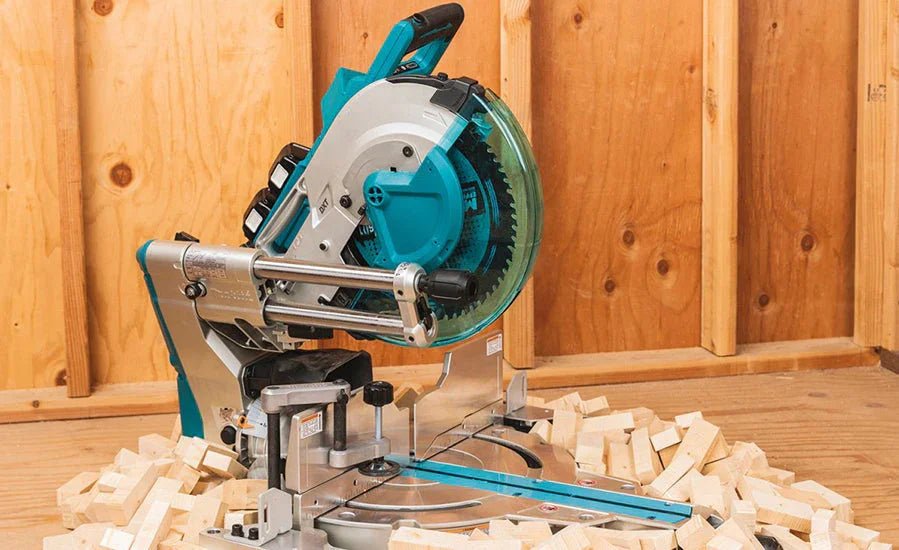
Are you looking to elevate your woodworking projects to a professional level? The miter saw could be your new best friend.
This powerful tool is essential for making precise cuts with ease, and it can transform the way you approach your DIY tasks. Imagine crafting perfect angles and seamless joints, all with a tool that you can master quickly. Whether you’re a seasoned woodworker or a beginner eager to learn, this guide will walk you through everything you need to know about using a miter saw.
From safety tips to step-by-step instructions, you’ll gain the confidence to tackle your next project with precision and flair. Keep reading to discover how this tool can revolutionize your woodworking skills.

Credit: benchmarkabrasives.com
Choosing The Right Miter Saw
Picking the right miter saw is key for woodworking projects. The right tool helps you make clean, accurate cuts.
Learn about types of miter saws, blade choices, and safety features. This will help you find the best saw for your needs.
Types Of Miter Saws
Miter saws come in different styles. Each type serves a special purpose for cutting wood.
- Basic Miter Saw:Cuts angles left and right. Good for simple projects.
- Compound Miter Saw:Tilts to cut angles on edges. Useful for crown molding.
- Sliding Compound Miter Saw:Has a sliding arm. It cuts wider boards easily.
Blade Selection
Choosing the right blade affects cut quality. Blades vary by size, teeth, and material.
- Blade Size:Common sizes are 8, 10, or 12 inches. Bigger blades cut thicker wood.
- Tooth Count:More teeth give smoother cuts. Fewer teeth cut faster but rougher.
- Blade Material:Carbide-tipped blades last longer and cut well.
Safety Features To Look For
Safety is important when using a miter saw. Look for features that protect you during work.
- Blade Guard:Covers the blade when not cutting. Keeps fingers safe.
- Electric Brake:Stops the blade quickly after you release the trigger.
- Fence and Clamps:Hold wood steady to avoid slips and mistakes.
- Safety Switch:Prevents accidental starts of the saw.

Credit: www.findbuytool.com
Setting Up Your Miter Saw
Setting up your miter saw correctly is important for safe and accurate cuts. A proper setup helps you work faster and avoid mistakes.
This guide covers how to prepare your workstation, position the saw, and install the blade properly.
Workstation Preparation
Start by choosing a flat and stable surface for your miter saw. Make sure the area is clean and free of clutter.
Good lighting helps you see your measurements and cuts clearly. Keep your workspace well-lit and organized.
- Clear the table or stand where the saw will sit
- Ensure there is enough space for long pieces of wood
- Have clamps or supports ready to hold wood steady
- Keep safety gear nearby, like goggles and ear protection
Proper Saw Positioning
Place the miter saw on the workstation so it does not wobble. Use clamps or non-slip pads to keep it steady.
Position the saw so the blade is easy to reach and the fence is straight. This setup helps you make precise cuts safely.
- Keep the saw at a comfortable height for cutting
- Ensure the saw’s back is against a wall or support
- Check that the saw can rotate fully without obstruction
- Leave space on both sides for cutting longer wood pieces
Blade Installation And Adjustment
Before using the saw, install the correct blade for your project. Make sure the blade teeth point in the right direction.
Adjust the blade depth so it cuts through the wood cleanly without cutting too deep. Tighten all screws securely after installing the blade.
- Unplug the saw before changing the blade
- Use the correct wrench to loosen and tighten the blade bolt
- Check the blade guard moves freely and covers the blade
- Test the blade rotation by manually spinning it before use
Basic Cutting Techniques
Using a miter saw is essential for woodworking projects. It helps you make clean, accurate cuts quickly.
This guide covers basic cutting techniques to improve your skills. You will learn how to make straight, miter, and bevel cuts.
Making Straight Cuts
Straight cuts are the most common type of cut. They are used to cut wood to length or width.
To make a straight cut, place the wood flat on the saw base. Align the blade with your cut line. Keep the wood steady and lower the blade slowly.
Executing Miter Cuts
Miter cuts angle the wood across its width. They help create corners for frames and boxes.
Adjust the saw’s angle to the desired degree. Usually, 45 degrees is common for corners. Hold the wood firmly and cut along the angle.
- Set the saw to the correct angle
- Mark your cut line clearly
- Hold the wood steady
- Lower the blade slowly through the wood
Bevel Cuts Explained
Bevel cuts tilt the blade to cut wood edges at an angle. These cuts add style or help join pieces smoothly.
To make a bevel cut, adjust the saw blade tilt, usually up to 45 degrees. Keep the wood steady and lower the blade carefully.
- Set the bevel angle on the saw
- Secure the wood firmly
- Lower the blade slowly and smoothly
- Check the cut angle after cutting
Advanced Cutting Tips
Using a miter saw for woodworking can be simple. Advanced tips help you cut complex shapes and save time. These tips improve your accuracy and safety.
Learn how to make compound cuts, cut crown molding, and use stop blocks. These skills make your projects look professional and fit better.
Compound Cuts
Compound cuts combine miter and bevel cuts. They are useful for angled joints like picture frames and trim. Adjust the saw’s angle and tilt to make these cuts.
Set the miter angle for the horizontal turn. Then set the bevel angle for the tilt. Make a test cut on scrap wood to check the fit before cutting your project piece.
Cutting Crown Molding
Crown molding sits at an angle on walls and ceilings. To cut it right, place the molding upside down on the saw. This matches the angle on your wall.
Use compound miter settings to match the molding’s angle. Take your time and check the fit before making final cuts. This prevents mistakes and waste.
- Place molding upside down and backwards on the saw
- Adjust bevel and miter angles according to molding profile
- Cut slowly and test fit pieces carefully
Using Stop Blocks For Repeated Cuts
Stop blocks help you make many cuts of the same length. Attach a block to your saw’s fence. This stops the wood at the right spot every time.
This saves time and ensures all pieces are equal. Clamp the stop block tight so it does not move during cutting.
- Measure the length needed for your cut
- Clamp a wooden block to the fence at this length
- Slide each workpiece against the stop block before cutting
- Check the stop block position regularly for accuracy
Safety Practices
Using a miter saw can be safe if you follow the right steps. Safety helps prevent accidents and injuries.
Always pay close attention and use safety tools. This guide covers key safety practices for woodworking.
Protective Gear
Wear protective gear before starting your miter saw. It protects your body from dust and sharp debris.
- Safety glasses shield your eyes from flying wood chips.
- Hearing protection reduces noise damage from the saw.
- Dust masks prevent inhaling harmful sawdust.
- Gloves protect hands but use only when safe for operation.
- Wear sturdy clothing and avoid loose items that can get caught.
Safe Handling And Operation
Handle the miter saw carefully. Keep your hands away from the blade and cutting area.
Make sure the workpiece is stable and secured before cutting. Never force the blade through the wood.
- Check the blade guard is working and never remove it.
- Use clamps to hold small or thin pieces firmly.
- Stand to the side of the blade path to avoid kickback.
- Wait for the blade to stop completely before moving the wood.
- Disconnect power before adjusting or changing the blade.
Maintenance And Blade Care
Keep the miter saw clean and well-maintained. A sharp blade cuts better and is safer to use.
Regularly check the blade for damage or dullness. Replace blades that are worn or chipped.
- Clean dust and debris from the saw after each use.
- Lubricate moving parts as recommended by the manufacturer.
- Tighten screws and bolts to keep parts secure.
- Store the saw in a dry place to avoid rust.
- Use the correct blade type for your woodworking project.
Troubleshooting Common Issues
Using a miter saw can be easy, but sometimes problems happen. Knowing how to fix common issues saves time and wood.
This guide helps you solve three common problems: inaccurate cuts, blade binding, and saw motor problems.
Inaccurate Cuts
Inaccurate cuts happen if the saw is not set up right. The blade or fence might be off, or the material may move during cutting.
Check if the saw blade is aligned with the fence and the miter angle. Tighten any loose parts to keep the saw steady.
- Make sure the blade is clean and sharp
- Secure the workpiece firmly against the fence
- Use a square to check blade alignment
- Calibrate the miter and bevel angles regularly
Blade Binding
Blade binding happens when the blade gets stuck in the wood. This can cause rough cuts and strain the motor.
Wood may pinch the blade if it is not supported well or if the blade is dull. Also, cutting warped wood can cause binding.
- Use a sharp blade made for the wood type
- Support long pieces of wood properly
- Cut slow and steady to avoid pinching
- Check for warped wood and avoid cutting it
Saw Motor Problems
Saw motor problems may cause the saw to run slow or stop suddenly. This can happen from overheating or electrical faults.
Keep the saw clean and do not push it too hard. Check the power cord and switch for damage before use.
- Allow the motor to cool if it overheats
- Inspect power cords for cuts or frays
- Do not force the saw through thick wood
- Have a professional check electrical parts if needed
Project Ideas To Try
A miter saw is a useful tool for many woodworking projects. It helps you make clean, angled cuts. This guide shares project ideas where a miter saw shines.
These projects include making picture frames, building furniture parts, and creating custom trim work. Each idea uses precise cuts for a great finish.
Picture Frames
Picture frames need accurate 45-degree cuts for the corners. A miter saw makes these cuts easy and consistent. You can create frames in different sizes and styles.
- Simple wooden frames for photos or art
- Decorative frames with layered molding
- Shadow box frames for small objects
- Custom-sized frames for mirrors or posters
Furniture Components
Many furniture parts require angled cuts. Use the miter saw to cut legs, rails, and supports. This helps build chairs, tables, and cabinets with strong joints.
| Furniture Part | Common Angle | Purpose |
| Table Legs | 5 degrees | Stylish taper |
| Chair Rails | 45 degrees | Join corners |
| Cabinet Trim | 22.5 degrees | Decorative edge |
Custom Trim Work
Trim adds style to walls and ceilings. A miter saw cuts crown molding and baseboards to fit corners perfectly. You can create clean joints and unique patterns.
Try these trim work ideas:
- Install crown molding with precise corner cuts
- Create baseboards with matching angles
- Design picture rails or chair rails
- Make custom window and door casings

Credit: www.youtube.com
Frequently Asked Questions
What Safety Gear Is Essential When Using A Miter Saw?
Always wear safety glasses and hearing protection when operating a miter saw. Use a dust mask to avoid inhaling sawdust. Keep hands clear of the blade and use clamps to secure the wood. Proper safety gear prevents injuries and ensures a safe woodworking experience.
How Do I Make Accurate Cuts With A Miter Saw?
Measure twice and mark your cut line clearly before cutting. Align the blade with the mark carefully. Use the miter and bevel adjustments for angled cuts. Hold the wood firmly against the fence to prevent movement during cutting. Precision ensures clean, accurate cuts.
What Types Of Cuts Can A Miter Saw Perform?
A miter saw can make crosscuts, miter cuts, bevel cuts, and compound cuts. Crosscuts cut wood perpendicular to the grain. Miter cuts are angled cuts across the width. Bevel cuts tilt the blade for angled edges. Compound cuts combine miter and bevel angles.
How Do I Maintain My Miter Saw For Longevity?
Keep the blade clean and sharp for smooth cuts. Regularly check and tighten all screws and bolts. Lubricate moving parts as per the manufacturer’s instructions. Store the saw in a dry place to prevent rust. Proper maintenance extends the tool’s life.
Conclusion
Using a miter saw makes woodworking projects easier and more precise. Always follow safety steps to protect yourself. Practice cutting different angles to gain confidence. Keep your saw clean and well-maintained for best results. With time, your skills will improve naturally.
Enjoy creating your woodwork with neat, accurate cuts. Small projects can lead to bigger successes. Stay patient and keep learning each day. Your woodworking journey just got a helpful tool. Ready to cut and build with ease?