
Are you tired of rough, uneven pipe edges that make your plumbing projects harder than they should be? Using a pipe deburring tool can save you time and frustration by giving your pipes a smooth finish every time.
Whether you’re a DIY enthusiast or a professional, mastering this simple tool will make your work cleaner, safer, and more efficient. Keep reading to discover how you can easily use a pipe deburring tool and take your skills to the next level.
Why Deburring Matters
Deburring is the process of removing rough edges from pipes. This small step makes a big difference in plumbing and piping work. It helps pipes fit better and keeps systems running smoothly.
Using a pipe deburring tool ensures pipes are safe to handle and connect. It also improves the overall quality of any piping project.
Safety Benefits
Removing burrs from pipes reduces sharp edges that can cause cuts. It also prevents injury during installation and maintenance. Clean pipe edges protect workers and users.
- Prevents hand injuries
- Reduces risk of pipe damage
- Improves handling safety
Improved Pipe Fit
Deburring clears the pipe ends so they fit together smoothly. This makes joining pipes easier and more accurate. Proper fit lowers chances of leaks and weak joints.
| Without Deburring | With Deburring |
|---|---|
| Rough pipe edges | Smooth pipe edges |
| Hard to connect pipes | Easier pipe connections |
| Higher leak risk | Lower leak risk |
Enhanced System Performance
Burrs inside pipes block flow and cause pressure drops. Removing them improves water or gas flow. This helps systems work better and last longer.

Credit: www.amazon.com
Types Of Pipe Deburring Tools
Pipe deburring tools remove rough edges from cut pipes. These tools make pipes safe and ready to use.
Different types of deburring tools fit different needs. This guide explains three common types.
Manual Deburring Tools
Manual deburring tools work by hand. They are simple and easy to use for small jobs.
These tools include files, scrapers, and handheld blades. They help remove burrs from pipe edges.
- Pipe reamers
- Deburring knives
- Hand files
- Scrapers
Rotary Deburring Tools
Rotary deburring tools use spinning blades or wheels. They work faster than manual tools.
These tools attach to drills or have built-in motors. They remove burrs smoothly and evenly.
- Rotary deburring cutters
- Rotary files
- Deburring wheels
Electric Deburring Machines
Electric deburring machines are powered tools for heavy work. They save time on large projects.
These machines have fast spinning parts. They provide consistent and clean pipe edges quickly.
- Bench-mounted deburring machines
- Portable electric deburring tools
- Automated deburring systems
Choosing The Right Tool
Using a pipe deburring tool helps to remove sharp edges from pipes. Picking the right tool makes the job easier and safer.
Different tools fit different pipes and materials. This guide helps you choose the best one for your needs.
Material Compatibility
Pipe deburring tools work best with certain materials. Some tools suit metal pipes, while others fit plastic pipes.
Check the tool’s label to see which materials it supports. Using the wrong tool can damage the pipe or tool.
- Metal pipes need stronger, sharper blades
- Plastic pipes require softer, gentle tools
- Some tools work for both metal and plastic
Pipe Size Considerations
Choose a tool that fits the pipe size you work with. A tool too big or small will not deburr properly.
Many tools list the pipe diameter range they can handle. Measure your pipe before buying the tool.
- Small pipes need compact, precise tools
- Large pipes require bigger, adjustable tools
- Some tools offer flexible sizing options
Tool Durability
Look for a tool made from strong, long-lasting materials. A durable tool saves money over time.
Check for features like replaceable blades and sturdy handles. These add to the tool’s lifespan and ease of use.
- High-quality steel blades stay sharp longer
- Comfortable handles improve control and safety
- Replaceable parts extend tool life
Step-by-step Deburring Process
Deburring pipes is a key task to ensure clean, safe edges. Using a pipe deburring tool helps remove sharp bits after cutting. This guide shows how to do it step by step.
Follow the instructions carefully to make smooth cuts and avoid damage. Safety and precision matter in every step.
Preparing The Pipe End
Start by cleaning the pipe end. Remove dirt and oil to get a clear view. Make sure the pipe is cut straight and not bent or damaged.
Selecting The Deburring Tool
Choose the right deburring tool for your pipe size and material. Some tools work better on metal, while others suit plastic pipes.
- Check the pipe diameter and pick a tool that fits.
- Use a manual or rotary deburring tool based on your comfort.
- Inspect the tool for sharp blades and good condition.
Executing Smooth Cuts
Hold the pipe firmly and insert the deburring tool into the pipe end. Rotate the tool gently around the edge to shave off the burrs.
| Action | Tip |
| Insert tool carefully | Avoid forcing the tool to prevent damage |
| Rotate evenly | Keep pressure steady for smooth edges |
| Check progress | Stop and inspect often to avoid over-cutting |
Checking For Burrs
After deburring, check the pipe end carefully. Run your fingers around the edge to feel for any rough spots or sharp pieces left behind.
If you find burrs, repeat the deburring process. A smooth edge ensures safety and better fitting in pipe connections.
Tips For Faster Deburring
Using a pipe deburring tool correctly can save you time and effort. Fast deburring improves your work quality and safety.
Follow simple tips to speed up the process while keeping the tool effective and safe.
Proper Tool Handling
Hold the deburring tool firmly and at the right angle. This helps remove burrs quickly without damaging the pipe.
- Grip the handle tightly but comfortably.
- Position the blade against the pipe edge at about 15 degrees.
- Use smooth, even strokes around the pipe circumference.
- Do not apply too much pressure; let the blade do the work.
- Turn the pipe slowly for consistent deburring.
Maintaining Sharp Edges
A sharp blade cuts faster and cleaner. Check your tool before each use to keep it in good condition.
| Blade Condition | Effect on Deburring | Action |
|---|---|---|
| Sharp | Quick, smooth cuts | Use as is |
| Dull | Slow, rough cuts | Sharpen or replace blade |
| Damaged | Uneven edges, risk of pipe damage | Replace blade immediately |
Using Lubricants
Lubricants reduce friction and help the blade move smoothly. Use them to speed up your work and protect the tool.
Try these lubricant tips:
- Apply a small amount of light oil to the blade before use.
- Reapply lubricant if the tool feels sticky or slows down.
- Clean the tool after use to remove old lubricant and debris.
- Store the tool dry to avoid rusting.

Credit: www.reedmfgco.com
Common Mistakes To Avoid
Using a pipe deburring tool requires care and attention. Avoiding common mistakes helps you get a clean finish. It also keeps you safe during the process.
Below are some common errors to watch for when using a deburring tool. Learn how to use the tool properly for best results.
Applying Excessive Force
Using too much force can damage the pipe or the tool. It may also cause uneven edges. Apply gentle pressure and let the tool do the work.
- Do not push too hard on the tool
- Turn the tool smoothly around the pipe edge
- Stop if you feel resistance or hear unusual noise
- Check the pipe edge frequently during deburring
Ignoring Safety Gear
Safety gear protects you from sharp edges and flying debris. Always wear gloves and safety glasses. Skipping this gear can cause injuries.
| Safety Gear | Purpose |
| Gloves | Protect hands from cuts |
| Safety Glasses | Shield eyes from small particles |
| Long Sleeves | Cover arms from scratches |
Skipping Inspection
Always inspect the pipe before and after deburring. Look for cracks or sharp edges. Skipping inspection can cause leaks or poor connections.
- Check pipe edges for smoothness
- Look for cracks or damage on the pipe
- Ensure no metal shavings remain inside the pipe
- Verify the tool is clean and sharp before use
Maintaining Your Deburring Tools
Taking care of your pipe deburring tool keeps it working well. Good maintenance helps the tool last longer.
Regular cleaning and proper storage prevent damage. Sharpening the blade keeps it efficient and safe to use.
Cleaning After Use
Clean your deburring tool after every job. Remove any metal shavings and dirt from the blade and handle.
- Use a dry brush to clear debris
- Wipe the tool with a clean cloth
- If needed, apply a light oil to prevent rust
- Make sure the tool is dry before storing
Regular Sharpening
Keep the blade sharp to make clean cuts. A dull blade can cause damage or be unsafe.
| Sharpening Method | Frequency |
| Using a sharpening stone | After every 10 uses |
| Using a fine file | When blade feels dull |
| Professional sharpening | Once a year |
Storage Best Practices
Store your deburring tool in a dry place. Keep it away from moisture and dust to avoid rust.
- Use a tool box or drawer with compartments
- Avoid leaving the tool in damp areas
- Keep the blade covered or retracted
- Check the tool regularly for signs of wear
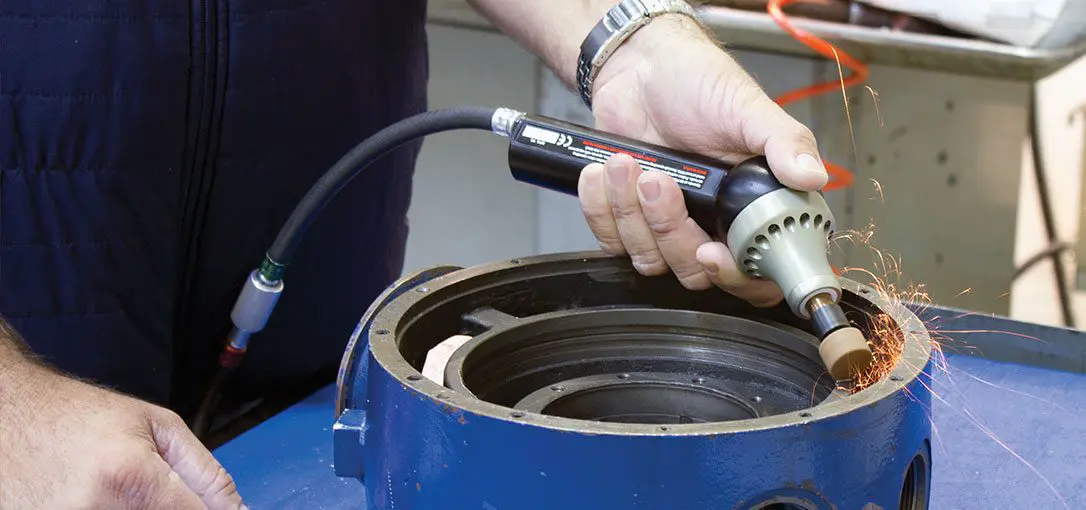
Credit: www.airturbinetools.com
Frequently Asked Questions
What Is A Pipe Deburring Tool Used For?
A pipe deburring tool removes sharp edges and burrs from cut pipes. It ensures smooth pipe ends for safe handling and proper fitting.
How Do You Use A Pipe Deburring Tool Properly?
Insert the tool into the pipe edge, rotate it gently, and scrape the inside and outside edges. This removes burrs and smooths the surface.
Can A Pipe Deburring Tool Work On All Pipe Types?
Most deburring tools work on metal and plastic pipes. Always check the tool’s specifications to ensure compatibility with your pipe material.
Why Is Deburring Pipes Important Before Installation?
Deburring prevents leaks, improves joint fit, and reduces injury risk. It also ensures better sealing and longer-lasting pipe connections.
Conclusion
Mastering the use of a pipe deburring tool is straightforward. With practice, you’ll handle it with ease. This tool ensures smooth pipe edges, preventing injuries. It also boosts the quality of your work. Following the steps in this guide simplifies the process.
Safety remains a priority, so wear protective gear. Regular maintenance of your tool extends its lifespan. A well-deburred pipe enhances any project. Keep practicing, and your skills will improve. With each use, confidence grows. Soon, you’ll deburr pipes like a pro.