
Ever felt the frustration of assembling furniture with just a screwdriver? It can be time-consuming and downright exhausting.
That’s where a power drill comes in. Imagine completing your furniture assembly in half the time, with less effort and precision that leaves your pieces perfectly aligned. Sounds like a dream, right? But it’s possible, and this guide is here to show you how.
You’ll discover the secrets to mastering your power drill, turning it into your best friend for furniture assembly. Ready to save time and energy while achieving flawless results? Keep reading to transform your DIY experience.
Choosing The Right Power Drill
Using a power drill makes furniture assembly faster and easier. Picking the right drill helps you work safely and well.
There are many drills to choose from. Knowing the types and features helps you find the best one for your needs.
Types Of Power Drills
Power drills come in different types. Each type fits different tasks and skill levels.
- Drill Drivers:Most common for drilling holes and driving screws.
- Hammer Drills:Add a hammering action for drilling into hard materials.
- Impact Drivers:Deliver extra torque for tough screws and bolts.
- Right Angle Drills:Designed for tight spaces and awkward angles.
Key Features To Consider
Look for features that make your job easier and safer. Good features improve control and comfort.
- Power:Measured in volts; higher volts mean more power.
- Speed Settings:Multiple speeds let you adjust for different materials.
- Torque Control:Helps prevent overdriving or stripping screws.
- Chuck Size:Common sizes are 3/8 inch and 1/2 inch; bigger chucks hold larger bits.
- Weight and Grip:Choose a drill that feels balanced and easy to hold.
Battery Vs Corded Models
Power drills come as battery or corded models. Each type has its own benefits.
Battery drills are portable and easy to carry. Corded drills offer constant power without charging.
- Battery Drills:Convenient for working anywhere without plugs.
- Battery Drills:Limited by battery life and charging time.
- Corded Drills:Provide steady power for long jobs.
- Corded Drills:Need access to an electrical outlet.
Essential Drill Bits For Furniture
Using the right drill bits is important for furniture assembly. The correct bits make the process easier and faster.
This guide explains common types, how to select the right size, and how to maintain your drill bits.
Common Bit Types
Different drill bits serve different purposes in furniture assembly. Knowing the common types helps you work better.
- Twist Bits: Used for drilling holes in wood and metal.
- Spade Bits: Great for making larger holes in wood quickly.
- Brad Point Bits: Designed for clean and precise wood drilling.
- Phillips and Flathead Bits: For driving screws into furniture parts.
- Hex Bits: Used for screws with hexagonal heads, common in flat-pack furniture.
Selecting The Right Size
Choosing the right drill bit size is key to strong furniture assembly. Too small or too large bits cause problems.
Match the bit size to the screw or hole needed. Check the furniture instructions for size details.
- Use a bit slightly smaller than the screw for pilot holes.
- Choose a bit that fits the screw head for driving screws.
- Test on scrap wood if unsure about the size.
Maintaining Your Bits
Well-maintained drill bits last longer and work better. Keep your bits sharp and clean.
Store bits in a dry place to avoid rust. Replace bits that are worn or damaged to prevent mistakes.
- Sharpen dull bits with a file or sharpening tool.
- Clean bits after use to remove wood or metal debris.
- Check bits regularly for cracks or bends.
Preparing For Assembly
Using a power drill makes furniture assembly faster and easier. Before starting, you must prepare well. Good preparation helps avoid mistakes and saves time.
This guide shows how to prepare by organizing parts and tools, reading instructions, and setting up a workspace.
Organizing Parts And Tools
Sort all furniture parts by type and size. Keep screws, bolts, and small pieces in separate containers. Gather all tools you need, including the power drill and drill bits.
- Separate screws and bolts by size
- Check if drill bits fit the screws
- Have a screwdriver handy for tight spots
- Keep parts within easy reach
Reading Assembly Instructions
Read the instructions fully before you start. Understand each step and check for warnings. Look at pictures to see how parts fit together.
Pay attention to screw types and where to drill. Knowing the steps helps avoid errors and keeps the assembly smooth.
- Identify all parts listed in the instructions
- Note which screws go in each step
- Check for special notes or tips
- Follow the order of steps exactly
Setting Up A Workspace
Choose a clean, flat surface to work on. Make sure the area has good light. Clear enough space to move around the furniture parts easily.
Keep a cloth or mat under the parts to protect them from scratches. Have a place to set down the power drill safely when not in use.
- Work near a power outlet for the drill
- Remove clutter to avoid tripping
- Keep parts and tools organized on a table
- Use a chair if the assembly takes time
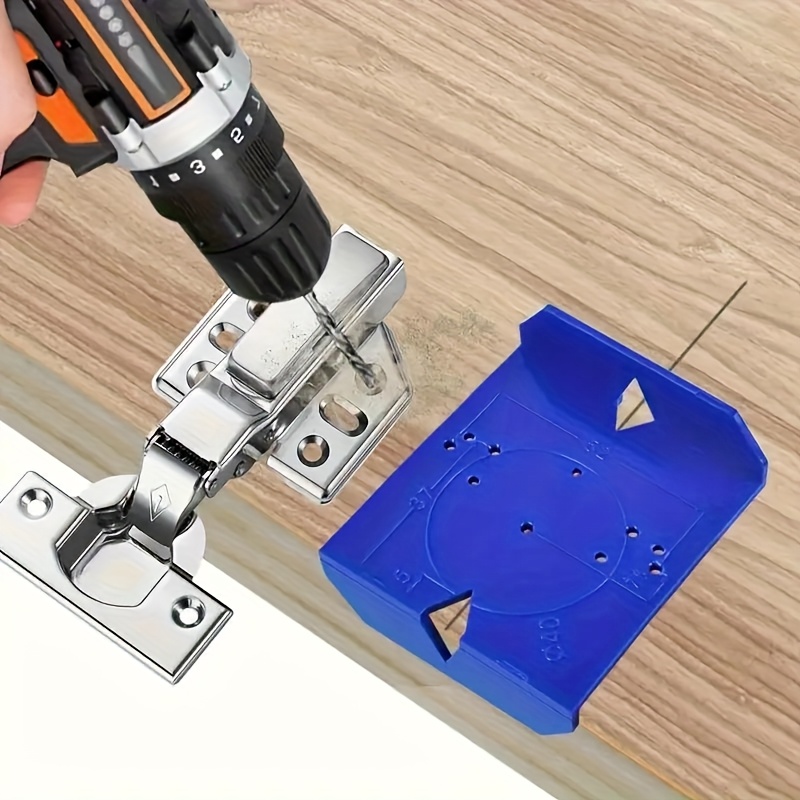
Credit: www.temu.com
Drilling Techniques For Furniture
Using a power drill for furniture assembly needs care. Good drilling helps join pieces firmly and neatly.
Learn simple drilling tips. These tips keep wood safe and make your work easier.
Controlling Drill Speed
Drill speed changes how the bit cuts through wood. Use slower speeds for hard woods. Use faster speeds for soft woods.
Start drilling slow, then increase speed if needed. This helps avoid mistakes and keeps control.
- Use low speed for metal drill bits
- Increase speed for soft woods
- Slow speed prevents bit from overheating
Avoiding Wood Splitting
Wood splits when drilling too fast or without care. Use steady pressure and keep speed low near edges.
Place tape over the drill spot to reduce splitting. Support the wood under the drilling point.
- Drill slowly near edges
- Use masking tape on drill spots
- Hold wood firmly or clamp it down
Drilling Pilot Holes
Pilot holes guide screws and stop wood from cracking. Drill a small hole before inserting screws.
Choose a drill bit slightly smaller than the screw. This makes screws fit tight and hold strong.
- Pick bit size smaller than screw width
- Drill hole straight and to the right depth
- Use pilot holes for hardwood and softwood
Driving Screws Efficiently
Using a power drill to drive screws can save time and effort. Doing it right helps prevent damage to your furniture.
This guide covers key tips to drive screws efficiently and safely for strong furniture assembly.
Using The Correct Screwdriver Bit
Choose a bit that fits the screw head tightly. A wrong bit can slip and damage the screw.
Check the screw type before selecting the bit: Phillips, flathead, or Torx are common types.
- Match bit size to screw head size
- Use magnetic bits to hold screws better
- Replace worn bits to avoid slipping
Applying Proper Pressure
Press the drill firmly against the screw to keep the bit engaged. Too little pressure causes slipping.
Too much pressure can strip the screw or damage your workpiece. Find a balance for smooth driving.
- Hold drill steady and straight
- Apply steady, moderate pressure
- Stop if the screw feels stuck
Preventing Stripped Screws
Stripped screws lose their grip, making removal hard. Prevent this by using the right bit and pressure.
Drive screws slowly and stop if you feel resistance. Back the screw out and try again if needed.
- Use bits that fit perfectly
- Keep drill speed low when starting
- Avoid over-driving screws

Credit: www.lowes.com
Safety Tips While Using A Power Drill
Using a power drill helps you build furniture faster. It is important to use it safely to avoid accidents.
This guide shares safety tips to protect yourself while using a power drill for furniture assembly.
Protective Gear Recommendations
Wearing the right protective gear keeps you safe from dust and flying debris. It also protects your eyes and hands.
- Wear safety goggles to protect your eyes
- Use ear protection to reduce noise
- Wear gloves to protect your hands from splinters
- Use a dust mask when drilling materials that create dust
- Wear close-fitting clothes to avoid getting caught
Handling The Drill Safely
Hold the drill firmly with both hands to keep control. Keep your fingers away from the drill bit.
Start drilling at a slow speed and increase as needed. Always keep the drill bit perpendicular to the surface.
- Check the drill bit is tightly secured before use
- Keep your work area clean and well-lit
- Use clamps to hold the furniture piece steady
- Unplug the drill when changing bits or not in use
Common Mistakes To Avoid
Do not force the drill or push too hard. Let the drill do the work to avoid breaking the bit or damaging the wood.
Avoid wearing loose clothes or jewelry that can get caught. Do not drill near water or in wet conditions.
- Do not use a dull or damaged drill bit
- Do not ignore the drill’s safety features
- Avoid distractions while drilling
- Do not overreach or use the drill in an unstable position
Troubleshooting Common Issues
Using a power drill for furniture assembly is easy but problems can happen. Fixing common issues helps you work faster.
Below are solutions for drill not starting, bit slipping, and screwdriver bit wear. These tips keep your work smooth.
Drill Not Starting
If the drill does not start, check the power source first. Make sure the battery is charged or the cord is plugged in properly.
Look at the trigger switch. It should move freely and click. Dirt or damage may stop it from working.
- Charge or replace the battery
- Check the power cord for cuts or loose plugs
- Clean the trigger switch
- Inspect the drill for internal damage
Bit Slipping
When the drill bit slips, it may not be tight enough in the chuck. Tighten the chuck by hand or use the chuck key if available.
Also, use the right size bit for your screws. Wrong sizes cause slipping and damage to the furniture surface.
- Firmly tighten the chuck around the bit
- Use the correct bit size for screws
- Replace worn or damaged bits
- Apply steady pressure while drilling
Screwdriver Bit Wear
Screwdriver bits wear out after repeated use. Worn bits slip and can strip screws or damage your furniture.
Replace bits when you see rounded edges or cracks. Using good-quality bits also helps them last longer.
- Check bits for wear before starting work
- Replace bits with rounded or damaged tips
- Store bits in a dry place to avoid rust
- Buy bits made from strong materials
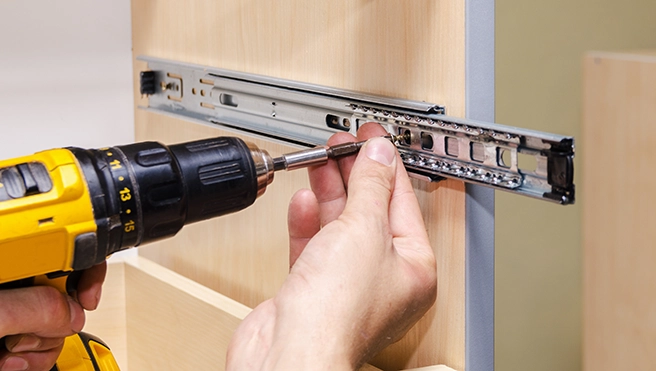
Credit: www.mrhandyman.com
Maintaining Your Power Drill
Keeping your power drill in good shape helps it work well. Regular care makes the drill last longer.
Simple steps like cleaning and checking the drill keep it safe to use. Let’s look at how to maintain your power drill.
Cleaning And Storage
After each use, wipe the drill with a dry cloth. Remove dust and dirt from the vents and chuck.
Store the drill in a dry place. Keep it away from moisture and extreme temperatures to avoid damage.
- Use a soft brush to clean tight spots
- Keep the drill in its case or a toolbox
- Avoid storing near water or heat sources
Battery Care Tips
Charge the battery before it is completely empty. Avoid overcharging by unplugging when full.
Store batteries in a cool, dry place. Remove the battery from the drill if not used for a long time.
- Use the charger that came with the drill
- Do not expose batteries to direct sunlight
- Check battery contacts for dirt and clean gently
Regular Inspections
Look over your drill before each use. Check for cracks, loose parts, or damaged cords.
Listen for unusual sounds while running the drill. Fix or replace parts if you find problems.
- Test the trigger and switch for smooth operation
- Inspect the chuck for proper tightening
- Make sure ventilation holes are clear
Frequently Asked Questions
How Do I Choose The Right Drill Bit For Furniture Assembly?
Select a drill bit matching your screw size and material type. Use wood bits for wooden furniture. Ensure the bit fits snugly in the drill chuck for accuracy and safety.
What Drill Settings Work Best For Furniture Assembly?
Use low to medium speed settings for better control. High torque is ideal for driving screws into dense wood. Adjust settings based on material hardness and screw type.
How Can I Avoid Damaging Wood When Drilling?
Pre-drill pilot holes smaller than the screw diameter. Use clamps to secure the wood and prevent movement. Drill slowly to avoid splintering and maintain clean edges.
Is A Cordless Drill Suitable For Furniture Assembly?
Yes, cordless drills offer portability and ease of use. Ensure the battery is fully charged for consistent power. Choose one with adjustable torque for precise screw driving.
Conclusion
Using a power drill can make furniture assembly faster and easier. Always choose the right drill bit for your screws. Keep the drill steady to avoid mistakes or damage. Take your time and follow the steps carefully. Practice will help you feel more confident and skilled.
Soon, assembling furniture will become a simple and quick task. Enjoy the satisfaction of building your own pieces with ease.