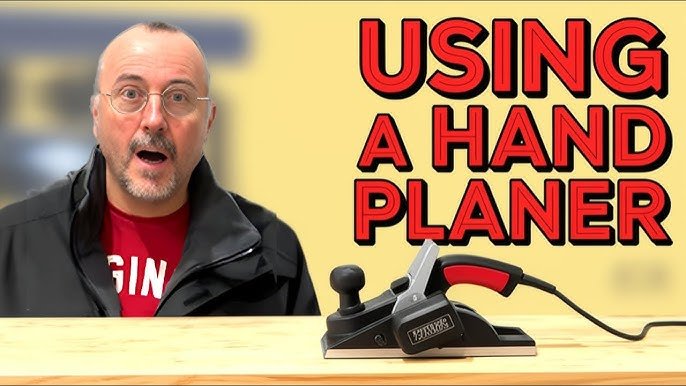
Are you ready to take your woodworking skills to the next level? Using a power planer can make your projects smoother, faster, and more precise.
But if you’re new to this tool, it might seem a bit tricky at first. Don’t worry—this guide will walk you through everything you need to know. From setting up your power planer to mastering the perfect finish, you’ll discover simple tips that save time and effort.
Keep reading, and you’ll soon feel confident tackling any woodworking project with ease.
Choosing The Right Power Planer
Choosing a power planer is important for woodworking. The right tool makes your work easier and more precise.
Look at different types and features before buying. Safety should also be a top priority.
Types Of Power Planers
There are many types of power planers. Each type fits different woodworking needs.
- Handheld Planers: Lightweight and good for small jobs.
- Bench Planers: Larger and used for heavy-duty work.
- Thickness Planers: Help create boards with even thickness.
Key Features To Consider
| Feature | Why It Matters |
| Blade Quality | Affects smoothness and sharpness of cuts. |
| Power | Higher power handles tougher wood better. |
| Depth Adjustment | Allows control over the thickness removed. |
| Weight | Lighter planers are easier to handle. |
| Dust Collection | Keeps your workspace clean and safe. |
Safety Certifications
Check for safety certifications before buying. These show the tool meets safety rules.
- UL (Underwriters Laboratories)
- CE (Conformité Européenne)
- CSA (Canadian Standards Association)

Credit: www.findbuytool.com
Preparing For Planing
Using a power planer is easier when you prepare well. Good preparation keeps your work safe and smooth.
Before starting, check the wood, workspace, and the planer blades. This helps avoid problems later.
Selecting Suitable Wood
Choose wood that fits your project and planer limits. Hardwoods need careful planing to avoid damage.
Look for wood without nails, screws, or big knots. These can damage your blades or machine.
- Pick dry wood with low moisture
- Avoid wood with metal or dirt
- Use flat, straight boards for best results
Setting Up The Workspace
Clear a large, flat area to work safely. Make sure you have good lighting and enough room to move wood.
Keep your workspace free of clutter. This reduces the chance of accidents and makes planing easier.
- Use a sturdy workbench or saw horses
- Check that power cords are safe and not in the way
- Wear safety gear like goggles and ear protection
Checking The Planer Blades
Inspect the blades before starting. Sharp blades make cleaner cuts and protect the wood.
Replace dull or damaged blades. Loose blades can cause uneven planing or be dangerous.
- Turn off and unplug the planer before checking blades
- Look for chips, cracks, or rust on blades
- Tighten blade screws to secure blades firmly
Basic Planing Techniques
Using a power planer helps smooth and shape wood efficiently. Learning basic techniques improves your results and safety.
This guide covers how to hold and position the planer, adjust the cutting depth, and keep steady pressure for clean cuts.
Holding And Positioning The Planer
Hold the planer firmly with both hands. Place one hand on the front handle and the other on the rear handle. Keep your body balanced and stand to the side of the wood.
- Keep the planer flat against the wood surface
- Align the tool with the grain direction
- Start the planer before touching the wood
- Move the planer steadily along the wood
- Do not tilt or lift the planer during the cut
Adjusting Depth Of Cut
Set the depth control knob to choose how much wood the blade removes. A shallow depth is good for fine smoothing. A deeper cut removes more material but can cause roughness.
| Depth Setting | Use |
|---|---|
| 0.5 mm | Final smoothing and finishing |
| 1.0 mm | Light material removal |
| 1.5 mm or more | Shaping and heavy stock removal |
Maintaining Consistent Pressure
Apply steady pressure to keep the planer flat and moving smoothly. Too much pressure can cause gouges. Too little pressure may leave uneven surfaces.
Tips for consistent pressure:
- Push forward with even force
- Let the planer weight help guide the cut
- Do not force the tool or rush
- Stop and check the wood if the cut feels rough

Credit: www.findbuytool.com
Advanced Tips For Smooth Results
Using a power planer can make woodworking faster. To get smooth results, you need some advanced tips. These tips help you avoid marks and uneven surfaces.
Paying attention to grain direction, guide fences, and edges can improve your planing work. Let’s look at these important points.
Planing Against And With The Grain
Planing with the wood grain gives a smooth finish. Planing against the grain can cause tear-out and rough spots. Check the wood grain direction before you start.
If you must plane against the grain, use a sharp blade and take shallow cuts. Move the planer slowly to reduce marks.
- Always identify the grain direction first
- Plane with the grain for best results
- Use sharp blades to cut cleanly
- Take light passes when planing against the grain
- Move the planer slowly and steadily
Using Guide Fences
Guide fences help keep your cuts straight. Attach a fence to the planer or clamp a straight edge to the wood. This stops the planer from drifting off course.
Make sure the fence is tight and secure. A loose guide fence can cause uneven planing and waste wood.
- Use a straight guide fence for long cuts
- Clamp the fence firmly to the wood
- Check the fence alignment before starting
- Move the planer along the fence smoothly
Handling Corners And Edges
Edges and corners need careful planing. The planer can gouge or damage these areas if not handled well. Use light passes and slow movement near edges.
For corners, consider sanding after planing to smooth sharp spots. This keeps your woodwork clean and safe to handle.
- Take shallow cuts near edges and corners
- Keep the planer steady and slow
- Sand corners after planing for a smooth finish
- Use a block plane for tight corners if needed
Troubleshooting Common Issues
Using a power planer for woodworking can be simple and effective. Sometimes, you may face problems that slow down your work.
Knowing how to fix common issues will save time and improve your results. This guide covers three frequent problems and ways to solve them.
Dealing With Tear-out
Tear-out happens when wood fibers pull away instead of cutting cleanly. It leaves rough, splintered edges on your workpiece.
To reduce tear-out, check the blade sharpness and grain direction. Always cut with the grain, not against it.
- Use sharp blades for clean cuts
- Plan your cuts following the wood grain
- Make shallow passes instead of deep cuts
- Try backing the wood with tape to reduce splintering
Uneven Surfaces
Uneven surfaces occur when the planer removes wood inconsistently. This can leave bumps or low spots on your board.
Check the planer’s base for flatness and keep the blades level. Feed the wood steadily and avoid pushing too fast.
- Inspect and flatten the planer base if needed
- Replace or adjust dull blades
- Feed wood at a steady, moderate speed
- Clamp the wood to prevent movement
Planer Jamming
Planer jamming stops the blades from spinning. It can happen if the wood is too hard or if debris blocks the mechanism.
Turn off the planer and unplug it before clearing jams. Clean the blades and inside the planer regularly to prevent buildup.
- Do not force very hard or knotty wood
- Clear debris and wood chips often
- Check for blade damage or misalignment
- Keep the planer well-maintained and clean
Maintaining Your Power Planer
Keeping your power planer in good shape helps it work well longer. Regular care prevents damage and keeps cuts smooth.
This guide covers cleaning, blade care, and smart storage to protect your tool.
Cleaning And Lubrication
After each use, clean dust and wood chips from your planer. Use a brush or compressed air to reach tight spots.
- Unplug the planer before cleaning
- Brush out chips from vents and blades
- Wipe the surface with a dry cloth
- Apply light machine oil to moving parts
- Check the manufacturer’s guide for lubrication points
Blade Sharpening And Replacement
Dull blades make rough cuts and strain the motor. Sharpen or replace blades to keep your planer cutting cleanly.
| Blade Care Task | How Often | Tips |
| Inspect blades | Before every use | Look for nicks or dull edges |
| Sharpen blades | After heavy use or dullness | Use a sharpening stone or send to a pro |
| Replace blades | When damaged or worn out | Use manufacturer-approved blades |
Storage Tips
Store your power planer in a dry place to stop rust. Keep it away from dust and moisture.
- Clean the planer before storing
- Cover it with a cloth or case
- Keep blades retracted or covered
- Store in a stable, dry spot
- Check and oil parts if stored long

Credit: www.familyhandyman.com
Frequently Asked Questions
What Is The Main Purpose Of A Power Planer?
A power planer smooths and levels wood surfaces quickly. It removes thin layers of wood to create flat, even boards. It’s ideal for shaping edges and reducing thickness in woodworking projects.
How Do You Safely Use A Power Planer?
Always wear safety goggles and ear protection. Secure the wood before planing. Keep both hands on the tool and move steadily. Avoid loose clothing and keep fingers away from blades.
Can A Power Planer Replace Sanding In Woodworking?
Yes, it can replace sanding for surface leveling. A power planer removes rough wood faster than sanding. However, fine finishing might still require light sanding for smoothness.
What Wood Types Work Best With A Power Planer?
Softwoods and hardwoods both work well with a power planer. It handles pine, oak, maple, and more. Hardwoods may need slower passes to avoid blade damage.
Conclusion
Using a power planer can transform your woodworking projects. It’s essential for smooth and even surfaces. Always remember safety first. Wear protective gear and stay focused. Start with small adjustments. Gradually increase depth for better control. Keep blades sharp for clean cuts.
Regular maintenance extends tool life. Practice makes perfect. Over time, your skills will improve. Enjoy the creative process. Woodworking can be relaxing and rewarding. Now, you’re ready to tackle your next project. With patience and care, you’ll see great results.
Happy woodworking!